
Best Places to Retire in France
The best places to retire in France are not always the most famous towns. For long-term retirement, the real question is whether daily life still works after the first year: healthcare, housing, transport, paperwork, heating, language, social routines and aging.
France offers several very different retirement lifestyles. You can choose a walkable apartment city, a coastal town, a rural stone house, a smaller inland city, a southern market town or a practical suburb near healthcare. Each option has advantages, but each also creates different risks.
This guide is the main France retirement hub. It connects the France cluster into one practical planning system: where to live, how much it costs, how healthcare works, whether you need a car, what housing problems to expect, how bureaucracy feels, and what daily life is like after the first few months.
Start Here: France Retirement Planning Hub
Before comparing towns, start with the three core planning guides. These help you avoid the most common mistake: choosing a location before understanding residency, healthcare, cost, housing and daily-life systems.
How to Choose a Retirement Location in France
Many retirees start with scenery. That is understandable, but it is not enough. A town that feels perfect during a May visit can become difficult in February, during a medical problem, after a car repair, or when one partner stops driving.
A good France retirement location should answer practical questions:
- Can you reach a pharmacy and grocery store without stress?
- Is there realistic access to doctors, hospitals and specialists?
- Can you live comfortably if driving becomes harder?
- Does the town remain active outside tourist season?
- Is housing manageable, insulated, accessible and affordable?
- Can you handle French bureaucracy locally?
- Is there enough social life to avoid isolation?
RetirePlan rule: choose the place where ordinary Tuesday life works, not only the place that looks best on a scouting trip.
Best Overall Choice: Medium-Sized French Cities

For many retirees, medium-sized French cities are the safest long-term choice. They offer more healthcare access, better public transport, supermarkets, cafés, pharmacies and administrative services than small villages, while still being calmer than Paris or major metropolitan centres.
Cities such as Angers, Tours, Dijon, Pau, Nîmes, Clermont-Ferrand and similar regional centres can be practical because they reduce the risks of rural isolation without forcing retirees into the highest-cost parts of France.
- walkable daily errands
- hospital and specialist access
- train connections
- apartment living instead of house maintenance
- year-round cafés, markets and shops
- more options if mobility changes later
Best for Walkability: Compact Cities and Larger Town Centres
Walkability matters more in France than many retirees expect. A cheaper property outside town can become expensive in daily effort if every pharmacy visit, blood test, grocery trip or café routine requires driving.
The best walkable places usually have a compact centre, pharmacies, supermarkets, cafés, public transport, medical services and housing that does not become physically difficult later.
Best for Coastal Living: France’s Atlantic and Mediterranean Options
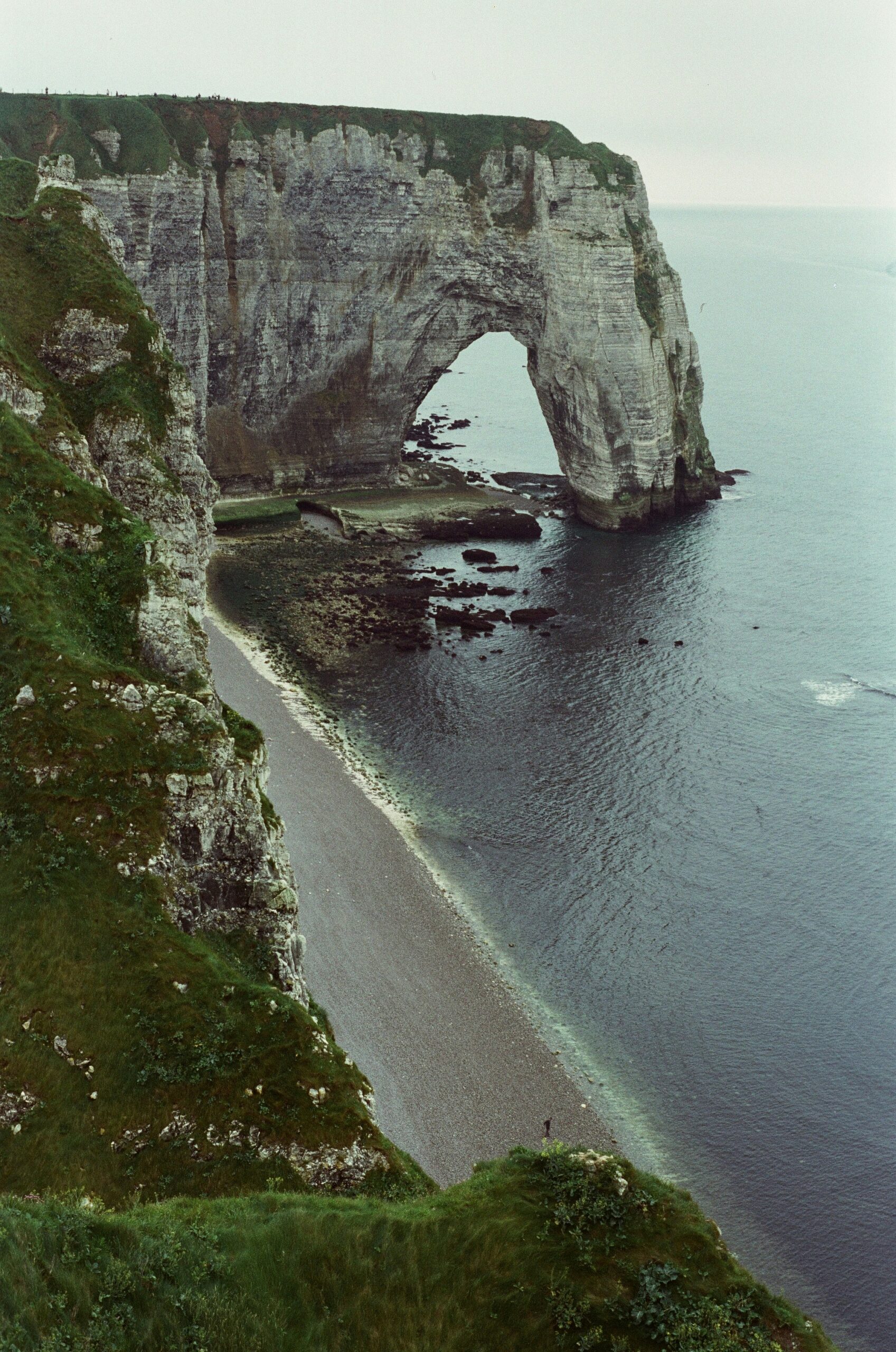
Coastal France can be wonderful, but it is not one lifestyle. The Riviera, Brittany, Normandy, the Atlantic coast and the Languedoc coast all feel different in cost, climate, seasonality and daily practicality.
The French Riviera offers healthcare access, transport and mild winters, but prices, summer crowds, apartment costs and parking stress can be serious. Brittany and Normandy may be more affordable and calmer, but winter damp, wind and reduced daylight matter.
Best for Lower Costs: Inland Cities and Less Fashionable Regions
France can be affordable if you avoid Paris, the Riviera, premium Provence villages and the most famous coastal towns. Lower-cost places often include inland regional cities, practical towns and areas where tourism pressure is lower.
Affordable does not always mean rural. In fact, the safest budget choices are often lower-cost cities with services rather than isolated villages with cheap houses.
Best for Rural France: Only If You Accept the Tradeoffs

Rural France is attractive for space, scenery and lower property prices. But it is also where many retirement mistakes happen. Old houses, car dependence, weaker healthcare access, contractor delays, winter damp and social isolation can turn a dream property into a demanding project.
Rural France can work well if you speak enough French to handle local services, drive confidently, understand old-property maintenance, have a renovation buffer and choose a village near a larger service town.
France Housing Hub
Housing is the biggest retirement decision in France. It affects cost, healthcare access, mobility, heating bills, social life and bureaucracy. Buying too early can lock you into the wrong region, wrong climate, wrong healthcare area or wrong property type.

France Healthcare Hub
Healthcare should shape the shortlist. France has a strong healthcare system, but access is not identical everywhere. Some rural and semi-rural areas struggle with doctor availability, and specialists may require travel to larger towns or cities.
France Transport Hub
Transport is one of the biggest hidden retirement issues in France. A car may feel normal at 62. It may feel tiring at 78. It may become impossible for one partner after illness, eyesight changes or medication.
France Daily Life Hub
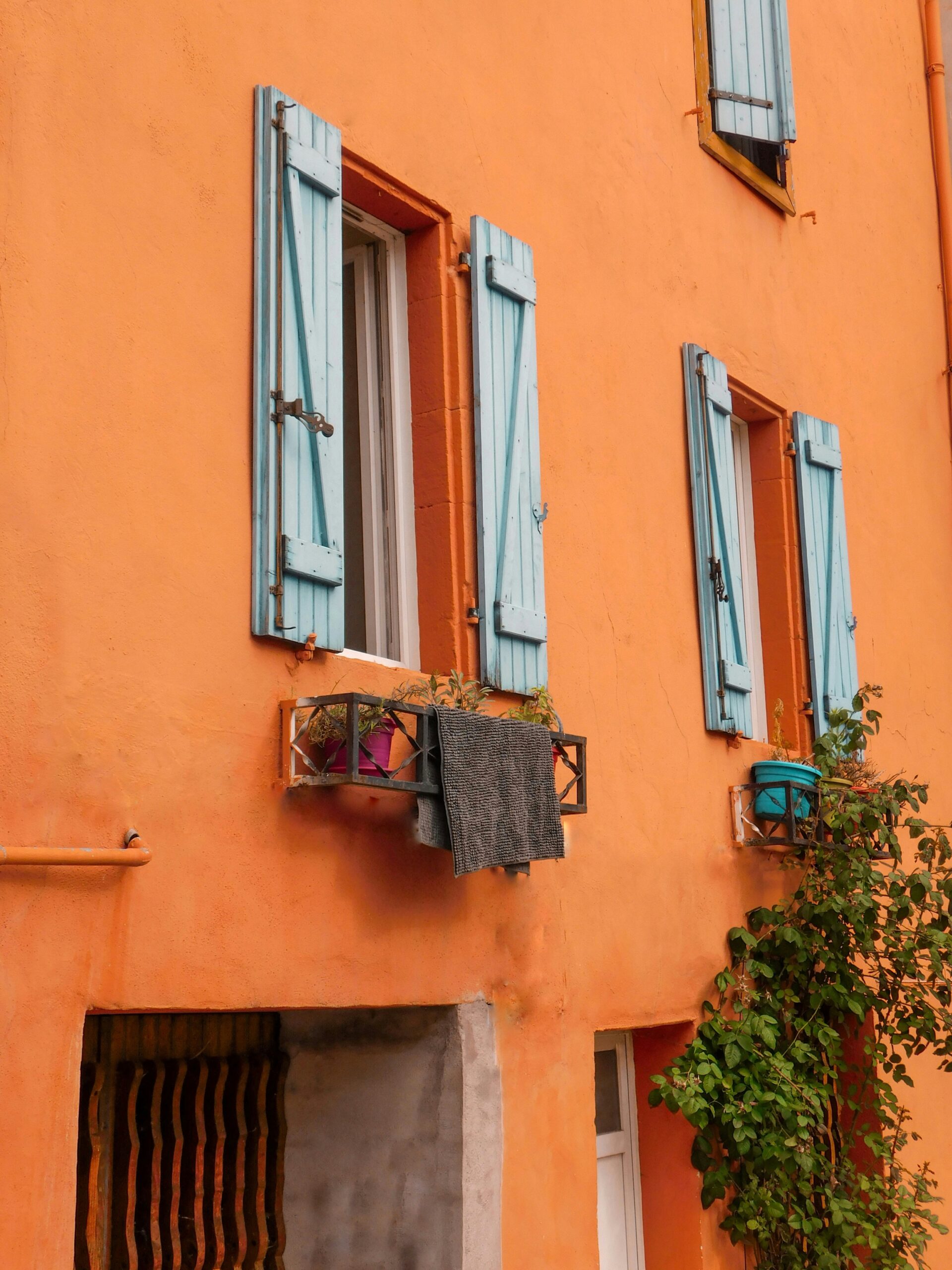
Daily life in France can be excellent, but it has its own rhythm. Shops close at certain times, paperwork can be slow, phone calls matter, local habits are not always explained, and social life often builds through repeated routines rather than instant friendliness.
Utilities, Internet, Banking and Taxes
The best retirement location is also the one where practical systems work. Internet coverage, utility setup, bank accounts, direct debits, tax paperwork and local services all affect daily stress.
France Retirement Location Types Compared
Medium-sized city
Usually the safest all-round option: services, healthcare, walkability and transport without Paris-level stress.
Coastal town
Attractive lifestyle, but check seasonality, prices, parking, winter damp and healthcare access.
Small town
Can be excellent if it has services, cafés, pharmacies, transport and winter life.
Rural village
Beautiful and cheaper, but risky for healthcare, driving, isolation, repairs and aging.
Southern city
Good climate and culture, but summer heat, housing quality and tourism pressure matter.
Paris or Riviera
Excellent infrastructure but often expensive, busy and budget-sensitive unless housing is already solved.
Final Thoughts
The best places to retire in France depend less on beauty and more on whether the location supports real life over time. The strongest retirement choices usually combine healthcare access, walkability, reasonable housing, year-round activity, manageable climate and transport options.
France rewards retirees who choose patiently. Rent first, test winter, check healthcare access, understand utilities and avoid buying based only on charm. A practical French town can give you a better retirement than a perfect-looking house in the wrong location.
Estimate Your France Retirement Budget
Use the France retirement calculator to compare monthly costs, income, housing, healthcare, transport and long-term affordability before choosing where to live.
Open France Retirement Calculator