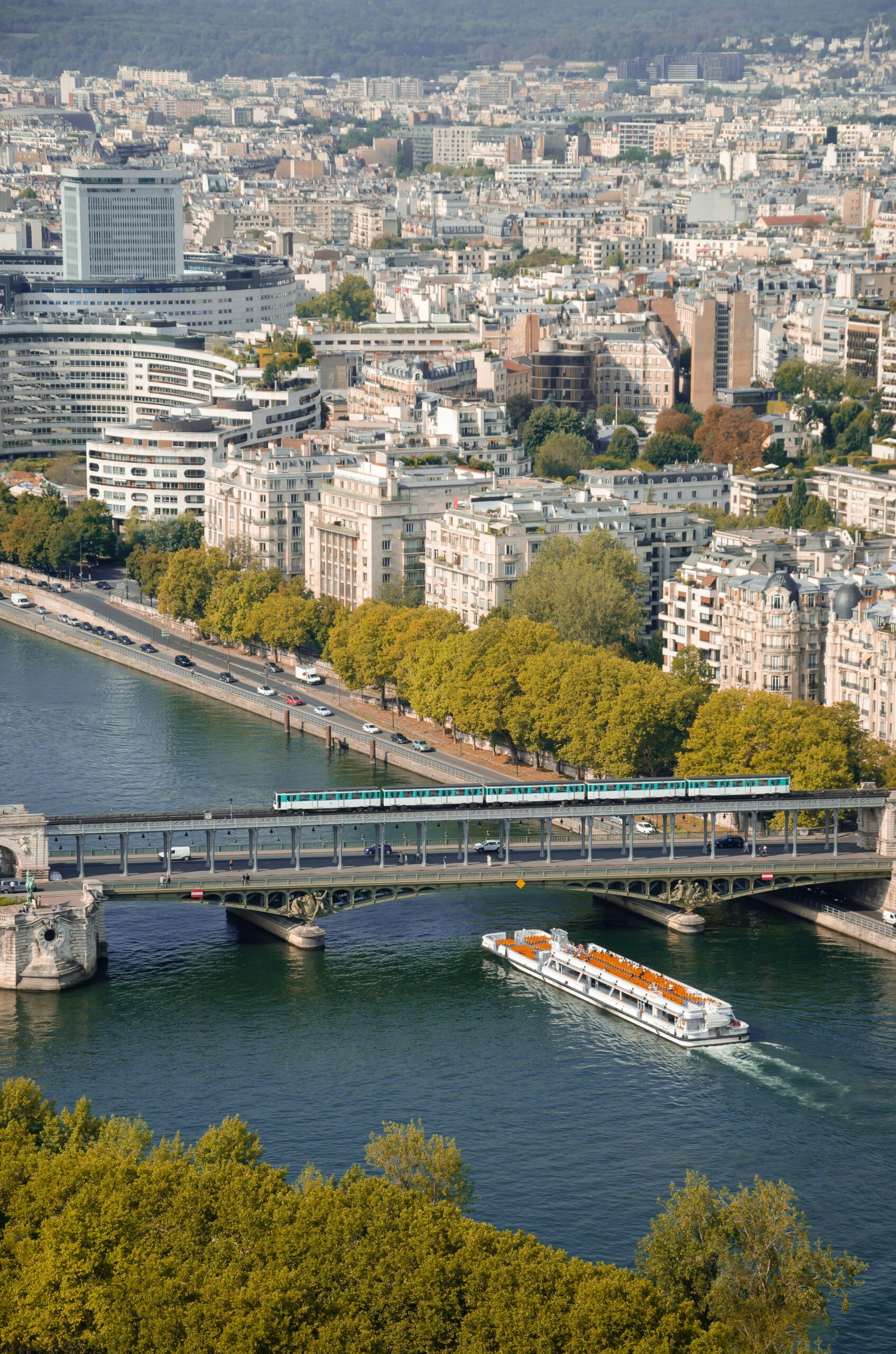
Why walkability matters more later in retirement
Many retirees underestimate how important daily convenience becomes with age.
Being able to walk to:
- cafés;
- markets;
- pharmacies;
- healthcare;
- grocery stores;
- public transportation;
- social activity;
can dramatically improve long-term quality of life.
Smaller French cities often work better than isolated villages
Many retirees initially dream about quiet countryside living.
But medium-sized French towns often provide a better long-term balance between:
- beauty;
- healthcare access;
- public transportation;
- daily convenience;
- social life;
- manageable housing.

Places with compact historic centers often allow retirees to live comfortably without depending entirely on a car.
Healthcare access becomes increasingly important
Retirees should think carefully about:
- doctor availability;
- hospital access;
- pharmacies nearby;
- specialist appointments;
- emergency transportation;
- winter mobility.
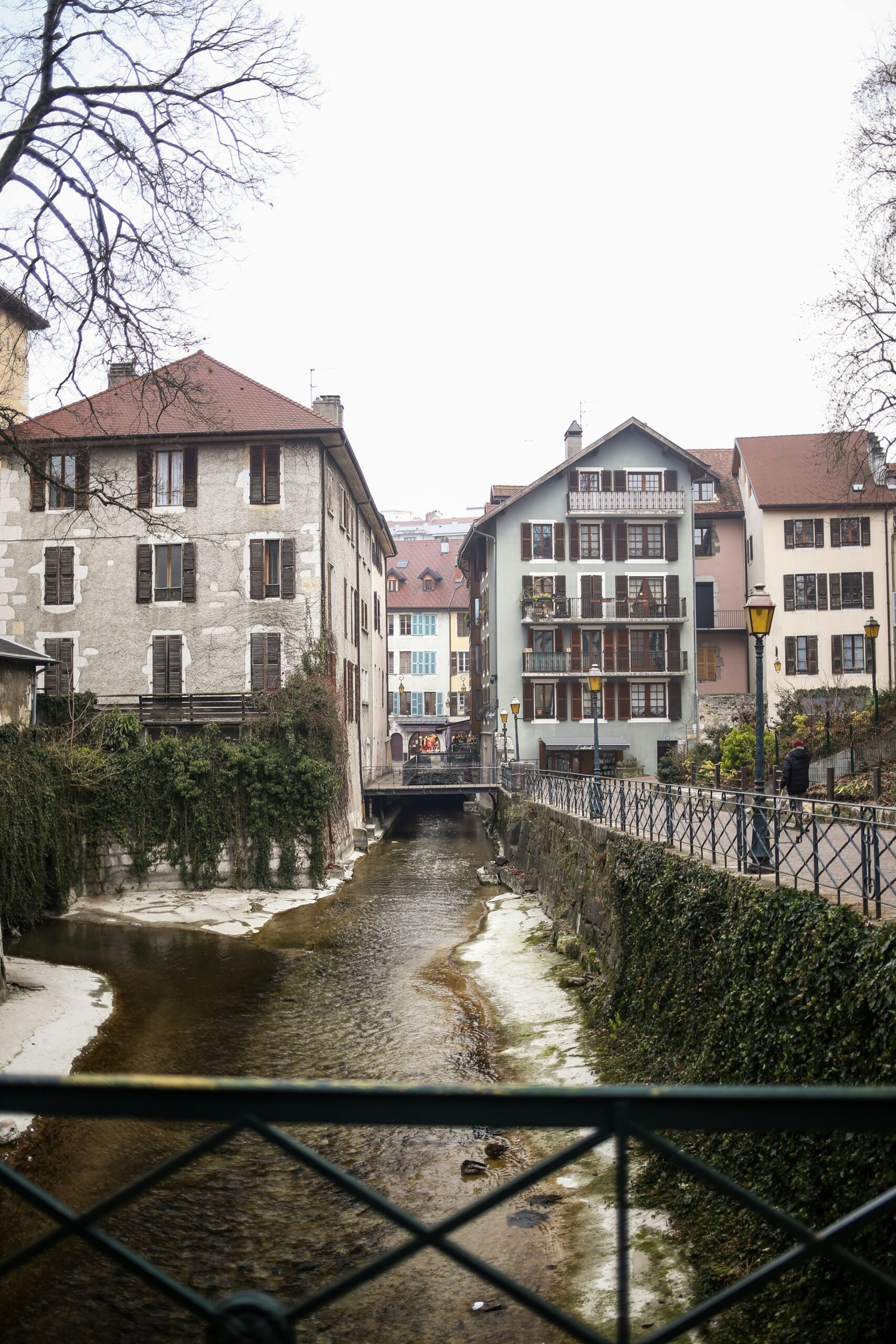
Walkable living reduces driving dependency
Driving everywhere may feel normal during active retirement years.
Later, many retirees discover that constant driving becomes:
- tiring;
- stressful;
- expensive;
- isolating during winter;
- difficult after health changes.
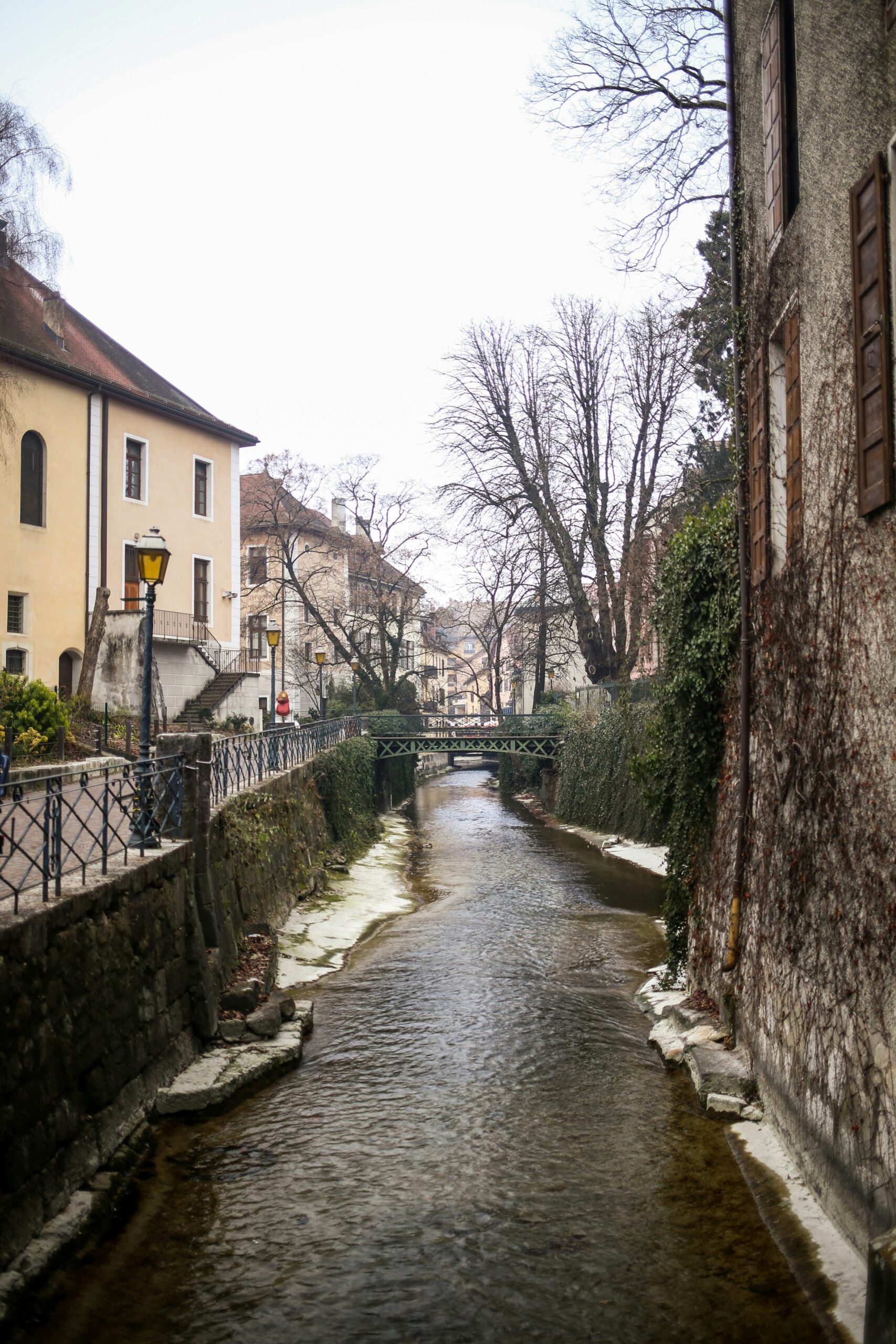
Living near train stations, local buses and daily services can make retirement significantly easier long term.
Apartment living often supports walkability
Many walkable retirement locations in France naturally connect with apartment or townhouse living.
Advantages often include:
- less maintenance;
- smaller heating bills;
- better insulation;
- easier access to services;
- less isolation;
- reduced garden work.
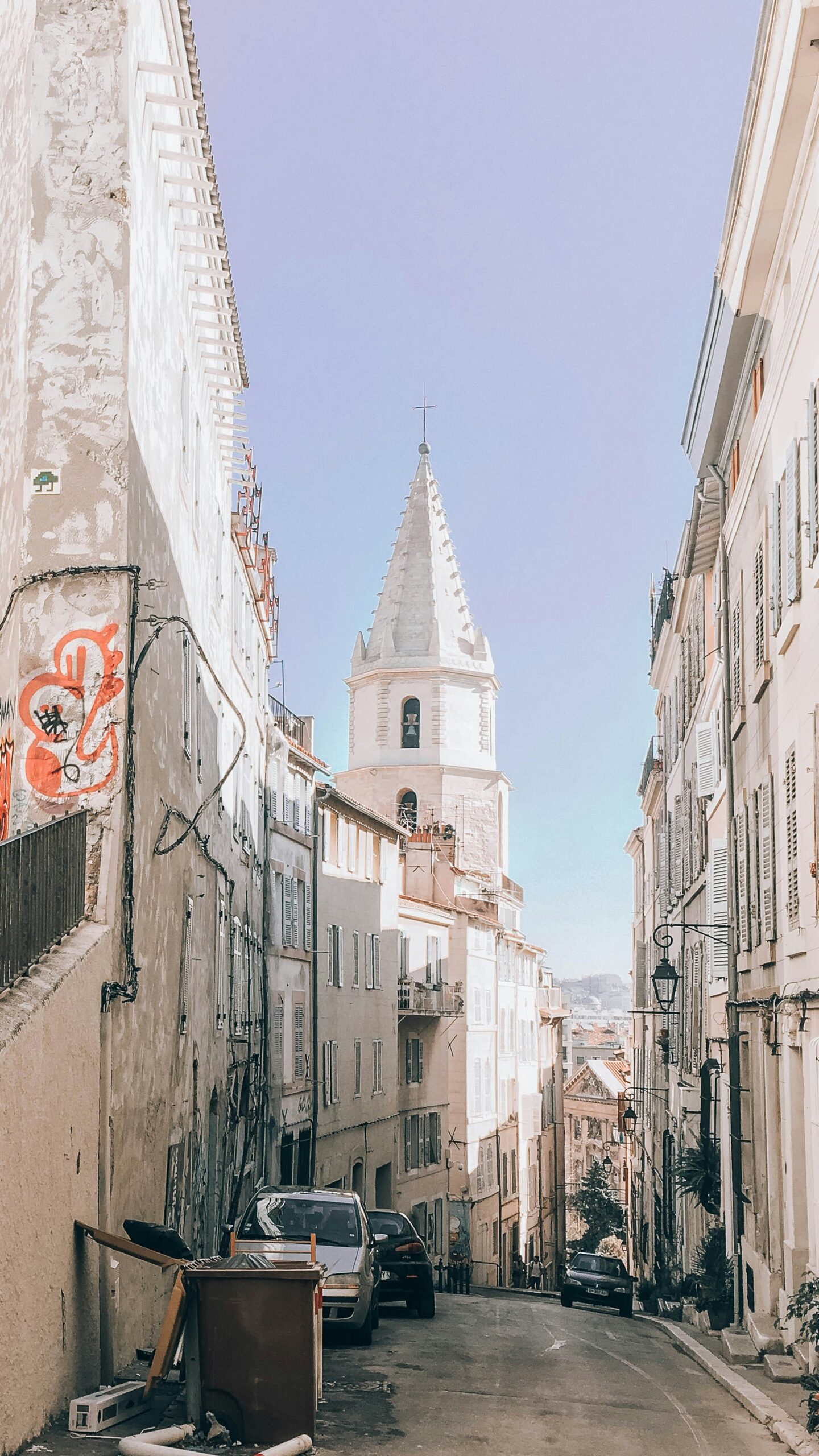
Social isolation becomes a serious issue for some retirees
Isolation is one of the least discussed retirement problems abroad.
This becomes especially important after:
- widowhood;
- health problems;
- reduced mobility;
- winter periods;
- driving less frequently.
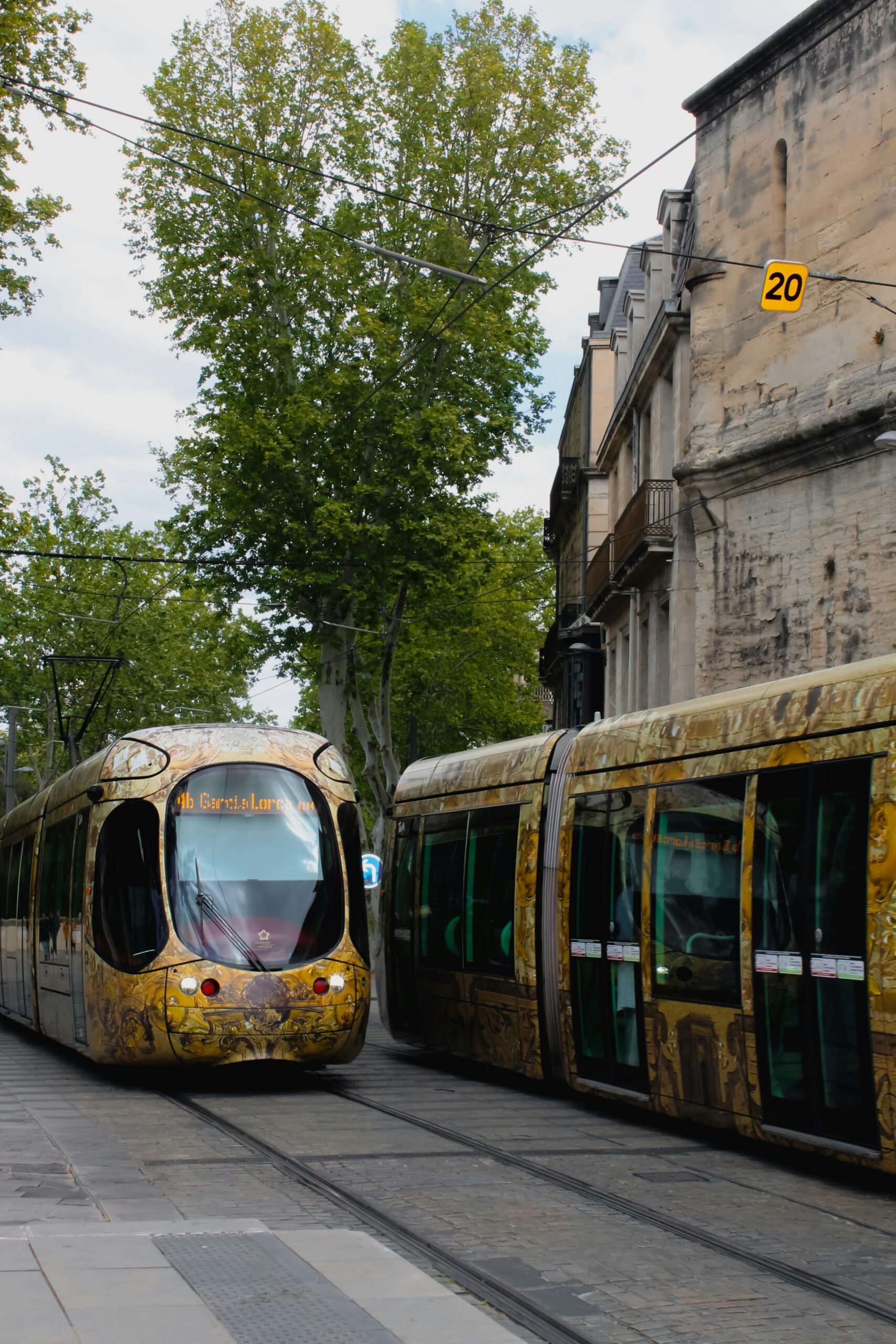
Retirees living near cafés, markets and local activity often remain socially engaged far longer.
Train access matters more than many retirees expect
France has excellent rail infrastructure in many regions.
Good train access can help retirees:
- visit family;
- reach airports;
- travel without driving;
- access larger hospitals;
- maintain independence later in life.
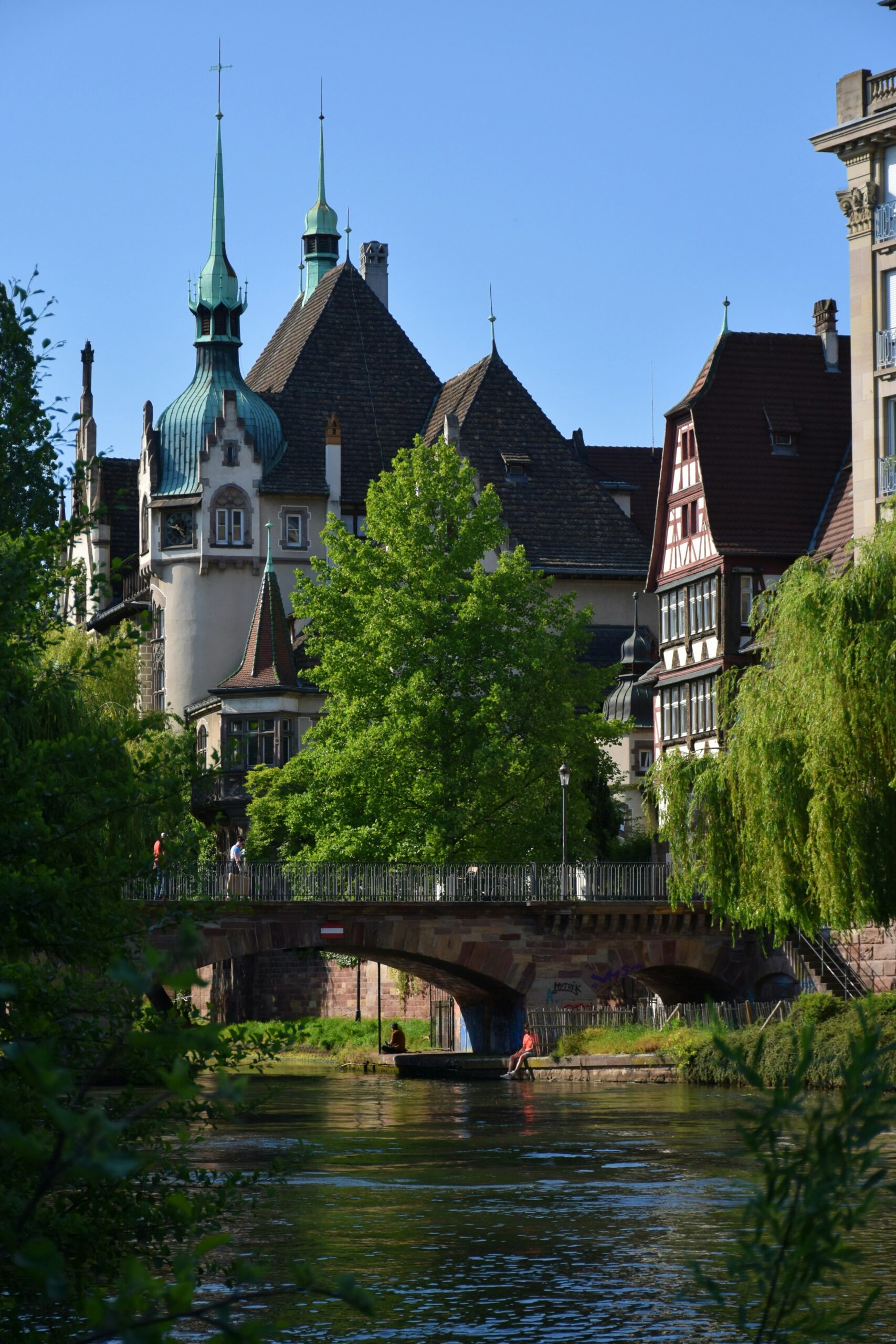
What retirees should look for in walkable locations
- daily shops within walking distance;
- pharmacy access;
- healthcare nearby;
- cafés and markets;
- safe sidewalks;
- good lighting;
- train or bus connections;
- manageable hills and stairs;
- year-round local activity.
Many retirees eventually move toward practicality
This is one of the most common long-term retirement patterns in France.
Some retirees begin with:
- large rural homes;
- isolated countryside living;
- car-dependent lifestyles.
Years later, many move toward:
- walkable towns;
- smaller homes;
- apartments;
- better healthcare access;
- simpler daily life.

Examples of walkable retirement locations in France
Retirees often prefer medium-sized French towns and smaller cities that combine healthcare, train access, cafés, markets and manageable daily life.
Popular examples include:
- Annecy;
- La Rochelle;
- Tours;
- Nantes;
- Bordeaux;
- Montpellier;
- Bayonne;
- Aix-en-Provence.

The best choice depends heavily on budget, healthcare needs, climate preference and how much retirees value transportation and social activity.
Final thoughts
France offers many beautiful places to retire.
But the most successful long-term retirements often happen in places where daily life remains simple, social and manageable.
Walkability affects:
- healthcare access;
- social connection;
- transportation;
- winter practicality;
- aging comfortably abroad.
The best walkable retirement location is usually not the most dramatic or romantic place — it is the one that still works comfortably later in life.
Continue planning retirement life in France
Walkability connects directly with healthcare, housing, transportation, aging and long-term retirement comfort.