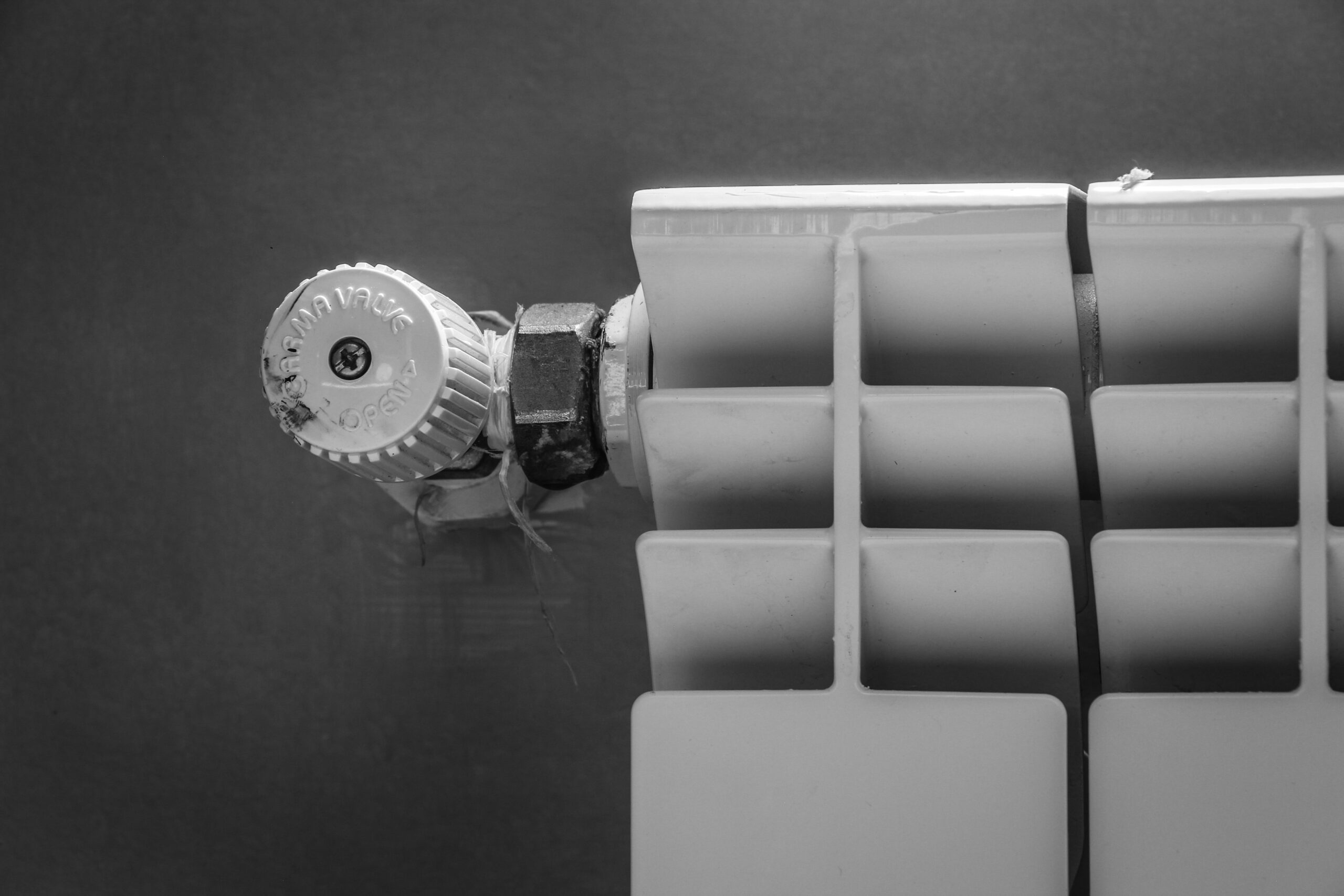
French winters are not only about outdoor temperature
A retiree from Scandinavia, Germany or the UK may look at French winter temperatures and assume heating will be simple.
But indoor comfort depends on different things:
- insulation quality;
- window condition;
- heating system type;
- wall construction;
- humidity levels;
- ventilation;
- whether the home was renovated properly.
A modern apartment in a town can feel comfortable and predictable. A large stone house in the countryside may feel cold, damp and expensive to heat.
Electric radiators can become expensive fast
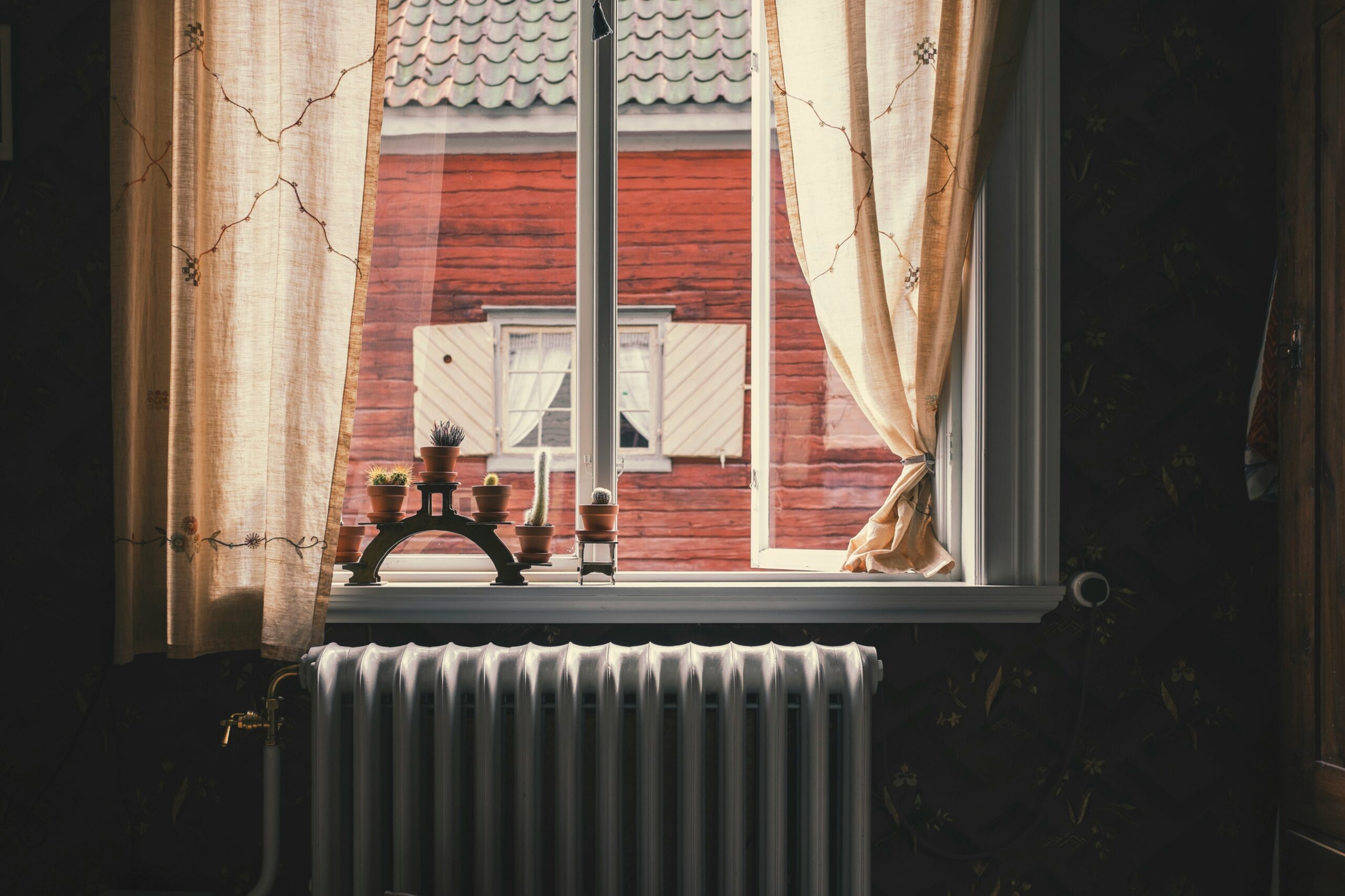
Many French homes use electric radiators, especially apartments and older houses that have not been modernised with more efficient heating systems.
Electric radiators are simple, but they can become costly when the property is poorly insulated.
- Rooms may heat unevenly.
- Cold walls can make the room feel chilly even when the radiator is on.
- Older units may be inefficient.
- Bedrooms and bathrooms may need extra heating.
- Bills can climb quickly during long cold periods.
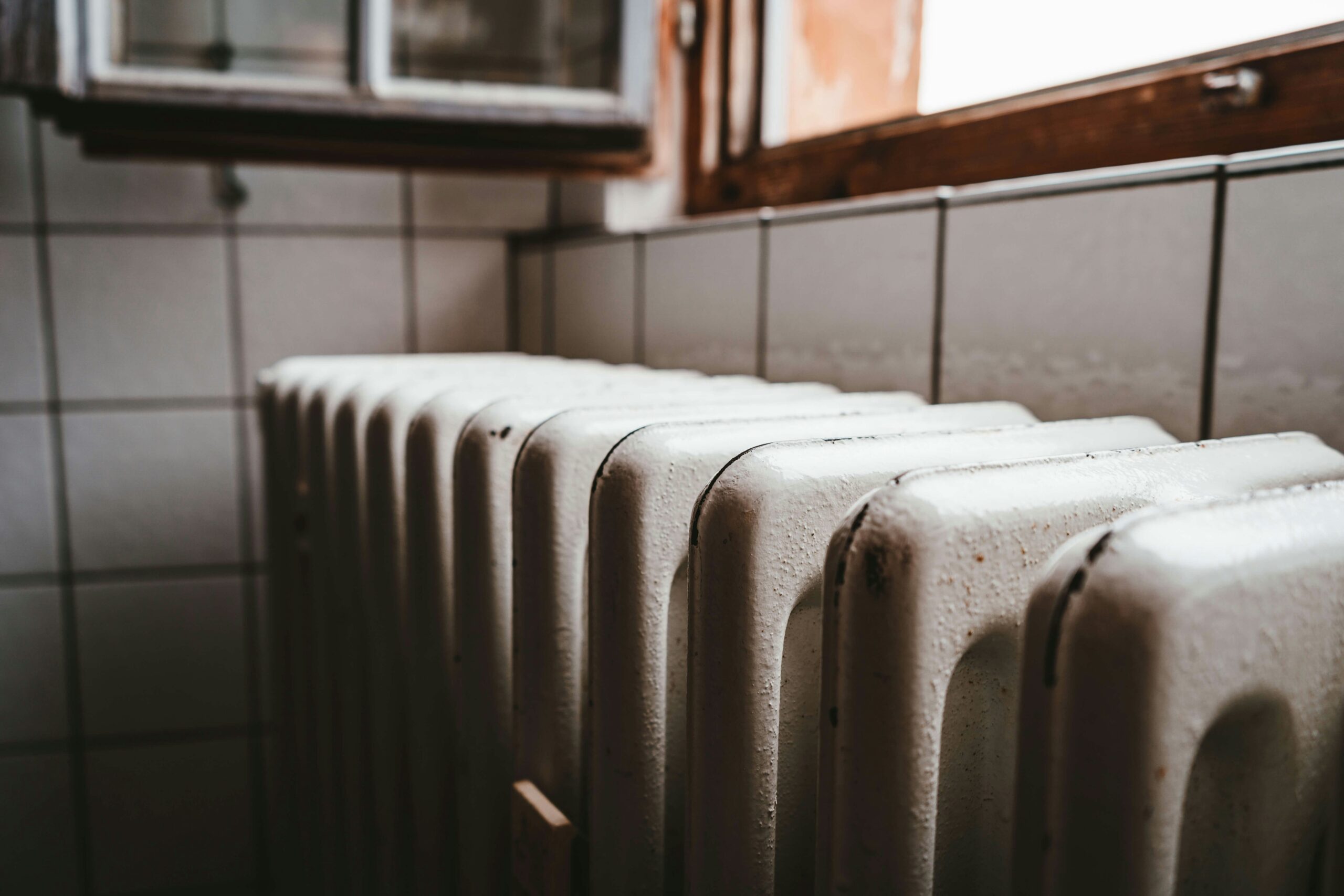
Old houses often feel colder than expected
Old French houses are beautiful, but their winter reality can be very different from summer visits.
Traditional homes may have:
- thick stone walls;
- single-glazed or older windows;
- drafty doors;
- poor roof insulation;
- cold floors;
- damp storage areas;
- rooms that were never designed for modern comfort.
Some retirees discover that the living room feels acceptable while bedrooms, hallways and bathrooms stay cold all winter.
Humidity can feel worse than cold
Winter discomfort in France is often not just temperature. Damp air can make a home feel colder than the thermometer suggests.
This matters especially in:
- older stone homes;
- poorly ventilated apartments;
- coastal or rainy regions;
- properties left empty for long periods;
- rooms with limited heating.
Retirees may find condensation on windows, damp walls, musty smells or cold bedding even when the heating is running.
DPE ratings should not be ignored
The DPE energy rating is one of the most important documents to review before buying or renting in France.
Retirees sometimes focus on the view, village, garden or purchase price and treat energy ratings as a small detail.
That can be expensive.
- A poor rating usually means higher winter bills.
- It may signal weak insulation.
- It may indicate future renovation needs.
- It can affect comfort and resale value.
- It can make a cheap property expensive to live in.
Oil, wood and pellet heating can work well, but require planning
Some French homes use oil boilers, wood burners or pellet stoves.
These systems can be effective, especially in older homes, but retirees need to understand the practical side.
- Oil tanks need refilling and price changes can be painful.
- Wood requires storage, lifting and regular handling.
- Pellet stoves need supplies and maintenance.
- Chimneys may need sweeping or inspection.
- Breakdowns can be stressful in rural areas during winter.
Large homes become harder to heat later in retirement
A large rural house can feel like a dream during early retirement.
Later, the same home may feel oversized, expensive and physically demanding.
Common problems include:
- unused rooms that still need basic heating;
- large staircases and cold corridors;
- multiple heating zones;
- maintenance in winter weather;
- higher electricity or fuel bills;
- more cleaning and humidity control.

Modern smaller homes are often easier long term
Many retirees eventually prioritise comfort over romance.
A smaller modern apartment or townhouse may offer:
- lower heating costs;
- better insulation;
- less maintenance;
- fewer damp rooms;
- easier cleaning;
- better access to shops and healthcare;
- less dependence on driving.
What to check before renting or buying
- Ask for real winter energy bills, not estimates.
- Check the DPE energy rating carefully.
- Look at windows, roof insulation and wall condition.
- Ask what heating system serves each room.
- Check whether bathrooms and bedrooms are warm enough.
- Look for signs of condensation or mold.
- Ask how fuel deliveries or servicing work.
- Consider whether the system will still be easy to manage in ten years.
Final thoughts
Winter heating in France is not something retirees should treat as a small detail.
It affects comfort, monthly costs, health, maintenance and whether a property remains practical later in retirement.
France can be a wonderful country to retire in, but older houses need honest evaluation.
Before falling in love with a home, retirees should understand how it behaves in winter: how it heats, how it holds warmth, how damp it gets and how much it costs to keep comfortable.
Continue planning housing and costs in France
Winter comfort connects directly with buying decisions, retirement costs, utilities, health and long-term aging abroad.