French Grocery Stores and Supermarkets Explained
Grocery shopping in France is not just about where food is cheapest. It affects your weekly rhythm, transport needs, cooking habits, budget, social contact, market routines and whether daily life feels easy or inconvenient after moving abroad.
French supermarkets, markets, bakeries, butchers and small food shops can make daily life feel rich and local. They can also frustrate newcomers who expect late opening hours, one-stop shopping, identical products, easy parking, Sunday access and the same shopping habits they had before moving. This guide explains how food shopping works in practice and how to build a realistic routine around it.
Food shopping in France is a system, not one store
Many people arrive expecting to use one large supermarket for everything. That is possible, especially in suburbs and larger towns, but French daily shopping often works better as a mix: supermarket for basics, bakery for bread, market for produce, pharmacy for some health-related items, butcher or fishmonger when quality matters, and small local shops for convenience.
This can be one of the pleasures of living in France, but it also requires planning. If you live in a walkable town, the routine can become enjoyable. If you live in a rural house without nearby shops, the same system can become car-dependent, time-consuming and expensive.
Best for pantry basics, household goods, dairy, frozen items and larger weekly shops.
Useful for fresh produce, cheese, meat, fish and social contact, but usually limited to certain days.
Often part of daily life, but hours and closing days matter more than newcomers expect.
Convenient and personal, but not always cheap or open when you need them.
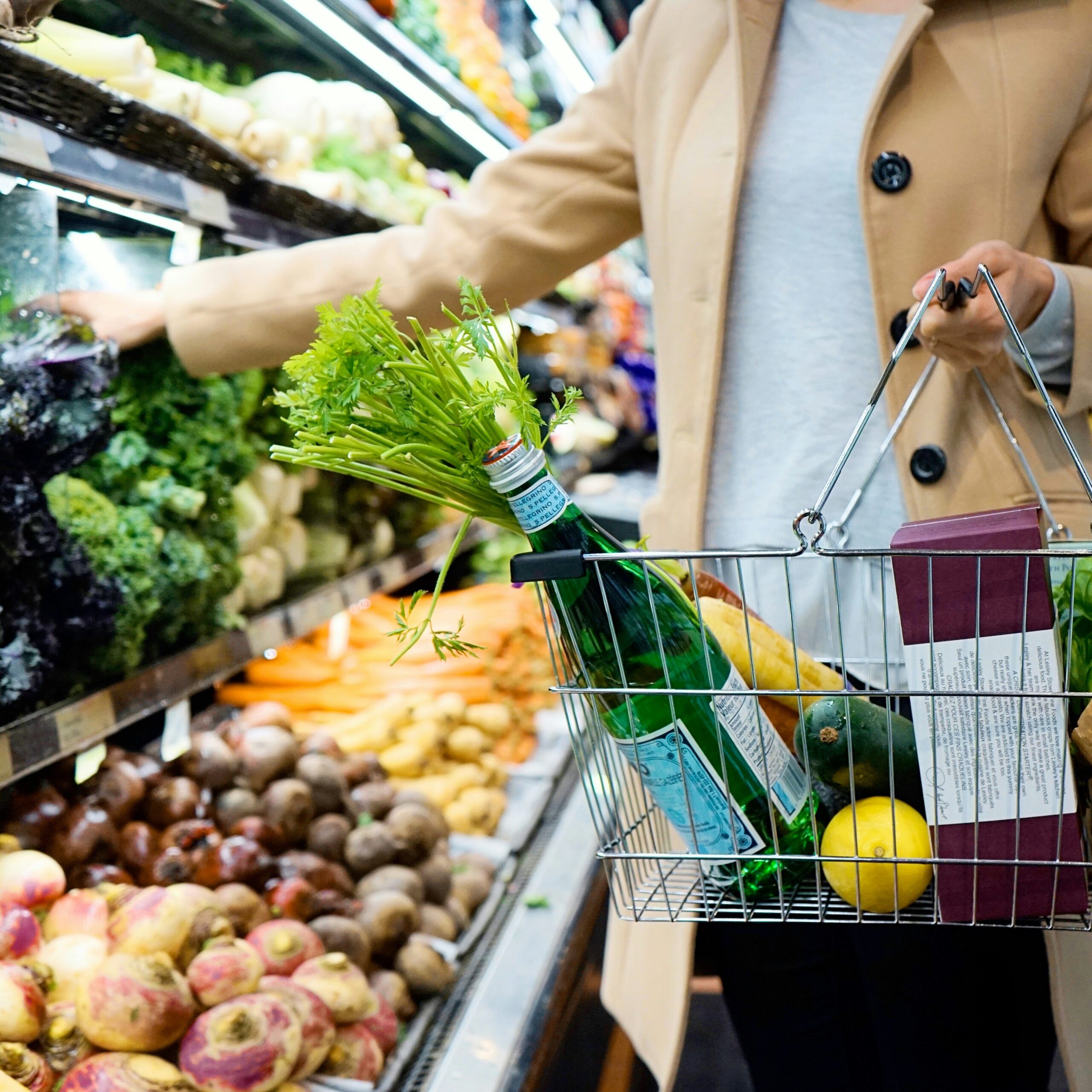
The main types of grocery stores in France
France has several layers of food shopping. The biggest stores are usually outside town centres, while smaller supermarkets and convenience shops may be easier to reach on foot. Markets and specialist shops can be excellent, but they do not always replace a supermarket for household basics.
| Store type | Best for | Watch out for |
|---|---|---|
| Hypermarket | Large weekly shops, household goods, bulk purchases, parking and wider choice. | Usually outside town; car dependence can become part of daily life. |
| Supermarket | Regular groceries, fresh food, dairy, meat, household basics and predictable pricing. | Choice and quality vary by neighbourhood and store size. |
| Small urban supermarket | Walkable daily shopping, quick top-ups and people living without a car. | Often higher prices and smaller selection. |
| Discount store | Budget shopping, basics, canned goods, dairy and some fresh produce. | Product choice can be narrower and less consistent. |
| Market | Fresh produce, local food, social routine and quality shopping. | Limited days, cash habits, weather and seasonal variation. |
| Specialist shop | Bread, meat, cheese, fish, wine, pastries and higher-quality items. | Can become expensive if used like holiday shopping every day. |
Prices: France is not automatically cheap
Food in France can be good value if you cook at home, buy seasonal produce, use supermarkets intelligently and avoid turning every shopping trip into a gourmet experience. But France is not automatically cheap. Imported products, branded goods, convenience food, speciality items, prepared meals, alcohol, meat, cheese and small urban shops can push the weekly bill higher than expected.
Newcomers often underestimate the difference between “living like a resident” and “shopping like a visitor”. A basket full of market cheese, wine, pastries, charcuterie and café lunches feels wonderful for a few weeks. As a permanent habit, it needs to be in the budget.
For wider budgeting, read Cost of Retiring in France and Daily Life in France After Moving Abroad.
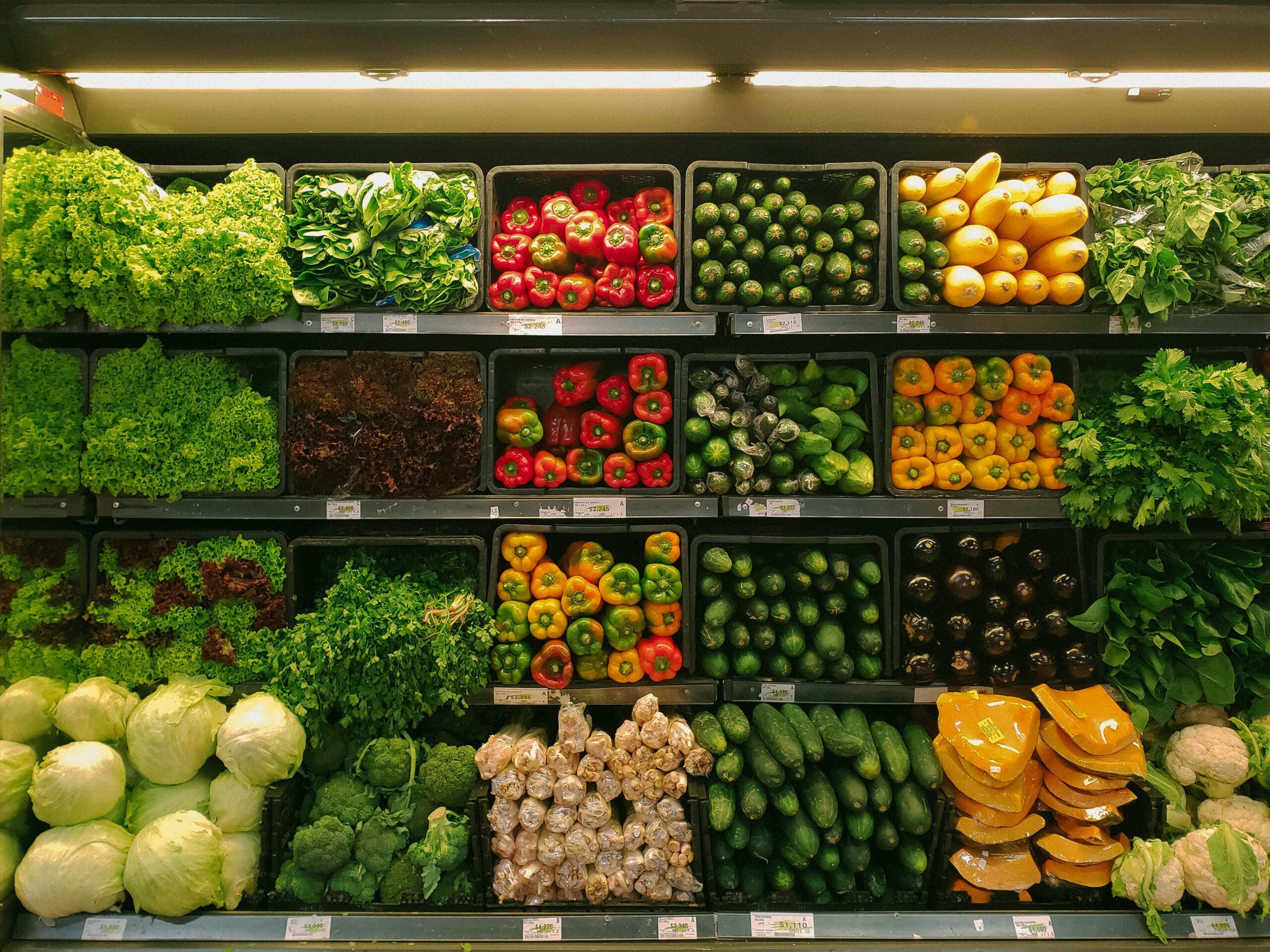
Markets are useful, but not always cheaper
French markets can be one of the best parts of daily life. They give structure to the week, create social contact and often offer good produce. But markets are not automatically cheaper than supermarkets. Some stalls are excellent value. Others are quality-focused, tourist-facing or priced for convenience and atmosphere.
The best approach is to learn your local market slowly. Watch where residents shop, compare prices, learn which stalls are seasonal, and do not feel obliged to buy everything from the market just because it feels more authentic.
Market day gives structure and a reason to be visible in town.
Seasonal fruit and vegetables can be excellent, especially if you cook.
Compare prices before assuming the market beats the supermarket.
Regular stalls can become part of local recognition and belonging.
Opening hours and Sunday shopping matter
Grocery access in France depends heavily on where you live. Large cities and tourist zones may have longer hours. Smaller towns may still have lunch closures, Sunday limits, local closing days and reduced holiday schedules. Even when a supermarket is open, the bakery, butcher, pharmacy or market may not be.
This affects daily comfort more than people expect. If you are used to shopping whenever you like, the first month in France may feel restrictive. Later, it becomes normal — but only if you plan around it.
Learn the local Sunday pattern. Know which bakery, supermarket or market is actually open.
Do not wait until holiday mornings. Public holidays can close shops, change market days and affect transport.
Keep basic supplies. Coffee, bread alternatives, medicine, pet food, batteries and easy meals should not run down to zero.
Check rural hours twice. Smaller shops can change hours seasonally or close unexpectedly.
Transport decides how easy food shopping feels
Grocery shopping is one of the clearest tests of whether a French location works in everyday life. A property can look affordable and peaceful, but if the nearest decent supermarket is a 25-minute drive away, food shopping becomes part of your transport system.
This matters even more over time. Bad weather, night driving, fuel prices, eyesight, mobility, parking and carrying heavy bags can all turn weekly shopping into a burden. A walkable town with a small supermarket, bakery, pharmacy and market may cost more in rent or property price but reduce daily friction.
For mobility planning, read Public Transportation in France for Retirees, Driving in France as a Retiree and Why Walkability Matters More Than Cheap Property in France.
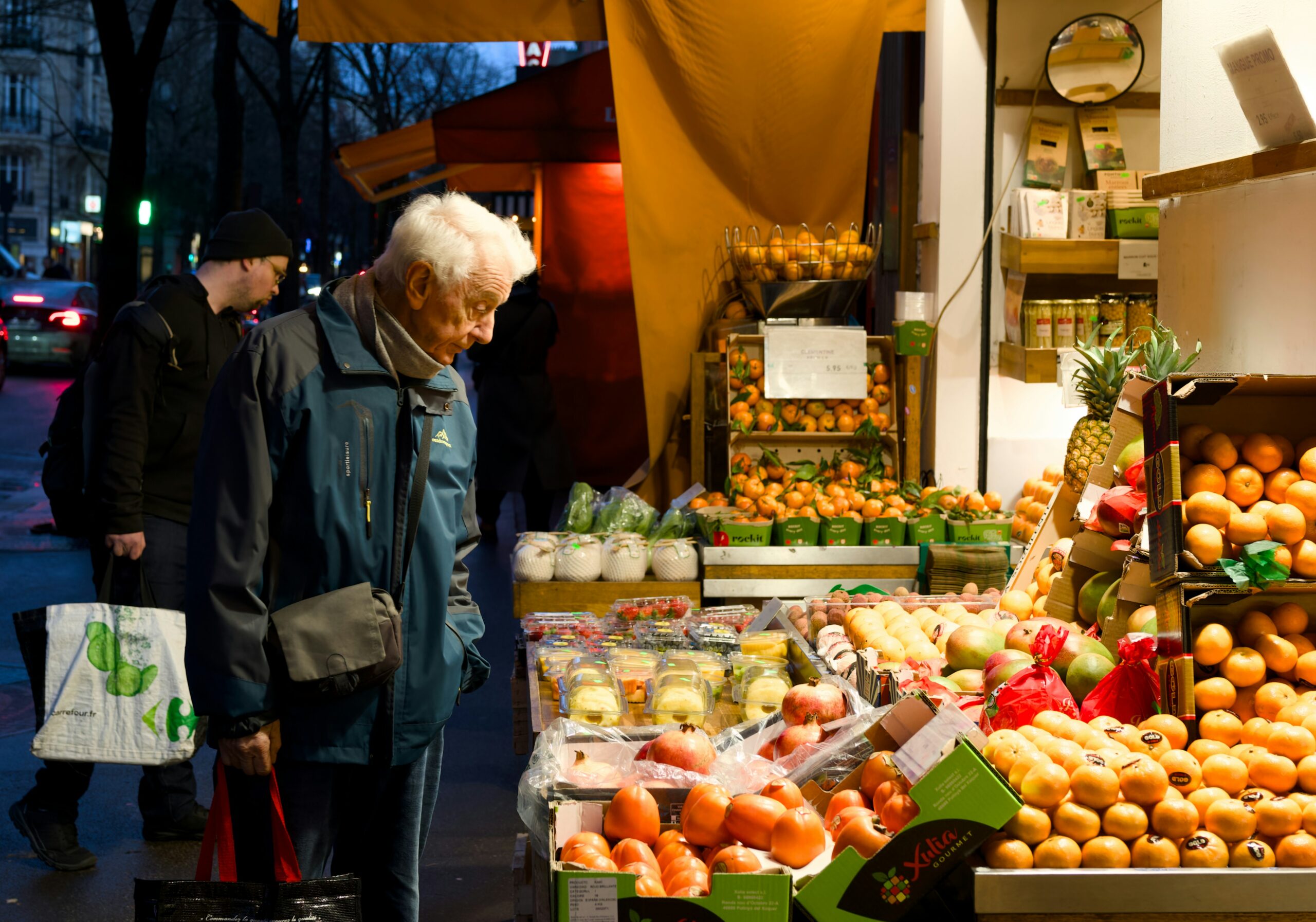
French brands, labels and product differences
The first supermarket trips can feel surprisingly tiring. Familiar products may have different names, packaging, sizes, ingredients or quality categories. Milk, flour, cream, cold cuts, cheese, cleaning products, medication-adjacent items and toiletries may not match what you used before.
This is normal. The first month is not the time to judge the whole food system. It takes a while to learn which supermarket has the best produce, which bakery suits you, which own-brand products are good, which labels matter and which imported favourites are not worth chasing.
Often good value once you learn which products are reliable.
Can be expensive; keep only the ones that genuinely matter.
Quality and price improve when you shop with the season.
Useful for allergies, sugar, salt, additives, origin and dietary needs.
Delivery, drive pickup and online grocery shopping
Grocery delivery and drive pickup can be useful in France, but availability depends heavily on where you live. Larger towns and suburbs may offer several options. Rural homes may have limited delivery, minimum order amounts, awkward time slots or no practical service at all.
Drive pickup can work well if you have a car and want to avoid long supermarket trips. Delivery can be useful after illness, during bad weather or when heavy items become difficult. But it should not be assumed before choosing a home.
Food shopping and healthcare needs
Grocery access is not only about food preferences. It affects health, independence and comfort. If you follow a medical diet, manage diabetes, need low-salt food, have mobility issues, rely on delivery or need regular pharmacy access, the local shopping system matters.
A home with a lovely view but poor access to groceries and pharmacies can become stressful. A less dramatic apartment near shops, pharmacy, doctor and transport may support daily life better over time.
For healthcare planning, read Healthcare in France for Retirees and Pharmacies in France for Retirees.
Small-town food shopping: pleasant but limited
Small towns can offer a very good food routine if they have a bakery, pharmacy, market, small supermarket and a few specialist shops. But the same town can feel limited if the market is small, the supermarket is expensive, the bakery closes two days a week and the larger shops require driving.
This is why you should test the weekly pattern before committing. Visit on market day, a normal weekday, a Sunday and during winter if possible. Ask yourself whether the routine still works when the weather is poor or when you do not want to drive.
For location planning, read What Makes a French Town Easy to Live In? and Best Walkable Places to Retire in France.
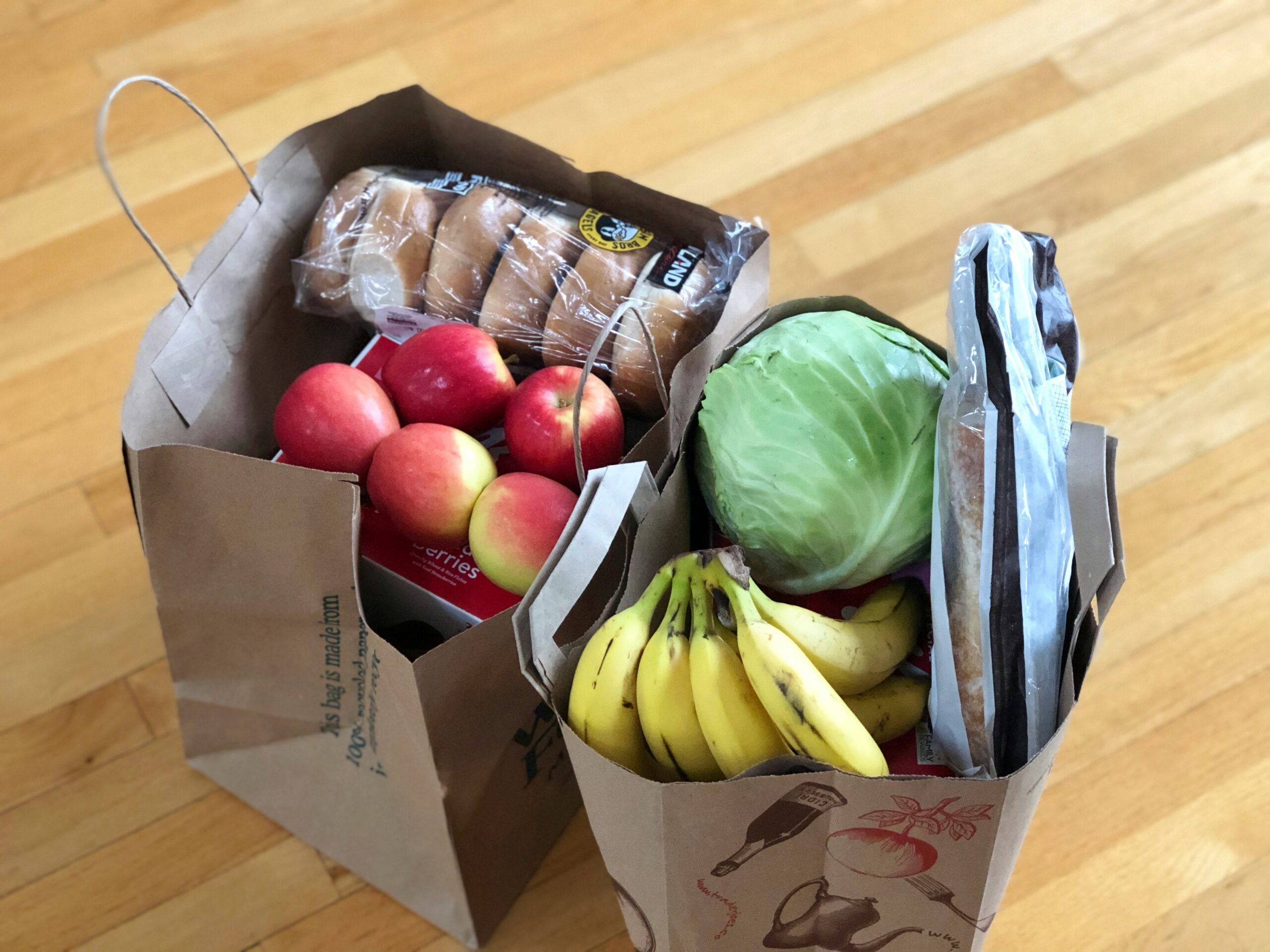
How to build a realistic French grocery routine
The best routine is usually simple: supermarket for basics, market for fresh produce, bakery for bread, one or two specialist shops you actually use, and a backup plan for Sundays and holidays. Overcomplicating food shopping can make life feel like work.
Choose a main supermarket. Learn its layout, loyalty system, parking, delivery or drive pickup options.
Use market day selectively. Buy what is good, seasonal and useful — not everything.
Keep a Sunday shelf. Have food for one or two simple meals when shops are closed.
Track real costs for a month. Include cafés, bakery visits, wine, snacks, delivery fees and household goods.
Do not chase every familiar product. Some imported items are not worth the cost or effort.
Plan heavy items. Water, cleaning products, pet food and bulk groceries matter if you walk or use buses.
Common mistakes newcomers make
- Shopping like a tourist for too long. Markets, wine, cheese and pastries are wonderful, but they still need a budget.
- Choosing housing without testing grocery access. Food shopping is one of the routines you repeat most often.
- Assuming markets are always cheaper. Some are excellent value; others are quality or tourist-focused.
- Ignoring opening hours. Sundays, holidays, lunch closures and local closing days affect real life.
- Depending on one distant hypermarket. This can become tiring without a car or when driving becomes less appealing.
- Not checking delivery availability. Online groceries are not equally practical everywhere.
- Buying too much fresh food at once. French shopping often works better with smaller, repeated purchases.
- Underestimating household goods. Cleaning products, toiletries, pet food and pharmacy-adjacent items add to the grocery budget.
How groceries connect to the wider move
Food shopping connects to almost every practical decision: housing, walkability, transport, cost of living, language, healthcare and social life. The grocery routine is one of the best ways to test whether a place supports real daily living.
A town with a supermarket, pharmacy, market, bakery, bus route and café gives you more daily resilience than a cheaper remote property where every errand needs planning. This does not mean remote living is wrong. It means the savings must be weighed against the friction.
For broader planning, read Moving to France – Step-by-Step Guide, Daily Life in France After Moving Abroad and Cost of Retiring in France.
Judge the food system by your ordinary week
French food shopping can be one of the pleasures of living in France, but only when the routine fits your location, budget, transport and health. Test the weekly pattern before the property decision becomes permanent.