The retirement dream often changes over time
A large countryside house may feel perfect during active early retirement years.
Later, priorities often change:
- healthcare becomes more important;
- driving becomes tiring;
- maintenance becomes stressful;
- stairs become harder;
- winter comfort matters more;
- social isolation feels heavier.
This is why many retirees who originally planned for rural houses eventually move into smaller homes or apartments.
Houses offer space and privacy, but also responsibility
Detached houses remain very attractive for many retirees in France.
Advantages may include:
- more space;
- gardens;
- privacy;
- guest rooms;
- traditional village atmosphere;
- room for hobbies and storage.
But houses also create:
- higher maintenance;
- roof responsibility;
- garden upkeep;
- larger heating costs;
- more cleaning;
- greater winter workload.
Apartments often become easier later in retirement
Apartments may not match the original retirement fantasy, but they solve many long-term practical problems.
Advantages often include:
- lower maintenance;
- better insulation;
- smaller heating bills;
- less humidity;
- walkable locations;
- closer healthcare access;
- less dependence on driving.
This becomes especially important for retirees living alone later in life.
Winter comfort is often better in smaller homes
Heating large rural homes in France can become surprisingly expensive.
Smaller apartments often benefit from:
- shared walls;
- modern insulation;
- smaller spaces to heat;
- better energy ratings;
- more predictable winter costs.
Walkability becomes more valuable over time
Many retirees underestimate how important walkability becomes later in retirement.
Living near:
- shops;
- cafés;
- markets;
- pharmacies;
- public transportation;
- healthcare;
- social activity;
can dramatically improve long-term quality of life.
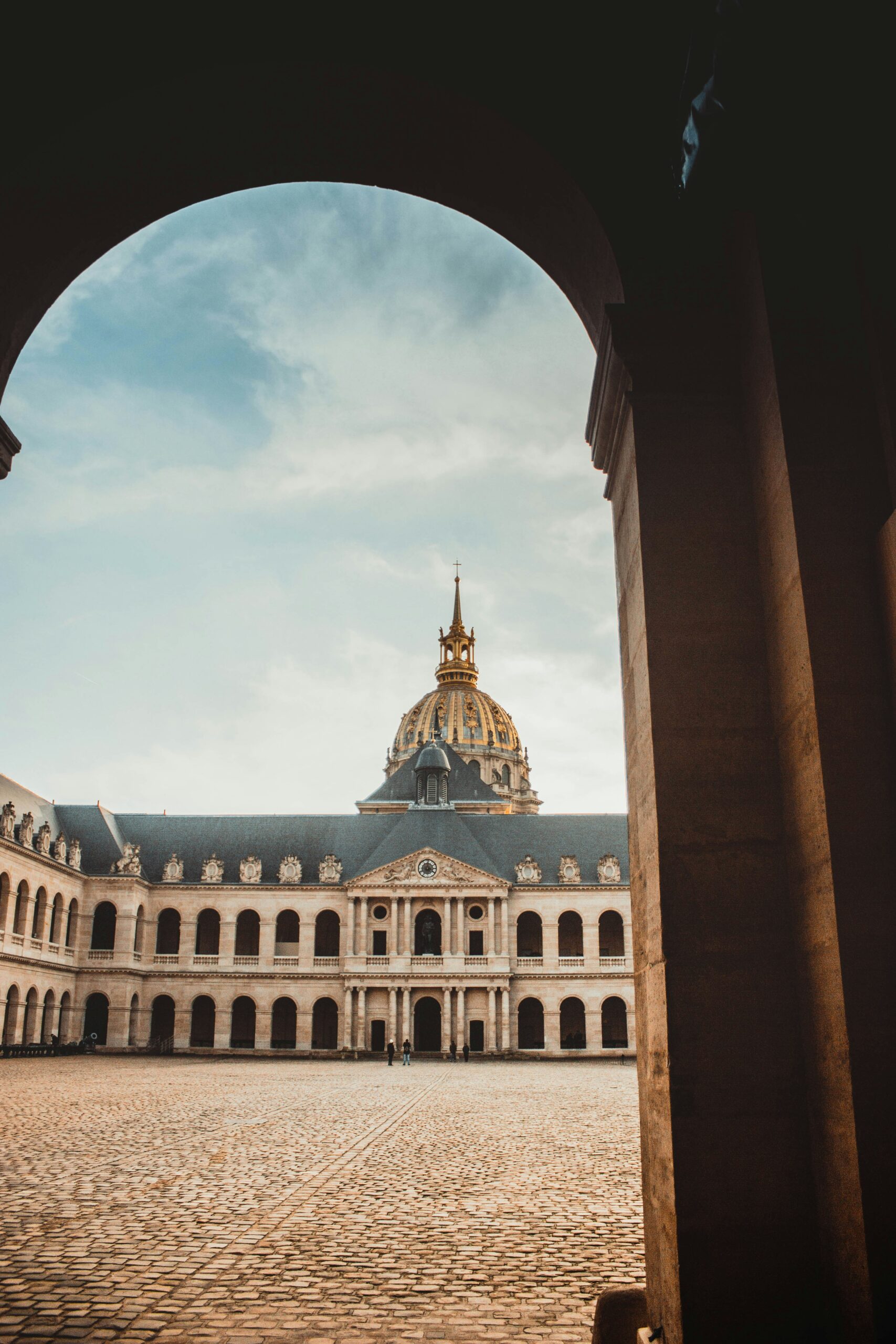
Some retirees who originally loved isolation later feel trapped by constant driving dependency.
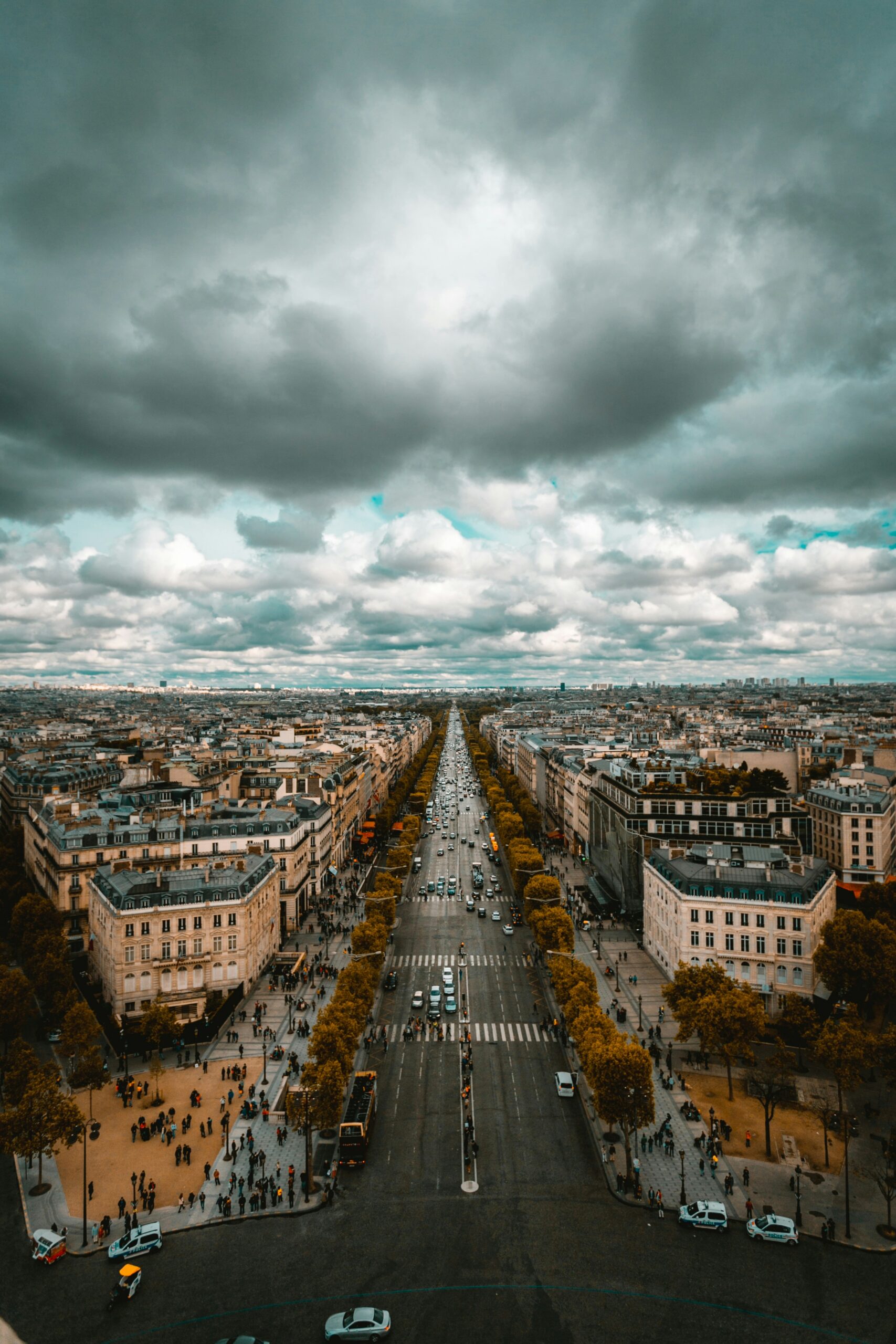
Houses can become difficult after health changes
A retirement property should not only work during healthy active years.
Retirees should realistically think about:
- stairs;
- bathroom access;
- garden maintenance;
- winter mobility;
- distance to doctors;
- emergency access;
- widowhood or living alone later.
Apartment living also has disadvantages
Apartments are not perfect for everyone.
Potential disadvantages include:
- less privacy;
- shared buildings;
- HOA or co-ownership fees;
- noise from neighbours;
- smaller storage space;
- less outdoor space.
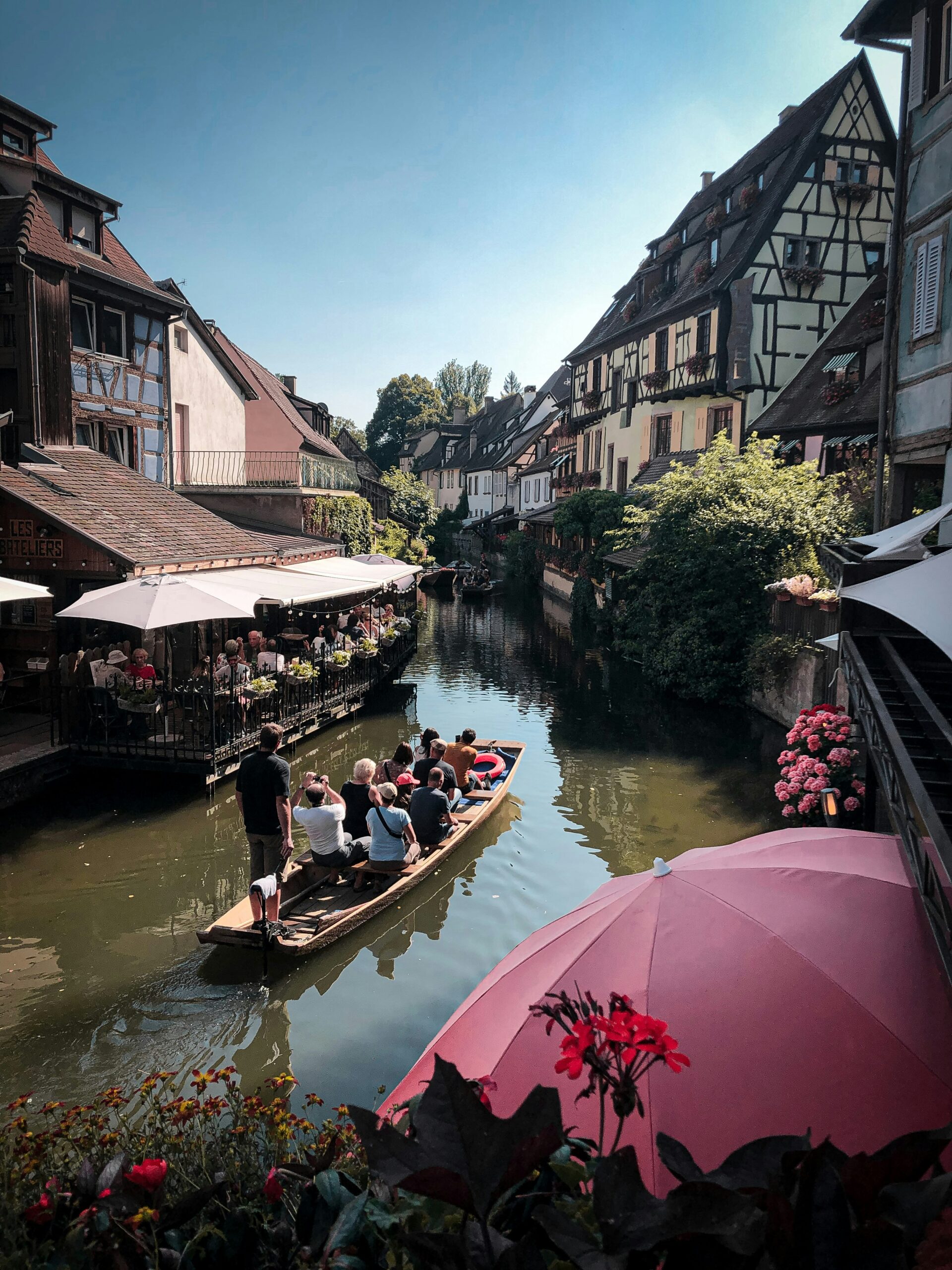
The best choice depends heavily on personality, health, budget and long-term plans.
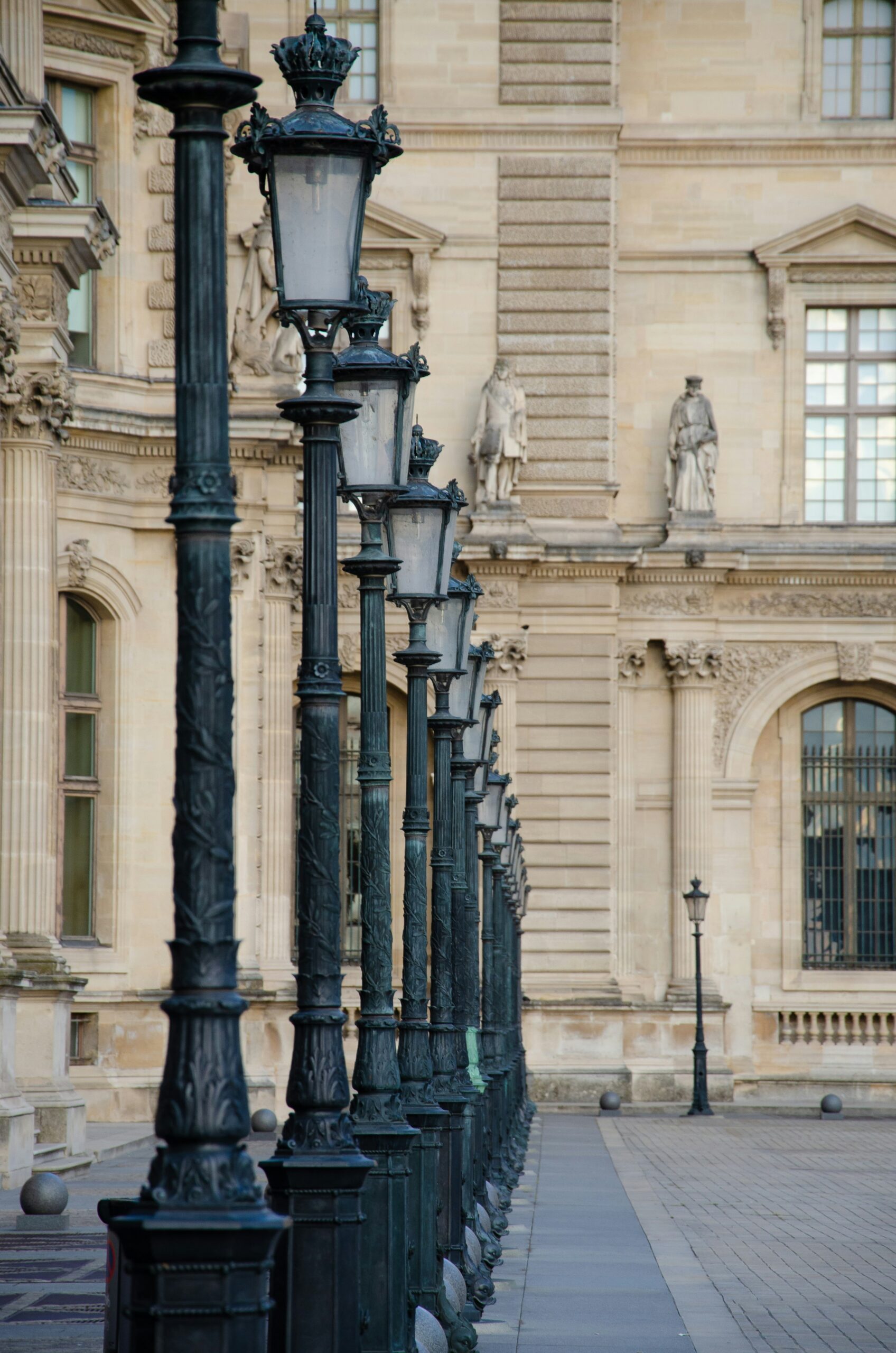
Many retirees eventually downsize
Downsizing later in retirement is extremely common in France.
Some retirees move:
- from rural houses into towns;
- from houses into apartments;
- closer to healthcare;
- closer to transportation;
- closer to social life.
Questions retirees should ask before choosing
- Will this home still work if mobility changes?
- How expensive will heating become?
- Can daily life function without constant driving?
- How difficult is maintenance?
- How isolated will winters feel?
- How close are healthcare services?
- Would this property still feel manageable alone?
Final thoughts
There is no universally correct answer between apartments and houses in France.
Some retirees remain happiest in countryside homes with gardens and space.
Others eventually realise that smaller walkable homes reduce stress, costs and isolation dramatically.
The smartest decisions usually come from thinking long term: heating, healthcare, aging, maintenance, transportation and everyday comfort.
France can work beautifully for both lifestyles — as long as retirees choose realistically rather than emotionally.
Continue planning retirement housing in France
Housing choices connect directly with winter comfort, healthcare access, transportation, maintenance and long-term retirement practicality.