Why Some Retirees Leave France After a Few Years
France can offer an excellent retirement lifestyle, but not every move works long term. In many cases, people leave not because France is wrong for retirement, but because the location, expectations or daily setup were wrong from the beginning.
Most people who leave France after a few years are not “failing.” They often made reasonable choices with incomplete information. The dream was real, but the daily logistics, housing, paperwork, social life or healthcare access did not match the life they wanted.
France remains one of Europe’s most appealing countries for retirement. It offers regional variety, strong food culture, healthcare infrastructure, good rail connections, beautiful towns and a slower rhythm of life in many areas.
But some retirees still leave after a few years. Usually the reason is not one dramatic event. It is a slow build-up of friction: paperwork, car dependence, isolation, property maintenance, language fatigue, healthcare logistics or the realization that the chosen area works better for holidays than everyday life.
In many cases, retirees do not leave because France itself failed them. They leave because they built the move around a romantic vision instead of a realistic daily system.
1. They Chose a Holiday Place, Not a Daily-Life Place
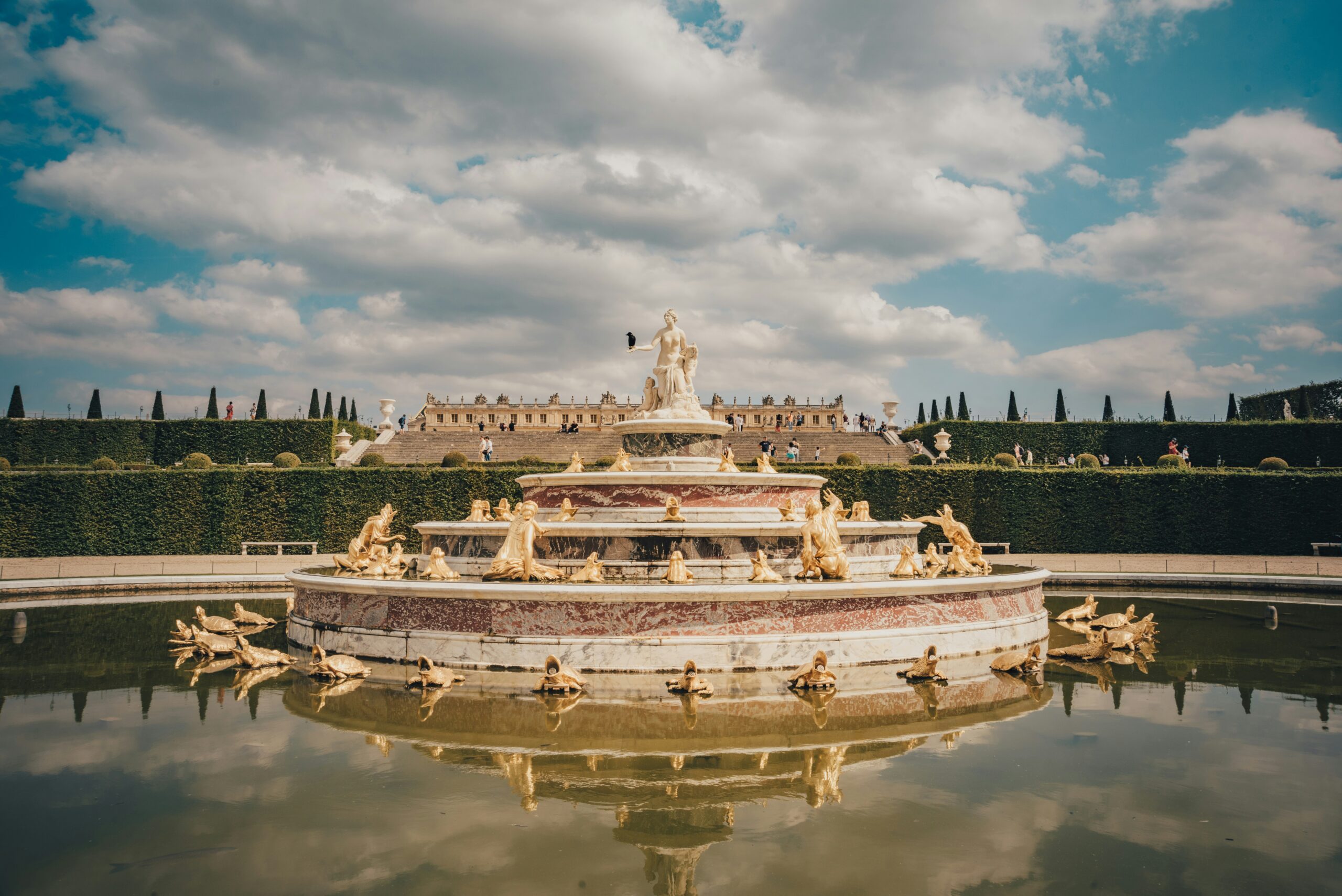
One of the most common reasons people leave is that the location looked perfect during visits but became difficult as a full-time base.
During the buying process, it is easy to be drawn to:
- stone houses in quiet villages
- large gardens
- mountain or countryside views
- lower property prices
- privacy and silence
- the feeling of escaping a busier life
But full-time life asks different questions:
- Where do you buy food in February?
- How far is the nearest pharmacy?
- Can you reach a doctor without a long drive?
- Is there a real social rhythm nearby?
- Does the village feel alive outside summer?
Many retirees only discover after arrival that the dream property depends entirely on driving, has weak winter infrastructure or feels socially empty outside tourist season.
2. Property Maintenance Became Too Much
French property can be wonderful, but older houses often require more time, energy and money than buyers expect.
Common pressure points include:
- roof repairs
- stone wall humidity
- old electrical systems
- septic tanks
- heating systems
- garden maintenance
- difficulty finding reliable tradespeople
Some retirees buy a house that feels romantic, then discover they have also bought a permanent maintenance project. This can be especially frustrating if the original goal was a simpler life.
Large gardens, detached rural homes and old stone properties can gradually turn retirement into a management project instead of a relaxed lifestyle.
3. Bureaucracy Felt Heavier Than Expected
French bureaucracy is manageable, but it can feel slow and repetitive if you expect everything to work like it does at home.
New arrivals may need to deal with:
- healthcare registration
- Carte Vitale paperwork
- tax declarations
- bank account processes
- insurance documents
- utility contracts
- appointments and official letters in French
The people who adapt best usually treat administration as part of the system, not as a personal insult. The people who struggle often feel worn down because every small task seems to require another document, appointment or online portal.
4. Healthcare Access Was Good on Paper, Hard in Practice
France has a strong healthcare system, but access can still vary by region and by local availability.
Some retirees are surprised by:
- difficulty finding a regular doctor in some areas
- longer travel for specialists
- paperwork during the registration phase
- language barriers during appointments
- limited healthcare access in rural areas
Healthcare is not only about national quality. For relocation planning, it is also about the distance from your home, the transport options, the local availability of doctors and whether you can realistically manage appointments without stress.
Some retirees only discover later that their “peaceful” location creates long drives for pharmacies, dentists, blood tests or specialist appointments.
5. Social Life Was Harder Than Expected
France can be very rewarding socially, but integration usually takes effort and time. It rarely happens automatically.
Retirees are more likely to struggle socially when they:
- live far from town centers
- choose a very seasonal area
- depend entirely on English-speaking circles
- do not build local routines
- underestimate the importance of basic French
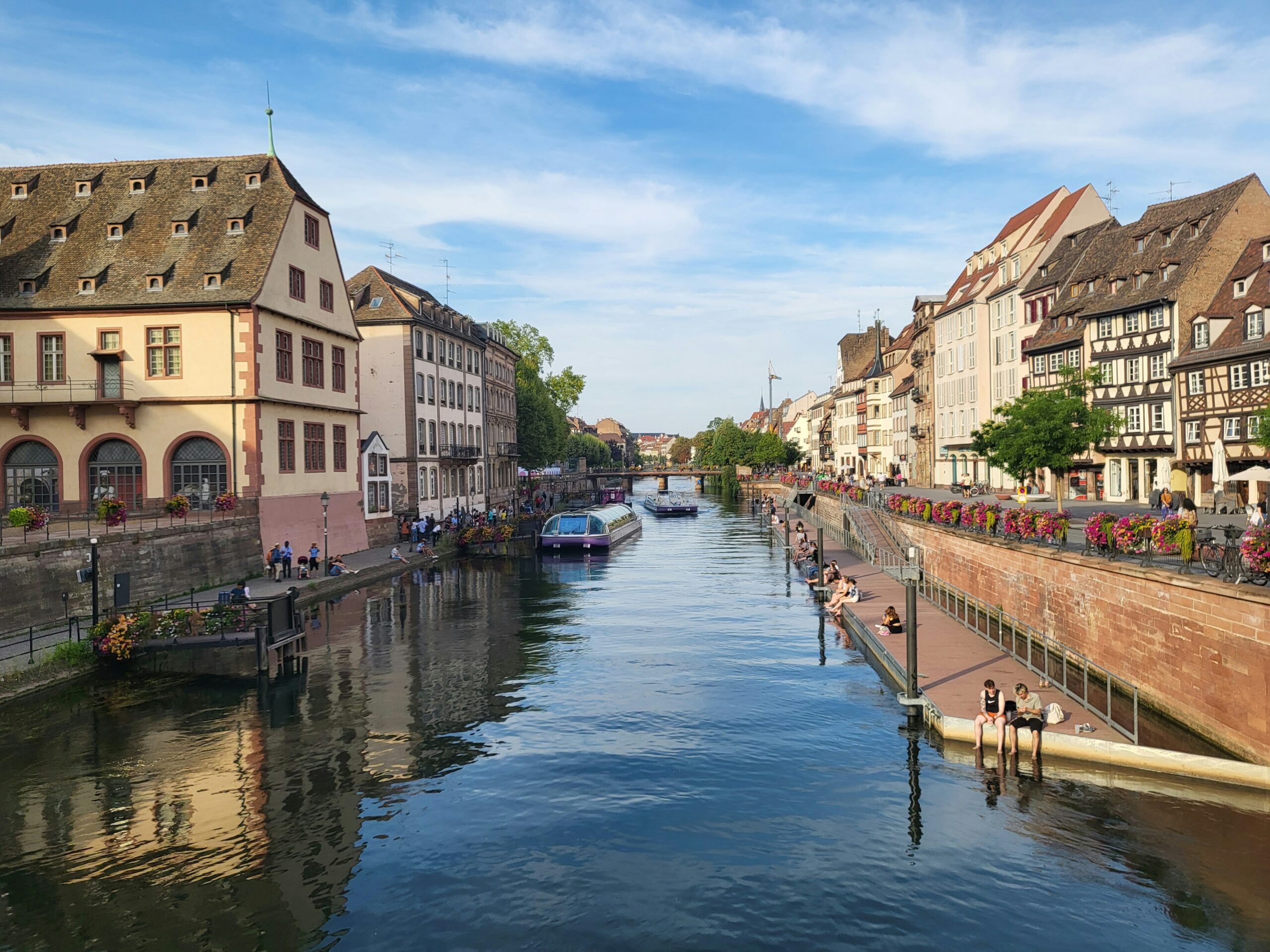
Social life in France often develops slowly through repeated contact: the same café, the same bakery, the same market, the same walking route, the same local association. If the location makes those routines difficult, isolation can appear even in a beautiful place.
People who settle best often choose places where ordinary daily interaction happens naturally instead of depending on organised expat circles alone.
6. They Underestimated Car Dependence
Some people leave because daily life becomes too dependent on driving. This is especially common in rural areas or smaller villages with weak transport.
Car dependence can affect:
- grocery shopping
- medical appointments
- social life
- train station access
- administrative errands
- evening activities
At first, driving everywhere may feel normal. Over time, it can become tiring, expensive or limiting. Many people who stay happiest in France choose places where daily life does not collapse if they do not feel like driving.
7. Expectations Were Too Romantic
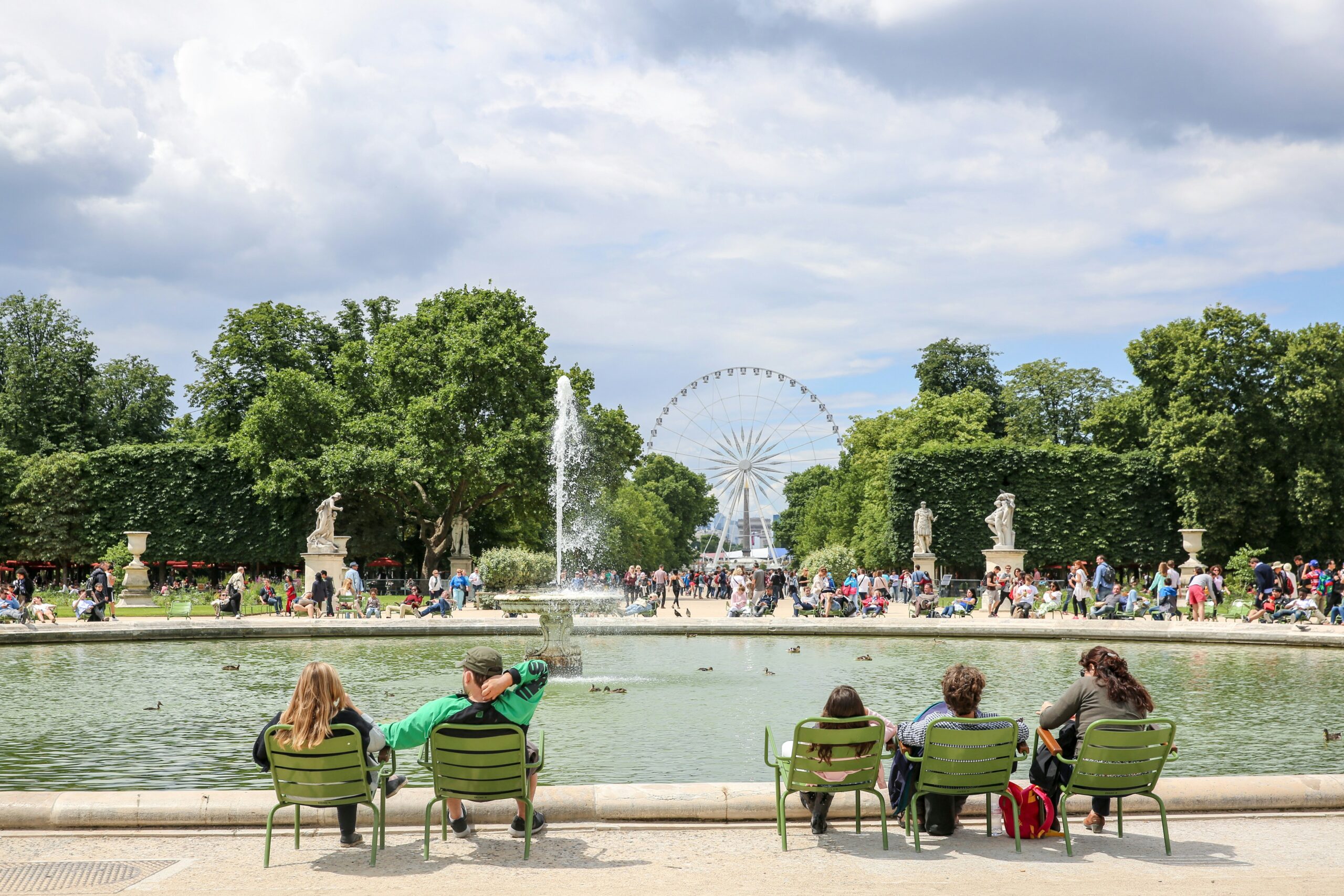
Some retirees arrive with a version of France shaped by holidays, films, books or property shows. The real France is more interesting than that, but also more ordinary.
Real life includes:
- paperwork
- weather changes
- closed shops at inconvenient times
- repairs and bills
- language misunderstandings
- quiet winter months
- relationships that take time to build
The retirees who enjoy France most are often the ones who appreciate the ordinary version of the country, not only the postcard version.
France becomes much easier when expectations shift from “perfect lifestyle fantasy” toward “stable, practical and enjoyable daily living.”
What Successful Retirees Usually Do Differently
People who settle well in France often make calmer, more practical decisions.
They usually prioritize:
- daily convenience
- walkable services
- healthcare access
- manageable housing
- transport options
- realistic budgets
- basic French language progress
- local routines rather than fantasy living
They also tend to rent first, visit outside peak season and test how life feels on ordinary days rather than only during beautiful holiday weeks.
Final Thoughts
Some retirees leave France after a few years, but that does not mean France is a poor retirement choice. It usually means the original plan did not match the reality of daily life.
France works best when the move is planned around:
- realistic location choice
- daily routines
- healthcare access
- transport
- housing maintenance
- bureaucracy
- social life
The strongest retirement plans do not remove the dream. They protect it by making sure the practical foundation is strong enough for real life.