Loneliness, Isolation and Starting Over in France
Moving to France can be exciting, beautiful and meaningful. It can also be lonely in ways people do not expect: fewer casual conversations, no old routines, language fatigue, missing family, slow friendships, winter quiet and the strange feeling of having to rebuild ordinary life from scratch.
Loneliness after moving to France is not a failure of planning or character. It is a practical relocation issue. Work routines disappear, family is far away, old friends are in another time zone, local people already have their circles, and even simple tasks can feel harder in another language. The solution is rarely one dramatic social breakthrough. It is usually a set of small systems that make daily life feel connected again.
Why loneliness often appears after the move, not before
Before moving, there is structure: research, paperwork, packing, selling, buying, visas, bank accounts, healthcare setup and travel plans. During the first weeks in France, there is also momentum. You are solving practical problems, exploring the area and dealing with the emotional rush of arrival.
Loneliness often arrives later. The boxes are unpacked. The first cafés and markets are familiar. The urgent admin has slowed down. Then ordinary weeks begin, and the missing pieces become clearer: no automatic invitations, no casual work chat, no family dropping by, no old neighbours, no shared history and no easy way to explain yourself.
Work, family, errands and old friendships used to create structure without effort.
Even simple interactions can feel tiring when every call and letter requires effort.
Local people may be polite but already socially settled.
Short days, closures and fewer events can make isolation more visible.

The difference between solitude and isolation
Many people move to France because they want a calmer life. Solitude can be healthy: quiet mornings, walks, reading, cooking, gardening, cafés and time away from pressure. Isolation is different. Isolation is when the quiet stops feeling chosen.
The warning sign is not spending time alone. The warning sign is losing options: avoiding phone calls, not leaving the house, skipping appointments, eating poorly, sleeping badly, depending entirely on a partner, or feeling that every task outside the home is too difficult.
| Solitude | Isolation | Practical response |
|---|---|---|
| You enjoy quiet time and still go out regularly. | You stay home because going out feels too hard. | Create one simple weekly outside routine. |
| You choose time alone after social contact. | You avoid contact because language or anxiety feels overwhelming. | Use small repeated interactions instead of big social events. |
| You have backup people to call. | You are unsure who would notice if something went wrong. | Build local contact points: pharmacy, café, neighbour, association. |
| Your routine supports health and confidence. | Your routine shrinks each month. | Review housing, transport, healthcare and social access together. |
Location can quietly create isolation
A remote house can look perfect during a viewing: land, silence, views, low price and privacy. But daily isolation often appears later when every pharmacy visit, café, market, class, doctor appointment and social event requires driving.
This matters at any age, but especially when life changes. A partner becomes ill. Night driving feels stressful. A car needs repair. Weather is bad. Local events are too far away. The village has no year-round social life. Suddenly the quiet home becomes a barrier.
Creates casual contact through errands, cafés, markets and pharmacies.
Can be peaceful, but makes every contact point more deliberate.
May feel lively in summer and lonely in winter.
Often offers more clubs, healthcare, transport and year-round routines.
For location planning, read What Makes a French Town Easy to Live In?, Best Walkable Places to Retire in France and Why Walkability Matters More Than Cheap Property in France.
Couples can become too dependent on each other
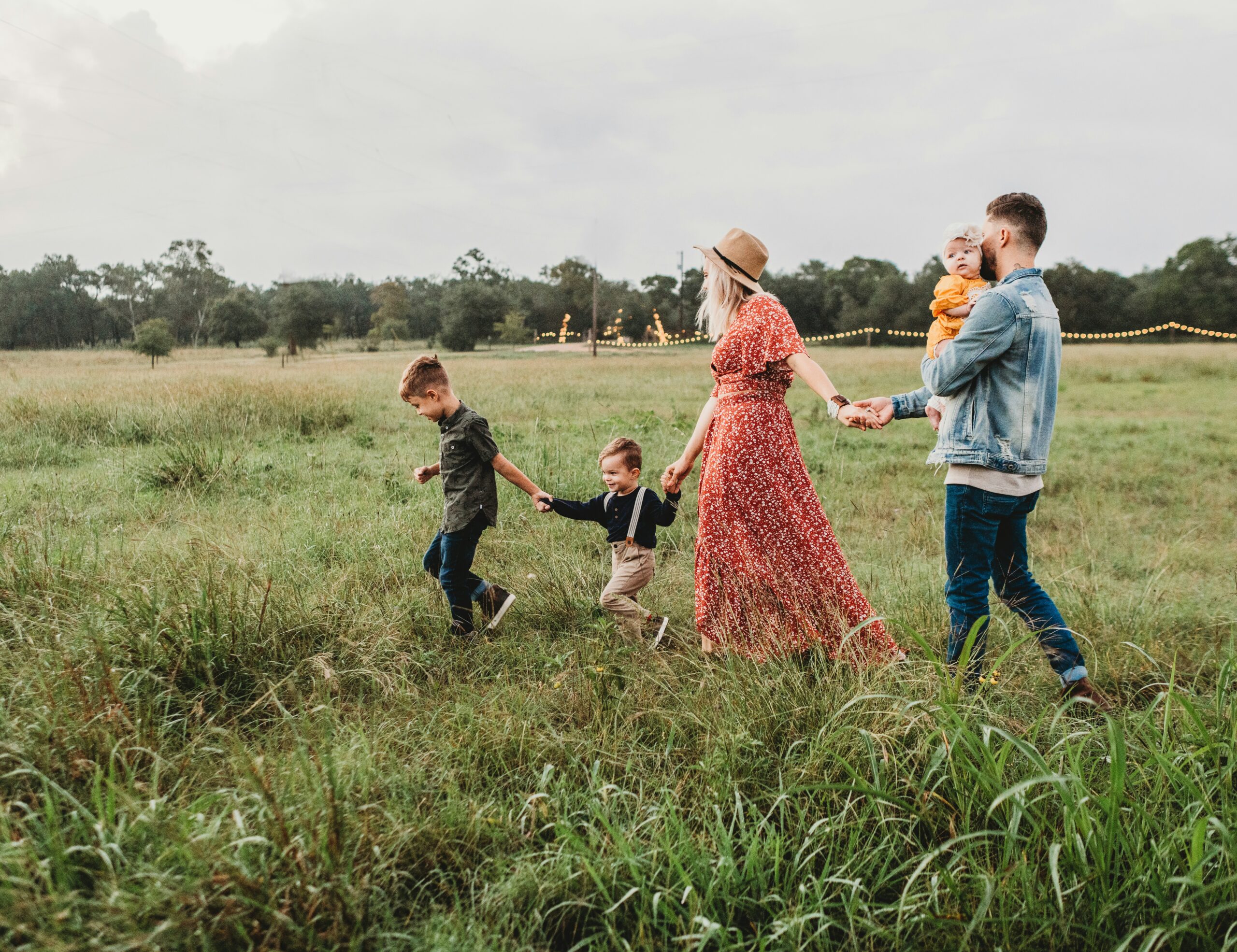
Moving as a couple can feel safer, but it can also create hidden risk. If one partner speaks better French, drives more confidently or handles paperwork, the other may become dependent without noticing. If one partner becomes ill, homesick or socially withdrawn, both people’s lives can shrink.
A good France plan should give both people independent routines. One person may join a walking group, another may take a language class. One may build a café routine, another may volunteer or use a local association. The goal is not separate lives. The goal is resilience.
Solo movers need systems, not just courage
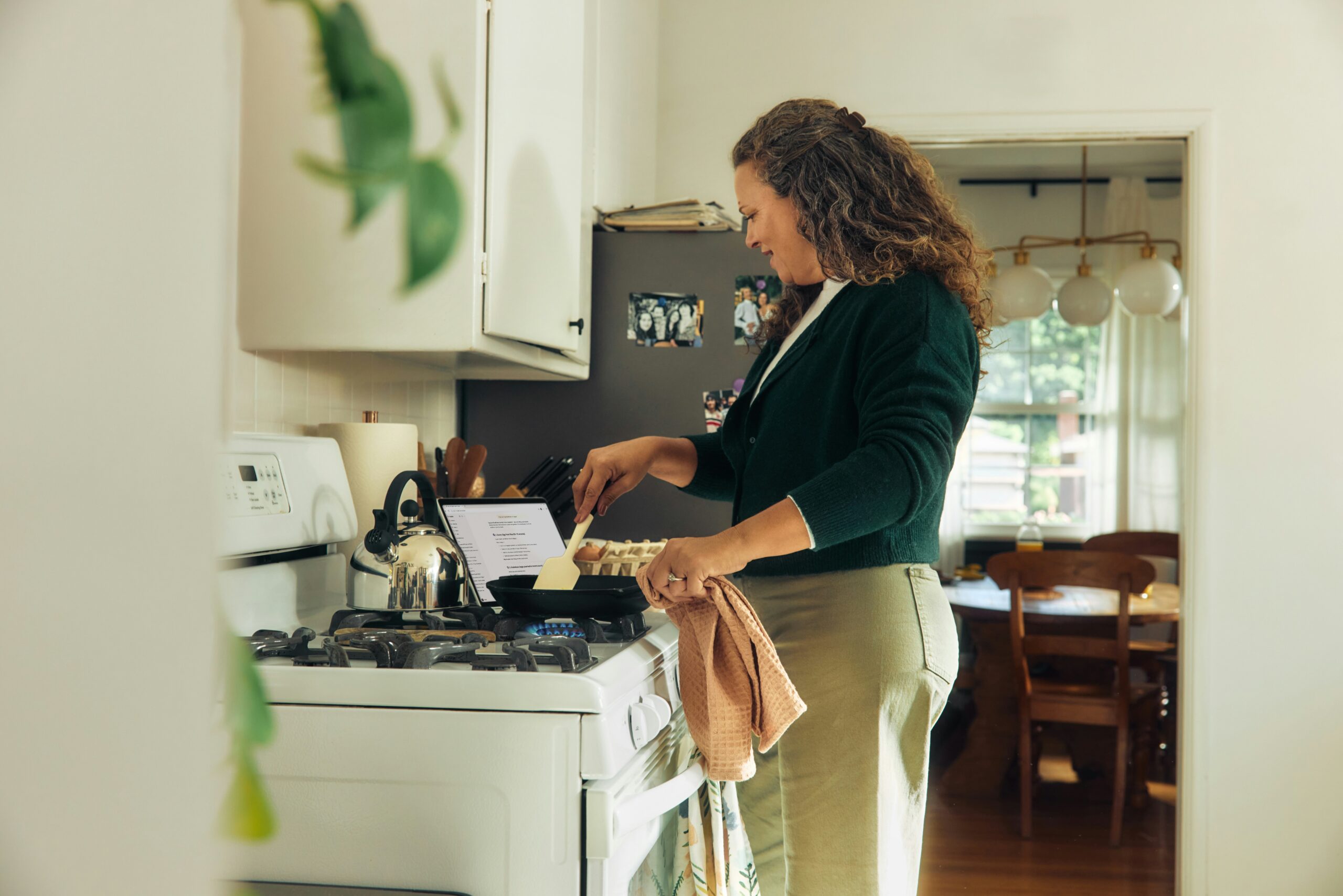
Moving to France alone can be deeply rewarding, but the practical system needs to be stronger. A solo mover needs reliable transport, a local pharmacy, a healthcare plan, emergency contacts, document organisation, regular social anchors and a backup person for situations that are hard to handle alone.
The hardest part is often not dramatic loneliness. It is the small daily load: carrying shopping, making phone calls, understanding letters, arranging repairs, being ill at home, and having no one nearby who already knows your normal routine.
Choose a visible routine. Café, class, market, association, library or walking route where people see you regularly.
Know your pharmacy. A helpful local pharmacy can become a key support point.
Keep emergency contacts written down. Do not rely only on your phone.
Build one local backup. A neighbour, association contact, landlord, friend or trusted service person.
Language barriers make isolation worse
Weak French does not prevent life in France, but it can make the world smaller. You avoid phone calls. You hesitate to join local groups. You skip events because you fear not understanding. You postpone appointments. You depend on English-speaking circles that may be far away or temporary.
The answer is not perfect French. The answer is practical French for the situations that protect independence: pharmacy, doctor, neighbour, bank, repair, appointment, transport, market and emergency vocabulary.
For language planning, read Learning French After Moving to France.

Cafés and markets are not superficial
A regular café, bakery or market routine may look small, but it can be social infrastructure. The person at the café notices you. The vendor recognises you. The pharmacist remembers a question. A neighbour sees your face often enough to say more than bonjour.
These small contacts do not replace deep friendship, but they reduce the feeling of being invisible. For many people starting over in France, visibility comes before belonging.
Go at the same time weekly instead of constantly changing places.
Repeated small purchases create familiarity over time.
Helpful for confidence, medication and practical questions.
Neighbourhood recognition often starts without formal introductions.
For everyday social culture, read French Cafés, Social Life and Everyday Culture and Daily Life in France After Moving Abroad.
Healthcare, pharmacies and emotional resilience
Loneliness becomes more serious when healthcare is hard to access. If you do not have a local doctor, avoid appointments because of language, live far from a pharmacy or cannot easily reach urgent help, emotional stress can feel much heavier.
A strong relocation plan includes healthcare access before there is a crisis. Know where the nearest pharmacy is. Understand how appointments work. Keep medication organised. Learn the words for your symptoms. Keep important health details written down in French and your own language.
For healthcare planning, read Healthcare in France for Retirees, Pharmacies in France for Retirees and Emergency and Urgent Help in France for Retirees.
Transport decides whether social plans happen
Social life depends on mobility. If every class, café, market, healthcare appointment or dinner requires a car, your world can shrink when driving becomes tiring or expensive. If you live in a walkable town, social contact is easier because it is built into errands.
This is why transport planning is also loneliness prevention. A cheaper home outside town may save money but cost you spontaneous contact, evening plans, easy healthcare access and the confidence to leave the house when weather is poor.
For mobility planning, read Public Transportation in France for Retirees and Driving in France as a Retiree.
Winter is often the real emotional test
Many people judge France from spring, summer or early autumn. Winter can feel very different. Shorter days, damp weather, quiet streets, fewer events, higher heating bills and closed shutters can make isolation more visible.
The first winter after moving is important. It shows whether the town has year-round life, whether the home is warm enough, whether transport works in bad weather and whether you have routines beyond sitting indoors waiting for spring.
For climate and daily-life planning, read Weather in France Throughout the Year.
What to build in the first six months
One weekly public routine. Café, market, library, walking route or class where you are visible.
One practical local contact. Pharmacist, neighbour, association member, landlord, concierge or reliable tradesperson.
One learning routine. Language class, tutor, exchange, online study or repeated practical speaking task.
One movement routine. Walking, swimming, gentle fitness, cycling or group activity that gets you outside.
One backup plan. Who to call if you are ill, locked out, unable to drive or confused by paperwork.
One honest review point. After six months, ask whether the location supports real life or only looked attractive at first.
Common mistakes people make
- Choosing scenery over daily contact. Views do not replace human routine.
- Waiting for invitations. In many places, social life grows from repeated presence, not instant friendship.
- Relying entirely on a partner. Each person needs some independent routine.
- Depending only on expat groups. They help, but they may not create local belonging.
- Avoiding French until it becomes urgent. Language avoidance can slowly shrink daily life.
- Ignoring transport. Isolation often begins when getting out becomes too much effort.
- Assuming summer life is year-round life. Winter can reveal whether a town really works.
When the move itself is not the problem
Sometimes loneliness is blamed on France when the real issue is a combination of life changes: leaving work, losing daily identity, distance from adult children, health worries, a smaller social role, financial uncertainty or the stress of aging in a new system.
France may still be the right place. But the plan may need adjustment: moving to a more walkable town, joining structured activities, downsizing, improving language confidence, changing housing, seeking healthcare support or building stronger links with family and friends.
For later-life housing choices, read Downsizing in France Later in Retirement and Apartment vs House in France for Retirement.

A practical anti-isolation checklist
Leave the house at the same time each week. Repetition matters more than variety in the beginning.
Use small greetings deliberately. Bonjour at the same bakery, pharmacy or café is not trivial.
Do not postpone healthcare setup. Emotional security improves when medical access is clear.
Keep family contact scheduled. Regular calls work better than vague promises to stay in touch.
Join something before you feel ready. Waiting for confidence often means waiting too long.
Review the location honestly. If the place isolates you, the problem may be infrastructure, not personality.
Build connection into the relocation plan
France becomes easier when social life is treated as infrastructure: walkable errands, healthcare access, language routines, cafés, associations, transport and people who notice if you disappear from ordinary life.