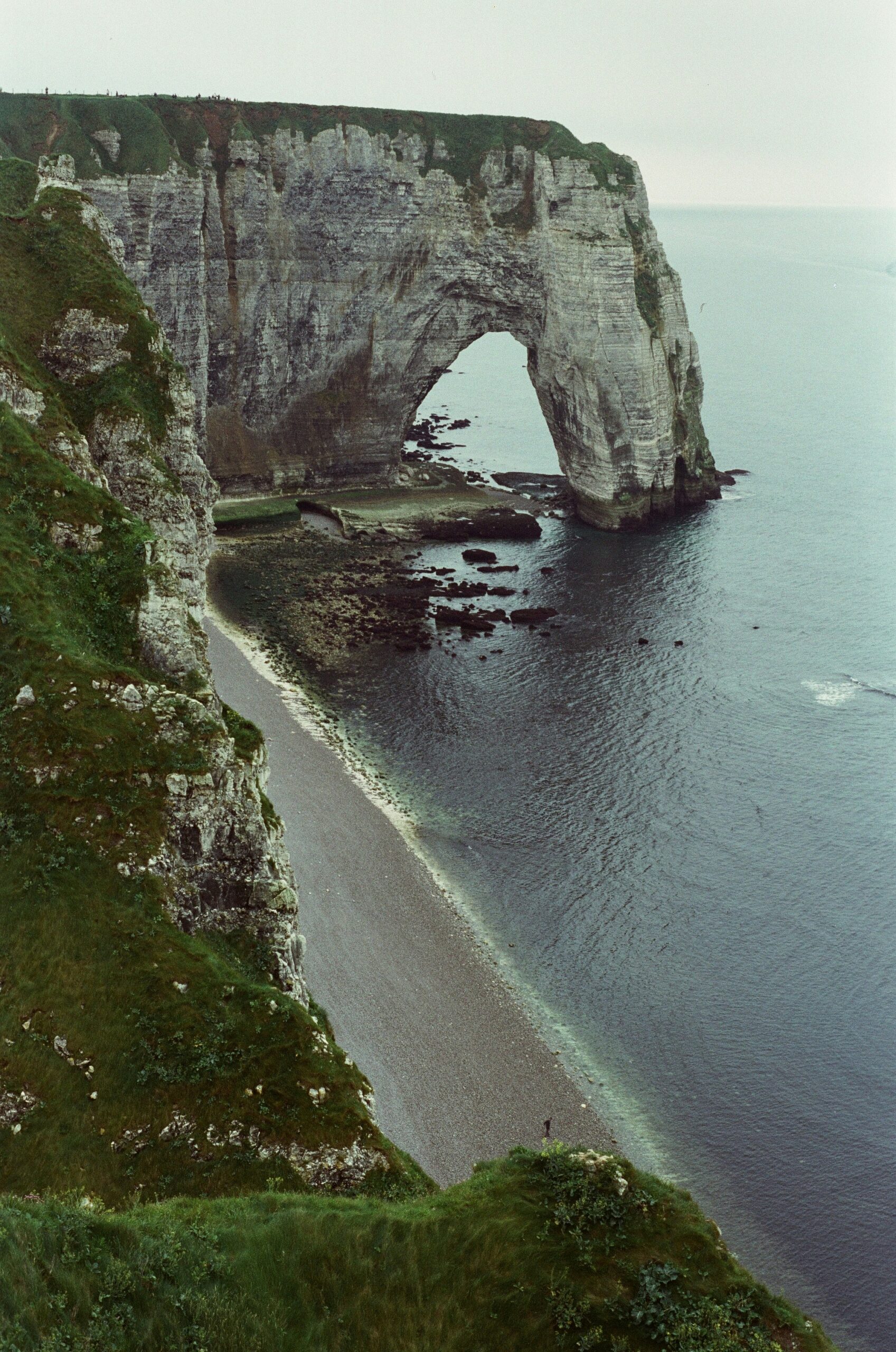
Best Coastal Towns to Retire in France
France offers some of the most attractive retirement coastlines in Europe, but daily life along the French coast varies dramatically depending on climate, healthcare access, housing pressure, transportation and winter livability. Some towns feel active and practical year-round. Others become isolated, expensive or almost empty outside tourist season.
Many retirees arrive in coastal France expecting a relaxed Mediterranean lifestyle only to discover long healthcare waiting times, difficult parking, seasonal crowds, expensive property maintenance or winter isolation. Choosing the right coastal town in France is less about postcard views and more about long-term practicality.
The best retirement locations usually balance walkability, healthcare access, manageable summer tourism, reliable transport, moderate humidity and realistic housing costs. Aging realities matter more over time than beach access alone.
Nice – Strong Healthcare but Expensive and Busy
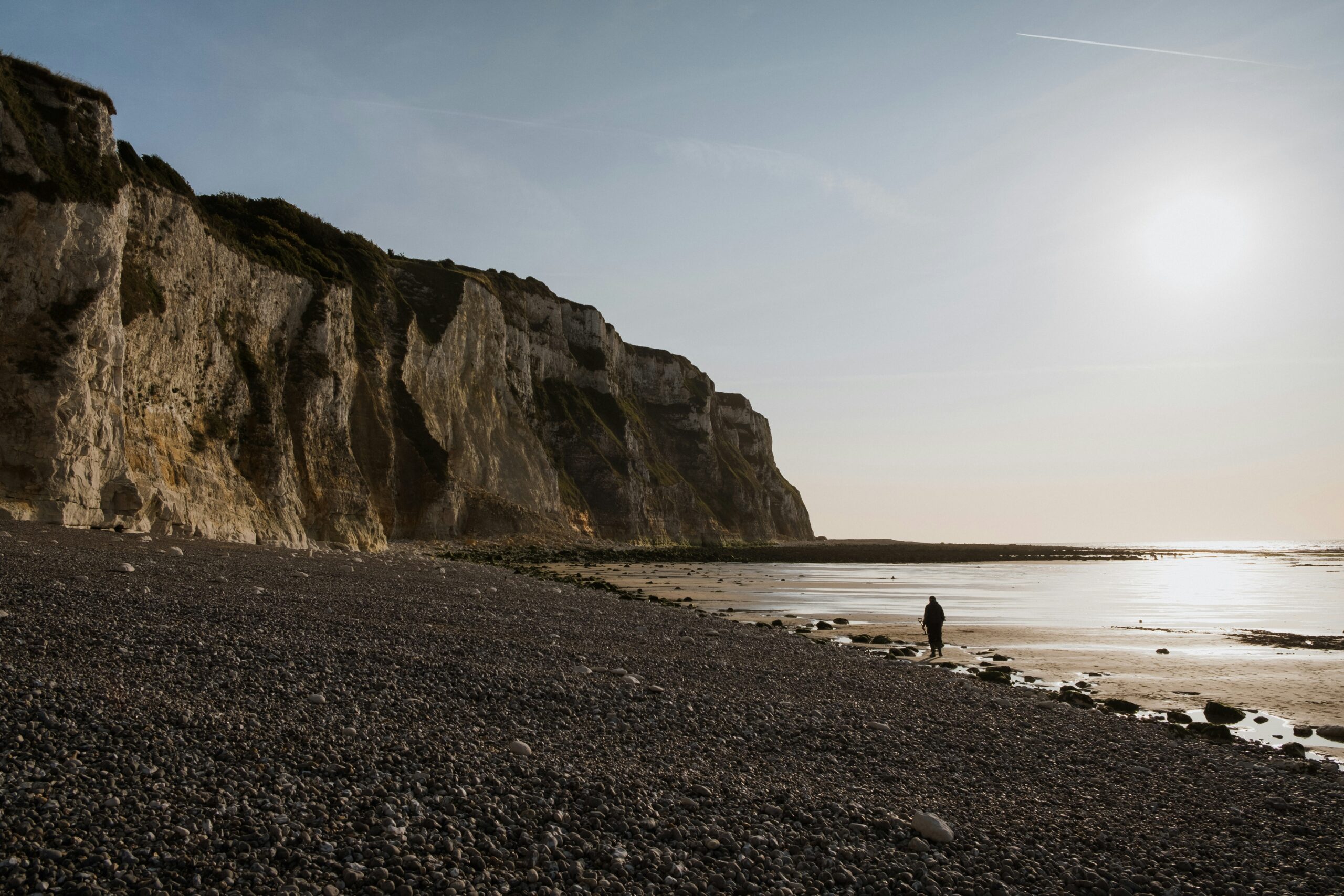
Nice remains one of the most practical retirement cities on the French Riviera because daily infrastructure is extremely strong. Public transport is excellent, healthcare access is among the best in southern France and walkability reduces the need for driving later in retirement.
However, retirees often underestimate:
- summer tourism pressure
- high apartment prices
- parking difficulties
- humidity near older coastal buildings
- elevator issues in older apartments
- noise during peak tourist season
Nice works best for retirees who prioritize healthcare access, urban convenience and transportation more than quiet coastal living.
La Rochelle – One of the Most Balanced Retirement Towns
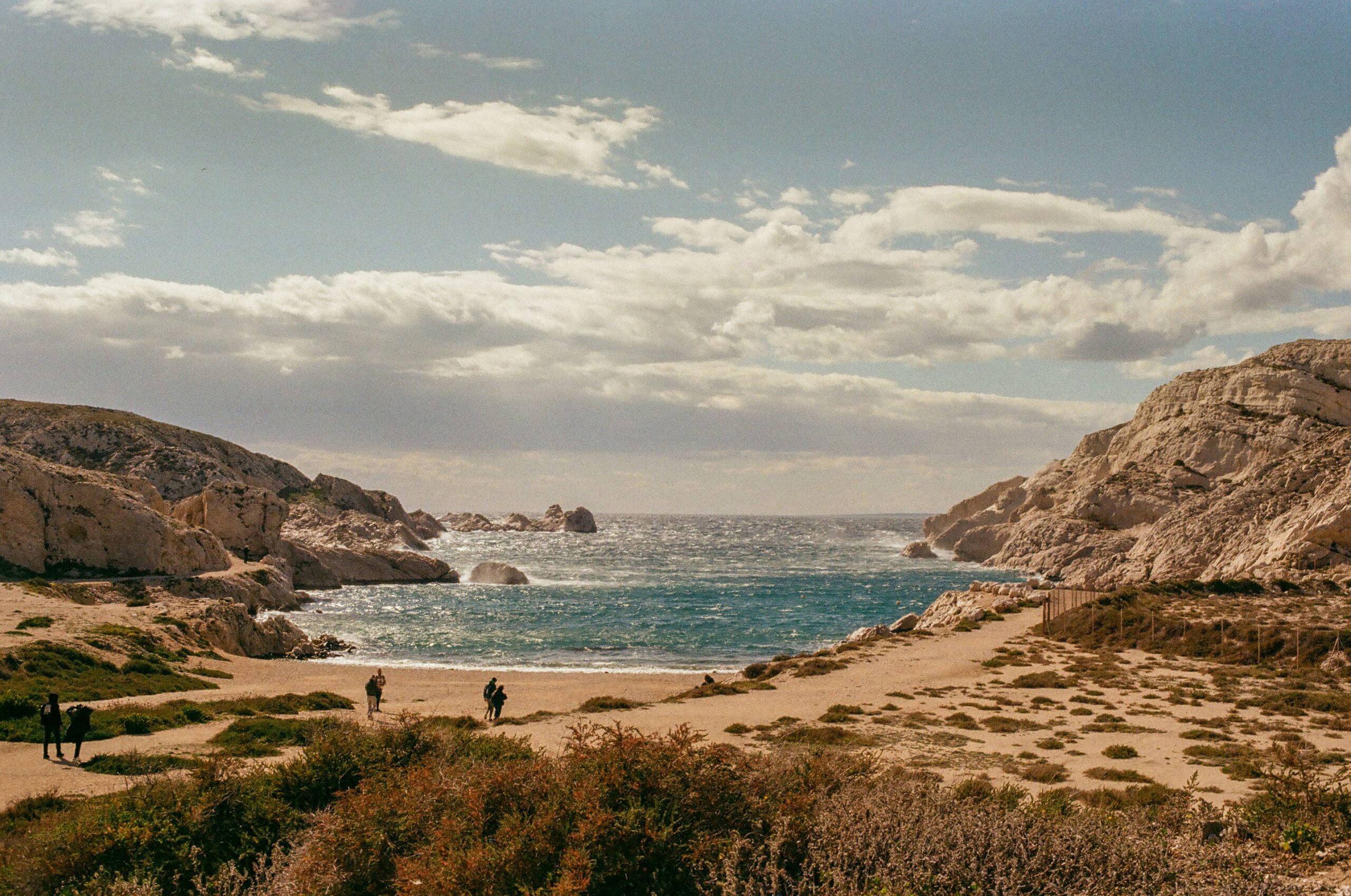
La Rochelle consistently attracts retirees because it combines Atlantic coastal living with a highly practical daily structure. The city remains active throughout winter, unlike many Mediterranean resort towns.
Retirees often appreciate:
- flat walkable streets
- strong cycling infrastructure
- good healthcare coverage
- manageable population size
- less aggressive tourism pressure
- year-round local activity
The main downside is weather. Atlantic winters feel colder, wetter and windier than many newcomers expect. Older stone buildings can also develop humidity and mold issues if poorly maintained.
Sète – Authentic but Not Always Easy
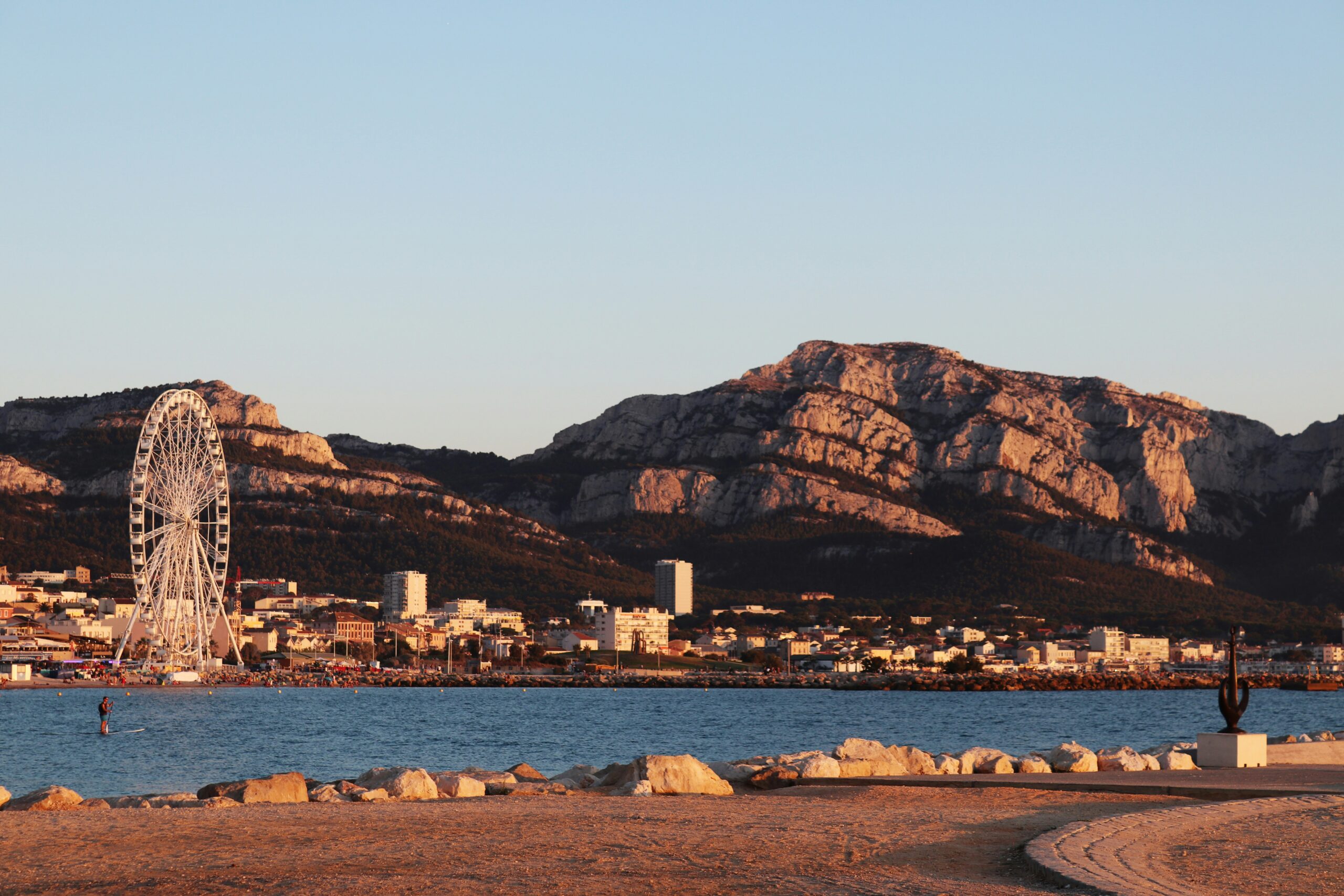
Sète attracts retirees looking for a more authentic Mediterranean atmosphere without the extreme property prices of Cannes or Nice.
The town offers:
- strong seafood culture
- walkable daily life
- good train connections
- reasonable access to Montpellier healthcare
- active local culture outside expat bubbles
But Sète also has tradeoffs. Parking can become frustrating, summers are extremely crowded and some retirees struggle with the humid coastal climate. Apartments near canals may also require ongoing maintenance due to moisture exposure.
Saint-Malo – Beautiful but Weather Matters
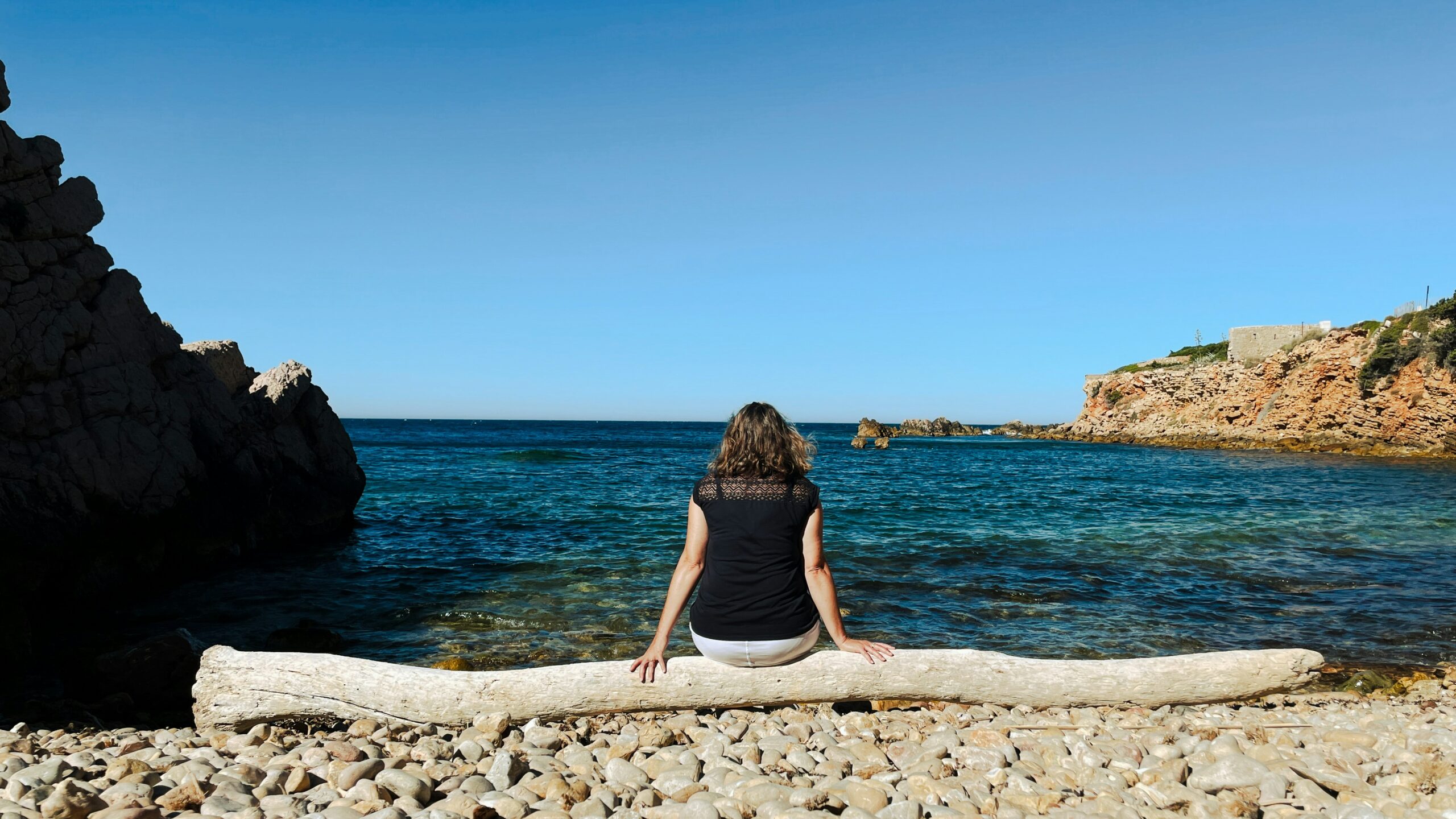
Saint-Malo offers a completely different retirement experience compared to southern France. Brittany attracts retirees who prefer cooler temperatures, quieter routines and less tourism saturation.
Advantages include:
- lower summer heat stress
- excellent seafood and local markets
- slower pace of life
- more manageable housing costs
- less international tourism pressure
However, mobility realities matter. Winter weather becomes physically harder with age, especially in windy coastal areas. Many retirees eventually discover they underestimated the impact of cold humidity, slippery streets and reduced winter daylight.
Antibes – Excellent Lifestyle but Budget Heavy
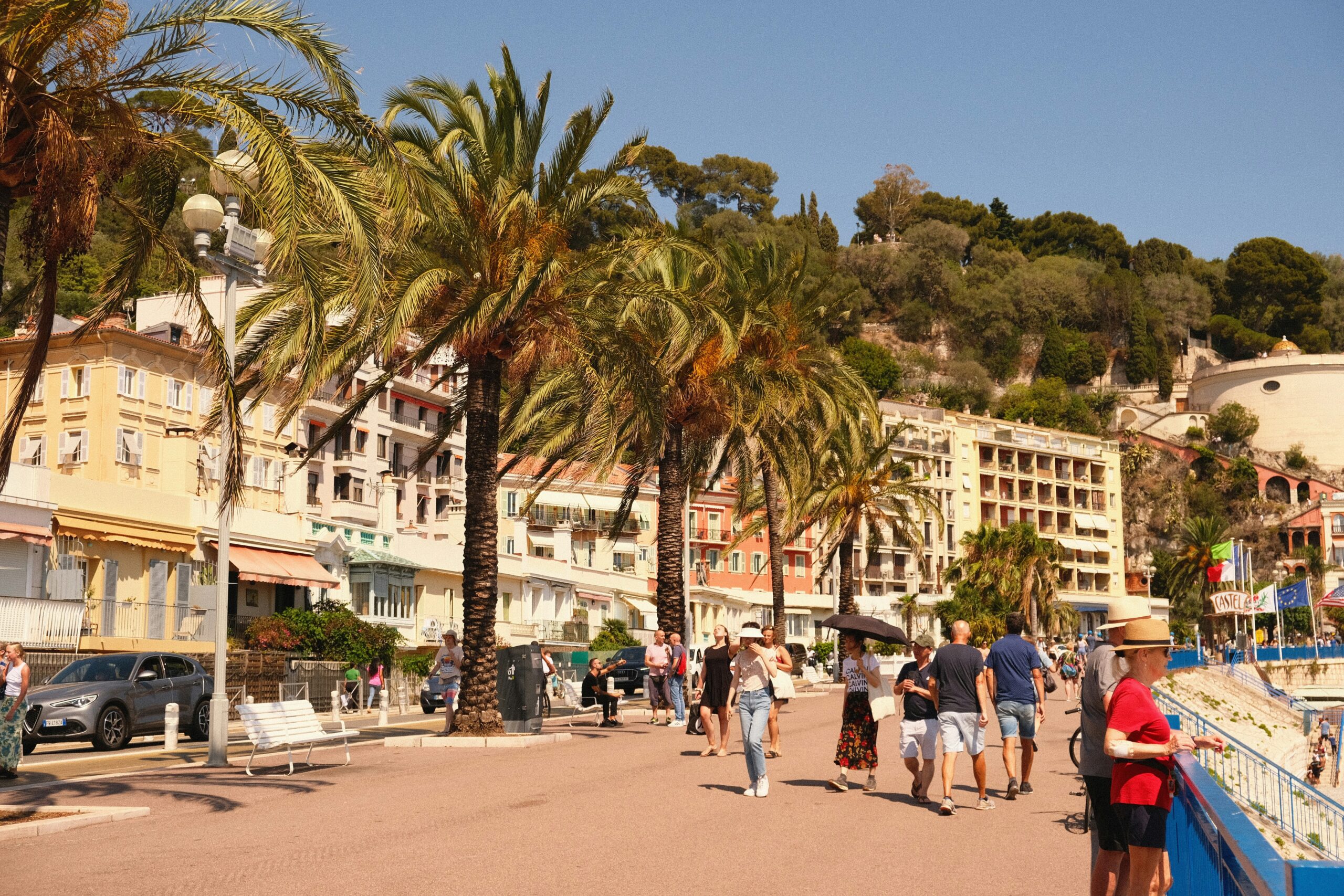
Antibes remains highly attractive because it combines Riviera climate with slightly calmer daily life than central Nice or Cannes.
The town works well for retirees who want:
- high walkability
- good train access
- excellent healthcare networks nearby
- mild winters
- international communities
- long outdoor seasons
The main problem is affordability. Property prices, condominium fees, parking costs and restaurant pricing can push budgets much higher than expected. Many retirees eventually downsize or move inland after several years.
Smaller Coastal Towns Can Be Better or Worse Than They Look
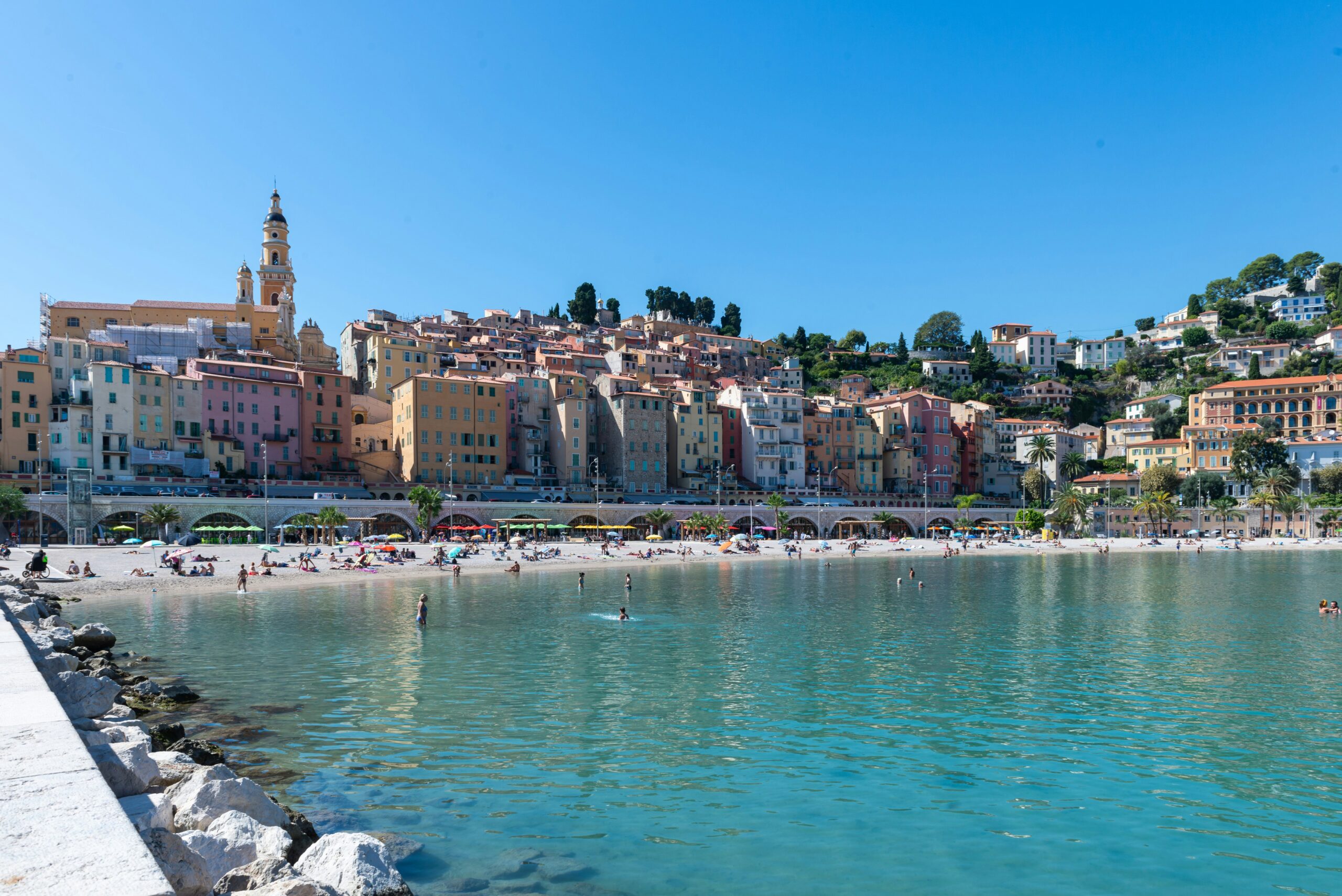
Small coastal towns in France can look perfect during a scouting trip. The sea is nearby, streets are quiet and property prices may seem more manageable than in major cities. But retirement living is not the same as visiting for two weeks in May.
Before choosing a small coastal town, retirees should test practical questions:
- Is there a year-round pharmacy within easy reach?
- Can you reach a hospital without relying on a car?
- Do shops remain open in winter?
- Is public transport usable outside summer?
- Are nearby apartments accessible if stairs become difficult?
- Does the town feel alive in February?
The best smaller towns are not always the prettiest. They are usually the ones with a working local population, basic services, doctors, markets, buses or trains and a rhythm that continues after the tourists leave.
What Many Retirees Realize Too Late
The most important retirement factor in coastal France is not the beach itself.
It is whether daily life still works comfortably at age 75 or 80.
Many retirees initially prioritize:
- sea views
- vacation atmosphere
- summer lifestyle
- cheap old houses
But later they begin prioritizing:
- nearby pharmacies
- walkable grocery access
- reliable elevators
- public transportation
- specialists and hospitals
- less home maintenance
- winter practicality
This is why many successful long-term retirees in France eventually prefer medium-sized coastal cities over isolated beach villages.
Best Coastal Areas Depending on Retirement Style
Best for Healthcare Access
- Nice
- Antibes
- Montpellier area
Best for Lower Stress Daily Living
- La Rochelle
- Saint-Malo
- smaller Brittany towns
Best for Mild Winter Climate
- French Riviera
- Languedoc coast
Best for Lower Property Costs
- Atlantic coast inland from tourist zones
- parts of Brittany
- smaller Occitanie towns
Final Thoughts
The best coastal town in France depends heavily on your long-term retirement priorities. The ideal location for a healthy active couple at 62 may become exhausting or impractical twenty years later.
The retirees who adapt best usually choose towns that balance beauty with practical infrastructure. Walkability, healthcare access, manageable housing and year-round livability matter far more over time than vacation atmosphere alone.
Compare Retirement Costs Across France
Use the France retirement calculator to estimate housing, healthcare, utility and daily living costs across different French regions and coastal areas.
Open France Retirement Calculator