
Noise Levels and Quiet Living in France
Many retirees move to France expecting peaceful cafés, quiet villages and slow living. Some areas absolutely deliver that. Others surprise people with barking dogs, loud scooters, church bells at 7 AM, apartment echo chambers, tourist-season chaos and endless renovation work in old buildings.
The reality is that “quiet” in France depends heavily on the exact neighborhood, building type, season, local culture and even whether you live above a bakery or near a village square. Retirees who ignore these details often discover noise problems only after signing a long lease or buying property.
France can feel either wonderfully calm or surprisingly loud
One of the biggest misconceptions foreigners have is assuming rural France automatically means silence. In practice, noise patterns in France are very local and very cultural.
A stone village in Provence may look peaceful in photos but become noisy every morning due to delivery trucks, market setup crews, scooters and church bells. A tiny farming town may suddenly become loud during harvest season. A coastal retirement town can feel calm in winter and unbearable during July and August.

Meanwhile, many medium-sized French cities actually feel quieter than expected because traffic is slower, nightlife is limited outside specific districts and apartment shutters block significant street noise.
Old French buildings transmit noise differently
France has a huge stock of old apartments and stone buildings. Many look charming but have poor sound insulation compared to newer northern European housing.
You may hear:
Stairwell echo
Stone staircases and tiled entrances amplify footsteps, doors and conversations.
Wooden floors
Older parquet floors often transmit chair movement and walking noise between apartments.
Street shutters
Metal shutters reduce noise well when closed, but many people leave them open during summer heat.
Thin interior walls
Older subdivided buildings can carry TV noise, plumbing and voices surprisingly clearly.
Retirees often focus heavily on beauty, balconies and old-world charm during viewings while ignoring acoustic realities. The issue becomes obvious later during winter when windows stay closed and neighbors spend more time indoors.
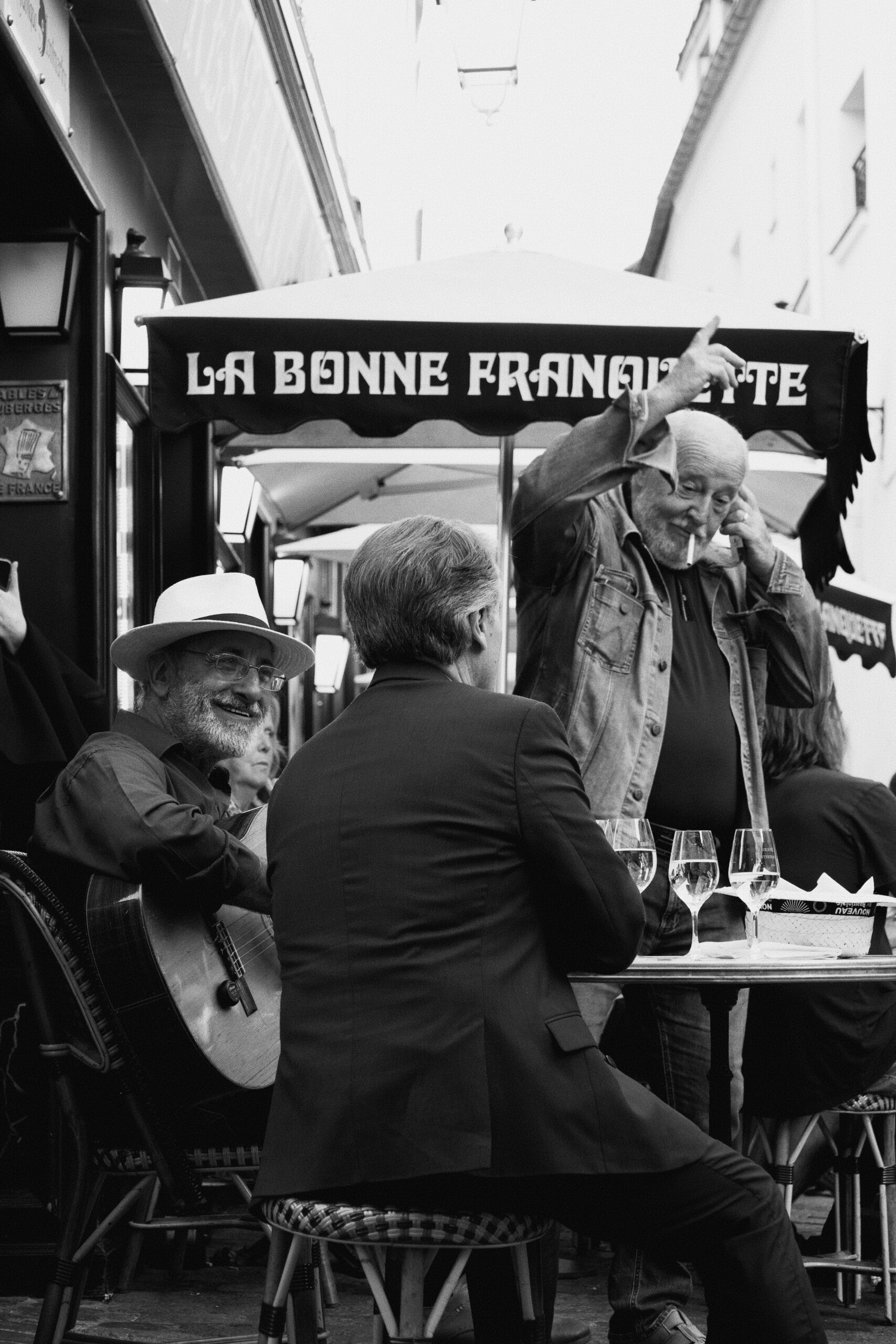
Tourism changes noise dramatically in many French regions
Retirees sometimes choose towns during off-season visits and do not realize how different summer becomes.
This is especially true in:
- French Riviera towns
- Atlantic beach communities
- Popular Provence villages
- Wine tourism regions
- Historic city centers
- Mountain resort areas
A calm retirement apartment in February can suddenly sit next to:
- motorcycles
- holiday rentals
- street music
- late-night restaurant terraces
- festival events
- crowded pedestrian zones
- tourist buses
In southern France, open-window living during summer also increases noise exposure substantially. Many retirees from colder climates underestimate how much sound enters homes during heatwaves.
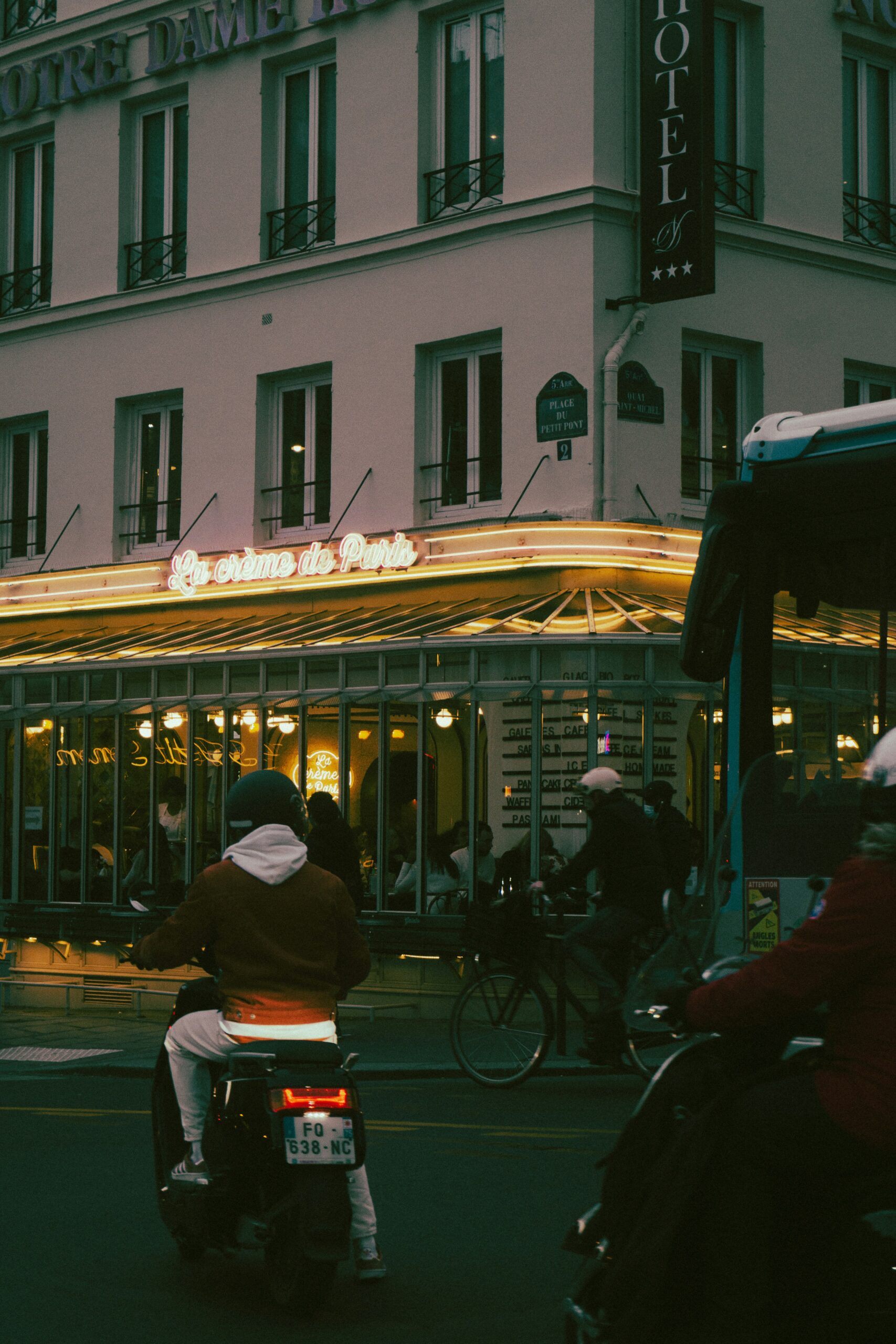
Quiet living often means tradeoffs
The quietest places in France are often the least practical later in retirement.
A remote village may offer wonderful silence but create other long-term problems:
Healthcare access
Doctor shortages remain serious in many rural regions.
Driving dependence
You may need a car for every errand, appointment or pharmacy visit.
Isolation risk
Social life can shrink rapidly after the first few years abroad.
Winter quiet
Some villages become extremely empty outside tourist season.
Many retirees eventually compromise by choosing smaller walkable cities instead of isolated countryside property. Places with decent healthcare, train access and compact centers often provide a better balance between peace and long-term practicality.

French daily life has its own sound culture
Noise expectations vary culturally.
In many French communities, certain sounds are simply considered normal:
- church bells
- weekly markets
- morning scooters
- street-cleaning vehicles
- café terraces
- dogs in villages
- construction during renovation season
- festival weekends
Complaining aggressively about normal community sounds can create tension with neighbors, especially in smaller towns.
At the same time, France also has stricter quiet-hour expectations than some foreigners expect. Loud DIY work on Sundays or late-night apartment parties are often poorly tolerated.
Construction and renovation noise are constant in some regions
France has an enormous amount of aging housing stock. Renovations happen everywhere.
Retirees living in old apartment buildings frequently deal with:
- multi-month renovations
- drilling through stone walls
- scaffolding projects
- roof repairs
- pipe replacements
- energy-efficiency upgrades
In popular retirement areas, neighboring homes may also become short-term rental conversions or second-home renovation projects.

Some retirees solve this by renting for at least one full year before buying property. That allows them to experience:
- summer tourism noise
- winter silence
- construction patterns
- school schedules
- local traffic rhythms
- market-day activity
What experienced retirees usually prioritize
People who stay happily in France long term often prioritize practical quiet rather than fantasy quiet.
That usually means:
Good windows
Double glazing matters more than picturesque streets.
Smaller buildings
Fewer neighbors usually means fewer surprises.
Walking access
Being able to avoid constant driving reduces stress substantially.
Healthcare nearby
A calm environment becomes less useful if every appointment requires a two-hour drive.
Retirees who adapt best tend to accept some level of community noise in exchange for long-term livability, healthcare access and social connection.

Final thoughts on quiet living in France
France absolutely offers peaceful retirement environments. But the quietest locations are not always the most practical for aging, healthcare access or long-term independence.
The best retirement balance usually comes from carefully studying:
- building construction
- seasonal tourism
- street activity
- walkability
- local healthcare access
- transportation realities
- daily community patterns
Retirees who spend time observing neighborhoods at different hours — early morning, evening, weekends and tourist season — usually make far better long-term decisions than people choosing entirely based on scenery or online property photos.
Continue Planning Your Retirement in France
Learn how housing, walkability, transportation, healthcare access and daily routines affect long-term retirement comfort in France.
Explore the France Moving Guide