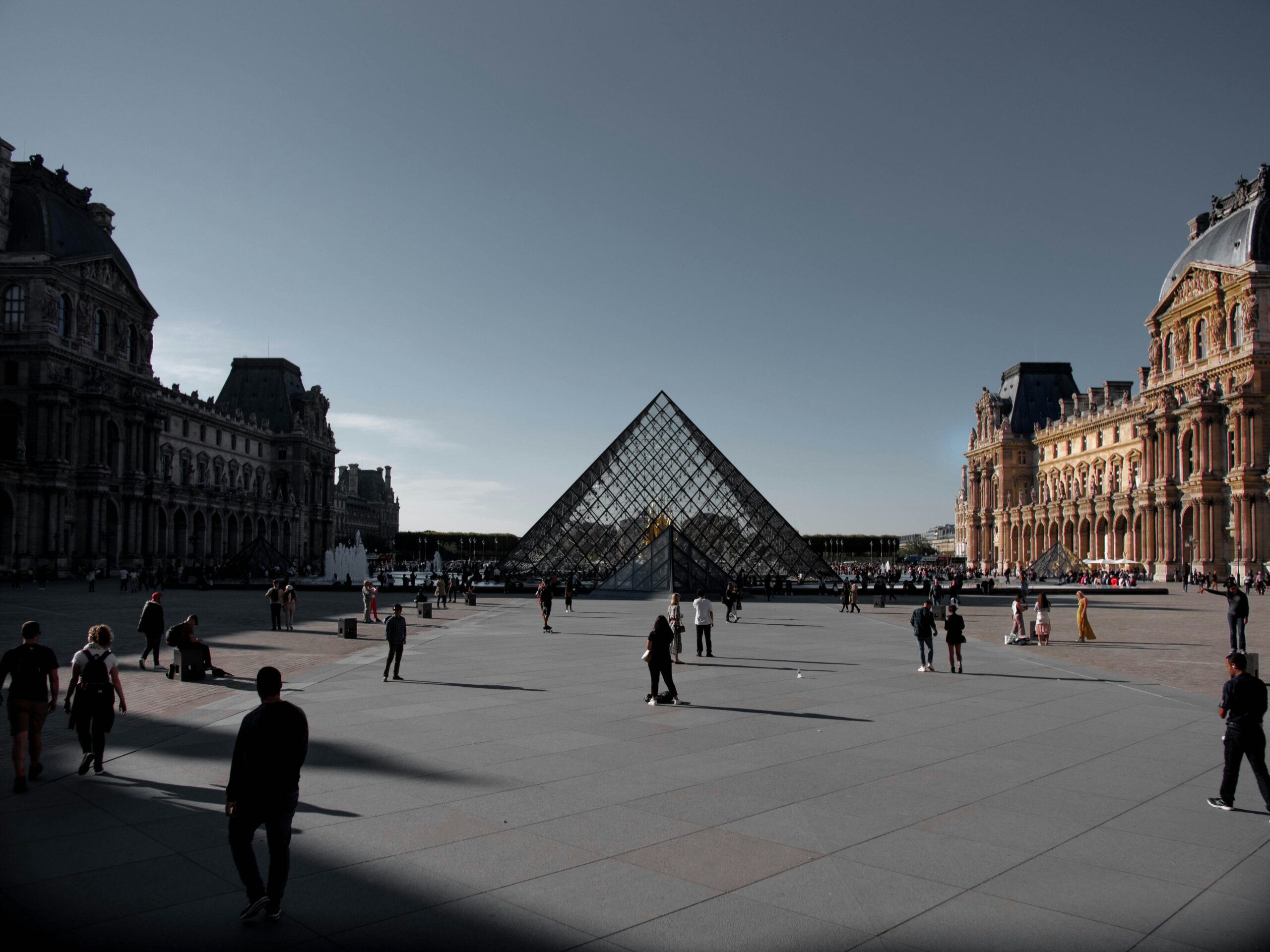
Downsizing is extremely common among retirees in France
This is one of the most common long-term retirement patterns abroad, but very few retirement websites talk honestly about it.
Many retirees eventually move:
- from houses into apartments;
- from rural areas into towns;
- closer to healthcare;
- closer to public transportation;
- closer to social activity;
- into smaller and easier homes.
Large homes become physically exhausting over time
A large French house may feel exciting during active retirement years.
Later, many retirees struggle with:
- stairs;
- heating unused rooms;
- cleaning;
- roof maintenance;
- garden work;
- winter humidity;
- repair coordination;
- contractor stress.
Heating costs become more stressful later in retirement
Older rural homes in France often become expensive to heat properly during winter.
Retirees may eventually feel overwhelmed by:
- electricity bills;
- oil deliveries;
- wood handling;
- humidity;
- cold unused rooms;
- maintenance costs.
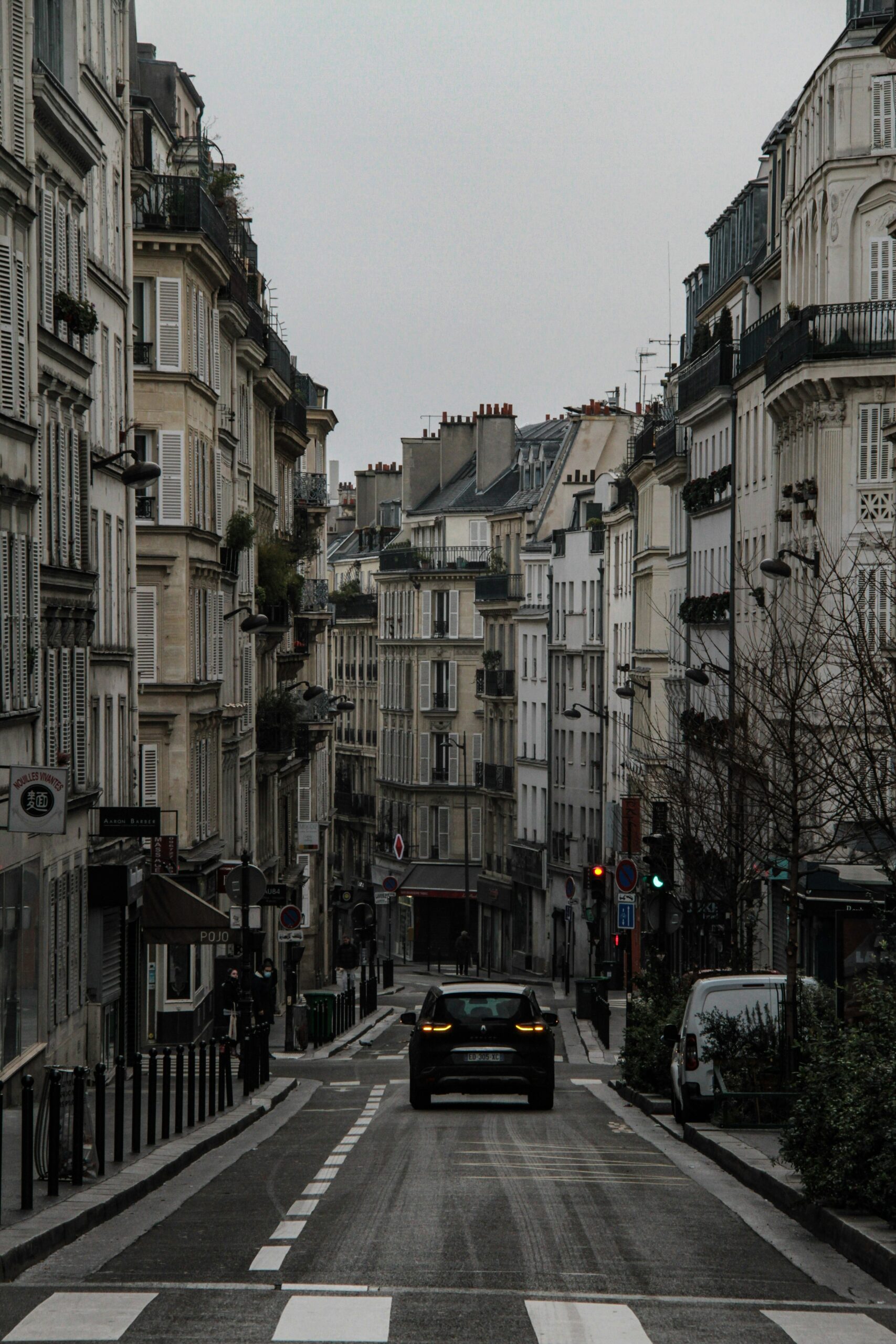
Walkable towns become increasingly attractive
Many retirees eventually prefer homes where daily life becomes easier without constant driving.
Living near:
- cafés;
- markets;
- pharmacies;
- healthcare;
- train stations;
- social activity;
can dramatically improve quality of life later in retirement.
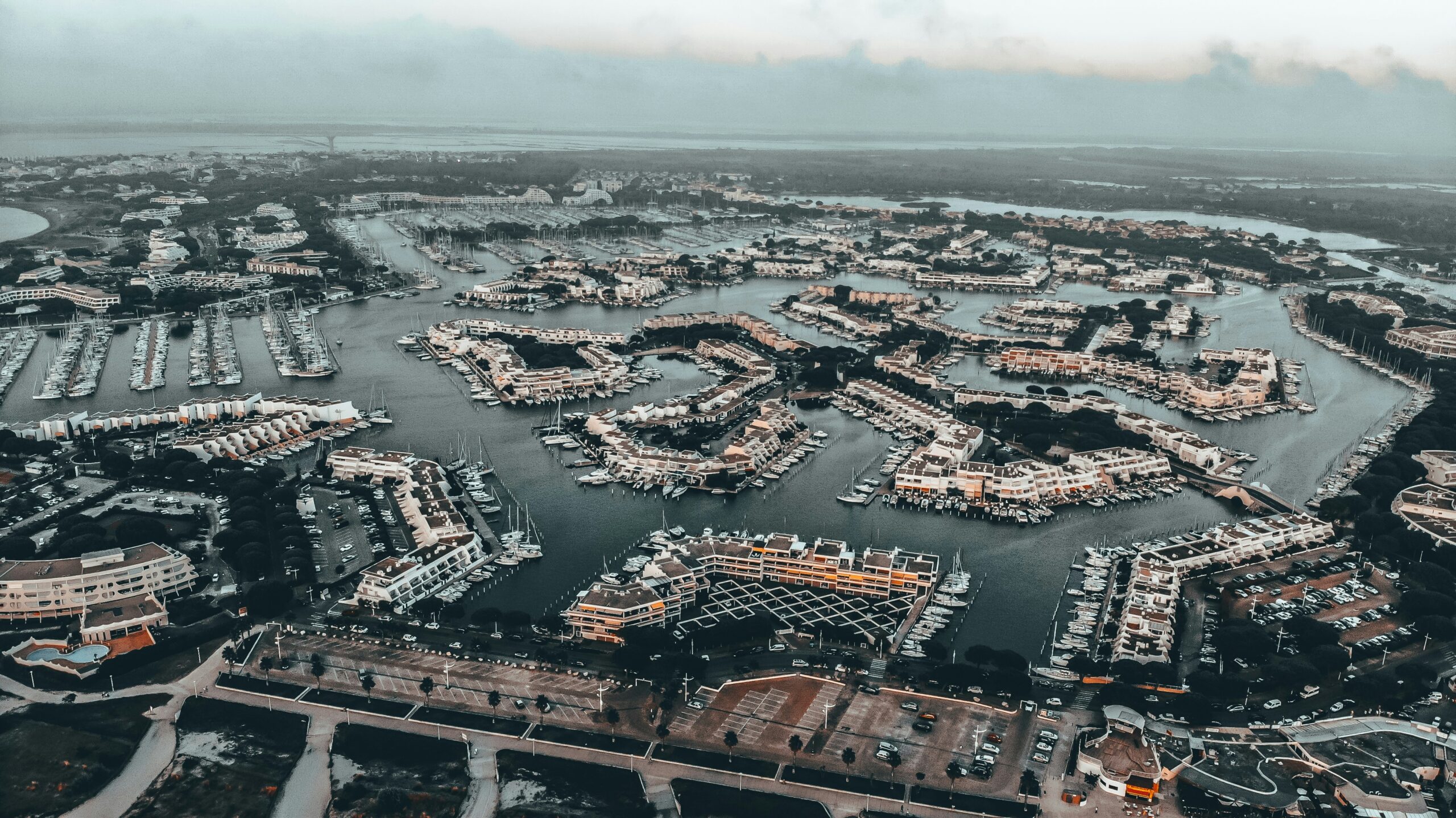
Some retirees who originally loved isolated countryside homes later feel trapped by driving dependency.
Widowhood changes housing needs dramatically
This is another retirement reality rarely discussed openly.
A property that worked well as a couple may feel very different for one person alone.
Challenges may include:
- managing maintenance alone;
- social isolation;
- stairs and mobility;
- security concerns;
- transportation dependence;
- heating large homes unnecessarily.
Downsizing can improve financial flexibility
Smaller homes often reduce:
- heating costs;
- maintenance costs;
- repair stress;
- insurance costs;
- garden expenses;
- contractor dependence.
This can free retirement income for:
- travel;
- healthcare;
- family visits;
- better lifestyle flexibility;
- long-term financial security.

Many retirees emotionally resist downsizing at first
This is completely normal.
Large homes often represent:
- success;
- freedom;
- retirement dreams;
- family memories;
- identity and independence.
But many retirees later admit they feel relieved after moving into:
- smaller homes;
- walkable towns;
- modern apartments;
- lower-maintenance living.
What retirees should consider before downsizing
- walkability;
- healthcare access;
- elevator availability;
- stairs;
- winter comfort;
- transportation;
- social connection;
- future mobility;
- maintenance workload;
- long-term livability.
Final thoughts
Many retirees moving to France begin retirement focused on space, scenery and dream properties.
Later, priorities often shift toward comfort, convenience, healthcare access and easier daily living.
Downsizing is often not about giving up — it is about creating a retirement life that remains manageable, social and comfortable long term.
For many retirees, smaller homes eventually create more freedom, not less.
Continue planning long-term retirement life in France
Housing choices connect directly with healthcare, transportation, winter comfort, social life and aging realities abroad.