What Breaks Most Often When Moving to France
Moving to France is not only about paperwork and finding a beautiful town. The systems that usually break first are more ordinary: heating, damp, plumbing, internet, utility contracts, deliveries, bank payments, paperwork chains and the assumption that old houses will behave like modern homes.
The most frustrating problems after moving to France are rarely dramatic. They are the small failures that interrupt daily life: the internet appointment that is missed, the electric meter that is not in your name, the heating that cannot keep up, the damp smell that appears in winter, the bank transfer that fails, the plumber who cannot come for two weeks and the document one office needs before another office will move your file forward.
The first thing that breaks is usually the timeline
Many newcomers arrive with a schedule that looks logical on paper: open bank account, sign rental contract, set up utilities, arrange internet, register healthcare, buy furniture, find a doctor and settle in. In France, these steps often depend on each other in ways that make the timeline break.
You may need proof of address to open or complete a bank account. You may need a French IBAN for utilities. You may need a utility bill for another administrative step. You may need an appointment to activate internet. You may need access to the property before a technician can come. One missing document can slow several systems.
Often needed for utilities, rent, insurance and direct debits.
Needed repeatedly, but hard to produce before systems are active.
Can depend on meter numbers, previous occupant details and supplier systems.
Often delayed by technician availability, building access or line problems.
For the broader setup process, read Moving to France – Step-by-Step Guide, Opening a Bank Account in France as a Foreigner and Setting Up Utilities in France Step by Step.
Heating systems cause more problems than expected
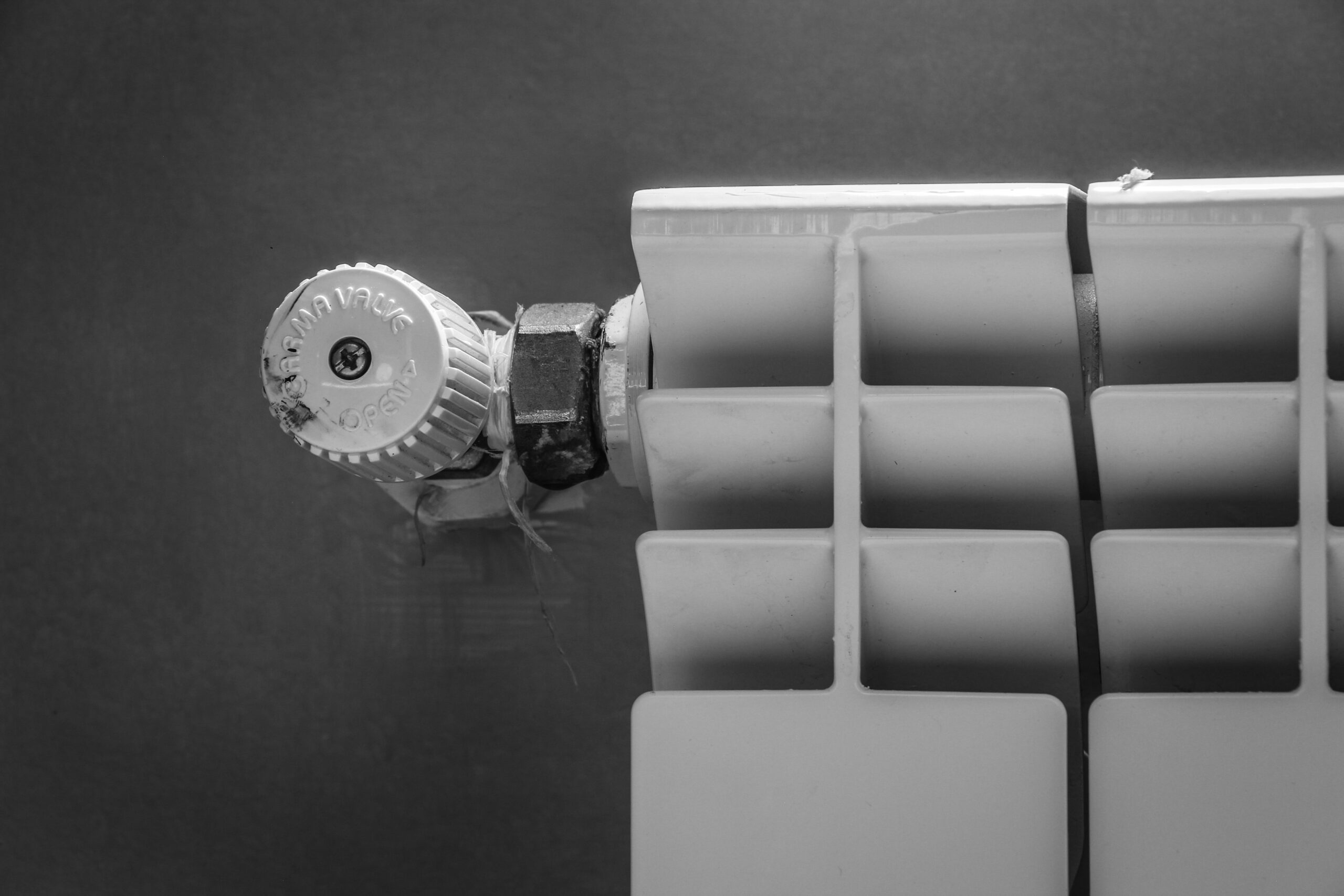
Heating is one of the most common surprises after moving to France. Many homes look comfortable during a spring or summer viewing, then become expensive or difficult in winter. Electric radiators, old boilers, poor insulation, high ceilings, stone walls and draughty windows can all change the real cost of living.
The problem is not simply whether the home has heating. The question is whether the heating system can keep the home comfortable without producing bills that shock you. A large old house with charming rooms may cost far more to heat than a smaller town apartment with better insulation.
For heating and bills, read Winter Heating in France for Retirees and Electricity and Utility Bills in France Explained.
Damp, mould and ventilation often appear after the move
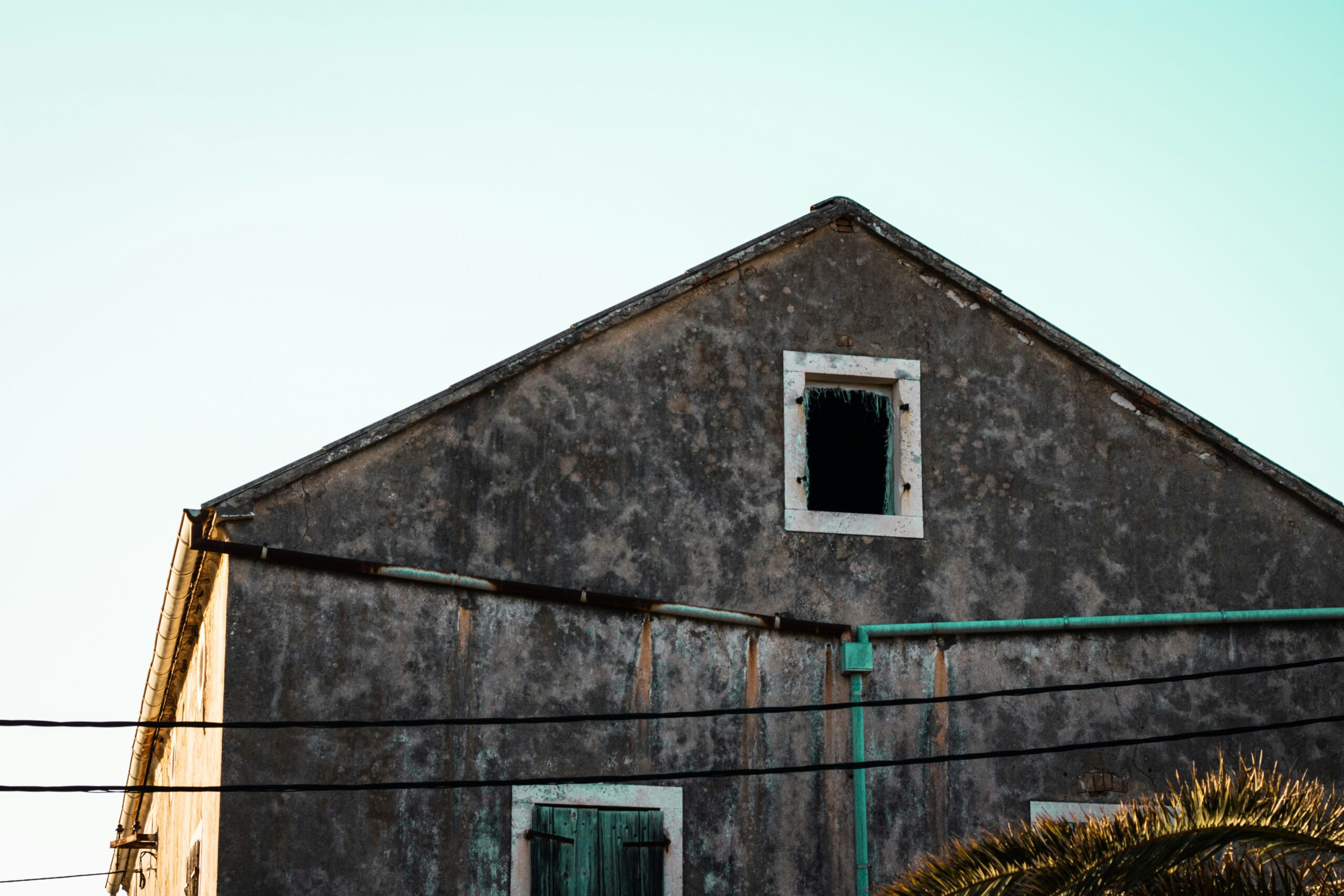
Damp is one of the most common housing problems in older French homes. It can appear as condensation, musty cupboards, mould around windows, damp walls, swollen doors, cold corners or a smell that gets worse in winter. It may not be obvious during a viewing, especially if windows are open or the property has been freshly cleaned.
The causes vary: poor ventilation, old stone walls, rising damp, blocked gutters, roof leaks, cold bridges, unheated rooms, bathrooms without extraction or simply a home that has been empty for long periods. Damp is not only unpleasant. It can affect clothes, furniture, health, heating costs and whether you actually use parts of the home.
Often points to ventilation, heating or insulation issues.
Common in old homes, especially against cold external walls.
Often caused by poor extraction and winter humidity.
Can be slow, expensive and complicated to diagnose properly.
Plumbing, drains and water pressure are frequent surprises
Plumbing problems are common in older houses, rural properties and buildings that have been renovated in stages. Newcomers may encounter weak water pressure, slow drains, old pipework, septic tank issues, noisy plumbing, hidden leaks or bathrooms added in ways that were never ideal.
In apartments, leaks can become more complicated because responsibility may involve neighbours, the building management, insurance, the landlord or the copropriété. In houses, the problem may be yours alone — and urgent tradespeople are not always available quickly.
| What breaks | Why it matters | What to check |
|---|---|---|
| Old pipework | Leaks, pressure issues and hidden repairs can appear after occupancy. | Age of plumbing, visible corrosion, previous renovations and inspection notes. |
| Drains | Slow drainage can indicate old pipes, poor gradients or blockages. | Kitchen, shower, sinks, exterior drains and smells after rain. |
| Water heater | Failure affects showers, washing and daily comfort immediately. | Age, capacity, maintenance history and replacement cost. |
| Septic system | Rural properties may have expensive compliance and maintenance issues. | Inspection, access, emptying schedule and upgrade requirements. |
Internet and mobile coverage break the “romantic village” plan
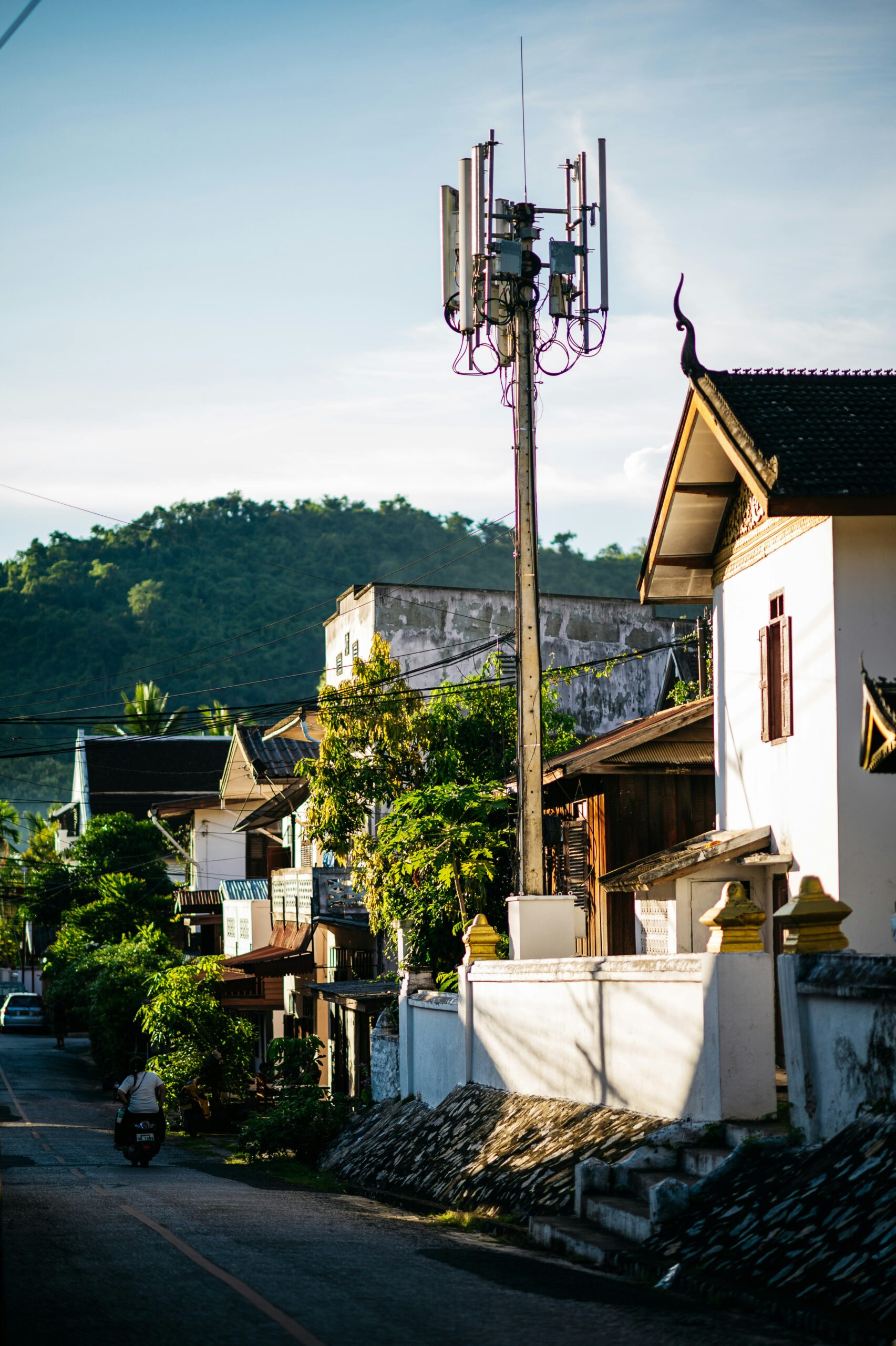
Internet is one of the fastest ways a beautiful location becomes frustrating. A village may look perfect, but fibre may stop at the edge of town, the old copper line may be unreliable, mobile signal may be weak indoors and technician appointments may take longer than expected.
This matters even if you are not working remotely. Banking, healthcare portals, tax messages, video calls with family, maps, translations, delivery tracking, utility accounts and emergency information all depend on reliable connectivity.
For connectivity planning, read Internet, SIM Cards and Mobile Plans in France.
Utility billing and direct debits can go wrong quietly
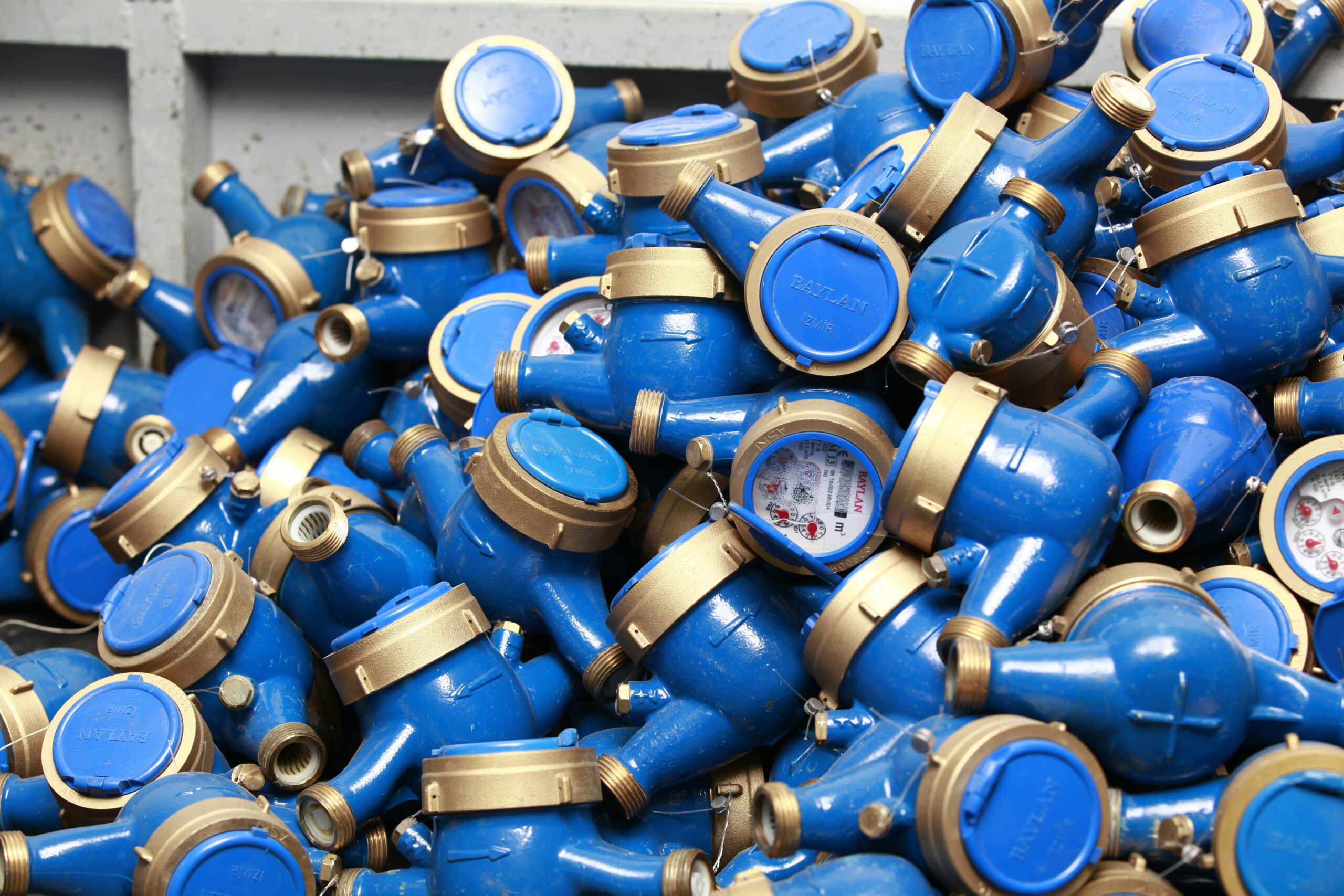
Utility problems in France do not always announce themselves immediately. A direct debit may be set too low, an estimated reading may be wrong, a supplier may still have previous occupant details, a meter reading may not match the contract or a bill may arrive after several months and be higher than expected.
The practical risk is assuming that no news means everything is fine. With electricity, water, insurance, internet and banking, you need to check accounts actively during the first months.
Photograph all meters on arrival. Include date and visible numbers.
Confirm the contract holder. Make sure accounts are in your name and linked to the correct address.
Check direct debit amounts. Very low monthly payments may lead to a correction bill later.
Keep login access. Supplier portals matter when paper mail is slow or confusing.
For step-by-step setup, read Setting Up Utilities in France Step by Step.
Paperwork systems break when names, addresses or documents do not match
French systems often depend on consistent documents. Small mismatches can create delays: a missing middle name, different spelling, old address, foreign phone number, incomplete proof of address, unclear scan, expired document or bank account not yet accepted.
This is not always about one office being difficult. It is often about systems that require documents to align before the next step works. When the chain breaks, you may need to return with another document, upload again, wait for review or book another appointment.
Can affect banking, healthcare, taxes, insurance and contracts.
Often requested repeatedly, especially early in the move.
Blurry or incomplete files can stop online applications.
French systems may not always handle foreign numbers smoothly.
For paperwork friction, read How French Bureaucracy Works for Retirees.
Deliveries, furniture and access problems are underestimated
Moving into a French home often exposes practical access problems. Narrow staircases, old lifts, pedestrian streets, parking restrictions, village lanes, delivery windows, missing door codes and unclear addresses can turn furniture delivery into a negotiation.
This is especially important in old centres and apartment buildings. A sofa that fits your taste may not fit the stairwell. A washing machine may require special delivery access. A delivery driver may call in French from outside while you are still learning how to explain the entrance.
Cars and mobility systems can fail at the wrong moment
Many moves to France rely heavily on a car in the first year. The car carries furniture, groceries, documents, pets, guests and emergency errands. But car-related systems can also break: insurance, registration, parking, inspections, Crit’Air zones, rural repairs, toll costs and whether you still want to drive every errand later.
A remote home may feel manageable while the car works perfectly. It feels different when the car is at the garage, the weather is bad, the pharmacy is far away or you need a medical appointment in another town.
For mobility planning, read Driving in France as a Retiree, Buying a Car in France as a Foreigner and Public Transportation in France for Retirees.
Tradespeople and repairs take longer than newcomers expect
In many areas, good plumbers, electricians, roofers, heating engineers and builders are busy. Waiting times can be long, especially before winter, after storms, during holiday periods and in regions with many older homes. Language barriers also make repair problems harder: you need to explain the issue, send photos, confirm access and understand quotes.
The first mistake is waiting until something fails completely. The second is assuming emergency availability will be easy. The third is buying a property with several “small jobs” and discovering that every small job needs a specialist, a quote and patience.
Leaks, hot water, drains, pressure and bathroom issues.
Old wiring, panels, heaters, sockets and compliance questions.
Boilers, radiators, thermostats and winter breakdowns.
Leaks, gutters, storm damage and old roof maintenance.
Healthcare access can break if you assume it will be automatic
Healthcare is not technically a house system, but it is one of the most important things that can break after moving. If you have not found a local doctor, do not understand prescriptions, live far from a pharmacy or cannot explain symptoms in French, ordinary health needs can become stressful quickly.
This matters especially when the move itself is exhausting. People often postpone healthcare setup because utilities, housing and paperwork feel urgent. Then a prescription, dental problem, infection or fall exposes the gap.
For healthcare planning, read Healthcare in France for Retirees, Pharmacies in France for Retirees and Emergency and Urgent Help in France for Retirees.
What usually breaks first: a practical order
| Stage | What commonly breaks | How to reduce the damage |
|---|---|---|
| First week | Access, meters, keys, deliveries, mobile signal, missing documents. | Photograph everything, keep documents offline and have a backup data plan. |
| First month | Banking, utilities, internet, insurance, direct debits, proof of address. | Check portals weekly and keep a move folder with all confirmations. |
| First winter | Heating, damp, mould, draughts, high electricity bills, roof leaks. | Ask for bills, test ventilation and keep repair contacts before winter. |
| First year | Car dependence, healthcare access, loneliness, repair workload, property costs. | Review whether the location works in real life, not just on paper. |
Before you sign: the realistic checklist
Ask for real heating bills. Do not rely on vague claims about low costs.
Check damp after rain. Look at corners, cupboards, windows, bathroom ceilings and exterior walls.
Test mobile signal indoors. Thick walls and rural locations can make signal unreliable.
Photograph meter numbers. Electricity, water and gas readings help prevent billing disputes.
Measure delivery access. Furniture, appliances and removals depend on stairs, lifts and parking.
Find repair contacts early. Do not wait until a leak, boiler failure or electrical issue appears.
Common mistakes newcomers make
- Choosing charm over systems. A beautiful house still needs heating, ventilation, drainage and reliable utilities.
- Assuming internet will be fine. Rural and old-building connectivity must be tested directly.
- Not checking winter comfort. A home can look perfect in summer and be hard to live in during winter.
- Ignoring direct debits. Low monthly payments can hide future correction bills.
- Underestimating repairs. Small jobs can take time, quotes, French communication and specialist availability.
- Depending on one car. If the car fails, the whole daily-life system may fail with it.
- Postponing healthcare setup. Health systems should be arranged before there is a problem.
The best protection is boring preparation
Most things that break after moving to France are manageable if you prepare early. Keep documents organised. Photograph meters. Test internet. Learn the heating system. Ask about damp. Know the nearest pharmacy. Keep emergency numbers and repair contacts. Check direct debits. Review whether the town works without perfect weather, perfect health or perfect driving confidence.
France becomes much easier when you stop treating breakdowns as personal disasters and start treating them as systems that need backup plans.
Build backup plans before the first breakdown
Heating, damp, utilities, internet, paperwork and repairs are part of real life in France. Plan them early and the move becomes calmer, cheaper and less dependent on luck.