French Cafés, Social Life and Everyday Culture
Cafés in France are not just places to buy coffee. They are part of the daily operating system: where people pause, observe, meet, read, wait, talk, sit alone without apology and slowly become familiar in a neighbourhood.
After moving to France, social life rarely arrives fully formed. It usually grows from repeated routines: the same café terrace, the same market stall, the same bakery greeting, the same walking route, the same association meeting or the same pharmacy conversation. This guide explains how cafés, social habits and everyday culture actually work when France becomes home rather than a holiday.
Cafés are public living rooms, not fast-service coffee shops
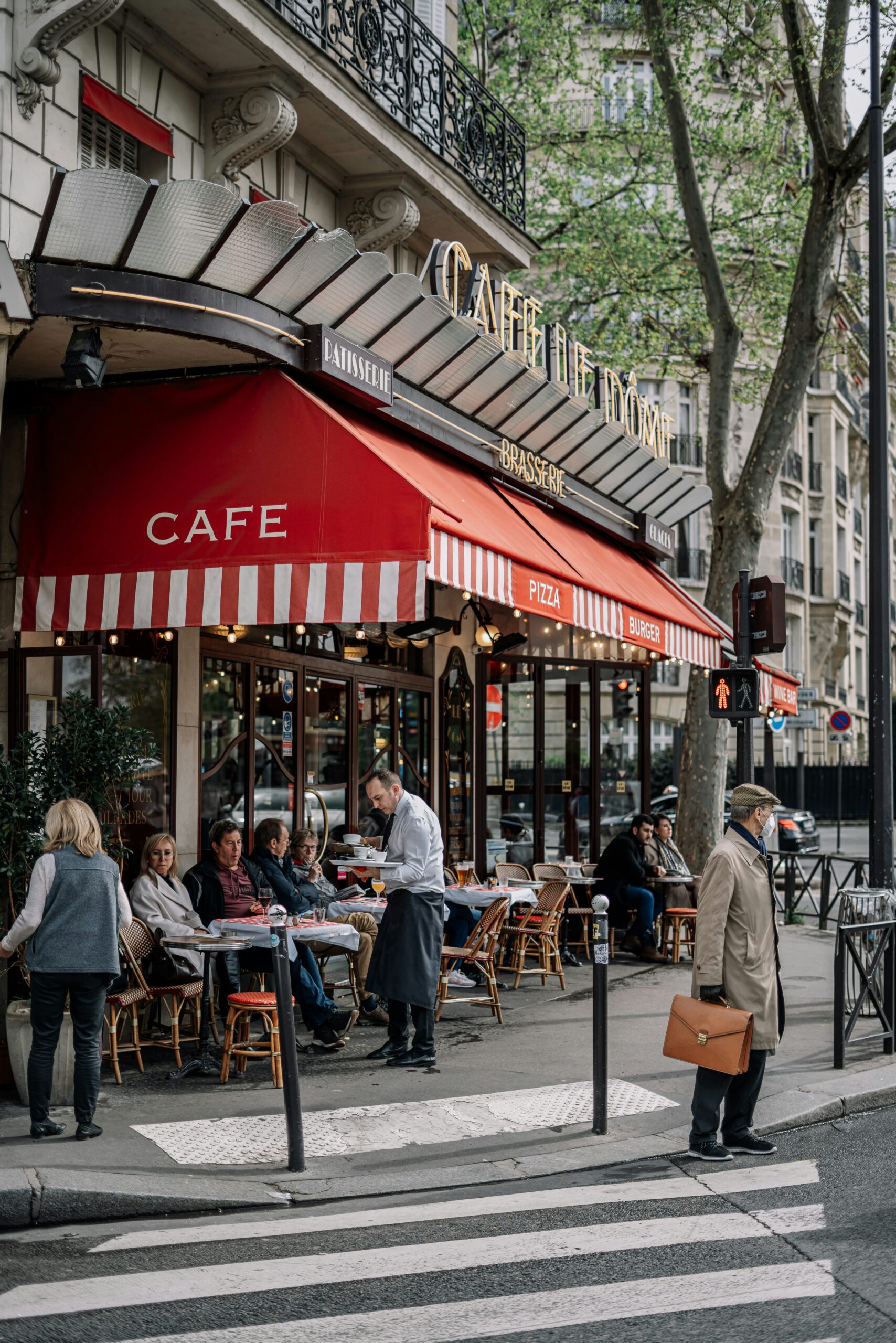
A French café is often less about takeaway coffee and more about occupying a place in the local rhythm. People sit, watch, talk, read, check messages, wait for appointments or meet after the market. In many towns, the café is one of the few everyday spaces where it is normal to be present without having a formal reason.
This can be useful when you are new. You do not need to become instantly social. Simply becoming recognisable helps. The waiter remembers your order. The person at the next table nods. The market vendor has seen you before. That is not friendship yet, but it is the beginning of belonging.
A simple routine that makes you visible in the neighbourhood.
Often one of the best times to see local life rather than tourist life.
Normal in many places; you do not need to be with a group to belong.
Often a different rhythm, not automatically poor service.
The rhythm is different from tourist France
Visitors often experience cafés as part of sightseeing. Residents experience them as part of ordinary structure. The same café may be busy before work, quiet after lunch, full on market day and closed on a day you expected it to be open. A table may be yours for longer than expected. The bill may not arrive until you ask.
This difference matters because newcomers sometimes misread French café habits. Less checking-in can feel like being ignored. A waiter not rushing the bill can feel inefficient. A short greeting can feel cold. In practice, many of these moments are simply different assumptions about personal space, service and pace.
Social life in France is built through repetition
Many people moving abroad underestimate how much of their old social life was automatic. Work, neighbours, family, errands, school networks, clubs and old friends created structure without much effort. After moving to France, that structure has to be rebuilt deliberately.
France can feel polite but closed at first. Local people may already have family, long-term friends and routines. That does not mean you are unwelcome. It means that sudden intimacy is less common than slow recognition. The café, market, association, class or walking group becomes important because it creates repeated contact.
Choose one regular café. Go at the same time once or twice a week instead of constantly changing places.
Learn names slowly. Owner, waiter, neighbour, baker, pharmacist and market vendor matter more than large introductions.
Join local associations. Clubs, walking groups, language exchanges and volunteer groups are often more effective than waiting for invitations.
Mix local and international contacts. International groups help with support; local routines help with integration.
The greeting matters more than newcomers expect
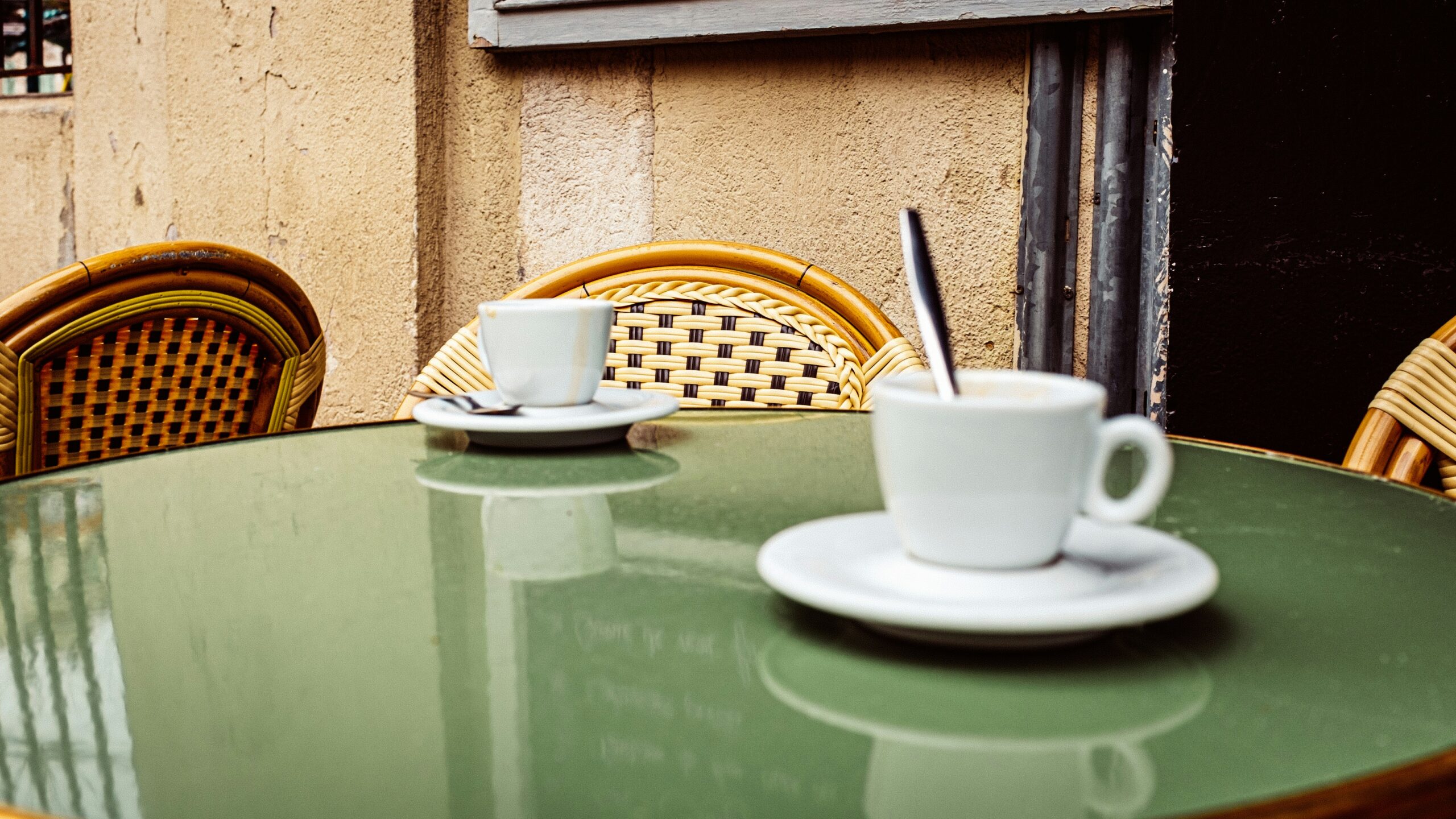
In France, small formalities carry weight. Saying bonjour before asking a question is not decorative. It is part of basic social order. This matters in cafés, bakeries, pharmacies, town halls, small shops, medical offices and even some neighbour interactions.
Newcomers sometimes walk in and ask directly for what they need, especially when stressed. That can feel abrupt. A short greeting, a polite tone and a simple closing phrase can change the whole interaction.
Use it before questions, even when you are only asking something simple.
Closing the interaction politely matters in small daily encounters.
Jumping straight to the problem can feel aggressive in formal settings.
Even imperfect French is often appreciated when polite.
Café costs are small, but routines add up
A coffee, glass of wine or light lunch may not seem important in a relocation budget. But daily habits add up. If a café becomes your social anchor, that is not necessarily wasteful — it may be part of your integration budget. The question is whether the routine supports your life or becomes an unnoticed expense.
A weekly café routine can be worth the cost if it gives structure, local contact and a reason to leave the house. The problem is when people build a tourist-style spending pattern into everyday life without noticing.
For wider cost planning, read Cost of Retiring in France and French Banking Fees Explained for Foreigners.
Local associations are often more important than expat groups
Expat and international groups can be valuable, especially in the first year. They help with practical questions, emotional support and the strange relief of speaking your own language. But relying only on foreign circles can keep France at arm’s length.
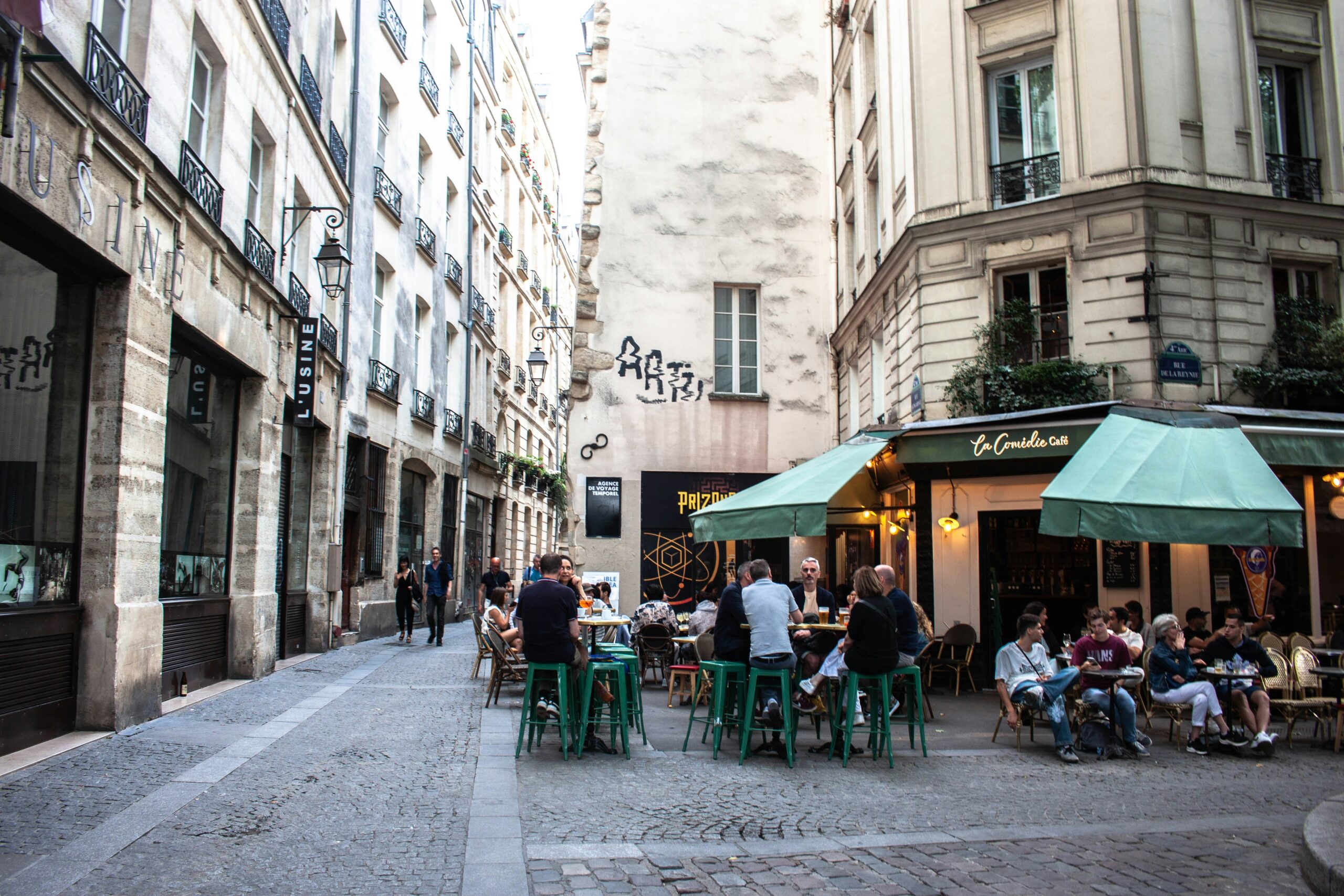
Local associations are where everyday French life becomes more accessible: walking clubs, choir groups, language classes, gardening groups, charity work, cultural committees, bridge clubs, sports clubs and local event teams. These are not always glamorous, but they create repeated contact and practical belonging.
Loneliness can hide behind a beautiful lifestyle
France can be visually beautiful and emotionally lonely at the same time. This surprises many people. A nice apartment, good bread, pretty streets and weekend markets do not automatically replace old friends, family routines, professional identity or the casual conversations that used to happen without effort.
Loneliness often appears after the practical move is finished. The boxes are unpacked. The first tourist excitement is gone. The admin is partly under control. Then ordinary weeks arrive, and the person realises that they have not yet built a real social rhythm.
For the emotional side of moving, read Why Some Retirees Leave France After a Few Years and Daily Life in France After Moving Abroad.
Small towns can be friendly and socially narrow
Small-town France can be warm once you are known, but it can also feel closed if you arrive without language, family ties or local history. People may be polite and helpful without becoming close friends quickly. The same local networks that create community can also make it hard for newcomers to enter.
This is why location matters. A town with cafés, associations, market life, walkable streets, healthcare, transport and year-round residents gives you more chances to build social structure. A remote house with no daily contact points can become isolating even if the property itself is beautiful.
For location planning, read What Makes a French Town Easy to Live In?, Best Walkable Places to Retire in France and Why Walkability Matters More Than Cheap Property in France.
Cultural friction is usually ordinary, not dramatic
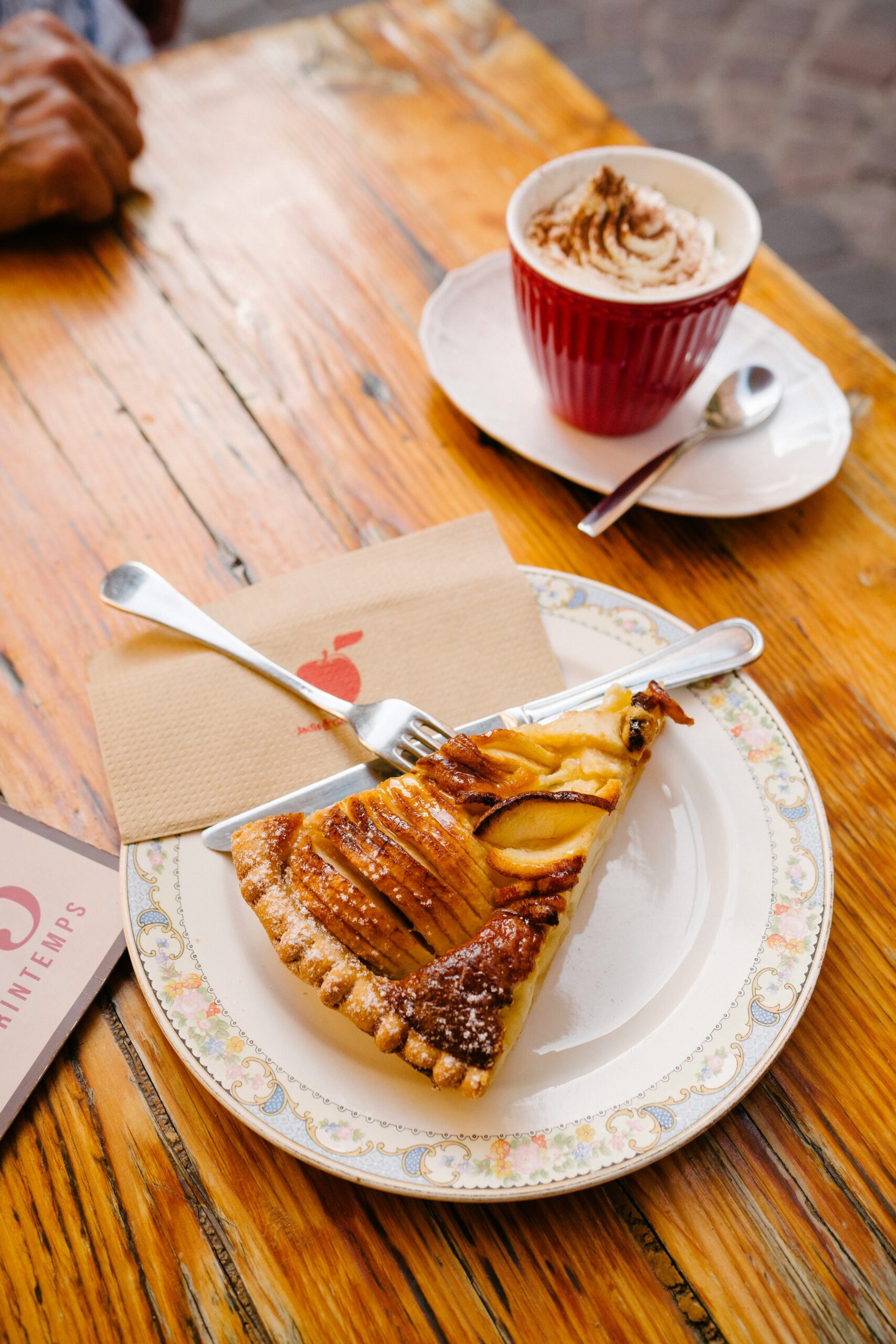
Most cultural friction in France is not dramatic. It is small and repetitive: an appointment that takes longer than expected, a shop closed at lunch, a neighbour annoyed by noise, a waiter who seems distant, a form that asks for another document, a phone call you dread making, a social invitation that never becomes as warm as you hoped.
These moments can build up if you interpret all of them personally. Often they are not personal. They are part of a different social system. The more you understand the rhythm, the less each moment feels like rejection.
It may be less performative than in your home country.
Familiarity often comes before invitations.
Forms and procedures often matter more than personal explanations.
Neighbours may be polite without being socially open immediately.
Healthcare and cafés connect more than you think
Social life affects health. A regular café, walking group or local class is not only pleasant; it can reduce isolation and create informal support. Someone notices if you stop appearing. You learn which pharmacy is helpful. You hear which doctor is taking patients. You discover which bus route works for appointments.
This matters especially for people living alone or moving without family nearby. France may have strong healthcare systems, but daily confidence also comes from having small human contact points around you.
For healthcare planning, read Healthcare in France for Retirees and Pharmacies in France for Retirees.
Transport shapes social life
Social life depends on mobility. If you need a car for every café, class, doctor visit or dinner, your social world may shrink over time. This is not only a question for very old age. Bad weather, night driving, parking stress, alcohol rules, eyesight, confidence and fuel costs all affect how often people go out.
A walkable town or reliable bus route makes spontaneous social life easier. A remote house can still work, but you need to be honest about the cost and effort of leaving it regularly.
For mobility planning, read Public Transportation in France for Retirees and Driving in France as a Retiree.
How to build a practical social routine in France
Pick one regular café. Become a familiar face instead of a permanent stranger.
Use market day. Markets create repeated contact with vendors, neighbours and café routines.
Join one association. Choose something simple and repeatable, not necessarily impressive.
Learn practical French. Focus on greetings, invitations, appointments, apologies and small talk.
Keep a weekly structure. Do not leave every day open and hope social life appears.
Invite modestly. A coffee after market day is easier than trying to create deep friendship immediately.
What people often misunderstand
- A polite neighbour is not automatically a close friend. Friendship may take longer than expected.
- A café routine is not laziness. It can be part of integration and mental health.
- Expat groups are useful but incomplete. They help, but they do not replace local belonging.
- French service is not always cold. It often follows different expectations about distance and attention.
- Language matters even in social life. Basic French changes how confident and approachable you feel.
- Beautiful places can still be lonely. Scenery does not replace routine, transport and human contact.
- Social life is local. Two towns in the same region can feel completely different.
Build a life, not just an address
Cafés, markets, local greetings and repeated routines may look small, but they decide whether France becomes a place you live in or only a place you moved to.