Cost of Retiring in Greece
Cost of retiring in Greece depends on location, housing choice and lifestyle. This guide compares realistic monthly costs for retirees planning a move.
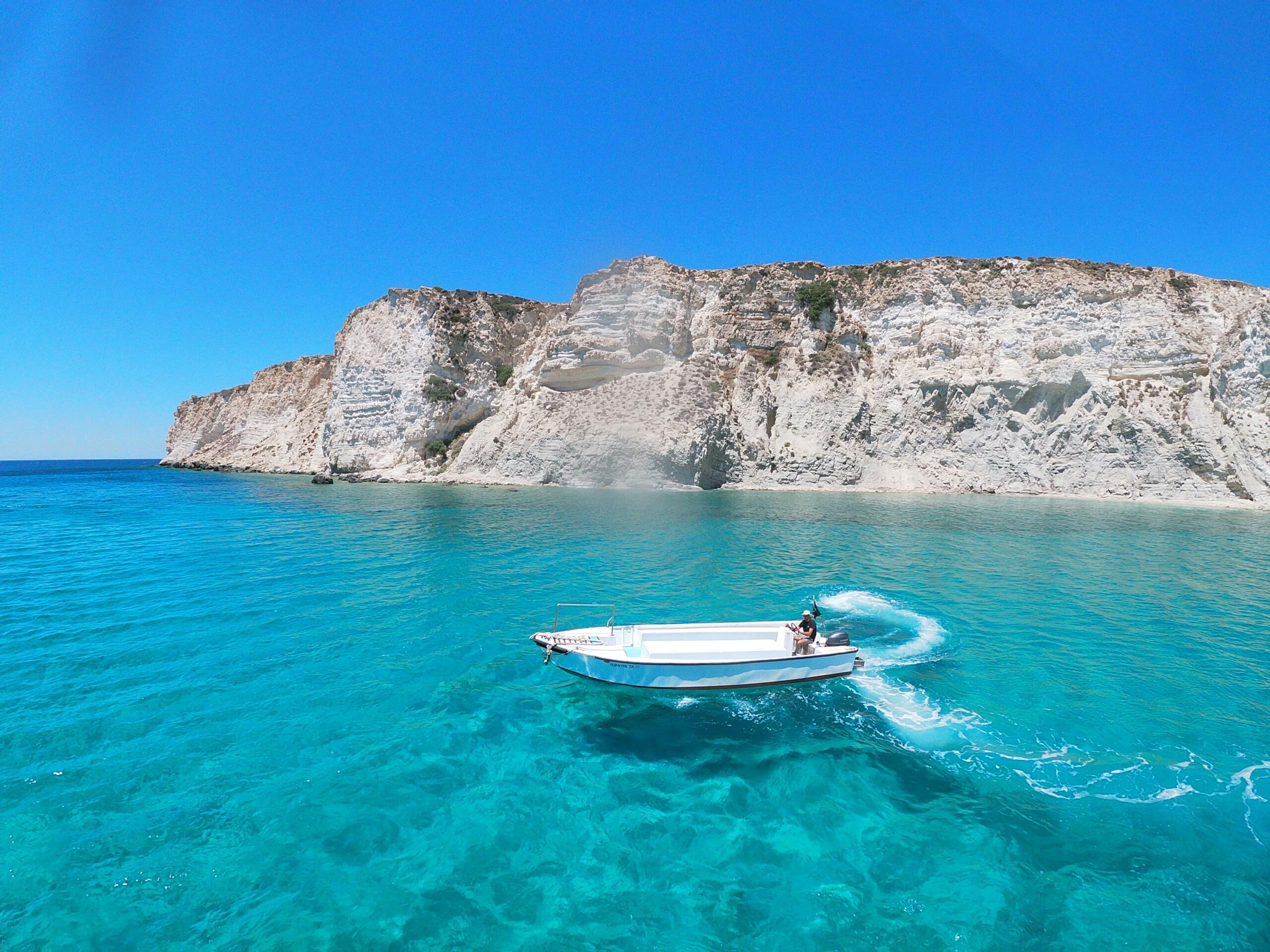
Cost of retiring in Greece: overview
The cost of retiring in Greece is often lower than in many Western European countries, but it varies significantly depending on whether you choose a major city, a popular island or a quieter mainland town.
Athens, Thessaloniki and well-known islands such as Mykonos or Santorini can be more expensive, while Crete, smaller islands and inland mainland areas often provide a lower cost of living with a slower pace of life.
Greece remains attractive for retirees because of climate, coastal lifestyle, food, community atmosphere and relatively affordable living costs in many regions. A realistic plan should compare housing, healthcare, transport, utilities and daily expenses.
If you are still comparing destinations, you can also read our full guide to the best countries to retire in Europe.
How much does it cost to retire in Greece?
The cost of retiring in Greece varies depending on location, housing and lifestyle. Many retirees can expect monthly costs between €1,100 and €2,800 depending on whether they live alone or as a couple.
A single person living in a smaller town or less tourist-heavy island may spend less than a couple renting in Athens or a high-demand coastal destination. Retirees who own property may also reduce their monthly costs significantly.
Estimated monthly retirement budget in Greece
These ranges include typical expenses such as housing, groceries, utilities, transport, insurance, healthcare and everyday spending. A modest lifestyle in smaller towns can be below these levels, while island or city living can be higher.
Housing costs in Greece
Housing is usually the largest expense when calculating the cost of retiring in Greece. Rent varies widely between Athens, islands and smaller mainland towns.
- Athens rent: often €700 – €1,600+ per month
- Popular islands: often €800 – €1,800+ per month depending on tourism demand
- Smaller islands or mainland towns: often €400 – €900 per month
- Owned property: lower monthly cost, but maintenance, utilities and local taxes still apply
Renting first is often recommended. It allows you to experience seasonal changes, tourism levels, healthcare access and daily life before committing to a property purchase.
Food, utilities and daily living costs
Food and everyday living costs in Greece can be relatively affordable, especially if you buy local products and avoid peak tourist areas. Costs tend to rise in high-season island locations.
- Groceries for one person: around €180 – €320 per month
- Groceries for a couple: around €320 – €550 per month
- Utilities: around €90 – €180 per month
- Internet and mobile: around €35 – €70 per month
- Dining out: from €10 – €25 per person depending on location
Healthcare costs for retirees in Greece
Greece has both public and private healthcare options. Access depends on residency status and personal circumstances. Many retirees use private healthcare, especially for faster access and English-speaking services.
- Public healthcare: available after proper registration
- Private insurance: often around €50 – €150 per month depending on age and coverage
- Private doctor consultation: often around €40 – €90
- Dental care and medication should be budgeted separately
Healthcare access can vary depending on location, especially on smaller islands. You can also review official information through Greece’s Ministry of Health.
What affects your total cost?
The total cost of retiring in Greece depends on several practical factors. Two retirees can have very different budgets depending on location, housing and lifestyle.
- Location: Athens and high-demand islands cost more
- Housing: rent is usually the largest monthly expense
- Lifestyle: dining out, travel and leisure activities affect spending
- Healthcare: private insurance and travel for specialist care may be needed
- Seasonality: costs and availability can change during tourist seasons
Understanding the real cost of retiring in Greece is essential before making a relocation decision. A realistic plan should include both monthly costs and a buffer for unexpected expenses.
Is Greece affordable for retirement?
Greece can be one of the more affordable retirement destinations in Europe, especially outside major tourist hotspots. Smaller towns, less-known islands and mainland areas can offer a comfortable lifestyle at a lower cost.
Retirees who are flexible with location often benefit the most. Choosing a less tourist-heavy area can significantly reduce housing and everyday costs while still providing access to the Mediterranean lifestyle.
Moving costs and first-year expenses
The monthly cost of retiring in Greece is only one part of the plan. New arrivals should also consider first-year expenses such as temporary accommodation, rental deposits, furniture, moving belongings, legal paperwork, insurance setup and travel between regions.
These one-time costs can be significant, especially if you relocate to an island or ship belongings. Planning a relocation buffer can help protect your long-term retirement budget.
Compare Greece with other retirement destinations
Greece is only one option for retirement in Europe. If you are still comparing countries, it can be useful to look at nearby destinations with different cost levels, healthcare systems and lifestyle profiles.
Calculate your own Greece retirement cost
General estimates are useful, but your personal retirement budget depends on your own income, savings, housing plan and lifestyle. The Greece retirement calculator lets you test your monthly costs and long-term capital outlook.
Open Greece retirement calculator Read Greece moving guide Compare retirement countries