Internet, SIM Cards and Mobile Plans in France
Internet and mobile service in France can be excellent, cheap and reliable — or surprisingly awkward if you choose the wrong address, assume fibre exists, rely on weak rural signal, sign a contract too early or forget that banking, healthcare, tax and daily administration now depend on being connected.
Moving to France is not just about getting a phone number and Wi-Fi password. Internet and mobile access affect almost every practical system: online banking, electricity accounts, healthcare portals, tax messages, appointment booking, insurance, translation tools, emergency communication and keeping in touch with family abroad. A weak connection can turn small administrative tasks into daily friction.
Start with the exact address, not the town
The biggest internet mistake in France is checking coverage too generally. Fibre may be available in the commune but not at the property. One apartment building may be connected while the building next door is not. A rural house may look peaceful and affordable, but still depend on older copper lines, patchy mobile reception or a 4G router that works only near one window.
Before signing a lease or buying a property, test the exact address. Do not rely on the estate agent saying “there is internet” unless you know what type, which operator, what speed and whether installation is already possible.
Usually the best long-term option if the building or house is actually connected.
Can be acceptable for basic use, but may be slow in rural or older lines.
Useful where fixed internet is weak, but depends heavily on signal quality.
Good as a backup, poor as a permanent solution for serious admin and healthcare use.
Home internet options in France
Most households choose between fibre, older fixed broadband or a mobile-based solution. In cities and many towns, fibre is increasingly common. In rural areas, availability can change street by street. A property can be beautiful, affordable and quiet while still being frustrating for anyone who needs reliable online access.
| Option | Best for | Watch out for |
|---|---|---|
| Fibre box | Streaming, video calls, admin portals, remote work, stable long-term use. | Building connection, appointment delays, installation access and cancellation terms. |
| ADSL or older broadband | Basic email, browsing and light use where fibre is not available. | Speed can be very poor depending on line length and condition. |
| 4G or 5G home box | Homes with poor fixed internet but strong mobile signal. | Signal, data limits, indoor reception and congestion at busy times. |
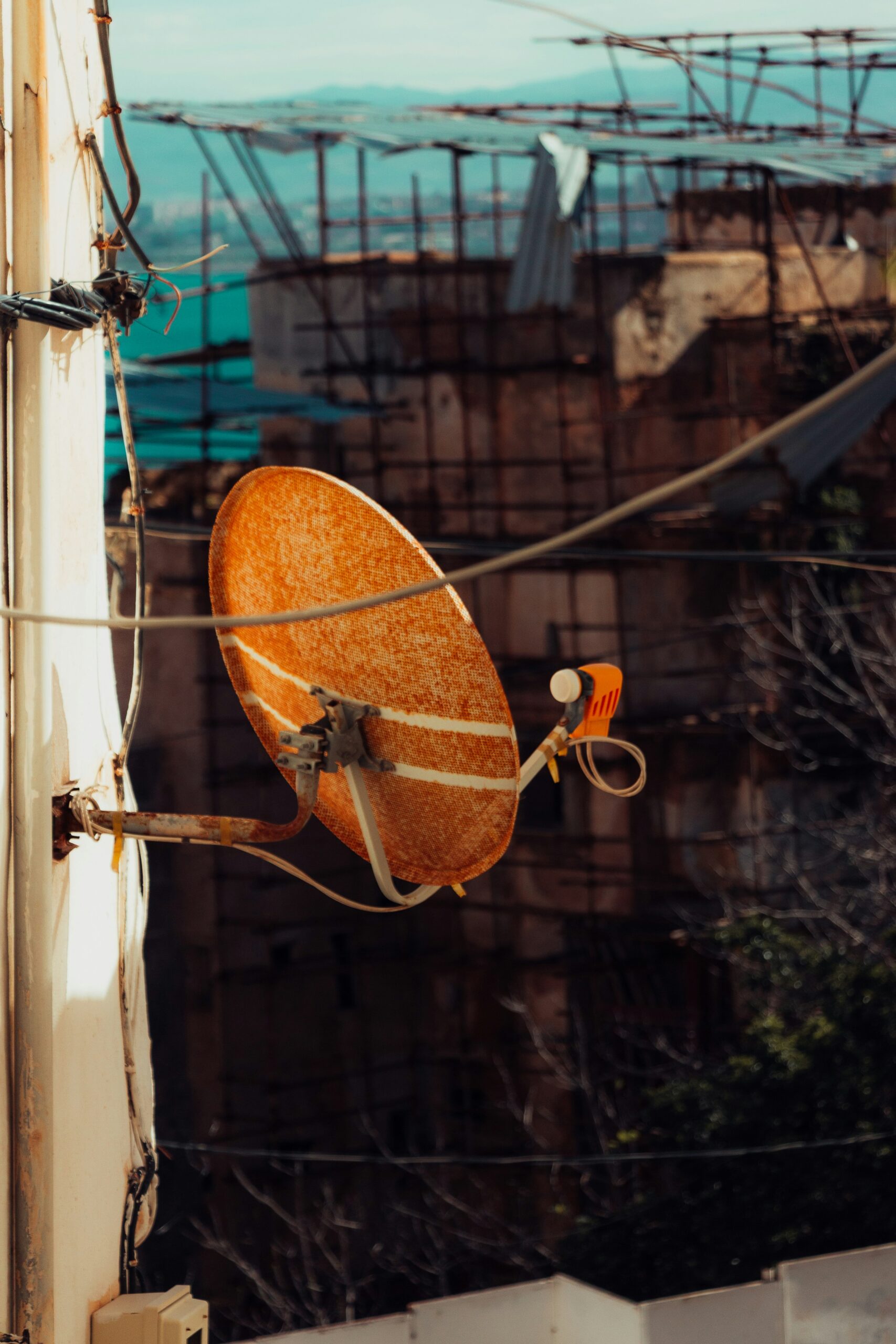
| Satellite or specialist solutions | Remote homes with no practical fixed or mobile alternative. | Cost, installation, weather, latency and support complexity. |
SIM cards and mobile plans: easier than many other systems
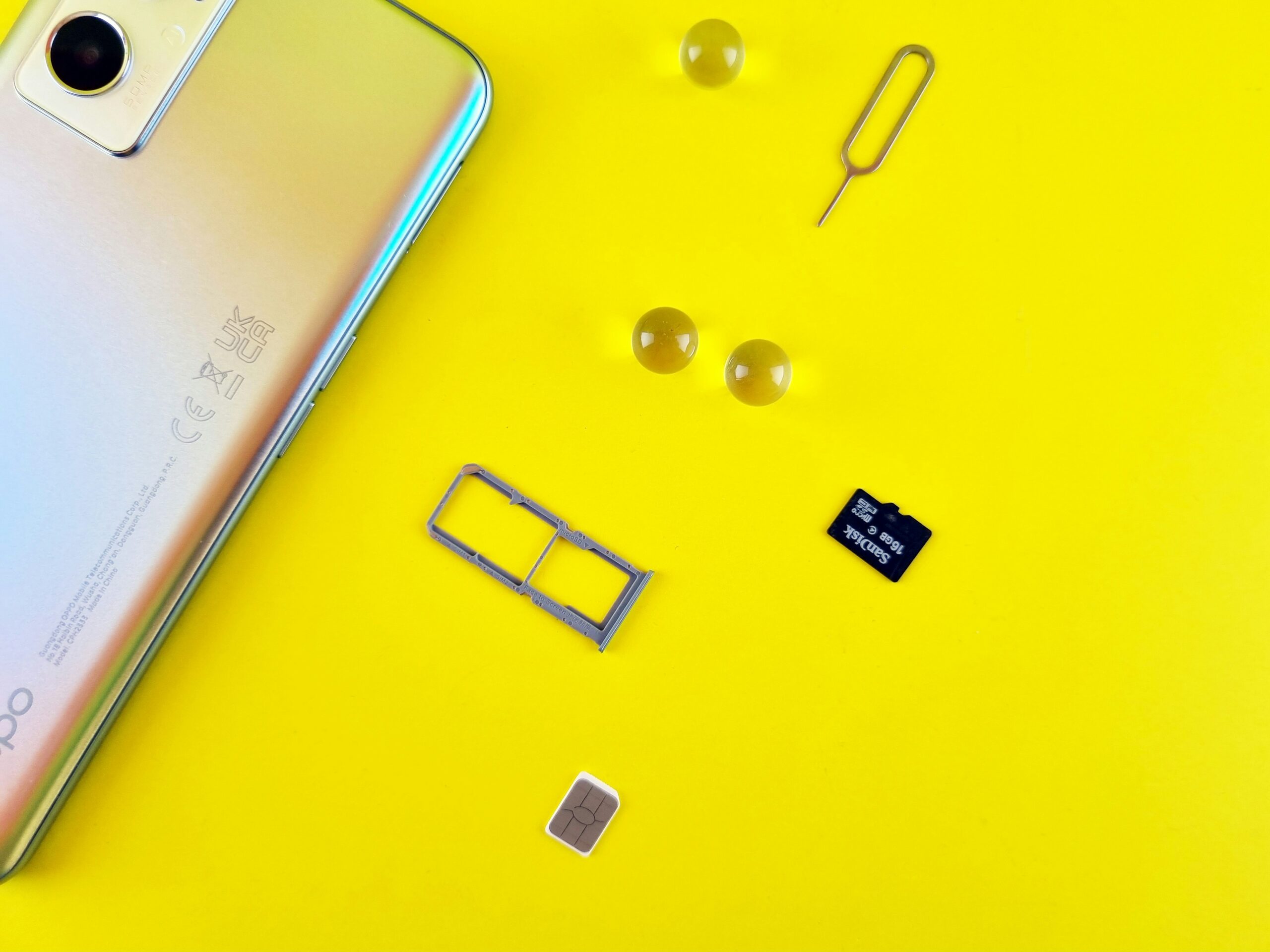
Mobile plans in France are often cheaper and more flexible than newcomers expect. Many people use no-commitment plans with generous data, calls and texts. But the practical issue is not only price. It is coverage where you live, EU roaming conditions, customer service, eSIM support, identity checks and whether you need a French phone number for local services.
A French mobile number can reduce friction when dealing with banks, deliveries, tradespeople, healthcare appointments, insurance, building access and two-factor authentication. Keeping only a foreign number may work at first, but can become awkward when systems expect a French number or when local people hesitate to call abroad.
Useful for arrival, temporary visits or testing coverage before choosing a long-term plan.
Often the best first long-term choice because you can change later.
Convenient if your phone supports it, especially when keeping your old SIM active.
Can be cheaper, but check contract length and cancellation conditions.
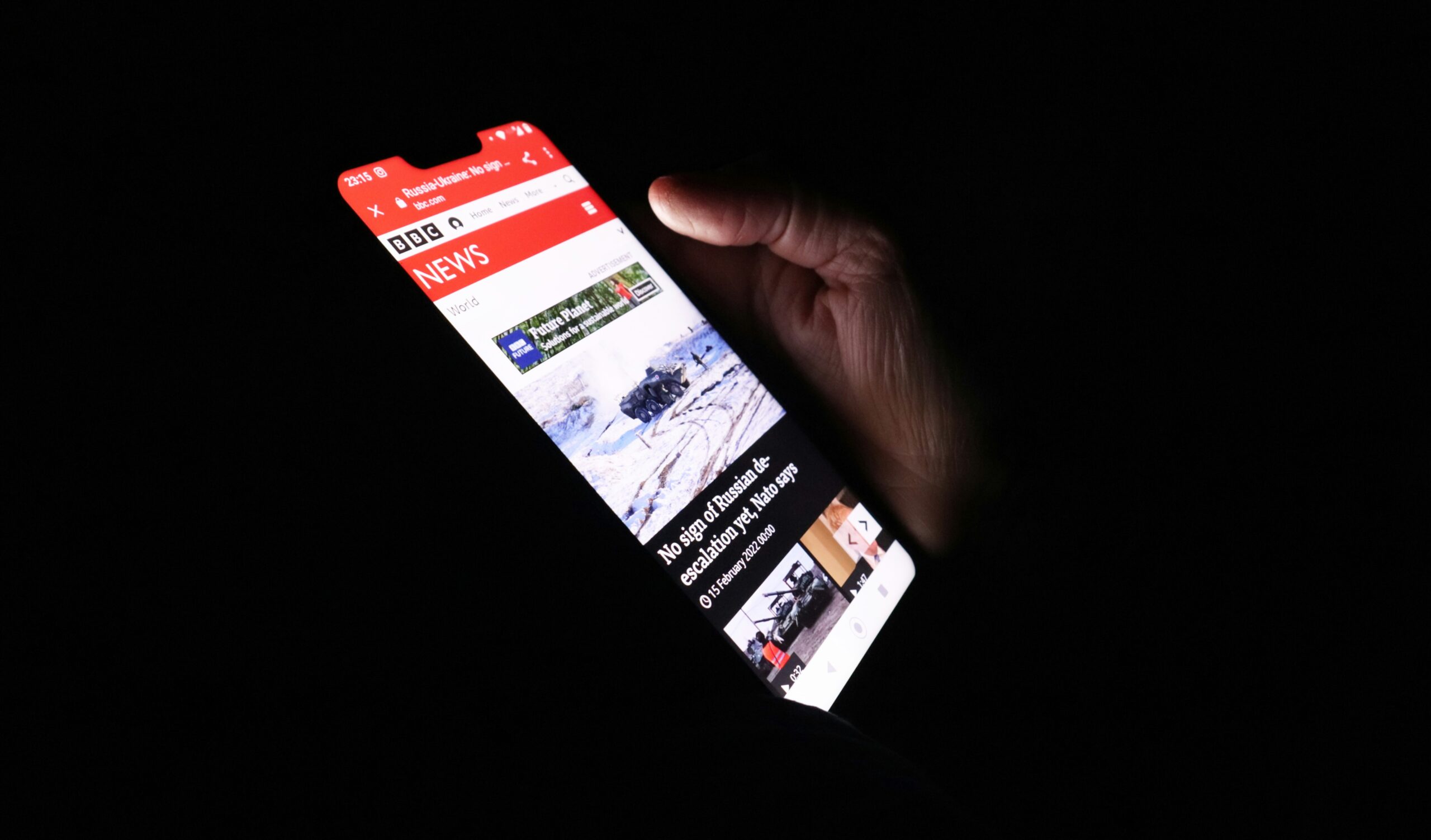
Do not choose a mobile operator only by price
The cheapest plan can be perfectly fine in one city and frustrating in a rural valley, stone house or coastal area with seasonal congestion. Coverage can also differ indoors and outdoors. Thick walls, old buildings, hills and distance from antennas all matter.
Test before committing. Walk around the property. Check signal in the bedroom, kitchen, terrace, garage and any room where you expect to make calls. If you use medical apps, banking apps or two-factor authentication, test those too.
What to test in real life
- Can you make and receive calls indoors?
- Does mobile data work in the rooms you actually use?
- Can you receive bank and healthcare verification texts?
- Does the signal drop in bad weather or busy tourist periods?
- Does the network work at the pharmacy, doctor, supermarket and railway station?
- Would the phone work if your home internet failed?
Arrival strategy: keep your old number, add a French number
During the first months, many people need both their old number and a French number. Your old number may still receive bank codes, pension messages, family calls and home-country healthcare or tax notifications. A French number helps with deliveries, landlords, agencies, tradespeople and local administration.
If your phone supports dual SIM or eSIM, this can be simple. If not, you may need a second phone temporarily. Do not cancel your old number too early. Losing access to old banking or identity systems while trying to set up French life can create a mess.
RIO portability: keeping a French number when switching provider
Once you already have a French mobile number, switching provider while keeping that number is usually done through the RIO system. The practical idea is simple: you get the identifier linked to your current number, give it to the new operator and the new operator handles the porting process.
This is useful if your first French plan was only a temporary arrival plan. You can start with a flexible option, test coverage and then move to a better deal later without changing the number you have already given to banks, doctors, insurers and delivery services.
Home internet installation: where delays happen
Internet installation can be fast when the property is already connected and the previous line is clear. It can also become slow if the address is difficult, the fibre route is blocked, building access is needed, the previous occupant did not close properly or the installer cannot access the technical point.
This is especially relevant for apartments, rural houses and old buildings. A property can be marked as eligible, yet still require practical installation work. If you depend on internet for work, banking or healthcare communication, arrange a backup mobile plan before the appointment.
Check exact address eligibility. Do this before signing, not after moving.
Ask if a line already exists. Previous service can make setup easier.
Confirm access. Apartments may need building, basement or shared-area access.
Keep a mobile backup. Do not assume installation will work on the first appointment.
Test after installation. Check speed, Wi-Fi reach and calls before the installer leaves if possible.
Contracts, boxes and cancellation traps
French internet and mobile contracts vary. Some are flexible; others include commitment periods, equipment return rules, setup fees or cancellation fees. The monthly price is not the whole decision. You need to know how easy it is to leave, whether the router must be returned, whether promotional pricing rises later and what happens if you move.
This matters for newcomers because the first address in France is often not the final address. You may rent for a year, then buy. You may move from a rural house to a town apartment. You may discover the network is poor and want to switch. Flexibility has value.
Usually safer during the first year while you learn where you will live long term.
Check what the price becomes after the offer period ends.
Routers and TV boxes may need formal return after cancellation.
Confirm whether the service can transfer to the new address.
Why internet access affects healthcare and aging well
Internet is not a luxury detail for long-term life in France. Healthcare appointments, lab results, prescription communication, insurance messages, tax documents and local administration increasingly depend on digital access. For couples, widows, people living alone or anyone managing medication and appointments, reliable communication matters.
Poor signal also affects safety. If a landline is gone, mobile coverage becomes the backup during power cuts, falls, illness or urgent calls. A peaceful rural property can become stressful if you must walk outside to get a signal during bad weather.
For the healthcare side, read Healthcare in France for Retirees and Emergency and Urgent Help in France for Retirees.
Rural France: beautiful, but test everything
Rural France can offer space, quiet and lower housing costs. But internet and mobile coverage can be one of the hidden tradeoffs. The problem is not only slow streaming. It is missed calls from tradespeople, failed banking logins, poor video calls with family, weak healthcare communication and delays when trying to solve administrative problems.
This does not mean rural living is wrong. It means connectivity should be treated like heating, transport and healthcare access: a core livability factor. A house that feels cheap can become difficult if every online task requires workarounds.
For wider housing tradeoffs, read Buying Property in France for Retirement – What Expats Get Wrong and What Makes a French Town Easy to Live In?.
What to do during your first week in France
Keep your old phone number active. Do not lose access to existing bank and pension verification systems.
Buy a temporary French SIM or eSIM. Use it for local calls, deliveries and coverage testing.
Test mobile signal at home. Check inside rooms, not only outside the front door.
Check exact home internet eligibility. Do not rely on general town coverage.
Order home internet early. Leave time for appointment delays or access problems.
Update important accounts slowly. Banking, healthcare, tax, insurance and utilities should be changed carefully.
Common mistakes with internet and phones in France
- Assuming fibre means the exact property is connected. Availability must be checked address by address.
- Choosing the cheapest mobile plan without testing coverage. A cheap plan is useless if it fails indoors.
- Cancelling the old number too soon. This can lock you out of banking, pension and identity systems.
- Signing a long contract during the first week. You may not yet know your real usage or final address.
- Forgetting equipment return rules. Internet boxes and routers may need formal return after cancellation.
- Ignoring rural signal problems. Weak mobile reception affects safety, healthcare and daily administration.
- Depending on public Wi-Fi. Cafés and libraries are not a reliable long-term system for private admin.
- Not keeping contract details. Account numbers, login details and cancellation terms matter later.
How internet fits into the wider move
Internet and mobile setup should be handled alongside banking, utilities, housing and healthcare. You may need a phone number for bank security, a bank account for direct debits, internet for utility portals and a working mobile connection for appointment reminders. These systems overlap.
If you are still planning the move, read Moving to France – Step-by-Step Guide, Setting Up Utilities in France Step by Step, Opening a Bank Account in France as a Foreigner and How French Bureaucracy Works for Retirees.
Choose connectivity for real life, not just price
The right internet and mobile setup in France is the one that works where you actually live: inside your home, at the doctor, at the pharmacy, on local transport, during admin tasks and when something goes wrong.