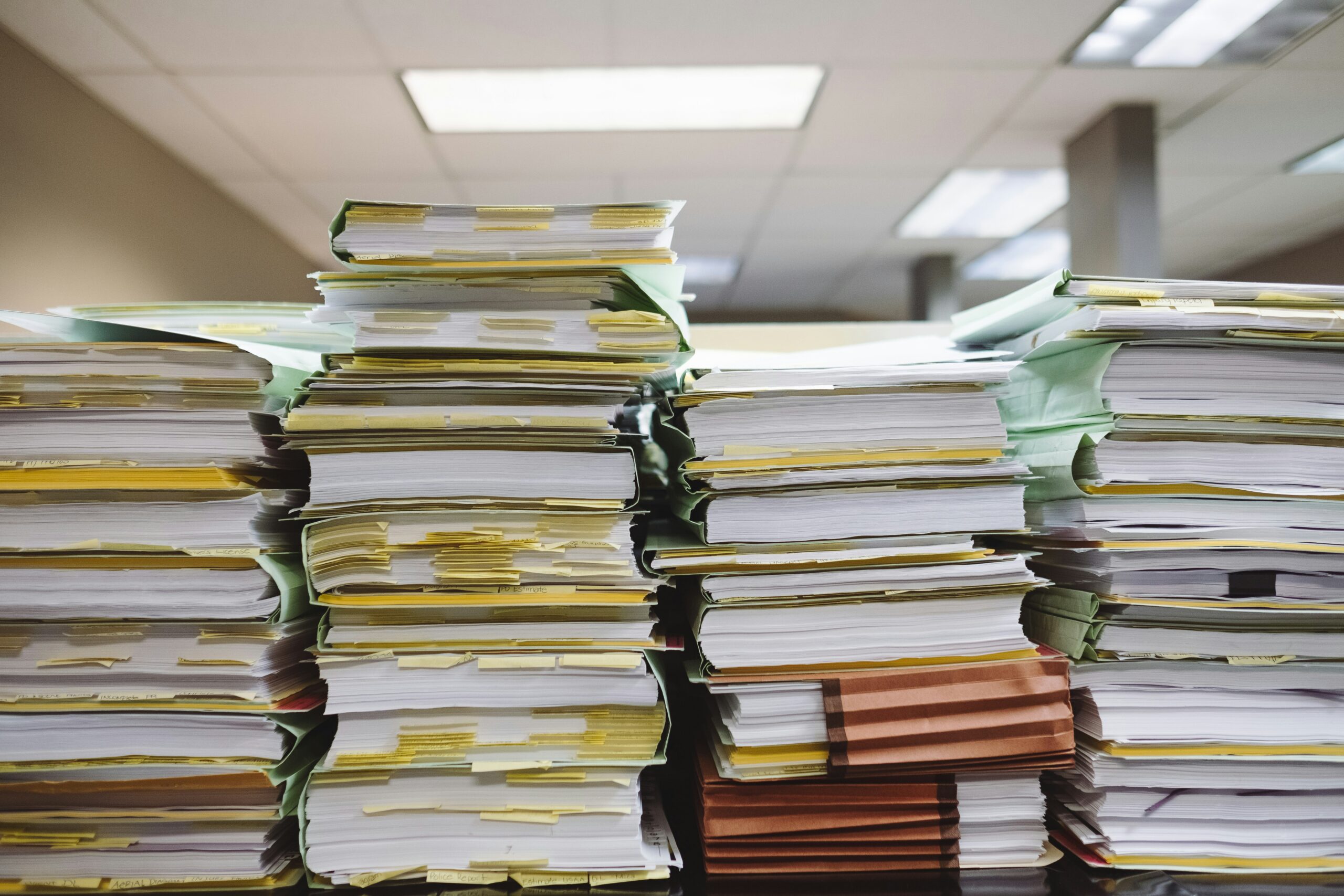
French bureaucracy is not impossible, but it is procedural
The main mistake many retirees make is expecting everything to work quickly online. France has digital portals, but many important processes still depend on documents, appointments, mailed letters and local offices.
This can affect banking, healthcare registration, tax setup, housing documents, insurance and long-term residency administration.
- one office may ask for a document another office did not mention;
- copies may be required even when documents were uploaded online;
- appointments may be hard to book;
- letters can arrive slowly;
- processing times vary widely between departments.
The first year is usually the hardest
For many retirees, the first year in France is a chain of practical setup tasks. Each individual step may be manageable, but together they can feel exhausting.
A typical first-year paperwork list may include:
- opening or activating a French bank account;
- proving a French address;
- registering for healthcare;
- organising health insurance or top-up insurance;
- setting up tax access;
- getting home insurance;
- arranging utilities and internet;
- keeping visa or residency documents updated.

Healthcare paperwork can test your patience
France has a strong healthcare system, but registration can take time. Retirees may need to deal with CPAM, proof of residence, pension documentation, translated birth certificates and reimbursement procedures before everything feels smooth.
Some retirees receive healthcare access relatively quickly. Others wait months for full processing and their Carte Vitale.
- medical appointments may need to be paid upfront at first;
- paper reimbursement forms may be needed before the system is complete;
- translated documents may be requested;
- the same paperwork may be requested more than once;
- online accounts may not work until registration is fully processed.

Banking can create a chicken-and-egg problem
French banks often ask for proof of address, identity documents, income information and sometimes tax details. The problem is that new arrivals may need a bank account before they can fully organise housing, insurance, utilities or mobile contracts.
This creates a common circular problem:
- the bank asks for proof of French address;
- the landlord asks for French banking details;
- utilities may require a local payment method;
- some offices prefer documents showing a French account or French address history.

Local offices matter more than people expect
France is a national system, but many practical experiences are local. A retiree in a rural department may have a different experience from someone in Lyon, Nice, Bordeaux or Paris.
Processing speed, appointment availability and document interpretation can vary depending on the local office handling your file.
- one department may process healthcare files faster than another;
- some offices may require in-person appointments;
- some staff may accept documents that another office rejects;
- rural areas may have fewer appointment slots;
- large cities may have more services but heavier demand.
French tax registration can feel confusing at first
The French tax system becomes easier once your account is established, but the first declaration year is confusing for many retirees.
Foreign pensions, investment income, rental income, healthcare-related contributions and double-taxation rules may all need attention.

Common problems include:
- not knowing when French tax residency starts;
- misunderstanding pension declaration rules;
- confusing gross and net income documents;
- missing deadlines because letters arrive slowly;
- assuming tax systems communicate automatically across borders.
Appointments, copies and patience are part of the system
France rewards preparation. Retirees who arrive at appointments with organised folders, printed copies and calm expectations usually have a better experience.
Useful habits include:
- keeping a physical folder for each topic;
- bringing passport copies even when not requested;
- saving every official letter;
- keeping proof of address documents updated;
- scanning all important paperwork;
- tracking dates, reference numbers and office names;
- asking for written confirmation where possible.

Language becomes more important during administration
Many retirees manage daily life in France with limited French, especially in areas with international communities. Bureaucracy is different.
Administrative language can be formal, technical and unforgiving. Even retirees who manage cafés, markets and neighbours reasonably well may struggle with official letters.
- healthcare letters may use unfamiliar terminology;
- tax notices may be difficult to interpret;
- bank documents can contain dense legal language;
- appointments may not be available in English;
- phone support can be difficult if confidence is low.
What retirees should prepare before moving
- multiple passport copies;
- birth certificates and marriage certificates if relevant;
- certified translations where required;
- pension statements;
- bank statements;
- proof of health coverage;
- proof of address history;
- tax residency documents from your previous country;
- digital and printed copies of everything.
Final thoughts
French bureaucracy can be frustrating, especially for retirees used to faster digital systems. But it is rarely a reason to avoid France altogether.
The key is planning for the administrative phase instead of treating it as an unexpected failure.
France often becomes much easier once banking, healthcare, tax access and local documents are in place. The first year is about patience, organisation and realistic expectations.
For retirees who want France long term, bureaucracy is not the lifestyle. It is the gateway into the lifestyle.
Continue planning your move to France
French paperwork connects closely with housing, healthcare, banking, tax planning and monthly cost expectations.