Bringing Your Car to France From Another EU Country
Bringing your own car to France sounds logical and economical, especially if you already own a reliable vehicle. But many retirees discover that registration, insurance, inspections, parking realities and French environmental rules create far more friction than expected.
Many people assume moving a car within the EU is simple because there are no customs borders in the traditional sense. The reality is that French administration still expects proper registration, paperwork, inspections and environmental compliance once you become resident.
Retirees often bring their existing vehicle because:
- they already trust the car
- they know the maintenance history
- they want to avoid French bureaucracy initially
- they believe importing is cheaper than buying locally
Sometimes this works very well. Sometimes the vehicle quietly becomes a long-term burden because it does not fit French daily life.
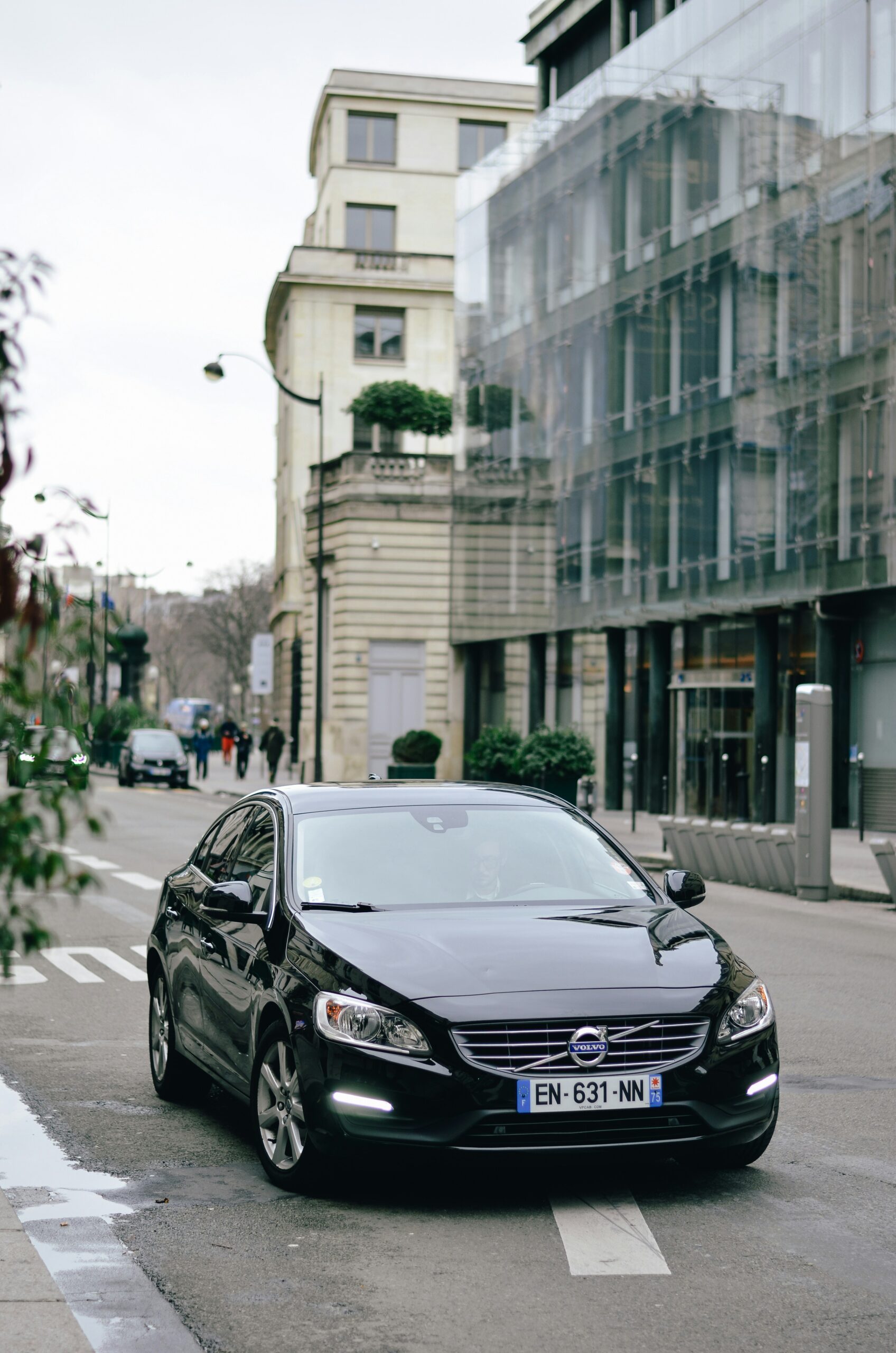
French Registration Eventually Becomes Necessary
Many retirees initially continue driving on their original EU registration plates after moving. But once you become resident in France, the vehicle normally needs to transition into the French registration system.
This often involves:
- French address documentation
- proof of ownership
- identity documents
- insurance paperwork
- technical inspection records
Foreigners frequently underestimate how dependent French systems are on administrative consistency. One missing document can slow the process dramatically.
Crit’Air Can Completely Change the Calculation
France uses low-emission classifications called Crit’Air. Certain cities restrict older or more polluting vehicles, especially diesel cars.
This creates a major trap for retirees bringing older vehicles from elsewhere in Europe:
- the car may still function perfectly
- insurance may still be affordable
- but city access may gradually become restricted
Many retirees moving to France focus heavily on countryside dreams, then later realize they still need access to:
- hospitals
- airports
- larger cities
- specialists
- urban infrastructure

Large Cars Become Exhausting in Many French Towns
One of the biggest long-term mistakes foreigners make is bringing oversized vehicles into environments built centuries before modern cars existed.
Daily French reality often means:
- tiny underground garages
- narrow village streets
- tight parking bays
- parallel parking everywhere
- scooters squeezing through traffic
Many retirees who originally loved their large SUV eventually become tired of:
- parking stress
- parking damage
- insurance costs
- fuel consumption
- city driving fatigue
Insurance May Become More Complicated
Foreign insurance histories do not always transfer smoothly into French systems.
Insurance companies commonly evaluate:
- French driving history
- urban vs rural address
- vehicle type
- claims history
- parking environment
Imported vehicles sometimes create extra complications because:
- parts availability differs
- repair pricing varies
- documentation may require translation
- certain models are uncommon locally
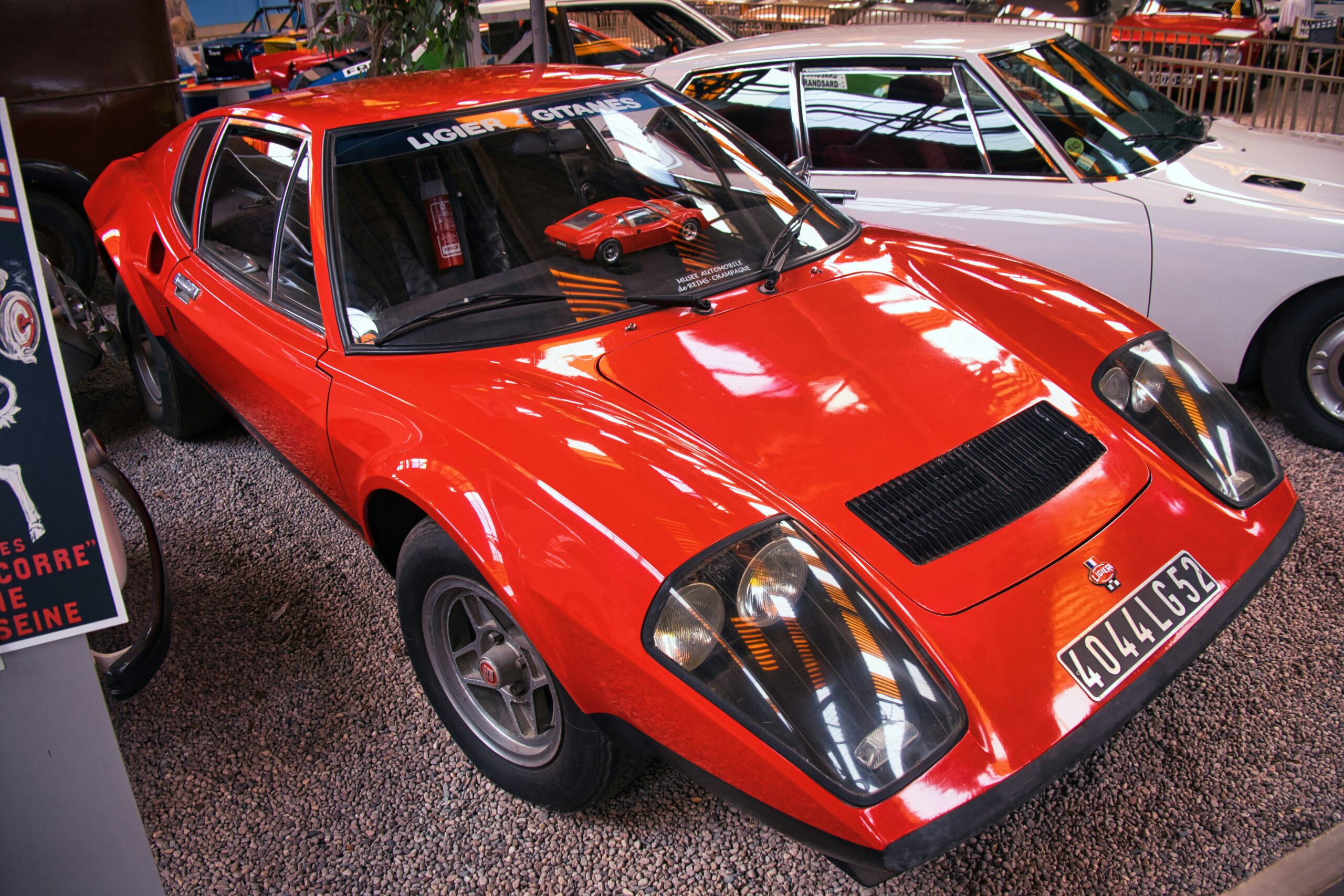
Toll Roads and Long-Term Costs
Retirees often focus on import costs while forgetting the ongoing transportation realities waiting afterward.
In France, long-term vehicle ownership often means:
- motorway tolls
- fuel costs
- parking fees
- maintenance
- vehicle inspections
- insurance increases
A countryside retirement property may look economical initially, but constant long-distance driving can quietly reshape the monthly budget.
Contrôle Technique Surprises
France uses vehicle inspections called contrôle technique. Many foreigners discover that older imported cars may need repairs sooner than expected.
Common problems include:
- lights
- brakes
- tyres
- emissions
- windshield damage
- rust
Cars from common European brands usually adapt more easily because:
- parts are available
- mechanics know them well
- repair costs are more predictable
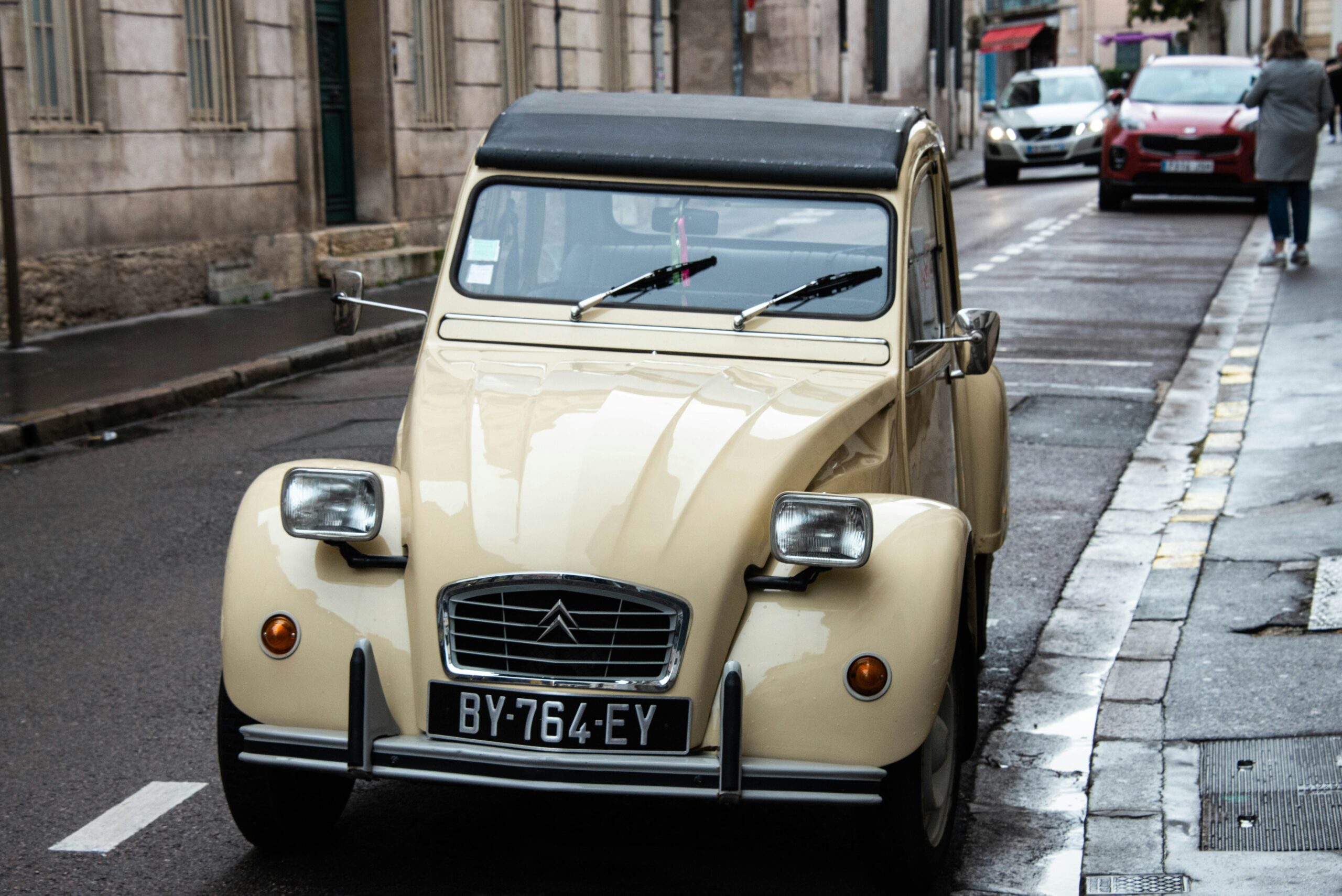
When Keeping Your Existing Car Makes Sense
Bringing your existing vehicle to France often works best when:
- the vehicle is relatively modern
- emissions are compatible with Crit’Air zones
- the car is reasonably compact
- maintenance history is excellent
- parts are widely available
It works less well when:
- the car is oversized
- it is an older diesel
- you depend heavily on city access
- parking is difficult
- maintenance becomes complicated
Final Thoughts
Bringing your car to France from another EU country can absolutely make sense. But the best decisions usually come from evaluating long-term lifestyle realities instead of emotional attachment to the vehicle.
The strongest setups usually involve:
- practical vehicle size
- reasonable parking access
- moderate driving dependency
- good local infrastructure
- future mobility planning
In France, transportation quality is often less about horsepower and more about reducing friction in everyday life.