Buying Property in France for Retirement – What Expats Get Wrong
Many retirees dream about owning a beautiful home in France: stone villages, vineyards, countryside views or elegant apartments near cafés and markets.
France can offer extraordinary retirement properties, but many expats focus too heavily on romance and purchase price while underestimating heating, maintenance, healthcare access, bureaucracy and long-term aging realities.
Many retirees buy for the dream, not for long-term practicality
This is probably the most common mistake retirees make when buying in France. People often choose homes based on scenery, gardens, old stone architecture, holiday emotions and attractive purchase prices.
What they think about much less is healthcare access, winter heating costs, maintenance workload, distance to shops, later-life driving, stairs, humidity, insulation and future aging realities.
Quick answer: what do expats get wrong?
Stone walls, views and gardens can hide heating, damp, roof and renovation problems.
Healthcare, shopping, pharmacies and transport become more important later in retirement.
A house that feels wonderful in summer can become cold, damp and expensive in winter.
Stairs, gardens, repairs and rural driving can become harder at 75 or 80.
RetirePlan reality: a retirement property should work not only during active early retirement years, but also during illness, reduced mobility and aging.
Old French houses often look romantic but hide expensive realities
Many rural French homes are charming precisely because they are old. Thick stone walls, wooden beams and traditional village architecture attract retirees emotionally.
But older homes often come with poor insulation, humidity and mold, cold winter interiors, old roofs, outdated electrical systems, inefficient heating and expensive renovation requirements.
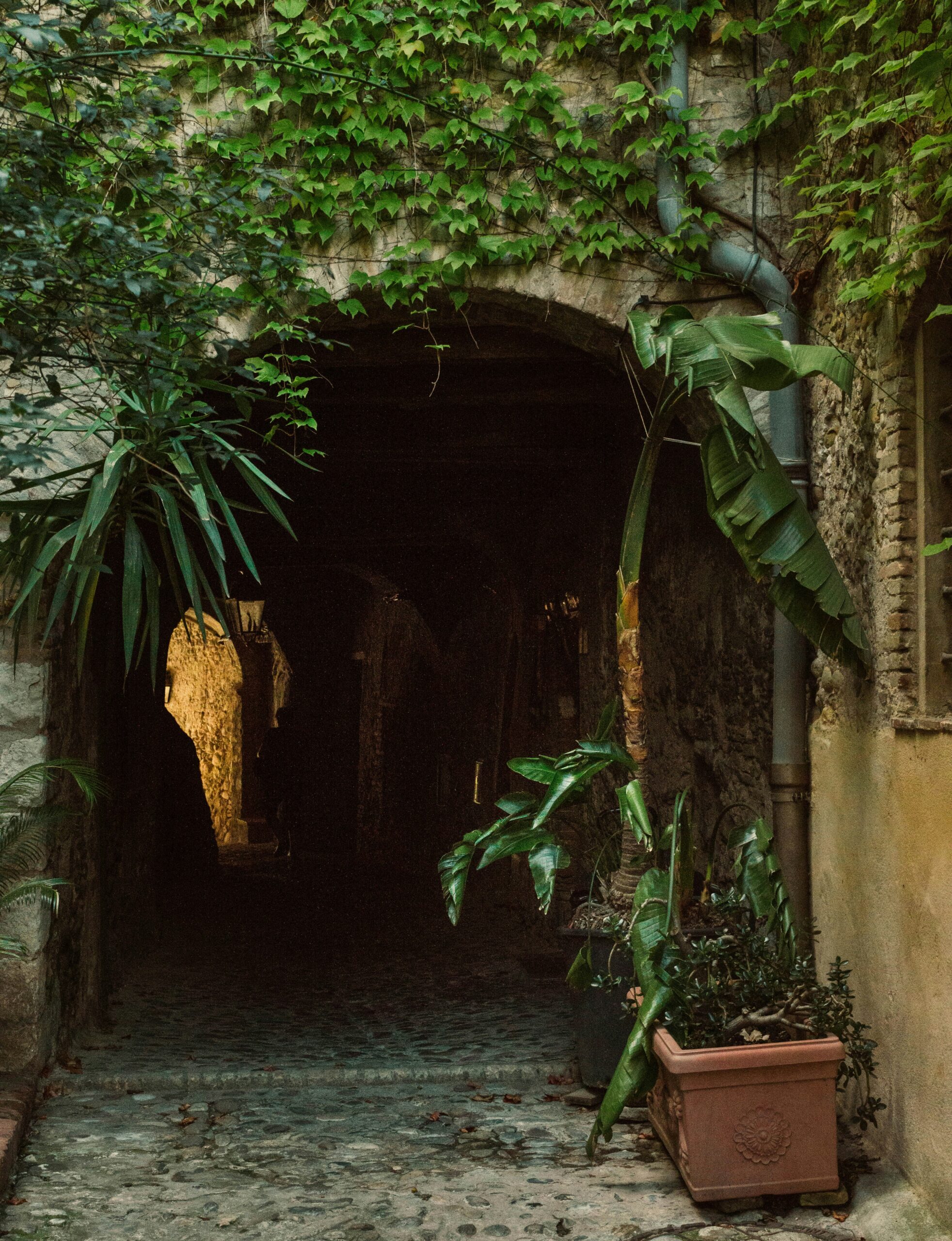
Common mistake: visiting a stone house during sunny summer weather and completely underestimating winter moisture and heating reality.
Heating, DPE ratings and hidden property costs
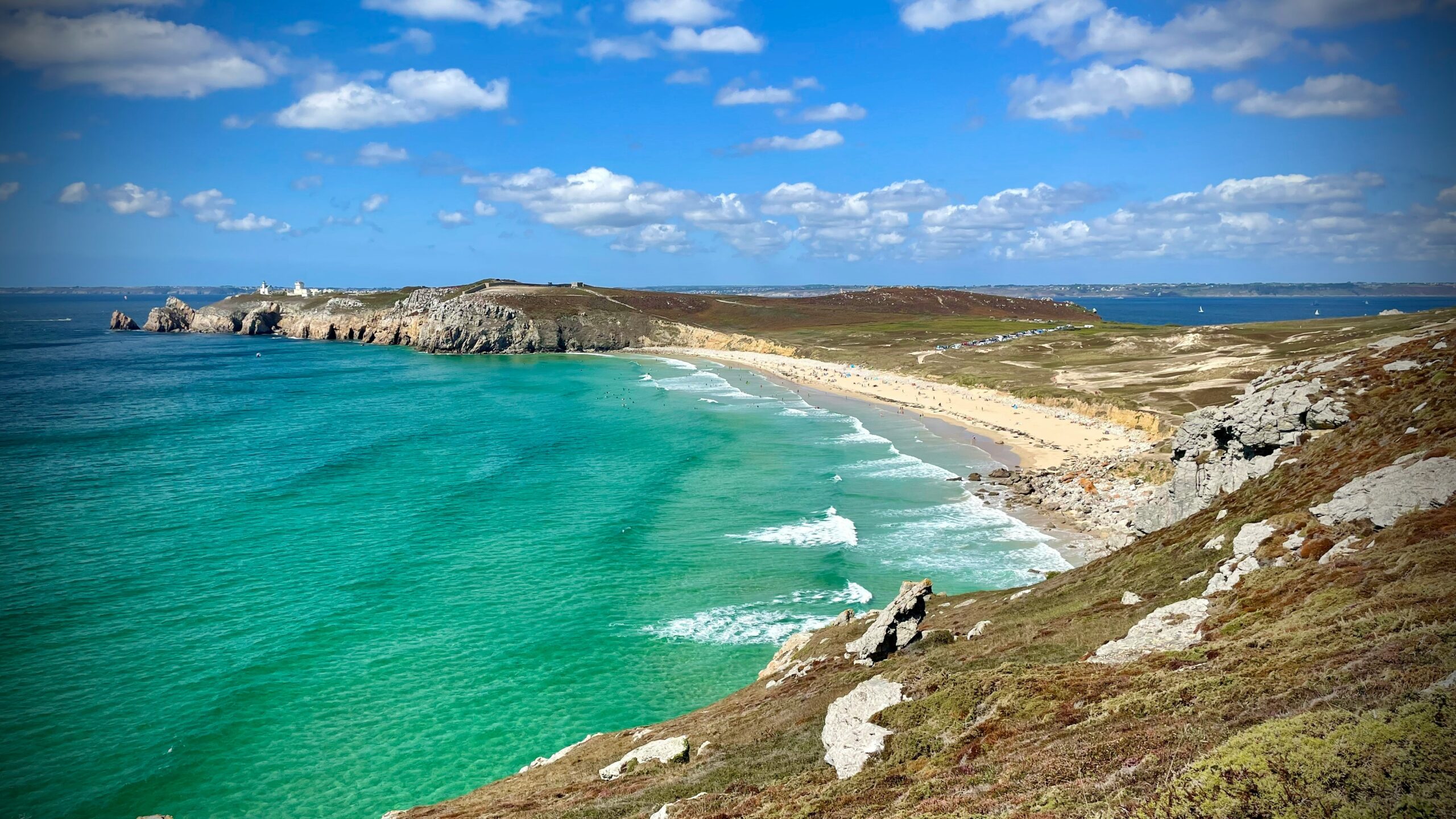
Heating surprises are extremely common in France, especially among retirees coming from warmer expectations or modern insulated housing.
Large old houses may require wood heating, oil heating, pellet systems, electric radiators or multiple heating methods at the same time. Poorly insulated homes can become expensive quickly during winter.
Poor energy ratings often mean high heating costs and future upgrade pressure.
A low purchase price can simply mean high long-term heating and maintenance costs.
Distance becomes more important later in retirement
Many retirees initially enjoy peace and isolation. Years later, practical distance can become stressful.
Healthcare access is not only about the nearest hospital. Retirees also need to think about pharmacies, prescription renewals, emergency care, private specialists and whether routine medical appointments remain manageable without stressful travel.

Buying costs, gardens and maintenance are often underestimated
The advertised property price is not the final cost. Retirees also need to budget for notaire fees, property taxes, insurance, maintenance, renovations, heating upgrades, internet installation and garden or land maintenance.
Notaire fees, insurance, banking, taxes and administrative steps can add up.
Heating, repairs, contractors, land, gardens, internet and utility upgrades continue after purchase.
A huge garden may feel exciting at 62 and exhausting at 77.
Many retirees eventually move from rural homes into towns or from houses into apartments.
Internet, infrastructure and bureaucracy still matter enormously
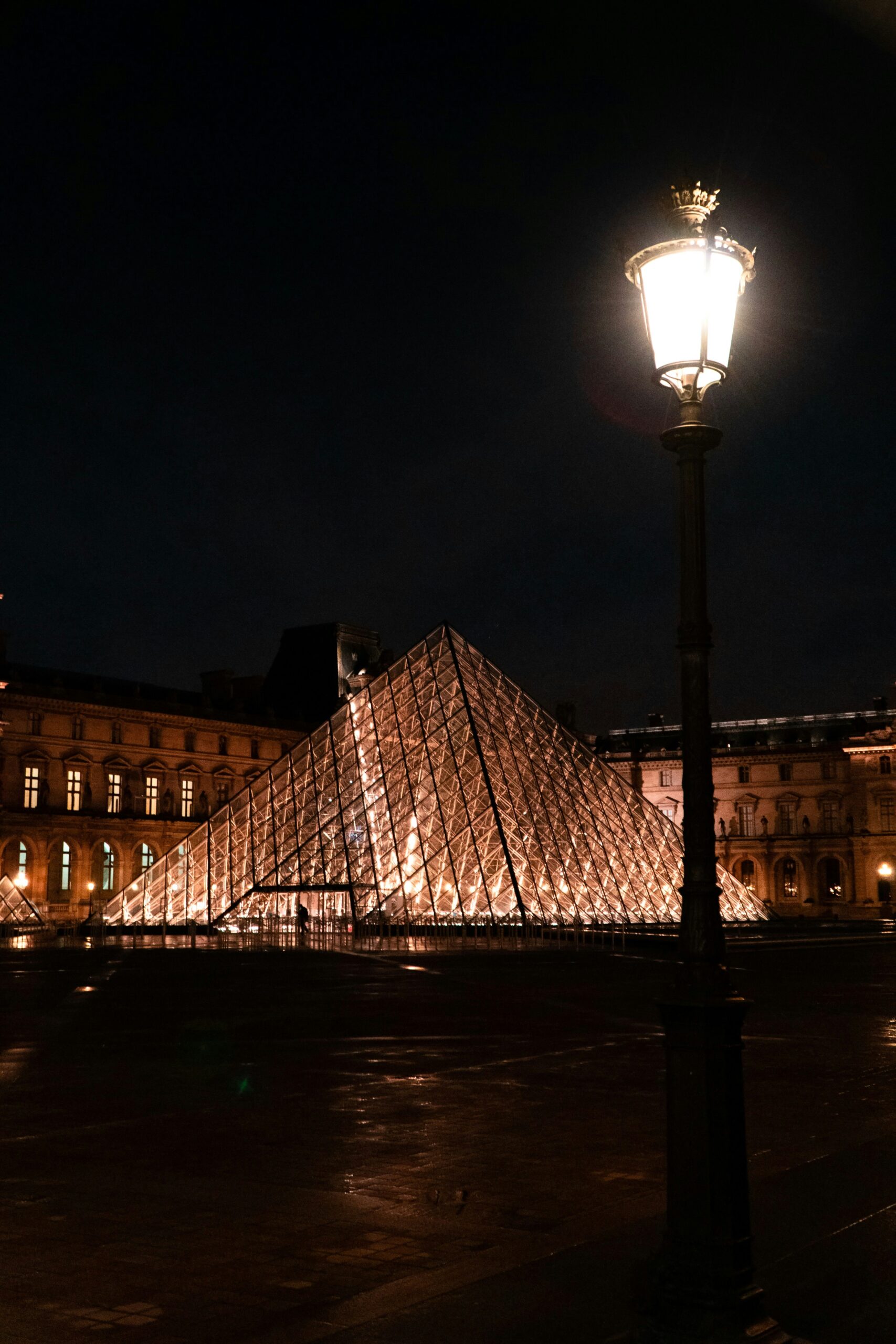
Many retirees underestimate practical infrastructure while focusing on scenery and lifestyle. Before buying, evaluate internet reliability, mobile coverage, road access, winter accessibility, delivery services, distance to services and public transportation.
France is generally stable, but administration can feel slow and document-heavy. Property issues can involve long timelines, slow utility setup, contractor delays, permit complications, insurance paperwork, translations and banking delays.
Reality: the most beautiful home becomes less attractive if internet, transport, utilities and contractors are difficult.
French bureaucracy moves slowly, especially with property issues
French property systems are usually stable, but they often require patience and paperwork. Retirees may encounter long paperwork timelines, utility setup delays, contractor delays, permits, insurance documents, translation needs and banking friction during purchases.
This is not a reason to avoid France. It is a reason to prepare calmly, keep documents organized and avoid expecting property administration to move at holiday speed.
What retirees should realistically evaluate before buying
Most important question: would this property still work comfortably if your health or mobility changed significantly in ten years?
Final thoughts
France can absolutely offer extraordinary retirement properties and wonderful long-term quality of life. But the best retirement decisions usually balance emotion with practicality.
The retirees who remain happiest long term are often the ones who think carefully about heating, maintenance, healthcare access, mobility, bureaucracy and aging realities before buying.
Continue planning retirement life in France
Property decisions connect directly with healthcare, transportation, bureaucracy, monthly costs and long-term aging abroad.
A beautiful property matters. But a practical property often matters even more later in retirement.