Setting Up Utilities in France Step by Step
Setting up utilities in France is usually manageable, but the first weeks can be messy: electricity contracts, meter numbers, water readings, bank details, address problems, internet delays and unclear responsibility between tenant, landlord, notaire, agency and supplier.
Utilities are one of the first real tests of settling in France. You may have the keys, a signed lease or a completed property purchase, but daily life does not work until electricity, water, heating, internet and payments are under control. The challenge is not only technical. It is administrative: matching the correct address, identifying the meter, setting up direct debit, dealing with French customer service and proving that you are the person responsible for the home.
Step 1: Work out which utilities you actually need to open
France does not usually bundle all utilities into one simple relocation package. Electricity, gas, water, internet and mobile service are normally separate systems. Some are opened directly by the resident, some may be handled through the landlord or building management, and some depend on the commune.
Before choosing suppliers, make a basic inventory of the property. Is there mains gas or only electricity? Is water billed individually or through building charges? Is there a Linky electricity meter? Is the heating electric, gas, wood, oil, heat pump or collective? Is fibre actually available at the exact address?
Usually needs a contract in your name before or just after move-in.
Only relevant if the property has mains gas, bottled gas or gas heating.
Often local, sometimes handled by the landlord, commune or building charges.
Must be checked by exact address, not just by town or region.
Step 2: Collect the documents and details before calling anyone
Utility setup becomes much easier if you prepare the documents first. Many delays happen because a newcomer calls a supplier with only a street address and no meter information, no French bank details, no previous occupant name and no clear move-in date.
You do not always need every document for every utility, but you should prepare a small setup folder before move-in. This is especially useful if you are still dealing with banking, insurance, healthcare registration and residency paperwork at the same time.
Exact French address. Include apartment number, building name, floor, lieu-dit or any rural address detail.
Move-in date. Suppliers need to know when responsibility starts.
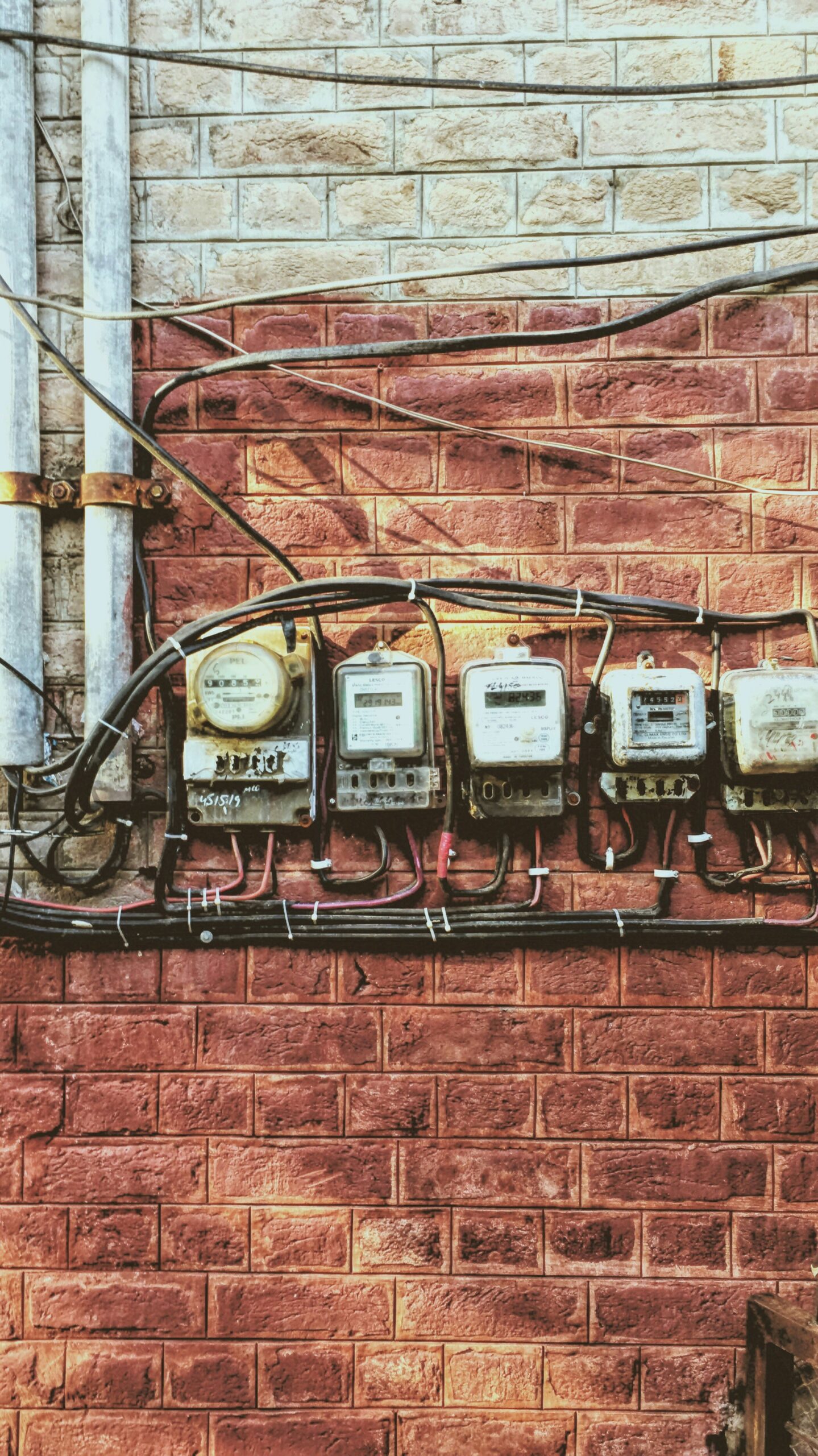
Meter number. For electricity this may be shown as the PRM or PDL depending on the system.
Meter reading. Photograph the reading on the day you receive the keys.
Previous occupant name. Helpful when the address is hard to identify.
IBAN. A French or accepted European bank account makes direct debit much easier.
ID and proof of address. Keep your passport, lease, attestation or purchase documents ready.
If the banking side is not yet solved, read Opening a Bank Account in France as a Foreigner and French Banking Fees Explained for Foreigners.
Step 3: Open the electricity contract
Electricity is usually the most urgent utility. If the property is already connected, opening a contract can be straightforward. If the home has been empty, disconnected or has unclear meter information, it may take longer.
You choose an electricity supplier, give the address and meter details, choose a tariff option and set up payment. The distribution network remains separate from the supplier, which is why you may hear about both the supplier and Enedis during the process.
| What you choose | What it affects | Common mistake |
|---|---|---|
| Supplier | Billing, customer service, contract offer and payment setup. | Choosing only by headline price without checking billing clarity. |
| Power level | How much electricity the home can draw at once. | Too low can trip the supply; too high may increase fixed costs. |
| Tariff option | Base pricing or peak/off-peak structure. | Choosing off-peak without using enough energy during cheaper hours. |
| Payment rhythm | Monthly estimate, actual billing or other supplier options. | Assuming the first monthly amount is the true annual cost. |

Step 4: Decide whether peak and off-peak pricing makes sense
Some French electricity contracts use peak and off-peak pricing. This can help if your household can move enough consumption into cheaper hours, such as water heating, laundry, dishwashing or electric vehicle charging. It is less useful if most use happens during peak hours.
New residents often choose off-peak because it sounds cheaper. But a contract is not cheaper by itself. It depends on the real pattern of consumption, the property’s heating system and whether you can realistically adjust routines.
Hot water tank, dishwasher, washing machine or EV charging can run during cheaper hours.
You are home during the day, heat electrically and cannot shift much consumption.
Off-peak hours are not identical everywhere and can change over time.
After a few months, compare actual usage instead of guessing.
Step 5: Set up water and check who is responsible
Water is often where newcomers get confused because it is more local than electricity. In one property, the tenant may receive a direct water bill. In another, water may be included in charges. In a house purchase, the notaire or seller may provide the final reading, but you still need to know who handles the account.
In some communes, water billing feels old-fashioned compared with electricity. You may receive fewer bills, have less polished online access and need to deal with a local office or local provider. This is normal, but it means water can be overlooked during the first month.
Water setup checklist
- Ask whether water is individual, shared or included in charges.
- Find the water meter and photograph the reading.
- Ask who the local provider is.
- Confirm whether the old account was closed.
- Check whether the property uses mains drainage or a septic system.
- Watch for leaks during the first weeks, especially in older houses.
Step 6: Understand gas, bottled gas and heating before winter
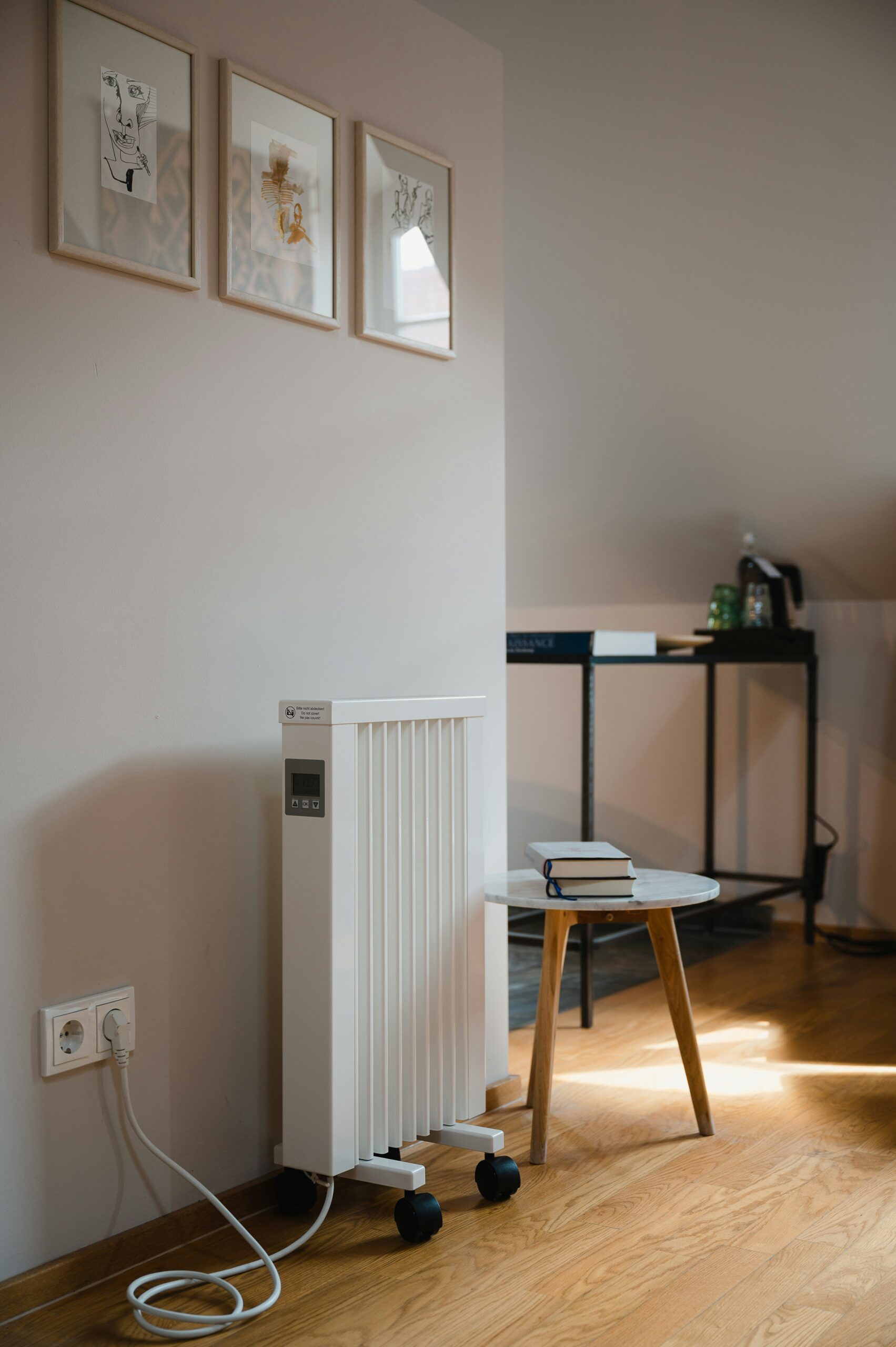
Not every French home uses mains gas. Some properties are all-electric. Some use bottled gas for cooking. Some older houses use oil, wood, gas boilers, heat pumps or a mix of systems. In apartments, heating may be individual or collective.
This matters because “setting up utilities” is not only a paperwork task. It is a winter comfort task. A house can have electricity, water and internet working perfectly and still be expensive, cold or difficult to live in if the heating system is wrong for the property.
Needs a gas contract and safe, functioning equipment.
Common for cooking in some homes, but requires refills and storage.
Simple, but costly in poorly insulated homes.
Can work well, but adds maintenance, delivery and physical handling.
For the cost side, read Electricity and Utility Bills in France Explained.
Step 7: Check internet before you depend on it
Internet is separate from electricity and water, but it is part of modern relocation infrastructure. Online banking, healthcare portals, tax accounts, supplier portals, video calls, translation tools and emergency communication all depend on reliable access.
The practical mistake is checking the town instead of the exact address. Fibre may be available on one street and not another. A rural home may have acceptable mobile signal outside but poor reception indoors. A property may look perfect until you realise every admin task requires a connection that barely works.
Before signing, check
- Whether fibre is available at the exact address.
- Whether the previous occupant had a working line.
- Which mobile networks work inside the house.
- Whether installation needs access to shared areas or poles.
- Whether the home office, alarm, TV or medical devices need stable internet.
Step 8: Set up direct debits without losing control
Direct debit is convenient in France, but it can also make utility costs feel invisible. A supplier may estimate monthly payments, then adjust later after actual consumption is known. That is normal, but it can surprise newcomers who treat the first monthly amount as the final cost.
Keep a simple spreadsheet or notebook for the first year. Record electricity, water, gas, internet, insurance, rent or mortgage, service charges and repairs. After twelve months, you will know the real property cost instead of the optimistic move-in estimate.
Renters: what to ask the landlord or agency
If you rent, the landlord or agency should explain which utilities are your responsibility and which are included in charges. Do not rely on vague wording. Ask specifically about electricity, water, heating, internet, rubbish collection, building charges and meter readings.
Is electricity in my name? If yes, get the meter details before move-in.
Is water included? Ask whether it is estimated, metered or part of charges.
How is heating billed? Individual electric heating is very different from collective heating.
Can I choose internet provider? Some buildings have access limitations or installation rules.
What happens when I move out? Clarify closing readings and final bills.
Buyers: what to check before completion
Property buyers have more responsibility than renters. Once the purchase is complete, hidden utility problems become your practical problem. This is especially true in old houses, rural homes and properties that have been empty.
Before completion, ask for recent electricity bills, heating information, water details, septic documentation if relevant, internet availability and any known electrical issues. Also ask whether the property has had power cut off, whether the meter is accessible and whether the seller will provide final readings at handover.
For property-specific problems, read Buying Property in France for Retirement – What Expats Get Wrong, Hidden Costs of Owning Property in France and Apartment vs House in France for Retirement.
Common utility setup problems in France
- The address does not match supplier records. This is common in rural areas, apartment buildings and properties with old naming conventions.
- The meter is hard to identify. Several apartments, outbuildings or old meters can create confusion.
- The previous account was not closed cleanly. This can delay setup or create unclear billing.
- The first direct debit is only an estimate. Real usage may be higher after winter.
- Water is forgotten. It may be local, irregular or included in another charge.
- Internet is assumed rather than checked. Exact address eligibility matters.
- Heating is ignored until cold weather. By then, the real utility cost is already visible.
- Contracts are not closed when moving out. Bills may continue after you leave if you do not close properly.
Moving out: close contracts properly
Utility setup is only half the story. When you leave a property, close or transfer contracts correctly. Take final meter readings, photograph them, inform suppliers, keep the final bill and do not rely on the next occupant to solve it.
This matters even more if you move within France. A person may focus on opening utilities at the new address and forget to close the old ones. The result can be overlapping bills, refund delays and unnecessary stress.
Notify suppliers before leaving. Give the move-out date and new address if needed.
Take final readings. Photograph electricity and water meters on the last day.
Keep final invoices. They may be needed for deposit disputes or tax records.
Cancel internet equipment correctly. Routers and boxes often need to be returned.
How utilities connect to wider life in France
Utilities may look like a housing topic, but they affect almost every part of daily life. Heating affects comfort and health. Internet affects banking, healthcare portals and communication. Water and electricity readings affect disputes. Direct debits connect to banking. Old houses connect to maintenance and long-term budgeting.
This is why utility setup should be part of the same relocation plan as housing, banking, healthcare and transport. A property is not truly livable until the systems around it work reliably.
For the wider administrative picture, read Moving to France – Step-by-Step Guide, How French Bureaucracy Works for Retirees and Healthcare in France for Retirees.
First-month utility checklist
Photograph all meters. Electricity, water and gas if relevant.
Open electricity immediately. Use the correct meter and start date.
Confirm water billing. Do not assume it is included.
Check heating before winter. Test systems while problems are still fixable.
Order internet early. Installation can take longer than expected.
Set payment reminders. Until direct debits are confirmed, do not assume anything is automatic.
Keep every contract in one folder. Include supplier names, account numbers, readings and login details.
Set up utilities before small problems become daily friction
France becomes easier when the basic systems are stable: power, water, heating, internet, banking and paperwork. Handle utilities early, keep evidence and treat the first year as the period when you learn the real running cost of the home.