Best Places to Retire in Italy
The best place to retire in Italy is not always the most beautiful hill town, the cheapest village or the most famous region.
It is the place where healthcare, transport, housing, bureaucracy, climate, language and ordinary weekly life still work after the first year.
Quick answer: where should you retire in Italy?
For many retirees, the safest long-term choices are practical regional cities and well-serviced towns rather than isolated countryside properties.
Tuscany and Umbria offer the classic central Italian dream. Abruzzo and Puglia can offer stronger value. Sicily can be rewarding but more demanding. The Italian Lakes and Liguria can be beautiful and well connected, but often cost more and create access challenges.
The best Italy retirement location depends on your budget, health needs, transport habits, language ability, tolerance for bureaucracy and whether you want romance, convenience, lower costs or long-term aging support.
Italy retirement regions at a glance
RetirePlan rule: the exact town often matters more than the region name. Check healthcare, transport, housing condition and winter comfort.
Why Italy works for some retirees — and fails for others
Italy can be a wonderful retirement country for people who value food culture, regional identity, slower routines, local markets, walkable town centres, architecture and a strong sense of place.
But Italy becomes difficult when retirees buy too quickly, choose a rural house before testing winter, underestimate bureaucracy, assume public transport works everywhere, ignore heating systems or choose a town too far from doctors, pharmacies and hospitals.
Regional cities and larger towns are usually safer than remote villages for doctors, hospitals and specialists.
Old houses may need heating, insulation, roof, damp or renovation work before they are realistic for retirement.
Train access, walkability and taxis matter more as driving becomes tiring or difficult.
The local comune, ASL office, codice fiscale, residency paperwork and SPID can shape daily stress.

Better test: use the supermarket, pharmacy, bank, bus, train and doctor network like a resident.

Old-house warning: heating, damp, roofs, access and renovation costs can change the real budget.
1. Tuscany: beautiful, familiar and often more expensive than expected
Tuscany is one of the most attractive retirement regions in Italy because it combines landscape, food, history, culture and international familiarity.
Towns such as Lucca, Siena, Arezzo, Montepulciano, Cortona and smaller communities often appear on retiree shortlists. The advantage is that Tuscany is not an unknown quantity: there are established international communities, strong regional healthcare options and good rail links in some areas.
Retirees with a stronger housing budget who want culture, landscape, food and a familiar central Italian lifestyle.
You want a low-cost, low-maintenance retirement or plan to buy an old countryside house quickly.
2. Umbria: quieter than Tuscany, but more car-dependent
Umbria is often described as a calmer alternative to Tuscany. It can offer beautiful hill towns, lower property prices, strong food culture and a slower pace of life.
Perugia, Spoleto, Orvieto, Todi and smaller towns attract retirees who want central Italy without the same tourist pressure.
Some towns are hilly, public transport can be limited, and daily life may depend heavily on having a car.
Retirees who want central Italy, quieter towns and better value than prime Tuscany.
Later-life test: car dependence may feel fine at 62 and very different at 78.
3. Abruzzo: strong value, mountains, coast and real trade-offs
Abruzzo is one of the most interesting regions for retirees who want lower costs without giving up scenery. It offers mountains, coastline, national parks, historic towns and access to both inland and Adriatic lifestyles.
Coastal towns may feel more practical for daily life, while inland villages can be cheaper but more dependent on driving, local bureaucracy and winter resilience.
Retirees looking for lower housing costs, scenery and a less polished but more affordable Italy.
You need easy specialist healthcare, strong public transport or English-speaking services.
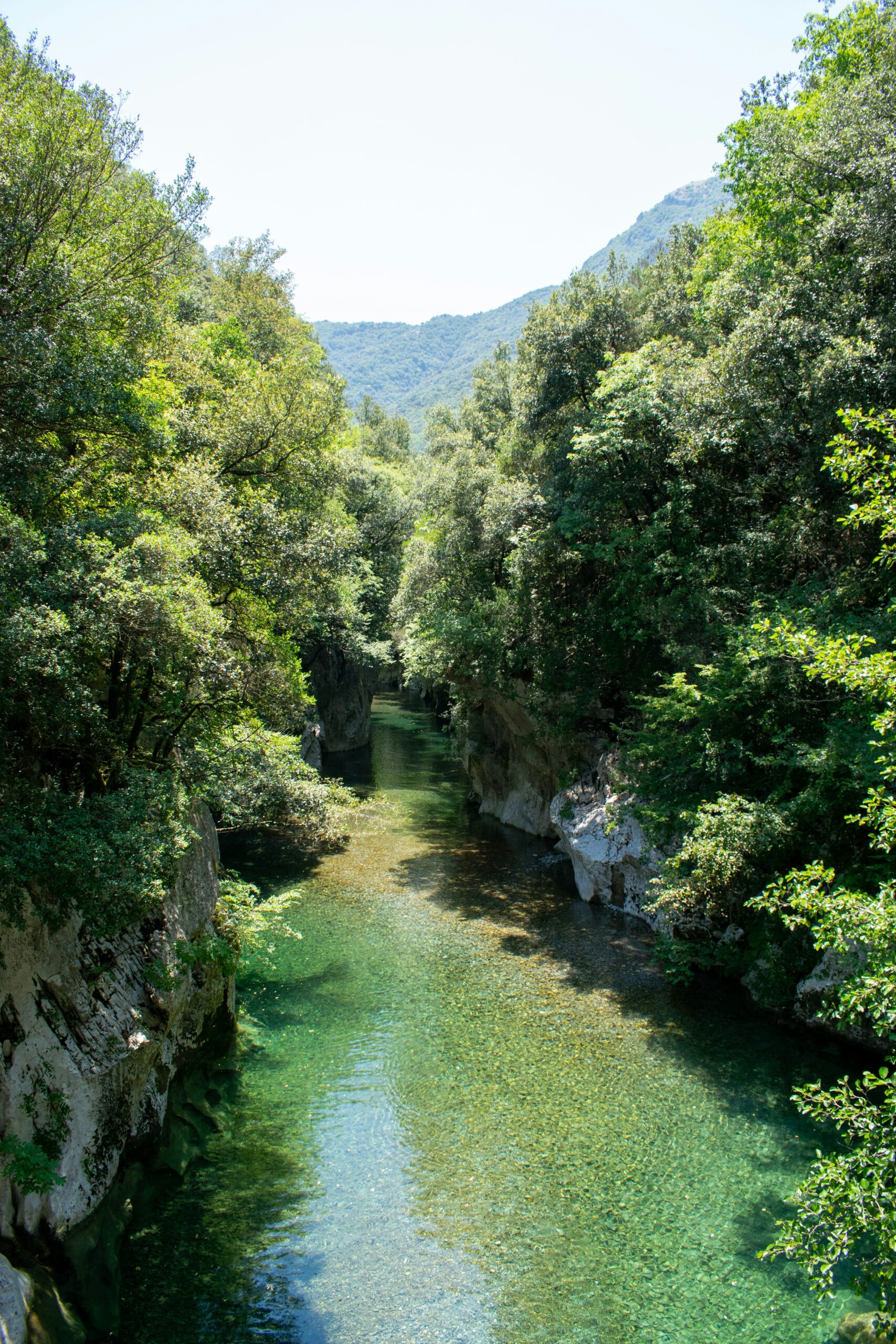
Service variation: nearby towns can feel very different because of roads, doctors, trains and winter conditions.
4. Puglia and Sicily: warmth, value and stronger local trade-offs
Lecce, Ostuni, Monopoli, Polignano a Mare, Martina Franca and smaller towns offer warmth, sea access and southern lifestyle appeal.
Hot summers, seasonal coastal towns, rising prices in attractive locations and uneven public transport.
Palermo, Catania, Syracuse, Ragusa, Trapani and smaller communities offer climate, coastline and a strong sense of place.
More bureaucracy, uneven infrastructure, driving stress and healthcare access that varies heavily by location.
Southern Italy rule: tax, cost or climate should never be the only reason to choose a town.
Choose carefully: healthcare, transport, heat tolerance and daily livability matter more over a long retirement.
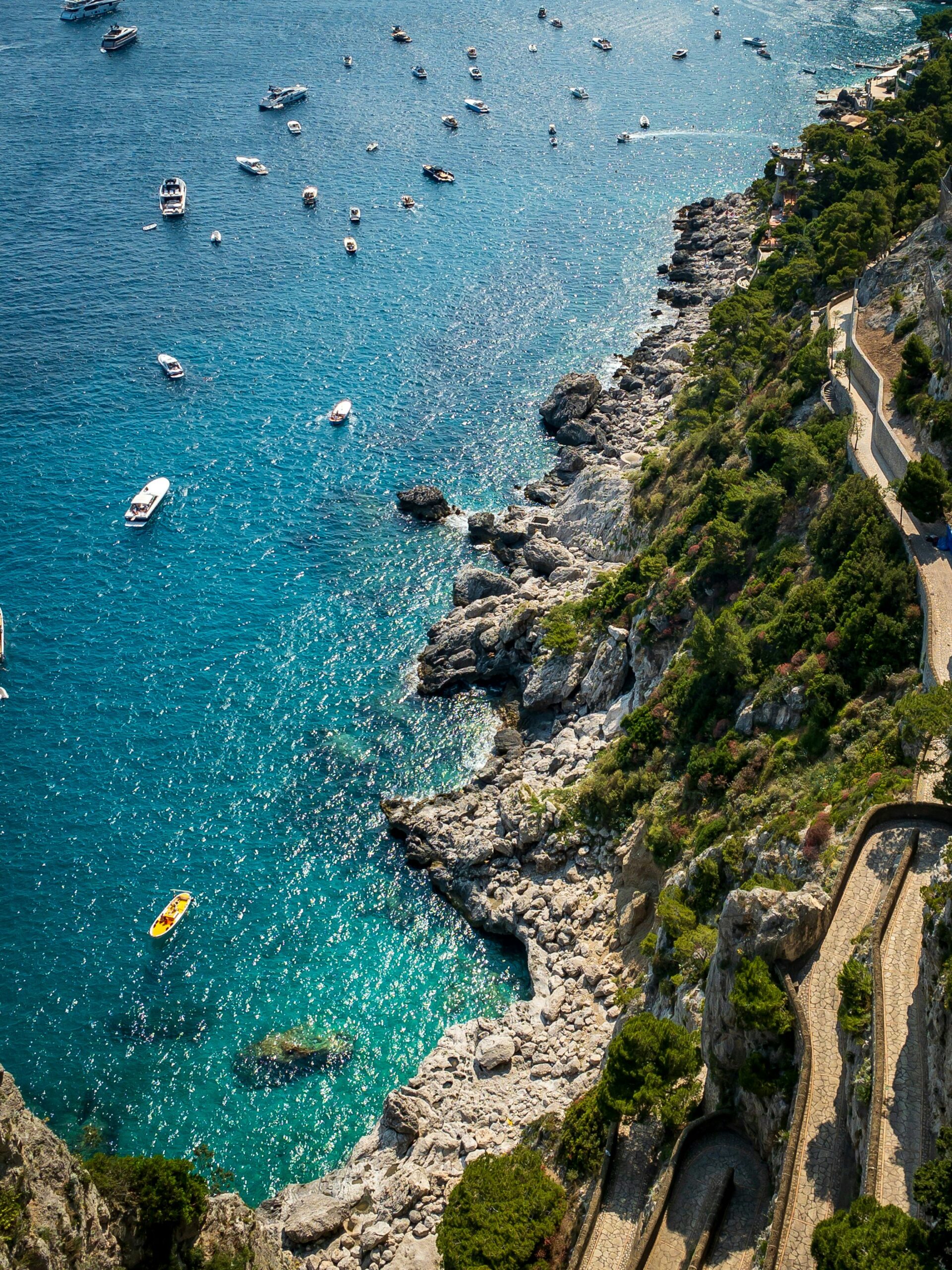
5. Italian Lakes and Liguria: scenery, infrastructure and access challenges
The Italian Lakes can be attractive for retirees who want scenery, healthcare access, northern infrastructure and proximity to Switzerland, Milan or regional airports. Lake Como, Lake Maggiore, Lake Garda and nearby towns can offer a high-quality lifestyle.
Liguria offers classic Italian coastal living, mild weather, access to Genoa, proximity to France and many attractive seaside towns. It can appeal to retirees who want the Mediterranean without moving as far south as Puglia or Sicily.
Beautiful setting and better international connections, but higher prices, hills, tourism and parking problems.
Coastal life with train access, but steep streets, small apartments and access challenges are common.
Mobility check: views are not enough. Check stairs, parking, hills, train access and walking routes.
Best fit: higher-budget retirees who value beauty, northern infrastructure and international access.
6. Rome, Bologna and regional cities: better for systems, worse for romance
Not every retiree should choose a small town. Some people do better in or near larger cities because healthcare, transport, language schools, specialists, airports and social life are easier to access.
Rome offers world-class culture and services but can be noisy, chaotic and expensive in desirable areas. Bologna is practical, educated and well connected, but not cheap. Other medium-sized cities may offer a better balance between daily convenience and manageable costs.
Best places in Italy by retirement priority

Property warning: a low purchase price can hide repairs, heating, damp and transport costs.
Housing reality: do not buy the dream too quickly
Housing is where many Italy retirement mistakes become expensive. Old houses can have heating problems, damp, roof issues, uneven floors, stairs, septic systems, unclear renovation costs and contractor delays.
A property can look affordable because it transfers work, risk and car dependency to you. Before buying, test the town in winter, ask about heating, check internet, understand condominium rules if buying an apartment, and make sure the home still works if mobility changes later.
Healthcare, housing and transport should shape the shortlist
Retirees often ask where Italy is most beautiful or most affordable. Better questions are whether the town has a doctor, pharmacy, hospital access, train station, supermarket, bank, bus route, reliable internet and housing that is manageable in winter.
Utilities, internet, bureaucracy and taxes matter more than expected
Italy is not only a lifestyle choice. It is also a paperwork system. Codice fiscale, SPID, comune registration, healthcare registration, utility contracts, bank accounts and tax residency can all affect the first year.
Utilities and internet are not just technical details. Heating systems, electricity costs, mobile coverage, fibre availability and utility setup can vary sharply by region and property.

Daily systems: check utility contracts, mobile coverage, heating and internet before signing long term.
How to shortlist places in Italy
A regional city or town with hospital access, trains and services.
Tuscany, Umbria, Puglia, Sicily, Liguria or the Lakes depending on your dream.
Abruzzo, Puglia, inland Sicily or another lower-cost region with real services.
Test heating, damp, closures, light, transport and local routines.
Test healthcare, bureaucracy, neighbours, noise and daily errands.
Think ten years ahead: driving, stairs, old houses and isolation matter more later.
Planning your move to Italy
Once you have a shortlist, compare your budget, healthcare access, residency route, taxes, banking setup, housing condition, transport needs and moving timeline.
FAQ: Best Places to Retire in Italy
What is the best place to retire in Italy overall?
For many retirees, a practical regional city or well-serviced town is safer than an isolated village. Tuscany, Umbria, Abruzzo, Puglia, Sicily, the Lakes and Liguria can all work, but the exact town matters more than the region name.
Is Tuscany a good place to retire?
Tuscany can be excellent for retirees who want culture, food, landscape and established international familiarity. The main drawbacks are higher prices, tourism, older housing and renovation costs.
Where is the cheapest place to retire in Italy?
Lower-cost options are often found in Abruzzo, Puglia, parts of Sicily and less fashionable inland towns. However, cheap housing should be balanced against healthcare access, transport, heating, repairs and bureaucracy.
Is rural Italy a good retirement choice?
Rural Italy can work for independent retirees who speak some Italian, drive comfortably and understand old-property maintenance. It is riskier for retirees who need public transport, easy healthcare or low-maintenance housing.
Should retirees rent before buying in Italy?
Yes. Renting first lets you test winter life, damp, heating, healthcare, transport, neighbours, bureaucracy and whether the town stays active outside the tourist season.
Is southern Italy better for retirees because of tax incentives?
Southern Italy may be attractive for cost and tax planning, but tax should not be the only reason to choose a town. Healthcare, transport, heat, housing quality and daily life matter more over a long retirement.
The best places to retire in Italy are not simply the most famous or beautiful. They are the places where your budget, healthcare, transport, language ability and tolerance for bureaucracy match the local reality.