Renting in Italy for Retirement
Renting before buying is often the smartest retirement decision in Italy, but only if the rental period is used as a serious test of winter life, healthcare access, bureaucracy, transport, utilities, noise and ordinary routines.
A beautiful apartment in May can feel very different during November rain, August tourist overload or the first winter heating bill.
Many retirees arrive in Italy emotionally ready to buy immediately. Renting first gives you time to test daily life instead of relying on holiday impressions. The rental period should reveal the things property listings hide: winter humidity, poor heating, stairs, noise, parking, local healthcare, utility reliability, paperwork friction and whether the town still works after the excitement fades.
Renting should be treated as a retirement systems test
Many retirees use rentals incorrectly. They treat the first year as a long holiday instead of a structured test of whether life in that exact town, building and neighbourhood works under normal conditions.
The purpose of renting is not simply to “try Italy.” It is to test the parts of daily life that become expensive or stressful after buying.
RetirePlan reality check: the smartest rental year is not the most romantic one. It is the year that helps you find reasons not to buy too quickly.
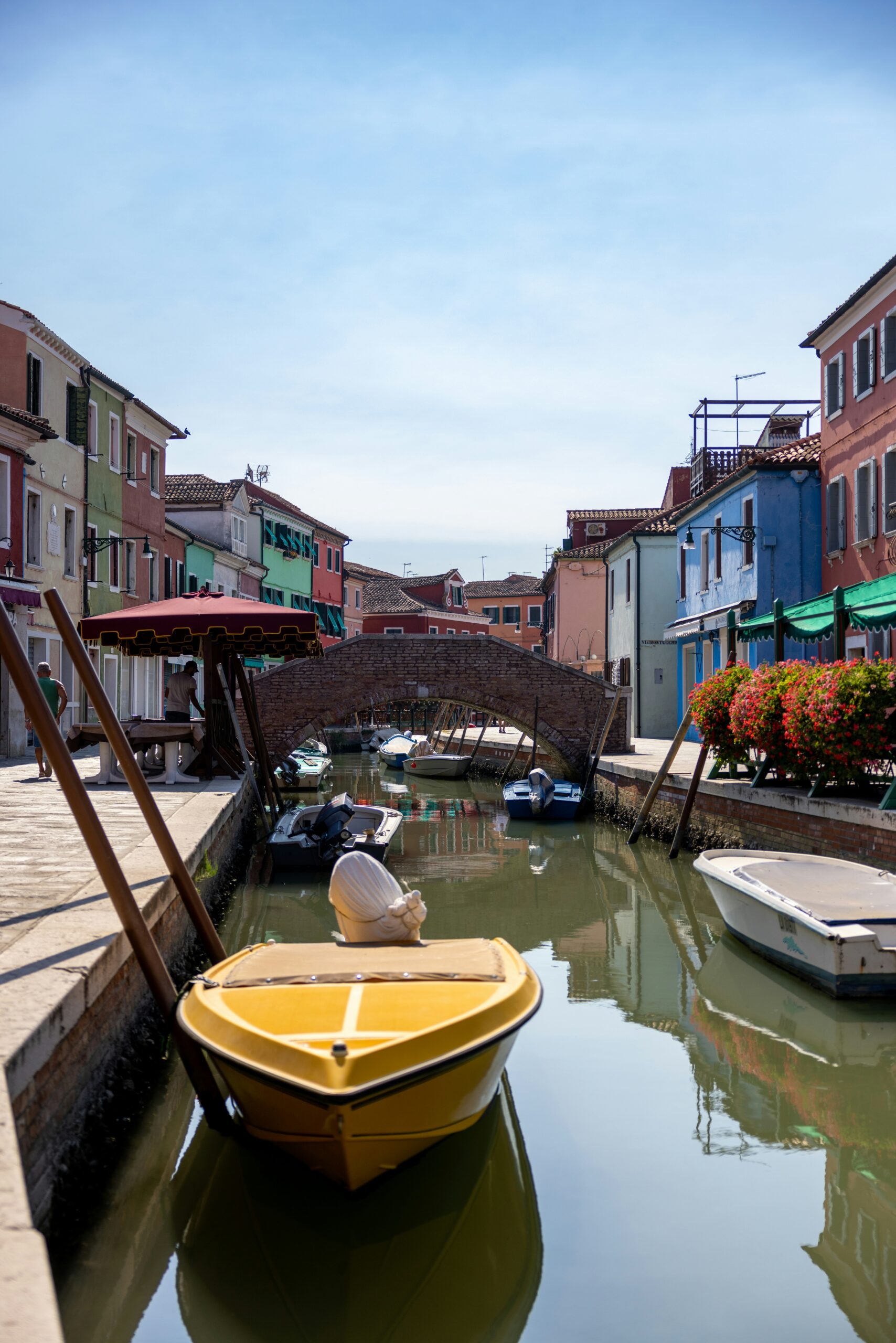
Better filter: choose the rental that exposes real-life problems, not only the one that photographs best.
Do not confuse holiday Italy with daily Italy
Holiday visits rarely reveal the ordinary irritations that shape retirement life. A town that feels magical during a spring visit may feel difficult during winter damp, summer crowds or routine medical appointments.
Cold walls, condensation and poor ventilation are often invisible during viewings.
Restaurants, scooters, neighbours, bells and deliveries change by season and street.
Historic towns may become exhausting if daily parking is difficult.
Specialist appointments and hospital trips matter more than views later in retirement.

Rental contracts are part of your retirement paperwork
Italian rental contracts are not just housing documents. They can affect address proof, residency registration, banking, utilities, healthcare access and long-term stability. Informal arrangements may seem convenient but can create problems later.
Common warning sign: a landlord who says registration, proper contracts or utility documents are “not necessary” may be creating problems that become yours later.
Heating, humidity and utilities reveal the real property
Italy’s climate is often misunderstood by retirees. Many older properties have poor insulation, damp walls, cold floors, old radiators and heating systems that are expensive or awkward to use.
A rental period should actively test comfort and infrastructure, not only charm. Ask for winter utility bills, check for mold behind furniture, confirm mobile signal indoors and test internet at the times you actually use it.
Check radiator type, fuel, thermostat control and real monthly cost.
Look for condensation, cold corners, damp smell and poorly ventilated rooms.
Test speed, stability and mobile backup inside the property.
Check pressure, hot water, fuse limits and appliance reliability.

Walkability becomes more important every year
At the start of retirement, scenery, terrace views or countryside charm often dominate. Later, practical access usually matters more: pharmacy, groceries, cafés, buses, doctors, gentle streets and stairs that do not become a daily obstacle.
A rental year is your chance to live the errands repeatedly. Walk to the pharmacy in bad weather. Carry groceries home. Try the bus route. Park at night. Notice whether one spouse must always drive.
Best test: ask whether this home would still work after surgery, during illness, after losing driving confidence or at age 80.

Landlords, documents and realistic rental preparation
Foreign retirees are often viewed positively because they may be stable and financially reliable, but landlords can still worry about foreign paperwork, income proof, language barriers, residency uncertainty and banking arrangements.
Many retirees change location after renting
This is not failure. It is the point of renting first. A rental year can reveal that the first town is too touristy, too damp, too isolated, too noisy, too steep, too dependent on driving or too far from healthcare.
Common discoveries include tourist towns feeling empty in winter, rural isolation becoming tiring, stairs becoming exhausting, parking becoming daily stress and healthcare being farther away than expected.
RetirePlan reality check: a rental year is often far cheaper than buying the wrong property and trying to sell after the mistake becomes obvious.

Rental-testing checklist before buying property
Use the rental period to challenge assumptions honestly. Do not only ask whether you like the property. Ask whether it keeps working when life becomes ordinary.
Spend time in the property during winter or shoulder season, not only summer.
Test GP, pharmacy, hospital and specialist access without optimistic assumptions.
Walk groceries, cafés, pharmacy, bus stops and parking repeatedly.
Observe evenings, weekends, tourist peaks, deliveries and building noise.
Verify internet, mobile coverage, water pressure, heating and utility bills.
Evaluate stairs, hills and car dependence as if you were ten years older.
The best Italy housing decisions are usually slower ones
Italy creates strong emotional reactions. Beautiful streets, architecture, food, sunlight and slower daily life can make retirees want to commit quickly. The smartest retirees usually slow down instead.
They rent. They observe. They test winter. They study healthcare. They learn transport patterns. They discover which frustrations matter and which do not. That patience often leads to better long-term retirement decisions and far fewer expensive regrets.