Utilities and Internet in Italy for Retirees
Utilities in Italy usually work well once everything is active, but contracts, old buildings, meter readings, heating systems and rural internet can create real problems for retirees who do not check them before moving.
For retirees, utilities in Italy are not just a moving-in detail. They affect comfort, monthly costs, winter health, internet access, paperwork, banking and whether an attractive property is practical year-round. A cheap apartment can become stressful if the electricity capacity is low, the boiler is old, the walls are damp, the internet is weak or the previous contract has not been closed correctly.
The safest approach is to treat utilities as part of the housing decision, not something to sort out after the lease or purchase is signed.
Why utilities are part of relocation planning
Many retirees compare rent, purchase price, local taxes and healthcare access, but forget the systems that make the home comfortable every day. Electricity capacity, gas connection, heating type, water pressure, waste collection, mobile signal, broadband availability, meter access and condominium charges all affect daily life more than brochure photos.
This matters especially in Italy because homes vary widely. A modern apartment in Bologna or Turin is not the same as a stone house in Umbria, a coastal flat in Liguria, a rural home in Abruzzo, or an old town property in Sicily. Some homes are easy to run. Others are charming but inefficient, cold, damp or awkward to connect.
Before signing a long lease or buying, ask how each utility is currently handled, who holds the contract, whether the meters are active, whether bills are available, how the home is heated in January, and what internet technology actually reaches that exact address.
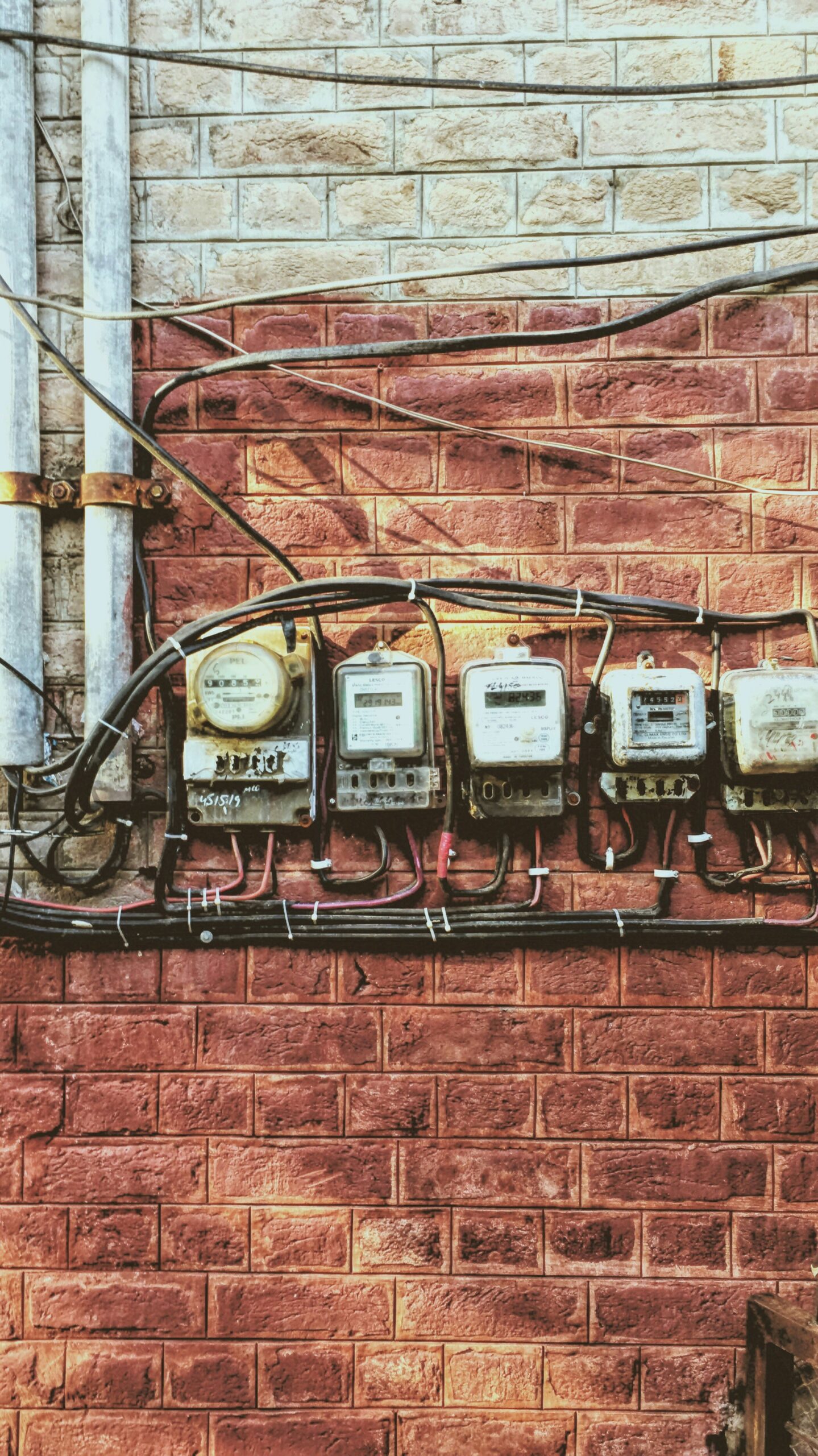
The first practical question: are the utilities active?
When you move into a property in Italy, the utility situation can fall into several different categories. The contract may simply need to be transferred. The supply may be active but under the landlord’s name. The previous contract may be closed. The meter may be disconnected. Or the property may need a completely new activation.
These situations are not equal. A simple transfer is very different from reopening a disconnected supply. If the previous occupant left unpaid bills, if documents are missing, or if the meter code is unclear, the process can take longer than expected.
For retirees arriving with medication, online banking needs, video calls, mobility limitations or no local network, this can be more than an inconvenience. A home without reliable electricity, heating or internet in the first weeks can quickly turn a planned move into a stressful one.
Documents usually needed for utility contracts
Utility providers and agencies may ask for identity documents, codice fiscale, property address, meter numbers, previous bills, contact details and bank payment information. If you are renting, the landlord or agent should clarify which contracts you must put in your own name and which costs remain handled through the building or municipality.
The most important practical detail is to collect meter codes and recent bills before you need them. For electricity this often means the POD code. For gas it may mean the PDR code. If you only discover these are missing after move-in day, every phone call becomes harder.
Retirees should also be prepared for language friction. Some providers offer online portals, but not all processes feel friendly to a newcomer. Having a local helper, bilingual agent or trusted property manager can prevent small setup problems from becoming weeks of confusion.
Before you sign, ask for copies of the last bills
Recent bills show contract status, consumption, standing charges, meter identifiers, heating patterns and whether the home has actually been occupied year-round. A seller saying “the bills are normal” is not enough.
Electricity capacity: the hidden comfort issue
One of the most common surprises in older Italian homes is limited electrical capacity. Retirees may expect to run heating, air conditioning, oven, washing machine, kettle, dishwasher and chargers like they did at home. In some properties, doing too much at once can trip the supply.
This is not only a technical nuisance. It affects daily routines. You may learn that you cannot run electric heating and the oven at the same time, or that the washing machine must wait until other appliances are off. In a cold apartment, that becomes irritating very quickly.
Ask what the contracted power level is, whether it has been upgraded, and whether the previous occupants had problems. If you are buying, ask a technical professional to check the electrical system, not just the visible sockets.
Electricity and gas contracts
Electricity and gas contracts may involve a supplier change, a transfer of the existing contract, or a reactivation. You may need codice fiscale, ID, meter details, the property address and payment information. If the contract is in another person’s name, clarify whether you are doing a voltura, subentro or new setup, because the timing and requirements can differ.
Foreign retirees sometimes underestimate how much utility setup depends on sequencing. A bank account, Italian phone number, codice fiscale and signed rental or purchase documentation may all make the process easier. Trying to arrange everything in the wrong order creates avoidable delays.
Direct debit can also create friction. Some providers may prefer Italian IBANs or may not handle foreign banking details smoothly. Wise, Revolut or other euro accounts can help with SEPA payments in many situations, but they do not solve every provider’s internal process.
Meter readings and why move-in photos matter
At handover, take clear photos of electricity, gas and water meters. Record the date and keep the images. This is a simple habit that protects you if there is confusion over previous consumption, estimated bills or responsibility between landlord, seller and new occupant.
Retirees should not assume that the first bill will automatically be correct. In older homes and long-vacant properties, estimated readings can create confusion. If the home has been empty, the first real bill may reflect unusual adjustments.
If you are renting, agree in writing how meter readings are handled at the start and end of the tenancy. This matters especially if the landlord keeps some contracts in their own name and charges you separately.
Internet in Italy: check the exact address, not the town
Italy has good broadband in many cities and larger towns, but availability is uneven. A property listing that says “internet available” can mean many different things: fiber to the home, fiber to the cabinet, copper, fixed wireless, mobile router or satellite.
Retirees should check availability at address level before committing. TIM, Open Fiber and other operators may show different coverage depending on the exact street, building and infrastructure. In rural areas, hill towns and historic centers, the difference between “the town has fiber” and “this house has fiber” can be huge.
This matters for online banking, pension administration, healthcare portals, video calls with family, streaming, translation tools and emergency communication. Internet is now part of retirement safety, not just entertainment.
Old walls, weak WiFi and mobile signal problems
Many Italian homes have thick stone walls, awkward layouts, internal courtyards or old construction that can weaken WiFi and mobile signal. A router in one room may not cover the bedroom, kitchen or upstairs office properly.
This is especially important for retirees who rely on internet calling, video appointments, smart devices, medical alerts or online access to banks and authorities. Test mobile reception inside the home, not just outside in the street.
In some houses, the solution may be a mesh WiFi system, wired access points, a better router position or a backup mobile data plan. In other homes, the problem is deeper: the available connection itself is weak or unreliable.
Rural internet: the “available” problem
Rural Italy often looks ideal for retirement until you test infrastructure. Internet may technically be available, but installation can be slow, speeds may be inconsistent, mobile backup may be weak, and technician visits may depend on local availability.
Ask the seller, landlord or previous occupant for an actual speed test, provider name and contract type. If possible, visit the property with your phone and test mobile data in multiple rooms. Do not rely only on coverage maps or estate-agent reassurance.
Retirees who need reliable internet should consider having a backup plan: a mobile router, second SIM, nearby coworking/café option, or a friend’s connection during installation delays. This is especially useful during the first months after moving.
Water, waste collection and local charges
Water service is often handled by a local or regional provider, while waste charges depend on municipal rules and property occupation. In some towns you may deal with online portals. In others, you may still deal with municipal offices, mailed notices, counters and local procedures.
Waste systems can also be more local than retirees expect. Some areas use door-to-door collection. Others use street bins, collection cards, recycling calendars or separate rules for bulky items. A rural property may have different routines from a town apartment.
Ask how waste tax is handled, whether bins or collection cards are included, and whether the property has any unpaid local charges. For renters, clarify whether the landlord pays and recharges you or whether you must register directly.
Condominium fees and shared building costs
Apartment living in Italy can be practical for retirees, but condominium charges need careful checking. Shared costs may include stairwell electricity, lift maintenance, cleaning, building insurance, central heating, garden care, administrator fees and repairs.
Do not only ask for the monthly average. Ask what is included, whether there have been extraordinary works, whether major repairs are expected, and whether heating is individual or shared. A building with a lift may be excellent for aging, but lift repairs and maintenance still cost money.
If you are buying, read condominium documents carefully. If you are renting, clarify which charges are included in rent and which are passed on separately.
Heating in Italy: do not assume “southern Europe” means warm indoors
Italy can be cold, damp and expensive to heat depending on region, altitude, building type and insulation. Stone houses, older apartments, single-glazed windows and high ceilings can be uncomfortable in winter even when outdoor temperatures do not look extreme.
Heating systems vary. A home may use a gas boiler, radiators, heat pump, pellet stove, wood stove, electric heaters, shared condominium heating or a mix of systems. Each has different costs, maintenance needs and daily effort.
For retirees, this is not just about bills. Cold indoor temperatures can affect sleep, mobility, joint pain and general comfort. Ask how the home is heated in January, how much it costs, when the boiler was serviced, and whether the previous occupants lived there all year.
Pellets, gas bottles and rural heating realities
In rural or older homes, heating may involve pellets, wood, LPG tanks or gas bottles rather than simple mains gas. These systems can work well, but they require planning. Pellets need storage. Deliveries may be seasonal. Gas bottles need replacement. Stoves need cleaning. Rural suppliers may not operate like city services.
This can be charming for a short stay and tiring as a retirement routine. A retiree with mobility issues may not want to carry pellets, manage deliveries, clean a stove or deal with heating failures in bad weather.
Before choosing a rural home, ask exactly how heating is supplied, who services it, where fuel is stored, how deliveries work, and what happens if something fails during a cold period.
Air conditioning and summer electricity
Summer comfort is another utility issue. In parts of Italy, especially cities, inland valleys and southern regions, summer heat can be intense. A home without air conditioning may be difficult for retirees during heatwaves, while a home with air conditioning may have higher electricity needs.
Check whether air conditioning is installed, whether it is legal and properly maintained, which rooms it covers, and whether the electrical capacity can handle it together with normal appliances.
A shaded old home can be cooler than expected, but it may also be damp in winter. A modern apartment may be easier to heat and cool, but more expensive. The right answer depends on the full year, not the viewing day.
Humidity, mold and closed-up homes
Humidity is one of the most underestimated housing problems for retirees in Italy. Coastal areas, older stone buildings, ground-floor homes, poorly ventilated apartments and long-empty properties can all have damp problems.
Look for smell, bubbling paint, black marks, swollen wood, condensation, cold corners and wardrobes placed against external walls. Ask whether the home has been occupied through winter and whether dehumidifiers are used.
A house that feels cool and pleasant in summer may be damp and uncomfortable in winter. For retirees with respiratory issues, allergies or mobility limitations, this matters more than aesthetics.

Technician delays and the August problem
Utility and internet problems are harder when you depend on technicians. In many areas, appointments can take time. During holiday periods, especially August, responses may be slower. Rural areas may also have fewer available technicians.
This matters if you arrive expecting everything to be solved in the first week. Internet installation, boiler servicing, meter issues or supply reactivation may require multiple calls, appointments and follow-up.
Retirees should avoid moving into a property with unresolved utility issues immediately before a holiday period if they can. If that is unavoidable, arrange backup heating, mobile data and local help before arrival.
Banking friction: direct debit and foreign IBANs
Many utility bills are easiest when paid by direct debit. But foreign retirees can hit friction if a provider, agent or local process is not comfortable with a non-Italian IBAN, even when SEPA payments should theoretically work.
This is where practical banking matters. Having an Italian bank account can make some utility processes smoother. Wise, Revolut or other euro accounts can be useful for early-stage payments, but retirees should not assume every provider will handle them without friction.
If you are still setting up banking, ask whether bills can temporarily be paid by card, bank transfer, postal payment, landlord recharge or another method. Do not let the first utility deadline become your first Italian banking crisis.
Renting vs buying: different utility risks
Renters need clarity over who holds contracts, who pays which charges, how meter readings are recorded, whether condominium costs are included, and what happens if internet installation requires landlord permission.
Buyers need deeper technical checks. Electrical system, boiler, heating efficiency, damp, insulation, roof, plumbing, internet access and shared building obligations should all be reviewed before committing emotionally to the property.
For retirees, renting first can be a valuable test. One winter in a rented home can reveal more about heating, humidity, noise, utility costs and internet reliability than any viewing trip.
Utility checklist before signing
- Ask for recent electricity, gas and water bills.
- Photograph all meters at handover.
- Confirm whether supplies are active or disconnected.
- Check internet availability at exact address level.
- Test mobile signal inside the home.
- Ask the contracted electricity capacity.
- Check heating type, boiler service and January costs.
- Ask how waste collection and local charges work.
- Review condominium charges and shared building costs.
- Look carefully for humidity, mold and condensation.
Best practical strategy for retirees
The best strategy is to verify utilities before you fall in love with the property. Ask for bills, check the meter status, test mobile reception, check broadband availability, understand heating, and make sure the home works in winter as well as in summer.
If you are moving to Italy permanently, avoid relying on verbal reassurance. Written details, photos, bills and address-level checks are much safer. If you are buying, a technical inspection is not a luxury; it is protection against expensive surprises.
For many retirees, the most comfortable home is not the most romantic one. It is the one where heat, electricity, water, internet and daily systems work without becoming a second job.