Taxes in Italy for Foreign Retirees
Taxes in Italy affect far more than annual declarations. Residency, pensions, banking, property ownership, inheritance planning and even how many months you spend in the country can change your long-term financial reality dramatically.
Many retirees dangerously underestimate Italian tax complexity because they focus only on climate, rent and property prices. In reality, retirement taxation connects directly to residency, foreign pensions, banking systems, reporting obligations, inheritance structure and where your actual life is centered.
Use the Italy Move Planner to keep tax review connected to the wider move sequence: legal route, codice fiscale, housing, banking, healthcare, utilities and first-year setup.
The 183-day rule is only part of the picture
Many foreigners reduce Italian tax residency to a simple “183-day rule.” That is dangerously incomplete.
Italy generally evaluates tax residency through a combination of factors including time spent in Italy, residency registration, habitual residence, domicile, family ties, economic interests and where normal daily life actually occurs.
Main hidden risk: If Italy becomes your real home — property, routines, healthcare, banking, utilities and daily life — you should assume tax implications need professional review.
Plan the sequence before residency hardens. The Italy Move Planner helps keep tax review, codice fiscale, housing, banking, healthcare and utilities in the right order.

Foreign pensions can be treated very differently
One of the most confusing areas for retirees is pension taxation. The tax treatment may depend on your nationality, treaty rules, the country paying the pension, whether the pension is public or private and where you are tax resident.
A Swedish retiree, British retiree, Dutch retiree and American retiree may all face very different outcomes. Some retirees wrongly assume their home-country pension rules automatically continue unchanged after moving. Others rely on outdated forum advice or old treaty interpretations.
Government, occupational and private pensions can be treated differently under treaties.
The source country, pension type and residency position can change the outcome.
Some retirees still have obligations abroad even after becoming resident in Italy.
Exchange rates and transfer timing can affect reporting and real retirement income.
RetirePlan reality check: Before becoming resident in Italy, understand where your pensions may be taxable and how double-taxation treaties function.
Add pension review early. Use the Italy Move Planner to place pension taxation and treaty review before housing, banking and long-term residency decisions become difficult to unwind.
Banking and taxes quickly become connected
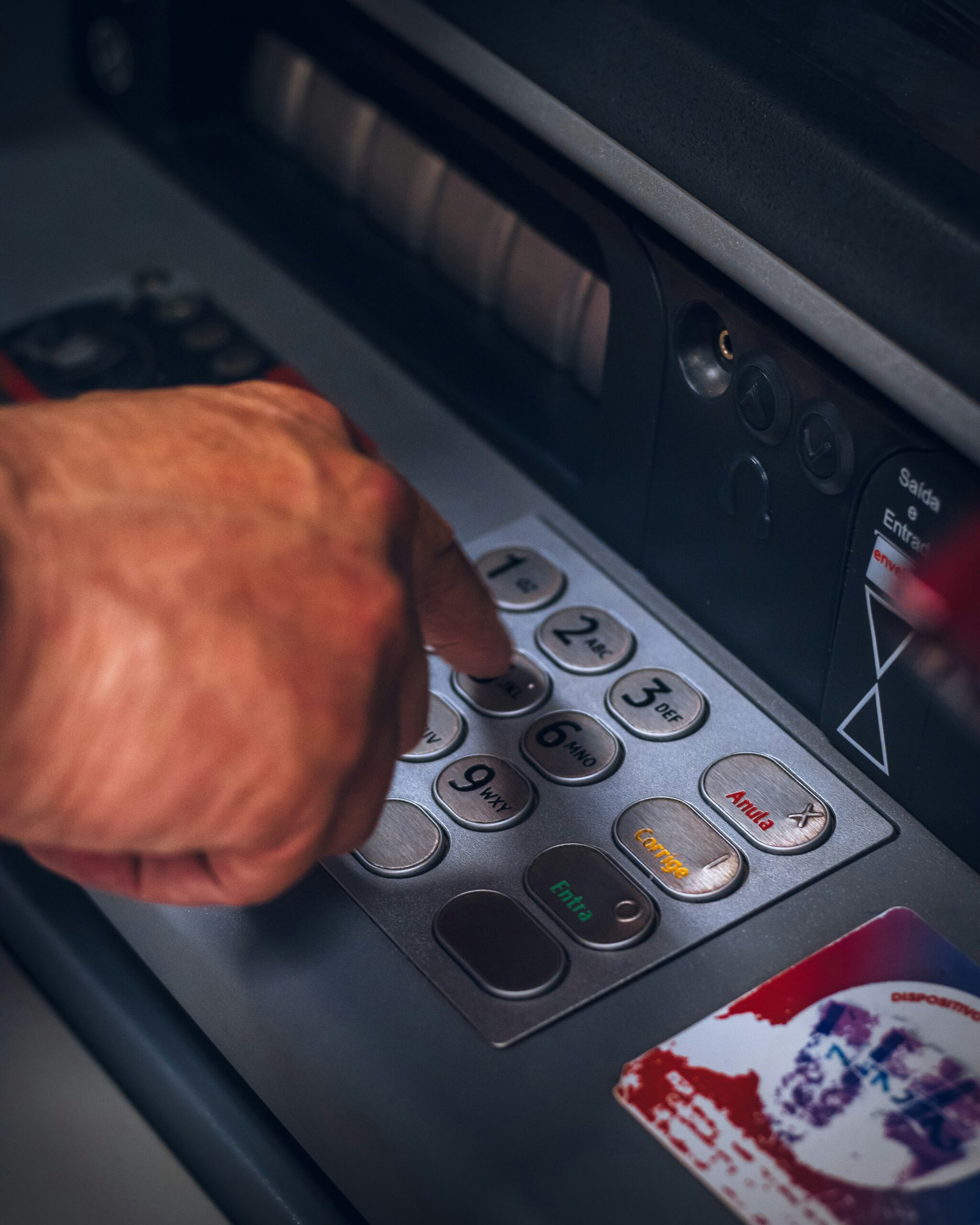
Many retirees initially treat banking and taxation as separate systems. In practice, they quickly overlap.
Italian banking systems may require tax identification information, source-of-funds documentation, residency details, foreign account declarations and proof of pension income.
Retirees who transfer large amounts internationally often discover that compliance reviews become stricter than expected. Wise and Revolut can reduce transfer friction, but they do not replace proper tax planning.
Practical rule: Keep pension letters, transfer records, bank statements, tax numbers and source-of-funds documents organized from the first year. The Italy Move Planner helps connect banking setup with tax review, codice fiscale and first-year administration.
Property ownership creates ongoing tax complexity
Buying property in Italy affects far more than housing costs. Retirees may encounter purchase taxes, municipal taxes, waste charges, condominium fees, capital gains considerations, inheritance implications, renovation paperwork and reporting obligations abroad.
A “cheap Italian house” often creates more administration than retirees expect, especially when the property is rented out, multiple heirs are involved, ownership spans countries, renovation incentives are used or one spouse dies.
Inheritance planning is often ignored too long
Many retirees postpone inheritance planning because it feels uncomfortable or complicated. But cross-border retirement creates additional layers: multiple legal systems, different inheritance structures, property in different countries, bank accounts across jurisdictions, language barriers and foreign heirs.
Italian succession rules may interact differently with foreign expectations than retirees assume. Retirees should not wait until health problems appear before organizing wills, ownership structure, document organization, account access and emergency contacts.
Family protection: One of the greatest gifts retirees can leave family members is administrative clarity. Use the Italy Move Planner to keep documents, accounts, property choices and professional reviews visible from the start.

Administrative friction becomes exhausting with age
The real long-term tax issue for many retirees is not always the amount owed. It is administrative energy.
As retirement progresses, retirees often become less tolerant of duplicate paperwork, translation problems, multiple filing systems, bank compliance requests, foreign reporting deadlines and tax-office appointments.
Scan tax documents, property papers, pension letters and bank records.
Reduce unnecessary account complexity before it becomes hard to manage.
Use accountants and advisers before problems become expensive.
Make sure both partners know where records and login details are kept.

Low-tax marketing can be misleading
Some retirees encounter aggressive online marketing focused on Italian tax incentives or “cheap tax retirement.” These promotions often oversimplify reality.
The important retirement question is not only “Can I reduce taxes?” It is “Will my entire retirement structure remain stable and manageable long term?”
Retirees who chase only tax optimization sometimes create complicated living situations that become frustrating later. The best retirement systems usually balance tax efficiency, healthcare, walkability, aging comfort, transport, family access and administrative simplicity.
Good tax planning starts before the move
The retirees who usually experience the least stress are the ones who planned before major decisions became difficult to reverse.
- Pensions: Review public, private and occupational pensions before relocating.
- Banking: Understand transfers, source-of-funds records and foreign account reporting.
- Inheritance: Plan wills, ownership and account access before health issues appear.
- Property: Understand purchase taxes, municipal charges and future succession issues.
- Residency timing: Get advice before Italy becomes your real tax home.
Do not rely solely on online forums: Cross-border retirement tax mistakes can become expensive and difficult to untangle later.
Checklist shortcut: add tax residency review, pension review, banking records, property structure and inheritance planning to your Italy Move Planner before moving.
Tax-planning checklist before moving to Italy
- Review tax residency rules professionally.
- Understand pension taxation before relocating.
- Check treaty implications carefully.
- Organize foreign-account documentation.
- Plan inheritance and wills early.
- Budget for accounting and filing help.
- Understand property-tax implications.
- Keep financial records organized digitally.
- Do not rely solely on online forums.
- Think long term, not only first-year savings.
Before Italy becomes your tax home: use the Italy Move Planner to keep tax timing aligned with residence, housing, banking, healthcare and utilities.
The goal is long-term financial stability, not tax tricks
Italy can offer an excellent retirement lifestyle, but taxation should be approached realistically rather than emotionally.
The strongest retirement systems are usually organized, simple, documented, professionally reviewed and manageable during aging.
Good tax planning is ultimately not about avoiding every euro possible. It is about building a retirement structure that remains stable, understandable and sustainable for decades.
Tax planning is part of the relocation sequence, not a separate annual task. Use the Italy Move Planner to connect tax review with residence timing, pension income, banking, housing, healthcare and first-year setup.