Best Places to Retire in Greece
The best place to retire in Greece is not always the most beautiful island or the cheapest village.
It is the place where healthcare, transport, winter life, housing, bureaucracy, social life and daily routines still work after the first year.
Quick answer: where should you retire in Greece?
For many foreign retirees, the strongest long-term choices are Athens, Thessaloniki, Kalamata, Nafplio, Chania, Rethymno and selected parts of Crete or the Peloponnese.
These places usually offer a better balance of healthcare, year-round services, transport and daily practicality than smaller seasonal islands.
The biggest mistake is choosing Greece like a holiday destination. Retirement is different. A good retirement location needs pharmacies, doctors, supermarkets, taxis, heating, internet, paperwork support and emergency access even in February.
Best places in Greece at a glance
Small-island rule: test winter, ferry dependency, healthcare access and emergency routes before committing.
Why Greece works for some retirees — and fails for others
Greece can be an excellent retirement country for people who value climate, food, sea access, slower routines, lower everyday costs in some areas and a strong sense of local life.
But Greece becomes harder when retirees underestimate bureaucracy, island logistics, winter heating, healthcare distance, ferry dependency, language barriers, property maintenance or the difference between summer life and January life.
Athens and Thessaloniki are strongest. Larger Crete towns and Kalamata can work for many retirees.
Some homes are damp, poorly insulated or expensive to heat despite the mild climate.
Small islands can be beautiful but difficult for specialists, repairs, deliveries and winter services.
The right place at 65 may not be the right place at 80 if stairs, driving or healthcare become harder.

RetirePlan rule: choose the place that still works after the first winter, not just the place that looks best in July.
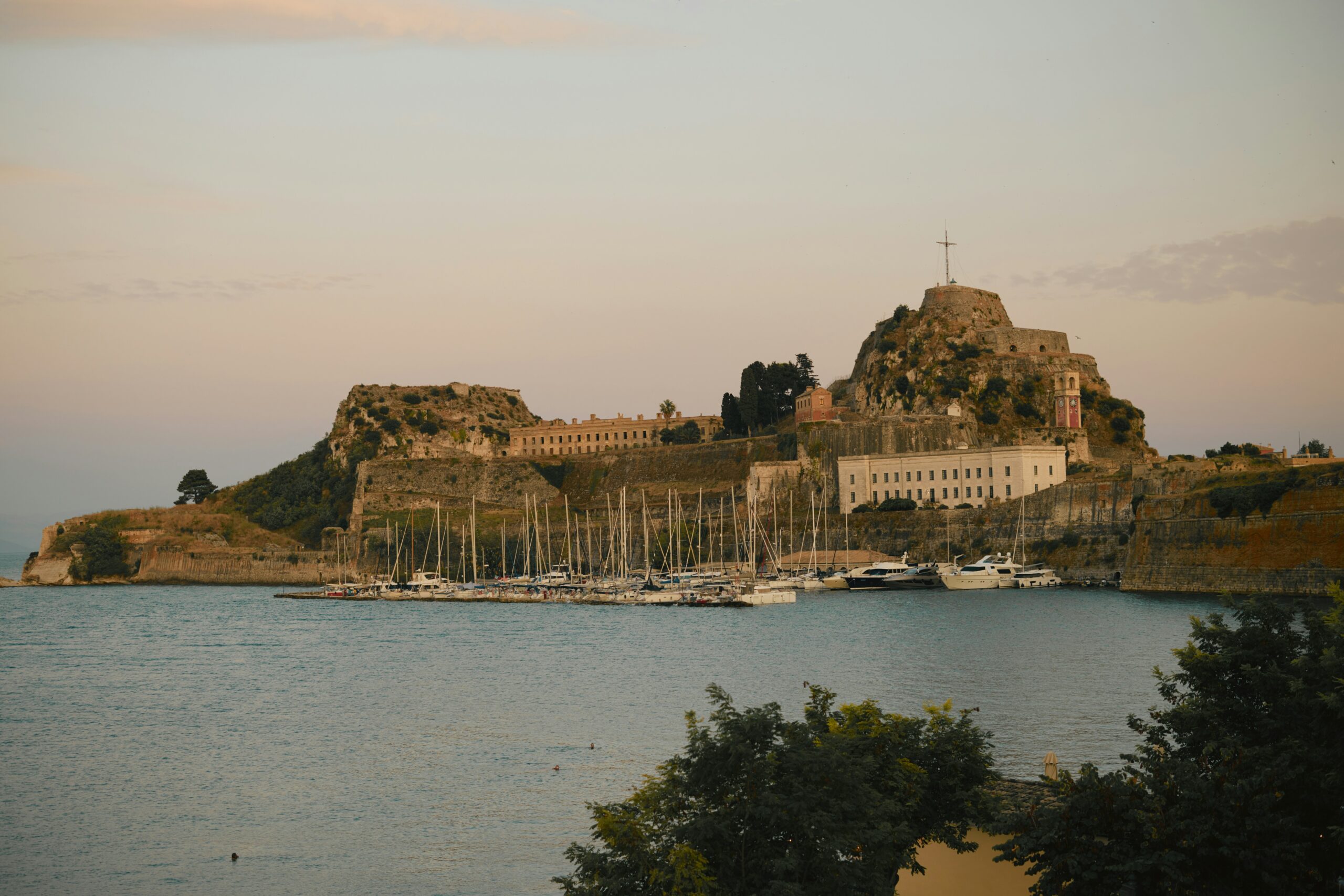
Best fit: retirees who need specialists, hospitals, flights, embassies, accountants, lawyers and strong service access.
1. Athens — best for healthcare, specialists and serious infrastructure
Athens is often the safest long-term base for retirees who need specialist healthcare, private diagnostics, regular flights, embassies, lawyers, accountants, strong banking access and more service options.
The best retirement areas are usually not the loudest central nightlife districts, but quieter neighbourhoods with metro access, taxis, pharmacies, clinics and hospitals.
The trade-offs are real: traffic, heat, air quality, noise, parking and higher rents in comfortable areas. But for retirees planning beyond age 75, Athens can be more realistic than a picture-perfect island village.
2. Thessaloniki — city services with a slightly easier feel
Thessaloniki has hospitals, universities, cafés, markets, culture, seafront walking areas and a real year-round city rhythm.
Traffic, apartment noise, winter comfort, neighbourhood walkability and access to doctors.
Retirees who want city services without the intensity of Athens and prefer a more compact urban feel.
Retiree reality: a comfortable apartment near services is often better than a cheaper home requiring constant driving.
3. Kalamata — one of the strongest balanced choices
Kalamata is one of the strongest retirement choices in Greece for people who want sea, climate, a manageable city size and Peloponnese access without living on a small island.
It has a real year-round population, supermarkets, cafés, pharmacies, doctors, an airport, coastal lifestyle and enough services to feel practical.
The key question is where in Kalamata you live. Central and flatter areas are usually stronger for aging than hillside or isolated homes.

Housing test: central and flat may age better than scenic but car-dependent hillside living.
4. Nafplio — beautiful, walkable and practical for some retirees
Nafplio is one of Greece's most attractive towns for retirees who want beauty, cafés, shops, cultural life and mainland access.
Active retirees who want a beautiful walkable town and a gentler scale than Athens or Thessaloniki.
You need frequent specialist healthcare, very low costs or easy parking close to an older property.
Romantic overbuying risk: old properties, stairs, parking, tourism and healthcare access matter more than the photos suggest.
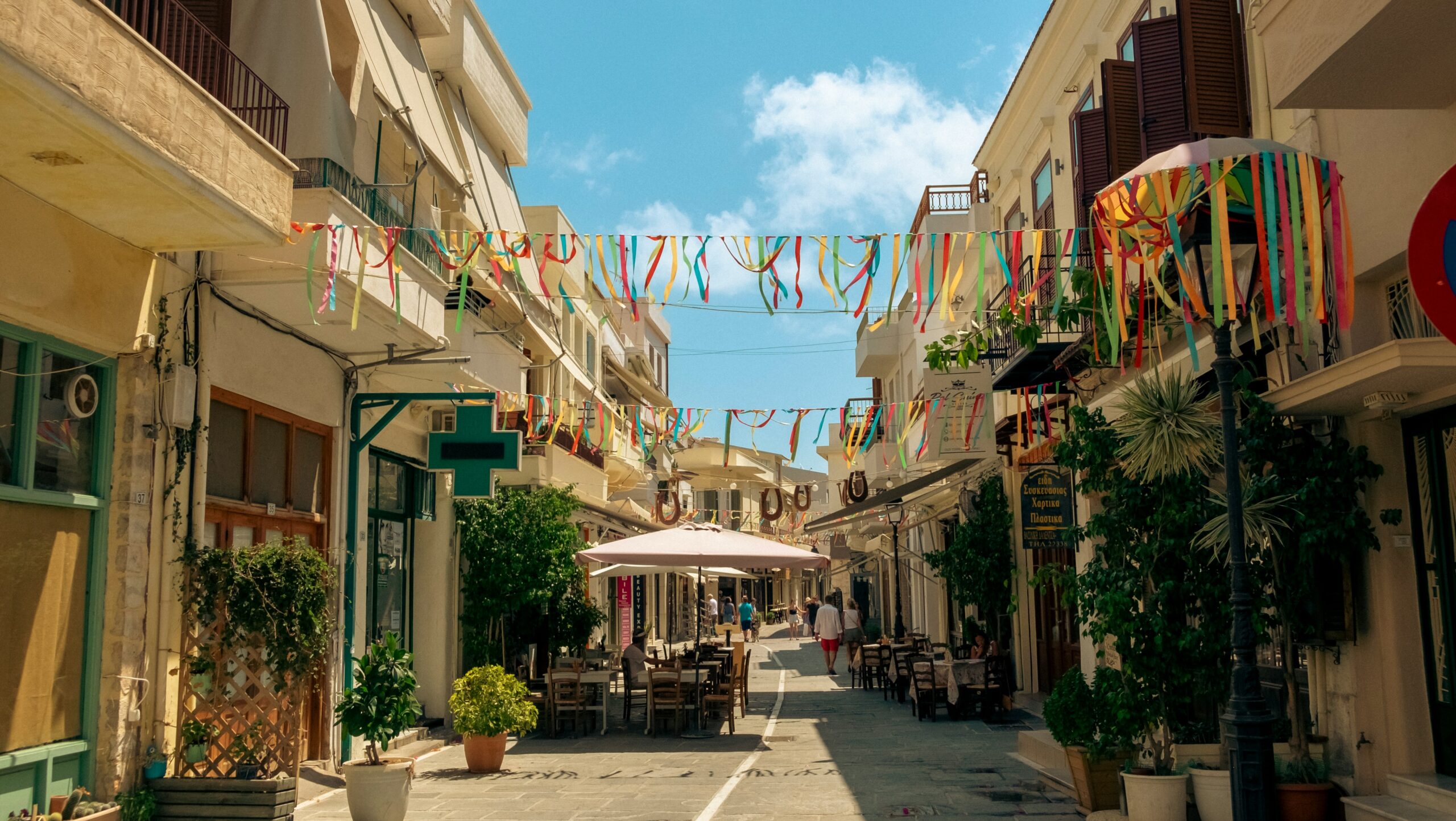
Check locally: parking, slopes, bus routes, hospital access, winter humidity and housing demand.
5. Chania — strong Crete option with healthcare and community
Chania is one of the most popular retirement bases in Crete. It combines old-town beauty, sea access, airport access, international community and better year-round infrastructure than many smaller islands.
For retirees, the appeal is obvious: lifestyle, food, scenery, services, pharmacies, doctors, private options and social networks.
But Chania is not a hidden bargain. Housing can be competitive, summer tourism is intense, and the best areas for retirement are not always the best areas for holiday photos.
6. Rethymno, Corfu and Rhodes — good options with specific trade-offs
Smaller Crete city with walkability, sea access and a softer pace. Specialist healthcare may require Chania or Heraklion.
Beautiful, green and international, but winter damp, seasonal closures and healthcare depth need careful checking.
Larger island with airport, services and warmer climate, but mainland distance still matters.
Small-island warning: never choose a small island permanently until you have tested it during winter, checked healthcare access and understood ferry dependency.
Healthcare comparison by location
Healthcare is the single biggest reason some retirees eventually leave a beautiful location. Greece can offer good healthcare, especially in larger cities, but access varies dramatically.
Athens, Thessaloniki, Heraklion and Chania are usually the safest choices for specialist access.
Kalamata, Rhodes, Corfu Town and larger Crete towns can work for many retirees.
Small islands, remote mountain villages and isolated rural homes require more planning.
Later-life test: pharmacy access, transport and doctor access can become as important as the hospital itself.
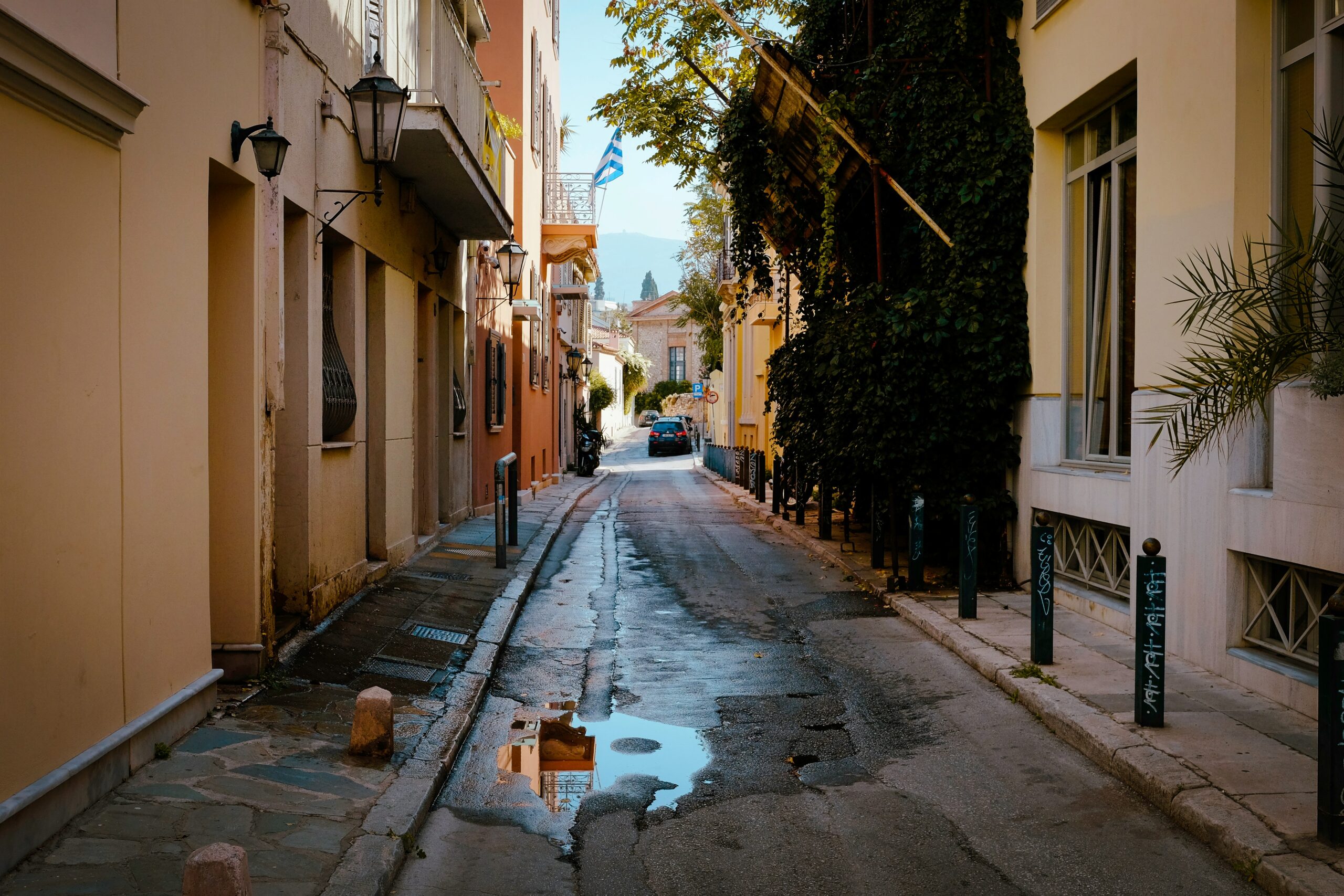
Cost comparison: cheap is not always cheaper
Housing cost is higher, but healthcare travel, flights, specialists and services are easier.
Often a strong balance, but car use, seasonal pricing and rising demand can add costs.
Lower housing cost can be offset by car dependency, heating, isolation and healthcare travel.
Costs are variable. Ferries, deliveries, repairs and healthcare transfers must be planned.
Best places by retirement style
How to shortlist places in Greece
Athens or Thessaloniki if healthcare, services and specialists matter most.
Kalamata, Chania, Rethymno or Nafplio for lifestyle plus practical services.
A smaller mainland town with services, transport and year-round life.
January, February or November reveals more about daily life than July.
Pharmacy, supermarket, clinic, bus stop, taxi, bank and evening transport.
Better approach: rent in two or three areas before buying. Greece is beautiful in many places, but only some locations stay practical year-round.
FAQ: Best Places to Retire in Greece
What is the best place to retire in Greece overall?
For many retirees, Kalamata, Chania, Rethymno and Nafplio offer strong lifestyle-practicality balance. Athens and Thessaloniki are usually stronger for healthcare and specialist access.
Is Athens a good place to retire?
Athens can be very practical for retirees who need healthcare, flights, specialists, private clinics and services. The trade-offs are traffic, noise, heat and higher housing costs in comfortable areas.
Is Crete good for retirement?
Crete can be one of the stronger island choices because Chania, Rethymno and Heraklion offer more services than many smaller islands. Retirees should still check healthcare, transport, winter humidity and housing quality.
Are small Greek islands good for retirees?
Small islands can work for independent, healthy retirees, but they are risky if you need regular healthcare, reliable winter services, frequent travel or strong transport options.
Can retirees live in Greece without a car?
Yes, but only in the right places. Athens, Thessaloniki, central Kalamata, parts of Chania and some walkable towns are more realistic without a car than villages or remote island homes.
Should retirees rent before buying in Greece?
Yes. Renting first lets you test winter life, healthcare access, humidity, noise, transport, neighbours and whether the location remains active outside tourist season.
The best places to retire in Greece usually combine healthcare, walkability, year-round services, social life, transport and realistic housing. Choose for age 80, not only for age 65.