Setting Up Utilities in Italy Step by Step
Utilities in Italy involve much more than turning on electricity. Retirees often face meter confusion, supplier transfers, heating surprises, internet delays, direct-debit problems and administrative friction during the first months after moving.
Setting up utilities is one of the first moments where retirees encounter how Italian administration actually works in daily life. Documents, meter numbers, activation delays, direct debits and local providers quickly become part of normal retirement infrastructure.
The biggest problems usually happen when retirees assume utilities are already functioning properly because the property looked “move-in ready.” In reality, some homes have inactive contracts, unpaid balances, weak internet infrastructure or heating systems that become extremely expensive in winter.
Utilities should be treated as part of retirement infrastructure
Many retirees focus heavily on property purchase or rental price while ignoring infrastructure quality. But utilities often determine whether retirement life actually feels comfortable after the excitement phase ends.
Problems with heating, internet, water pressure or electrical systems quickly affect:
- healthcare access
- banking
- communication with family
- winter comfort
- remote administration
- daily stress levels
A beautiful apartment with poor heating and unstable internet can become exhausting surprisingly quickly during retirement.
Electricity contracts are often more complicated than expected
Electricity in Italy usually involves suppliers, tariffs, meter status and account ownership rather than a simple “on/off” setup.
Retirees should determine immediately:
- Is the electricity currently active?
- Who holds the contract?
- Is there unpaid debt?
- Is the meter still functioning?
- What tariff structure is used?
- Are bills estimated or based on readings?
Some retirees discover after arrival that activation delays can take longer than expected, especially during holidays or vacation periods.
This becomes especially stressful when internet, heating or medical devices depend on stable electricity immediately after moving.
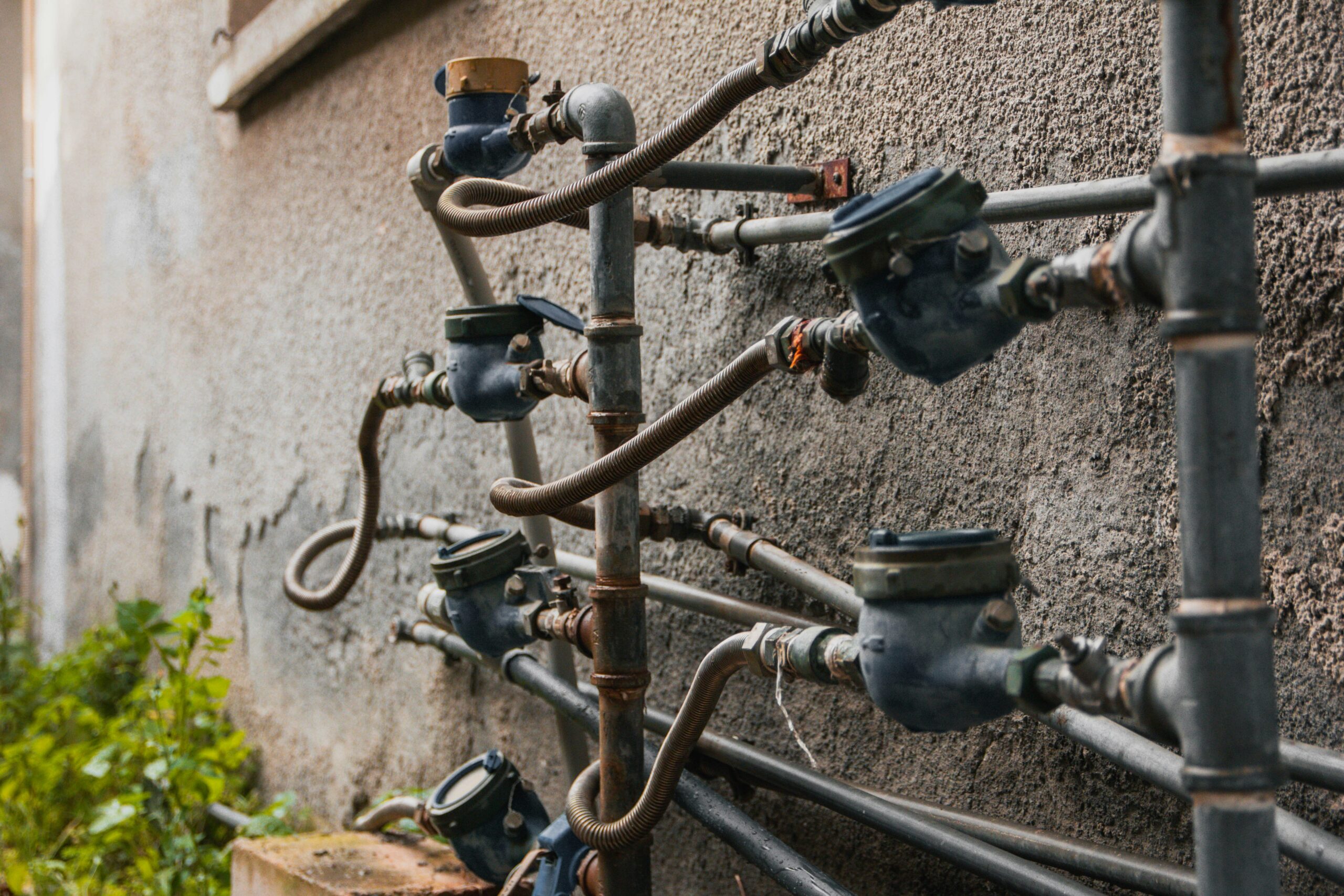
Heating becomes one of the biggest retirement realities
Heating is frequently underestimated by retirees moving to Italy.
Many foreign retirees imagine Italy as permanently warm, but older properties can become surprisingly cold and damp during winter.
Before signing leases or purchasing property, retirees should ask:
- How is the property heated?
- How old is the boiler?
- What were last winter’s bills?
- Is there insulation?
- Are radiators centralized or individual?
- Is air conditioning reversible for heating?
Some retirees discover too late that heating costs become one of their largest recurring expenses.
Water and waste systems are more local than many retirees expect
Water and waste charges are often handled through local systems rather than a single national structure.
Depending on the municipality and property:
- water bills may arrive separately
- waste charges may follow local tax systems
- condominium fees may include some utilities
- accounts may remain in landlord names
Retirees should clarify exactly:
- which utilities are included
- which bills remain the tenant’s responsibility
- which accounts require transfer
- whether direct debit is mandatory
Confusion here creates many avoidable billing problems during the first year.
Internet quality varies enormously by address
One of the biggest mistakes retirees make is assuming fibre availability applies equally across an entire town.
In reality:
- one building may have excellent fibre
- the next street may still depend on older infrastructure
- historic centers may complicate installation
- rural properties may rely heavily on mobile networks
Retirees who depend on:
- video calls
- online banking
- SPID authentication
- streaming
- telemedicine
should test internet by exact address before moving.
SPID, banking and utilities quickly connect together
Retirees are often surprised how interconnected utilities become with other systems in Italy.
Utility setup may eventually connect with:
- Italian bank accounts
- direct debits
- SPID verification
- residency registration
- tax systems
- identity verification
This is why organization matters enormously during the first retirement year.
Retirees who keep:
- digital copies
- meter photographs
- supplier contacts
- contracts
- banking details
usually experience much less stress long term.
Rural properties often create utility surprises
Rural retirement can be wonderful, but infrastructure quality varies dramatically.
Retirees should investigate:
- internet reliability
- water pressure
- electrical stability
- mobile coverage
- heating logistics
- road access during storms
Some retirees discover too late that beautiful countryside homes involve:
- constant pellet deliveries
- weak internet
- slow repairs
- older electrical systems
- difficulty finding technicians
Infrastructure matters far more after age 70 than it did during vacation visits.
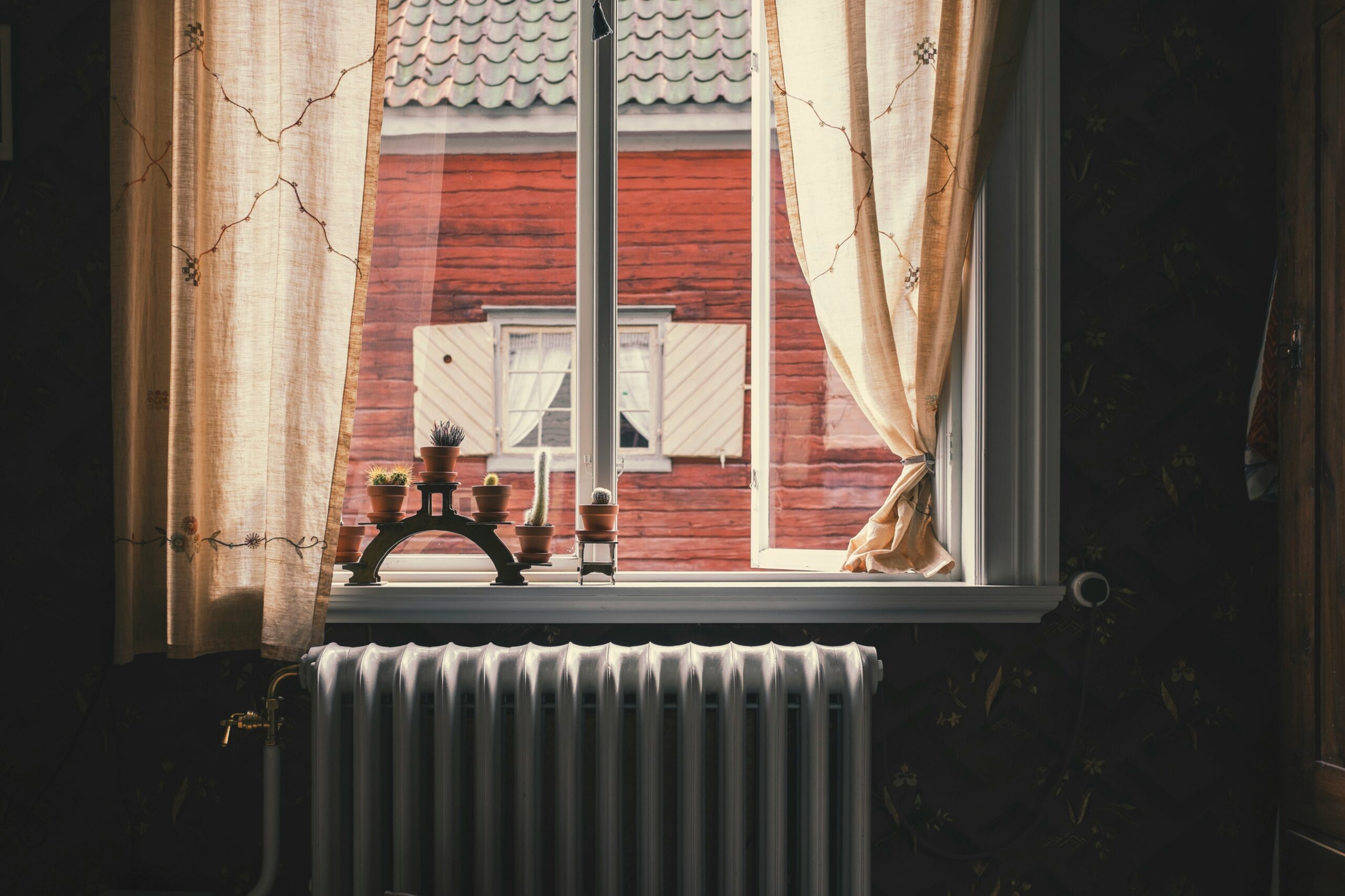
Good utility planning reduces retirement stress enormously
Most utility problems in Italy are manageable. The real issue is usually timing, assumptions and organization.
Retirees who prepare properly usually experience smoother transitions because they:
- verify contracts early
- understand heating systems
- test internet properly
- organize documents carefully
- expect some bureaucracy
Utilities are ultimately part of building a stable retirement system — not just moving boxes into a property.
Final thoughts
Utility setup in Italy rewards patience, organization and realistic expectations.
The retirees who experience the least stress are usually the ones who treat utilities as part of long-term retirement infrastructure rather than an afterthought after moving.
Heating, internet, water and electricity may sound mundane, but they strongly influence comfort, healthcare access, administration and everyday quality of life during retirement in Italy.