Buying Property in Italy for Retirement
Buying property in Italy can be deeply rewarding, but retirees need to evaluate winter comfort, healthcare access, humidity, renovation realities and long-term practicality before committing permanently.
Many retirees fall in love with Italian property emotionally long before they evaluate whether the property actually works for retirement living.
A beautiful farmhouse, village apartment or coastal house may feel magical during a spring viewing trip. The real question is whether the property still feels comfortable during winter, healthcare appointments, maintenance problems and aging twenty years later.
Retirement property should be evaluated through ordinary life
Many foreign buyers initially focus on scenery, charm and low prices.
Experienced retirees eventually focus on something else entirely:
- Can I comfortably live here in January?
- How difficult are stairs and parking?
- How far is the nearest pharmacy?
- Will this still work if one partner stops driving?
- Can healthcare be reached easily?
- How expensive is heating realistically?
A retirement property is not simply an investment or holiday purchase. It becomes infrastructure for long-term aging abroad.
Summer viewings hide many problems
Italian properties usually look their best during spring and summer.
Retirees visiting during warm months often completely miss:
- cold interiors
- humidity and mold
- poor insulation
- quiet off-season towns
- high heating costs
- winter driving difficulties
- reduced local services
The first winter is often when retirees discover whether the property truly works long-term.
Older Italian buildings require realistic expectations
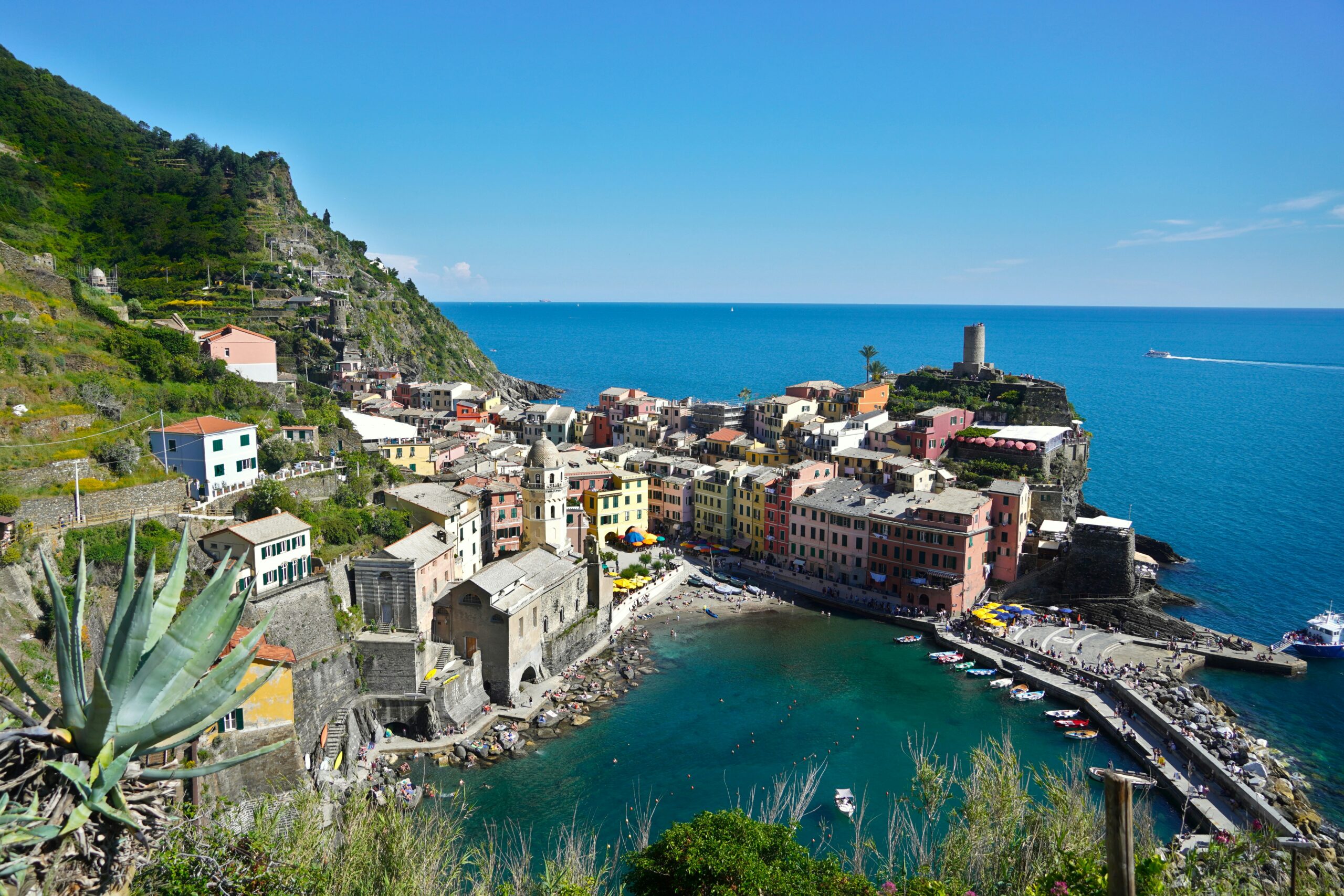
Many retirees are drawn toward older stone homes and historic apartments because they feel authentic and charming.
These buildings often come with practical realities that are not obvious during short visits:
- cold tile floors
- humidity and condensation
- slow heating response
- older electrical systems
- narrow staircases
- limited insulation
- poor soundproofing
Some retirees discover they are constantly heating rooms while still feeling cold because the building itself never fully warms up.
Location often matters more than the property itself
Many retirees eventually realize the location shapes retirement life more than the house.
A smaller apartment near daily infrastructure may create a far easier retirement than an isolated dream property.
Important questions include:
- Can groceries be reached without driving?
- How close is the nearest hospital?
- Does the town remain active year-round?
- Are taxis or buses realistic?
- Can family visit easily?
- How difficult are winter roads?
Beautiful scenery matters, but retirees often underestimate how much ordinary logistics shape long-term quality of life.
Retiree reality check
The best retirement property is rarely the most romantic one. It is usually the property that remains comfortable, practical and manageable during ordinary daily life.
Cheap property can become expensive later
Many foreigners are attracted by low prices in rural Italy.
The real long-term costs may include:
- roof repairs
- heating upgrades
- humidity treatment
- transport dependence
- renovation stress
- contractor coordination
- future accessibility modifications
The cheapest purchase price rarely represents the real retirement cost.
Renovation projects are often underestimated
Many retirees initially romanticize renovating old Italian properties.
Some projects become deeply rewarding. Others become years of stress involving:
- contractor delays
- permit complications
- budget overruns
- unexpected structural problems
- language barriers
- coordination fatigue
Retirees should ask honestly:
Do you want to retire in Italy, or manage a construction project in Italy?
For renovation realities, see Hiring Contractors and Renovating Property in Italy.
Condominium rules surprise many foreign buyers
Apartment ownership in Italy often includes condominium systems that foreign retirees initially misunderstand.
Potential issues include:
- monthly fees
- shared maintenance expenses
- building disputes
- elevator repair costs
- noise conflicts
- special assessments
Some retirees appreciate apartment simplicity. Others feel frustrated by shared decision-making and unpredictable costs.
For more detail, see Italian Apartment Rules and Condominium Fees.
Healthcare access should influence every purchase
One of the biggest retirement mistakes is separating property decisions from healthcare reality.
Retirees should test real routes to:
- hospitals
- pharmacies
- specialists
- blood testing clinics
- emergency services
A beautiful home becomes far less attractive if every medical appointment requires exhausting travel.
For healthcare realities, see Healthcare Access in Rural Italy.
Renting first often prevents expensive mistakes
Many experienced retirees strongly recommend renting before buying permanently.
Renting allows retirees to test:
- winter comfort
- noise levels
- public transport
- daily errands
- healthcare access
- humidity problems
- local bureaucracy
The strongest retirement decisions usually happen slowly rather than emotionally.
Best practical strategy
- Visit during winter, not only summer.
- Inspect for condensation and mold.
- Ask for real utility bills.
- Walk every daily route personally.
- Test parking and accessibility.
- Prioritize healthcare access.
- Rent before buying if possible.
The best retirement properties often feel surprisingly ordinary
Many sustainable retirement choices in Italy are not dramatic luxury homes.
The strongest long-term setups are often:
- walkable apartments
- warmer interiors
- manageable maintenance
- good transport connections
- nearby pharmacies and services
- reduced driving dependence
Italian retirement works best when comfort, independence and realistic daily life matter more than fantasy imagery.