Humidity and Mold Problems in Italy for Retirees
Many retirees are surprised to discover that Italian homes can feel colder, damper and more difficult to heat than expected during winter months, especially in older buildings.
The real test is not how a property feels during a sunny viewing. It is how it behaves through January rain, condensation, limited heating, closed windows and everyday retirement life.
One of the biggest shocks for many retirees moving to Italy is not taxes, healthcare or bureaucracy. It is indoor humidity. Beautiful stone homes, charming apartments and older village properties can hide condensation, damp walls, mold growth and surprisingly poor insulation. This matters more with age because cold, damp interiors affect comfort, sleep, respiratory health and long-term housing costs.
Italy is not always warm indoors
Many retirees assume southern Europe automatically means warm housing. In reality, many Italian buildings were designed around summer heat rather than winter comfort.
A property can feel perfect during a spring viewing and still become cold, humid and expensive to heat during the wet months.
RetirePlan reality check: Do not judge an Italian retirement property only from summer light, views and charm. Winter comfort is part of the real cost.

Main hidden risk: The home may be structurally charming but unhealthy or uncomfortable through winter.
Older buildings often trap moisture
Many older Italian homes contain thick stone walls, limited insulation and aging ventilation systems. These features can be beautiful, but they often trap moisture when heating is irregular and windows stay closed during winter.
Behind wardrobes, behind beds, inside closets, in bathroom corners and around window frames.
Musty smells, peeling paint, damp bedding, cold walls and condensation in the morning.
Minimal heating, poor ventilation and furniture pushed tightly against external walls.
Damp living conditions can affect sleep, comfort, respiratory health and maintenance costs.
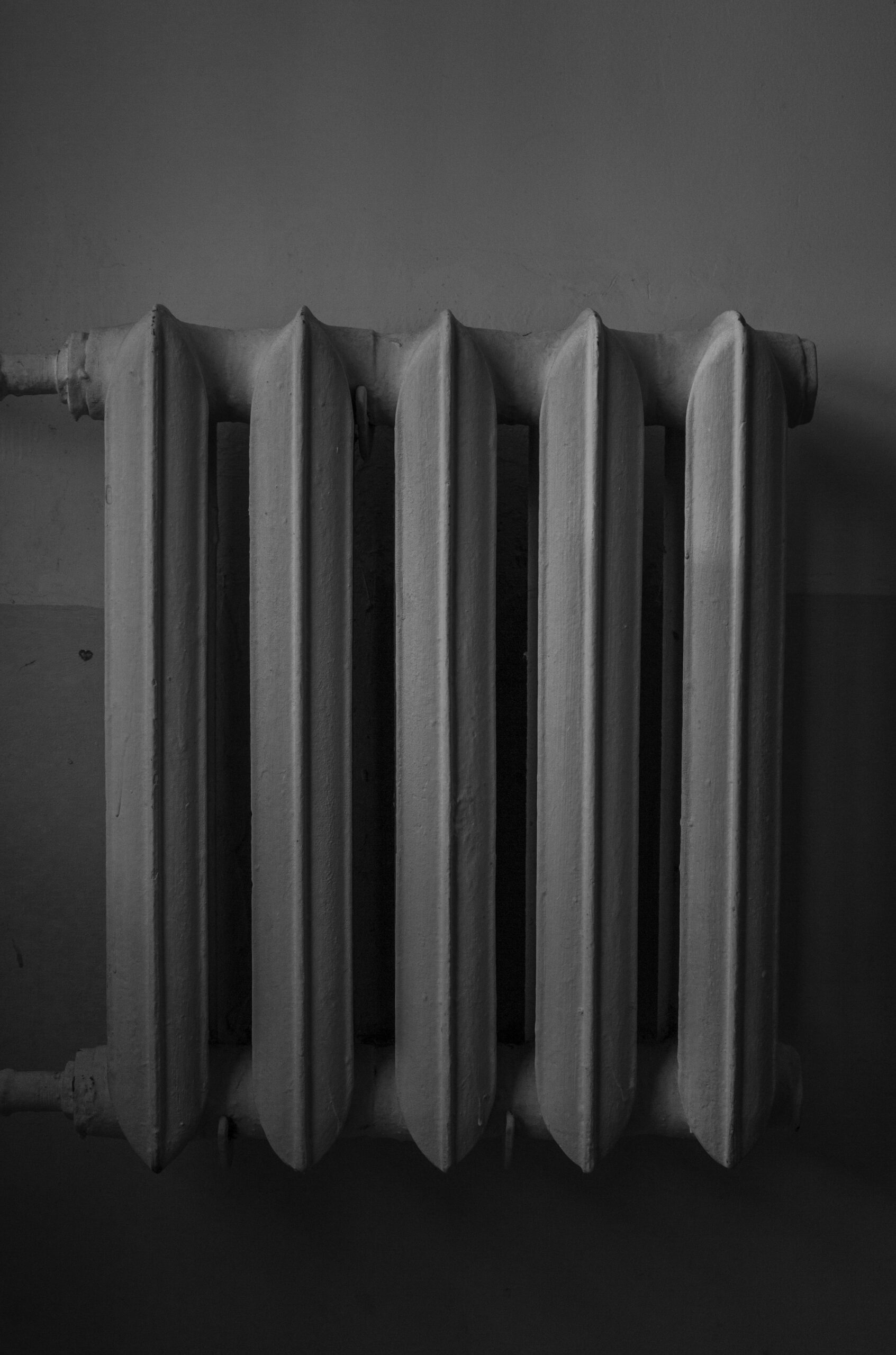
Better filter: Ask for real winter heating costs before trusting how the property feels during a viewing.
Heating costs become part of the humidity problem
Retirees often underestimate the relationship between heating and moisture control. A poorly heated home frequently develops cold wall surfaces, condensation, persistent dampness and mold growth.
Trying to save too aggressively on winter heating can create more expensive problems later, especially in bedrooms, bathrooms and north-facing rooms.
- Ask for actual winter bills, not annual averages only.
- Check whether the heating reaches every room or only the main living area.
- Look for condensation around windows and exterior walls.
- Inspect bathrooms, wardrobes and bedrooms during colder months if possible.
- Check whether dehumidifiers are already being used.
Humidity problems are highly regional
Different parts of Italy experience different humidity realities. Even nearby towns can feel dramatically different depending on elevation, airflow, building style and winter climate.
Short-term visitors rarely see the real winter reality
Most retirees first experience Italy during spring, summer or early autumn. That means they often miss the problems that appear when rain, closed windows and colder interiors become normal.
The first winter often becomes the real test of whether a property works as a retirement home rather than a holiday dream.
Light, charm, views and outdoor life dominate the impression.
Condensation, heating costs, ventilation and damp smells become visible.
Buying risk: Serious humidity problems are often discovered after purchase, not during the estate agent visit.

Modernized properties are often easier long term
Many retirees eventually discover that slightly less romantic but better-modernized homes create much more comfortable retirement living. Comfort usually matters more over time than purely aesthetic charm.
- Double glazing and fewer drafts.
- Modern insulation and updated heating.
- Good bathroom ventilation and airflow.
- Dry wall structures and healthy indoor air.
- Manageable room sizes and realistic heating costs.
- Less dependence on constant maintenance or renovation.
Practical humidity checklist
- Visit properties during winter if possible.
- Check corners, wardrobes, window frames and north-facing rooms.
- Ask for real heating bills from the coldest months.
- Understand ventilation, heating type and dehumidifier needs.
- Do not assume southern Europe means warm housing.
- Prioritize dry, healthy living conditions over pure aesthetics.
- Think about respiratory comfort, sleep quality and aging.
- Inspect insulation before buying older properties.
The best retirement homes feel dry, calm and easy to maintain
Many retirees eventually realize that comfortable retirement housing is usually more important than dramatic architecture or “authentic” old-world charm.
The strongest retirement properties typically provide stable temperatures, good ventilation, manageable heating costs, low maintenance stress and healthy indoor air quality.
RetirePlan principle: A beautiful Italian home is only a good retirement home if it stays comfortable, dry and manageable during ordinary winter life.
Related Italy retirement guides
Humidity and mold are not small cosmetic details. For retirees in Italy, dry air, reliable heating and manageable maintenance can matter as much as location, views and purchase price.