What Breaks Most Often When Moving to Italy
Internet delays, heating failures, utility confusion, banking friction and slow bureaucracy are some of the most common practical problems retirees face after moving to Italy.
The issue is rarely one dramatic disaster. It is the accumulation of small systems that stall at the wrong moment: bills, meters, SPID, repairs, payments, weak signal, cold rooms and paperwork chains.
Many retirees prepare carefully for visas, housing and healthcare, then discover that everyday life is shaped by smaller systems: internet installation, utility transfers, heating quality, local repair speed, Italian banking, comune appointments and whether documents are in the right order. Most problems are manageable, but they feel much larger when they happen in a new language and several systems depend on each other.
Use the Italy Move Planner to turn these weak points into a practical first-year checklist for documents, housing, banking, utilities, healthcare, tax review and backup systems.
The first year exposes weak systems quickly
Italy can be a wonderful place to retire, but the move becomes much easier when retirees understand that practical systems may not behave like they did at home.
The first year usually reveals which parts of the setup are fragile: utility contracts, address records, payment methods, internet coverage, winter comfort and the sequence between codice fiscale, bank account, residence paperwork and SPID.
RetirePlan reality check: most Italy relocation problems are not fatal. They become stressful when one small delay blocks several other systems at once.
Build the backup plan first. The Italy Move Planner helps organize the sequence before internet, payments, utilities, SPID, healthcare or housing problems start blocking each other.


Internet may be weaker than the listing suggested
Internet quality can vary by exact address, not only by town or region. A listing may say internet is available, but that can mean fibre nearby, older copper, fixed wireless, a mobile router or a connection that still requires installation.
This matters because retirees increasingly rely on internet for banking, healthcare portals, SPID access, video calls, pension administration and document uploads.
Old walls, awkward wiring and shared buildings can complicate installation.
Coverage maps can look better than the indoor signal at the actual house.
Before signing: test mobile data inside the home and ask for the previous occupant’s provider, contract type and recent speed test if possible.
Utilities are often the first practical headache
Electricity, gas, water and internet are often more administrative than retirees expect. The contract may still be registered to a previous occupant, the supply may be active but not in your name, or the provider may need meter codes before anything can move.
Retirees should photograph all meters on move-in day and keep copies of every contract, payment confirmation, supplier message and account number.
Common after rentals or purchases where the previous setup was not closed cleanly.
The first real correction bill can surprise retirees if early usage was estimated too low.
POD and PDR details can matter more than the address alone.
Direct debit, IBAN acceptance and bank setup can slow utilities and rent.
Move-in habit: photograph electricity, gas and water meters before you unpack. Store the photos with your lease or purchase documents.
Heating problems appear when the romance fades
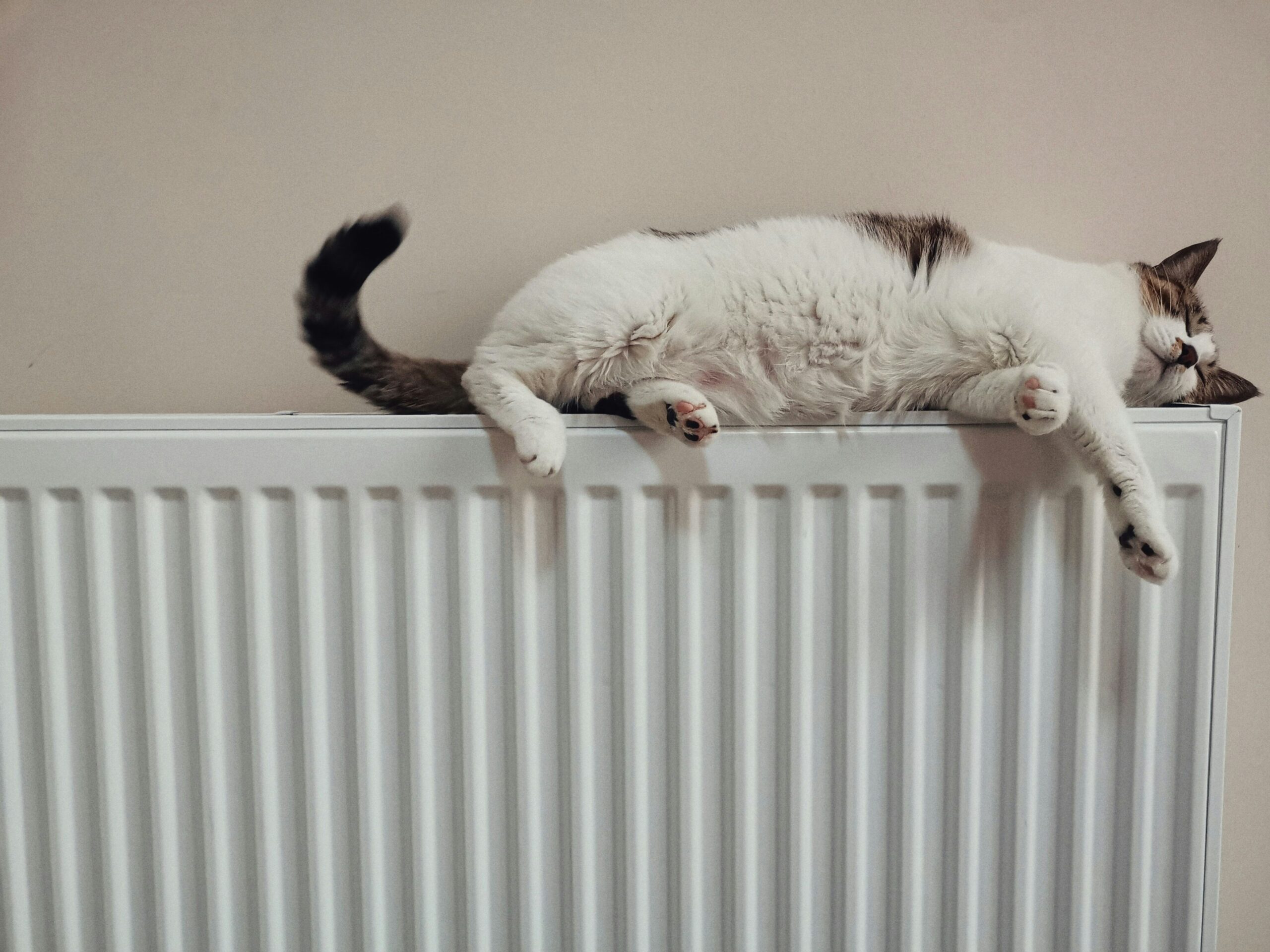
Many Italian properties look beautiful in spring and summer but reveal weaknesses during winter. Cold tile floors, old boilers, radiators that heat unevenly, poor insulation and humidity can change the real cost of living.
A retiree who buys mainly for views, charm or low purchase price may later discover that January comfort costs far more than expected.
- Ask how the home is heated in January, not only whether it has heating.
- Request real winter bills before buying or signing a long lease.
- Check whether radiators heat evenly and whether the boiler has been serviced.
- Look behind wardrobes, window frames and cold corners for condensation or mold.
Housing reality: the most comfortable retirement property is often not the most romantic one. It is the one that stays warm, dry and easy to maintain.

Humidity and mold turn small housing flaws into daily problems
Cold interiors, closed-up homes, coastal air, older walls and weak ventilation can create condensation, musty cupboards and mold behind furniture.
For retirees with respiratory issues, allergies or mobility limitations, this is not just cosmetic. It can affect health, sleep, storage, energy costs and whether parts of the home remain usable.
Banking friction can slow everything else
Banking problems in Italy are rarely dramatic, but they affect many other systems. Utilities, rent, pension transfers, taxes, insurance, property purchases and direct debits all become easier when your banking setup is stable.
Wise and Revolut can help with international money movement, but they do not remove the need to understand how Italian banks, IBANs, identity checks and direct debits work locally.
Can depend on identification, codice fiscale, address records and bank policy.
Property funds may trigger source-of-funds questions and extra documentation.
Some suppliers, landlords or systems are easier with an Italian IBAN.
Do not depend on one card or one payment app during the first months.
Bureaucracy breaks when the sequence is wrong
Italian paperwork often becomes difficult when retirees handle steps in the wrong order. The individual tasks may be manageable, but the dependency chain can become frustrating if handled reactively.
A landlord may ask for a codice fiscale before signing. A bank may want proof of address. A utility provider may want an IBAN. Healthcare registration may depend on residence paperwork. SPID may become urgent before identity records are stable.
- Codice fiscale: needed across housing, banking, utilities and bureaucracy.
- Address and contracts: needed for proof of residence and supplier setup.
- Banking: needed for direct debits, bills and predictable payments.
- Comune and SPID: easier once identity, address and documents align.
Sequence matters. Use the Italy Move Planner to separate your legal route, codice fiscale, housing, banking, utilities, healthcare and tax review into the right order.

Repairs and contractors may take longer than expected
Small maintenance problems can become surprisingly stressful when retirees are new to the country. A boiler repair may need several visits. Parts may need ordering. Local tradespeople may be busy. Holiday periods can slow responses. In smaller towns, personal recommendations often matter more than online reviews.
Do not wait for emergencies: collect local repair contacts before winter, before a leak and before the boiler stops.
Rural locations magnify weak points
Rural Italy can be peaceful and beautiful, but weak systems become more visible outside larger towns. Mobile signal may be poor inside thick-walled homes, technicians may be farther away, public transport may be limited and daily errands may depend heavily on driving.
Check indoor signal and installation options before falling in love with the view.
Pellets, wood, LPG tanks and deliveries may be tiring later in retirement.
Fewer local technicians means more waiting when systems fail.
Ask how the location works if you cannot drive for two weeks.
Language turns small problems into bigger problems
Even basic problems become harder when retirees cannot explain them clearly. Utility calls, repair appointments, bank visits, pharmacy conversations, comune offices and condominium meetings all require practical vocabulary.
Perfect Italian is not required, but retirees benefit enormously from learning words for bills, meter readings, appointments, leaks, heating, direct debit, account numbers, residence, identity documents and emergencies.
Practical shortcut: keep a small Italian phrase list on your phone for utilities, repairs, pharmacy needs and administrative appointments.
The smartest strategy is to build redundancy
Retirees who handle Italy well usually build backup systems instead of relying on one fragile arrangement. Redundancy makes Italy feel calmer because one delay no longer stops everything.
- Keep a second mobile data option during the first months.
- Store digital and paper copies of key documents.
- Use more than one payment card and keep some emergency cash.
- Find a trusted local technician or handyman before emergencies.
- Build a regular pharmacy relationship early.
- Keep clear records of meter readings, contracts and supplier contacts.
Practical checklist before systems break
- Photograph all meters on move-in day. Electricity, gas and water readings protect you from unclear billing.
- Confirm who holds each contract. Do not assume the previous setup transferred cleanly.
- Test internet at the exact property. Town-level coverage is not enough.
- Ask for real winter heating bills. January costs matter more than spring impressions.
- Organize pension, banking and identity records. Small mismatches slow several systems.
- Find local tradespeople early. Emergencies are easier when you already know who to call.
Italy works better when retirees expect friction, keep documents organized and build backups for internet, payments, utilities, heating and local repair help. The strongest relocation plan is not perfect; it is resilient. Use the Italy Move Planner to turn that resilience into a practical first-year setup sequence.