Public vs Private Healthcare in Italy for Retirees
Most retirees in Italy eventually discover that healthcare works best as a balanced public-private strategy.
The public SSN can provide strong long-term structure, while private care often reduces stress, waiting times and administrative friction during retirement.
Foreign retirees often arrive expecting either a perfect public healthcare system or a bureaucracy that must be avoided completely. Reality is more practical. Healthcare quality in Italy depends heavily on region, transport, GP availability, waiting times, hospitals, pharmacies and how well your retirement setup supports aging.
Healthcare quality depends heavily on location
One of the biggest mistakes retirees make is discussing Italian healthcare as if the entire country functions identically. A retiree near Bologna, Milan or Florence may experience very different access from someone in a remote rural comune, mountain town or poorly connected inland area.
The real retirement question is not only whether Italy has good doctors. It is whether your exact location gives you workable access to doctors, prescriptions, diagnostics, hospitals and help when driving becomes harder.
Retiree reality: A cheap or beautiful property means very little if healthcare becomes exhausting after age 75.

The public SSN system: what retirees actually experience
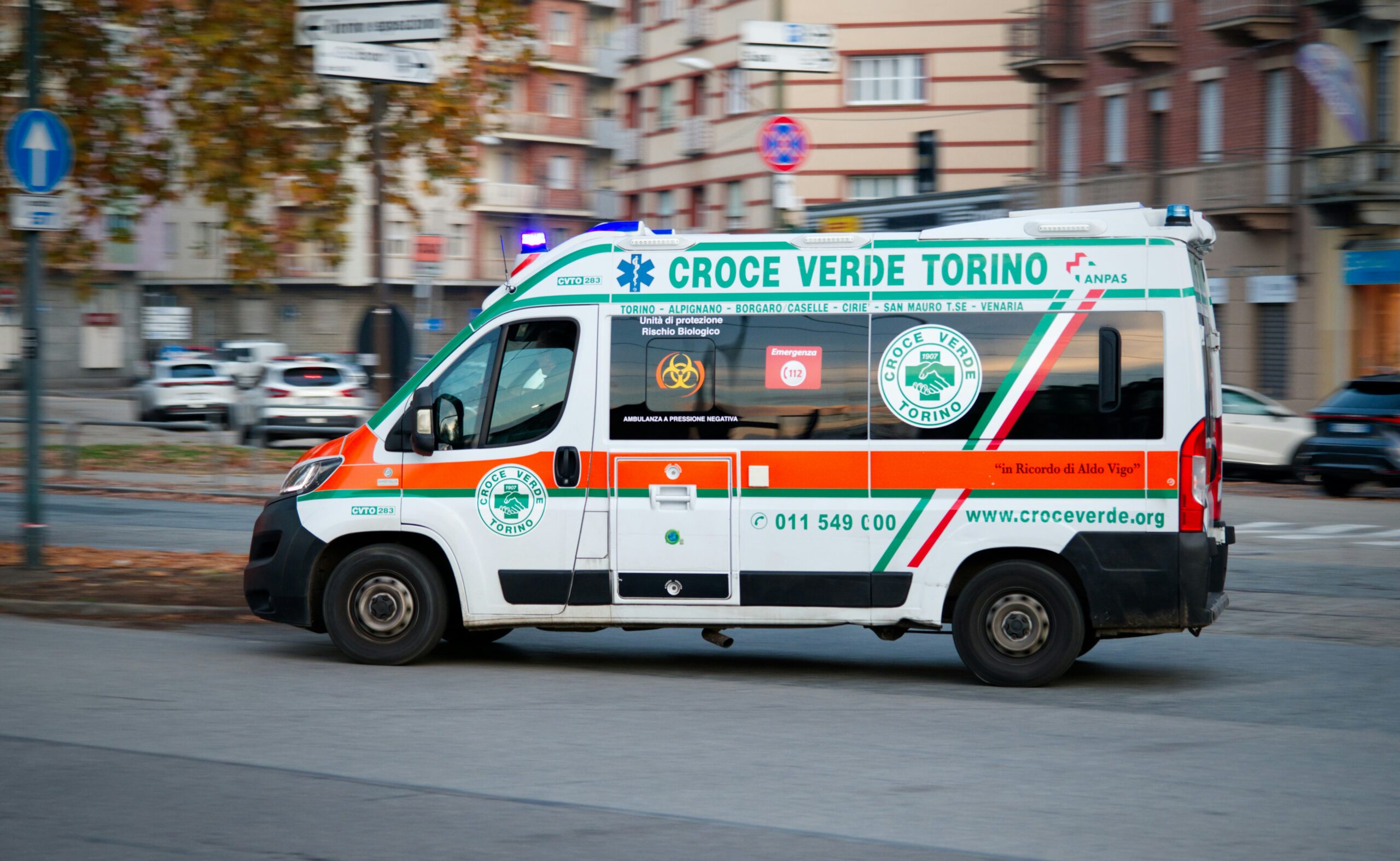
Italy’s Servizio Sanitario Nazionale, usually shortened to SSN, provides the foundation for long-term healthcare access once retirees are properly registered. In ordinary life, the system usually revolves around the local ASL, your medico di base, referrals, prescriptions, specialist bookings and hospital networks.
The local health authority that shapes registration, service access and local procedures.
Your GP, often the gatekeeper for prescriptions, referrals and continuity.
Specialist access may require the right paperwork and booking route.
Medication routines depend on GP renewals, pharmacy access and local systems.
Practical step: Build your SSN routine early, before you are dealing with illness, urgent decisions or language stress.
Waiting times are where private care becomes useful
The largest frustration many retirees encounter is waiting time variability. Depending on region and specialty, delays may appear for specialist appointments, diagnostic scans, non-urgent procedures and follow-up consultations.
This does not mean Italian healthcare quality is poor. Italy often has skilled doctors and strong hospital care. The problem is usually access speed, administrative friction and uncertainty when you want a quick answer.
- Use the SSN as the long-term foundation.
- Keep private care as a pressure valve for delays.
- Budget for diagnostics, second opinions and specialists.
- Do not wait until you are stressed to find private options.
Budget note: The smartest retirement healthcare strategy is rarely “public only” or “private only.” It is having several workable routes when timing matters.

Where private healthcare usually helps retirees most
Private healthcare in Italy is often used to reduce stress rather than replace the public system entirely. For many retirees, the goal is practical comfort: faster information, clearer options and less waiting when something feels uncertain.
Important: Private care can improve convenience, but it does not remove the need for public registration, emergency planning and a reliable local GP route.
Private care does not replace the healthcare ecosystem
A common misunderstanding is assuming private clinics make public registration unnecessary. Long-term retirement safety still depends heavily on SSN integration, GP access, prescription systems, local hospitals, pharmacies and emergency care.
Serious emergencies, chronic care and hospital coordination still connect strongly to the wider system. Private clinics can help enormously, but they are not a complete retirement infrastructure on their own.
Registration, GP continuity, prescriptions and emergency structure.
Speed, second opinions, selected specialists and diagnostics.
Medication availability, equivalents, advice and renewals.
Diagnoses, medications, allergies, insurance and translations.
Transport often matters more than the hospital itself
Many retirees focus on hospital quality while ignoring how they will physically reach appointments. In real life, retirement healthcare quality depends on how easily you can attend visits, whether one spouse must always drive, how stressful parking is and whether trains, buses or taxis work when you are tired.
This becomes increasingly important later in retirement. A smaller apartment in a well-connected town can create a safer long-term healthcare reality than an isolated dream property with weak access.
Main hidden risk: Choosing a beautiful retirement location without testing healthcare access, parking, transport and emergency routes.


Aging changes healthcare priorities dramatically
Healthcare decisions that feel manageable early in retirement may feel completely different later. As retirees age, the priorities shift toward predictability, walkability, hospital proximity, specialist availability, reduced driving dependence and simpler administration.
- Choose places where healthcare works without heroic driving.
- Ask whether local GPs are taking new patients.
- Check pharmacy access on foot or by short transport.
- Budget for private flexibility even if you mainly use the SSN.
- Think about widowhood, fatigue, chronic illness and mobility change.
Best strategy: Build healthcare flexibility early: SSN registration, local routines, pharmacy support and selective private backup.
Practical healthcare comparison checklist
Before choosing where to live in Italy, compare public structure, private options and daily logistics together. The strongest retirement setups are not based on national rankings. They are based on whether the system is usable on a difficult Tuesday morning.
Understand ASL registration, medico di base choice, referral routes and prescription routines.
Identify nearby private specialists, diagnostic centres and realistic consultation costs.
Test pharmacy, GP, hospital, parking, taxi and train access before committing.
Ask whether the setup still works with less energy, less driving and more appointments.
The best healthcare system is the one you can actually use comfortably
For retirees, healthcare is not only about rankings, ideology or online opinions. It is about whether appointments, transport, paperwork, prescriptions and treatment remain manageable during difficult periods.
Italy can provide excellent retirement healthcare, but the strongest setups usually combine public registration, local GP integration, selective private flexibility, walkable daily life, manageable transport and realistic budgeting.