Winter Living in Italy for Retirees
Winter living in Italy often surprises retirees with cold interiors, humidity, heating costs, quiet seasonal towns and housing problems that summer visits completely hide.
Italy is often imagined through sunshine, terraces, cafés and outdoor life. Many retirees choose locations after visiting during spring or summer, when almost everywhere feels pleasant.
The first real winter is often when retirees discover whether a property and location actually work long-term. Cold interiors, humidity, expensive heating, quiet towns and reduced services can completely change how daily life feels.
Winter is when retirement choices are tested
Summer hides many infrastructure and housing problems in Italy.
A beautiful stone apartment that feels romantic in May may feel damp and uncomfortable in January. A lively coastal town may become quiet and partially closed outside tourist season.
Many retirees are shocked that homes in Italy can feel colder indoors than homes in northern Europe, even when outdoor temperatures are milder.
This happens because many older Italian buildings were designed for ventilation and summer heat rather than modern winter insulation.
The real winter problems retirees discover
The most common winter surprises include:
- poor insulation in older buildings
- cold tile or stone floors
- condensation and mold
- high gas or electricity bills
- older heating systems
- rooms heating unevenly
- difficult ventilation choices
- quiet off-season towns
- winter loneliness and isolation
Retirees often expect Italy to feel “warmer” simply because it is southern Europe. In practice, many Italian homes feel less comfortable in winter than modern insulated homes further north.
Heating systems vary enormously
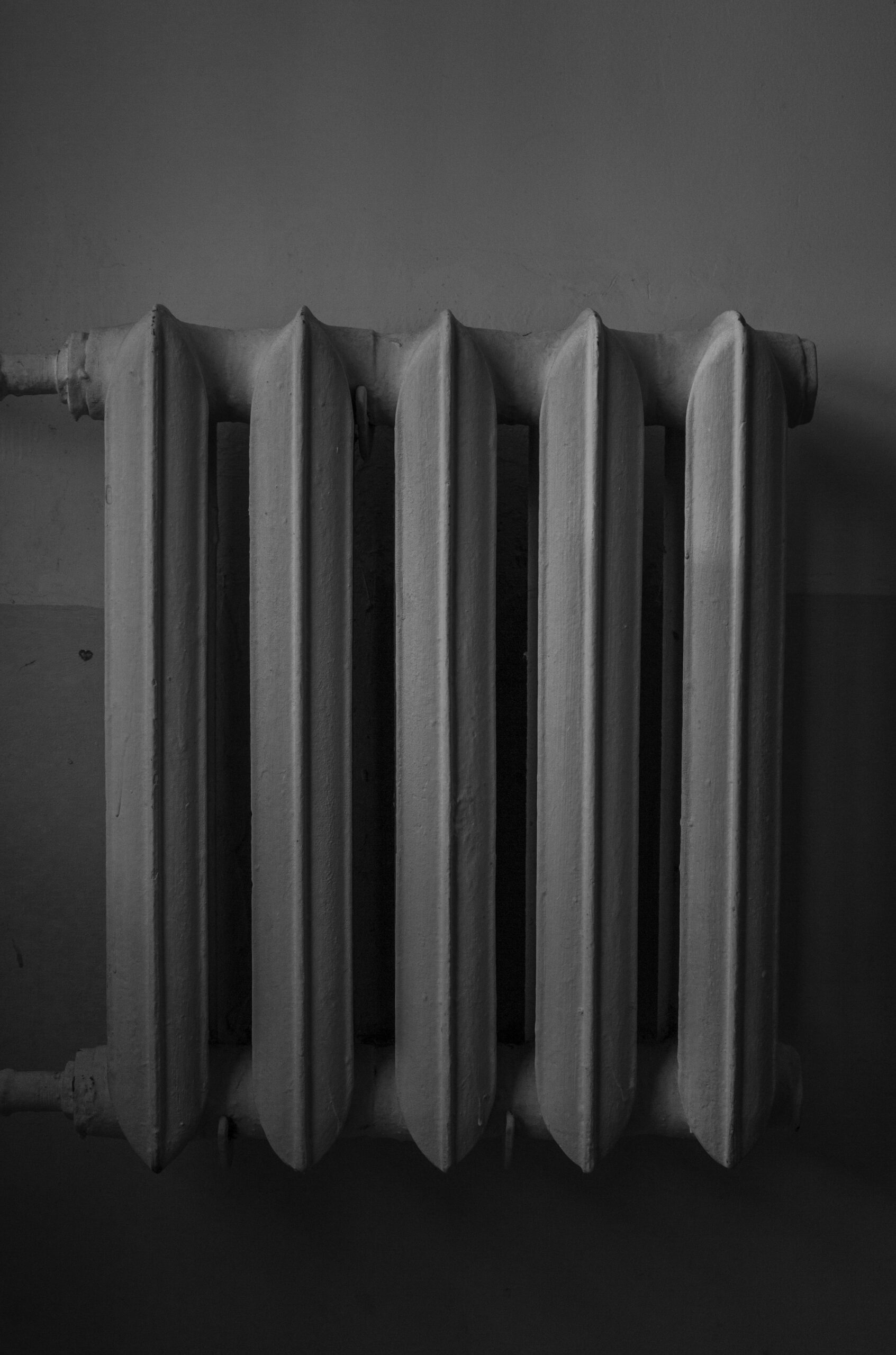
Heating quality in Italy differs dramatically depending on the property type and region.
Retirees commonly encounter:
- gas boilers with radiators
- heat pumps
- pellet stoves
- wood-burning systems
- portable electric heaters
- older centralized apartment systems
- air conditioning used for heating
Some systems are comfortable and efficient. Others become expensive, noisy or difficult to regulate.
A cheap rural property can become financially stressful if it requires constant heating just to remain comfortable indoors.
Stone houses create both charm and problems
Many retirees dream about traditional stone homes in Tuscany, Umbria, Abruzzo or hill villages across Italy.
These properties can be beautiful, but they often create hidden winter issues:
- cold interior walls
- persistent dampness
- condensation behind furniture
- slow heating response
- higher heating costs
- mold around windows and corners
Some retirees discover they are heating rooms constantly while still feeling cold because walls and floors never fully warm up.
Retiree reality check
A mild outdoor climate does not automatically mean comfortable indoor winter living.
Humidity changes how winter feels
Humidity is one of the most underestimated parts of winter life in Italy.
Even temperatures that appear mild on paper can feel uncomfortable indoors when buildings are damp or poorly ventilated.
Retirees commonly report:
- musty smells
- condensation on windows
- mold behind wardrobes
- cold bedding and sheets
- persistent dampness in bathrooms
- worsening arthritis discomfort
Humidity problems often become more serious in ground-floor apartments, poorly ventilated buildings and older rural homes.
For a deeper guide, see Humidity and Mold Problems in Italy for Retirees.
Winter also tests the location itself
A location that feels lively and convenient during tourist season may feel completely different in winter.
Some coastal towns become quiet. Some restaurants close. Public transport schedules shrink. Smaller villages may feel isolated during long rainy periods.
Retirees should pay attention to:
- winter pharmacy access
- doctor availability
- supermarket distance
- road safety in rain or fog
- social opportunities outside tourist season
- public transport reliability
The emotional side of winter matters too. A location that feels charming for two weeks may feel lonely after several months of rain, darkness and reduced social activity.
Mountain and rural winters can surprise retirees
Retirees moving to rural or mountain areas sometimes underestimate how difficult winter conditions can become.
Common issues include:
- fog and reduced visibility
- icy roads in hill towns
- limited parking access
- slower emergency response times
- internet instability during storms
- temporary isolation during heavy weather
Older retirees may eventually find steep streets, winter driving and remote living more tiring than expected.
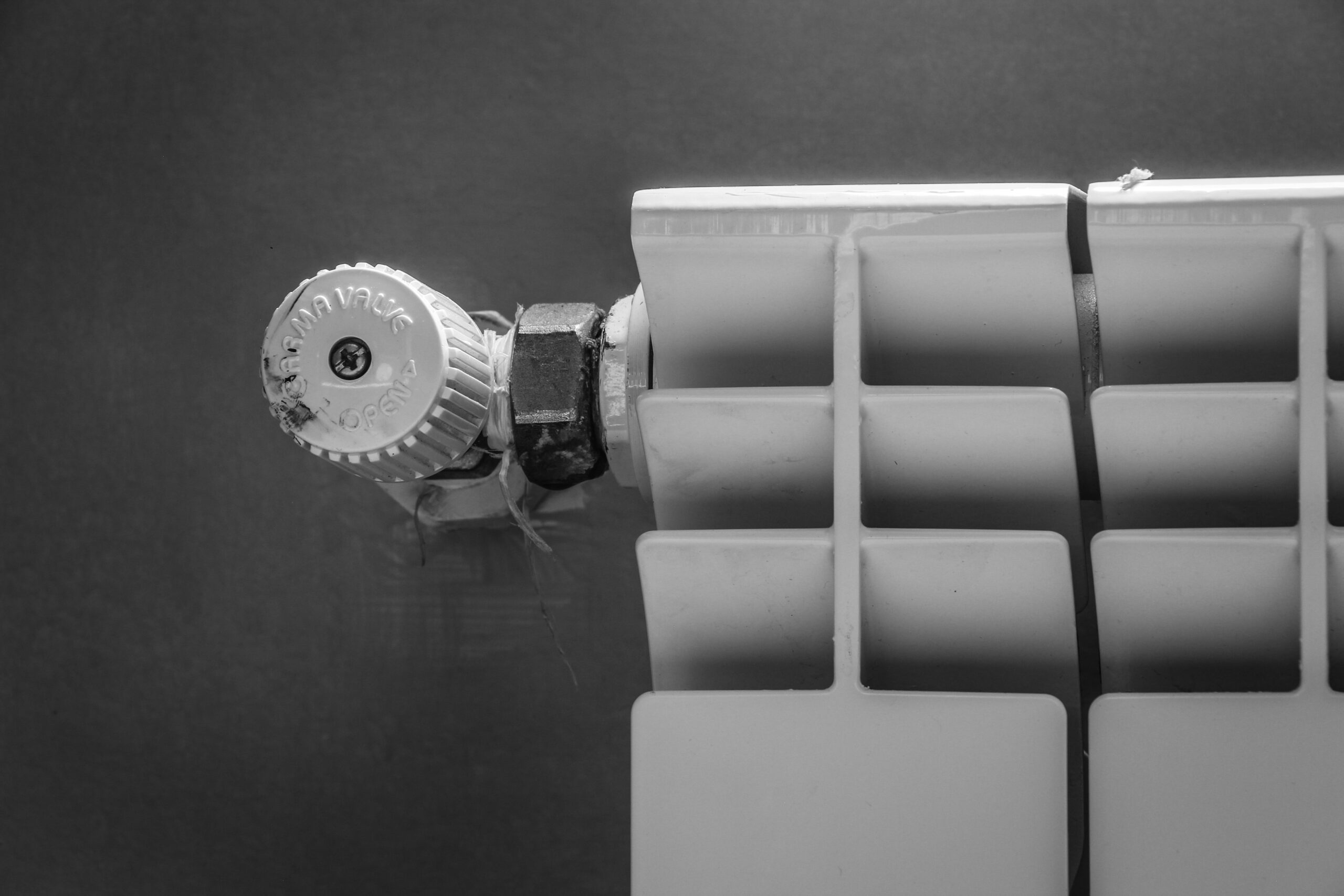
Heating costs can become a hidden budget problem
Many retirees underestimate winter utility costs because they visit Italy during warmer months.
Energy costs depend heavily on:
- property insulation
- window quality
- ceiling height
- heating system efficiency
- local energy prices
- how much of the home must stay heated
Some retirees eventually stop using parts of the home during winter because heating the entire property becomes too expensive.
For broader infrastructure costs, see Utilities and Internet in Italy for Retirees and Cost Traps in Italy for Retirees.
The emotional side of winter matters too
Winter affects more than housing comfort.
Some retirees experience:
- reduced social activity
- feelings of isolation
- less outdoor life
- difficulty building friendships
- homesickness during holidays
- reliance on internet and video calls
Retirees who adapt best usually create stable routines during winter: cafés, language classes, markets, hobbies, volunteer work or regular social activities.
Best practical strategy
Treat winter as the real property inspection.
- Ask for real winter utility bills.
- Inspect for condensation and mold.
- Test the heating system personally.
- Visit during January or February if possible.
- Check how the town functions off-season.
- Test driving and parking during rain.
- Look behind furniture and inside corners for dampness.
The first winter often changes retirement plans
Some retirees love Italian winters and adapt quickly.
Others realize after the first year that their chosen property, town or region does not fit their long-term comfort needs.
This is one reason many experienced retirees recommend renting before buying permanently.
Winter reveals realities that summer property visits simply cannot show.
Long-term comfort matters more than scenery
The most successful retirements in Italy are usually built around sustainable daily comfort rather than idealized scenery.
A smaller modern apartment with reliable heating, dry walls, nearby pharmacies and good winter infrastructure may create a far better long-term retirement than a beautiful but cold rural property.
Italy can absolutely work well in winter for retirees. The key is choosing housing and locations based on realistic year-round living rather than holiday impressions.