Cost Traps in Italy for Retirees
Italy can be affordable compared with parts of northern Europe and North America, but retirees often lose money through heating, car dependency, bureaucracy delays, renovation mistakes, healthcare gaps, utility surprises and lifestyle assumptions that looked cheap on paper.
The cheapest Italian retirement lifestyle is not always the cheapest life to maintain. The real question is not how cheap the property looks today, but how expensive the whole lifestyle becomes after ten years.
Cheap Italy can become expensive if the systems are wrong
A bargain property, low rent or quiet rural location can become expensive once heating, driving, repairs, healthcare trips, banking friction and bureaucracy start affecting daily life.
The retirees who manage costs best usually budget for systems, not only housing. They compare healthcare access, transport, utility reality, winter living, maintenance, administration and long-term aging comfort before committing emotionally to a property.
The biggest trap: optimizing only for purchase price
A low purchase price can hide roof work, damp, heating upgrades, septic maintenance and accessibility problems.
A quiet rural area can create constant driving, longer healthcare trips and weaker internet or services.
A normal month may look fine until heating, car repairs, medical appointments or paperwork delays appear.
Ask how expensive the lifestyle becomes after ten years, not only how cheap the property is today.
RetirePlan reality check: a €70,000 countryside house may cost more long term than a practical apartment if it requires constant driving, heating upgrades, roof work, humidity treatment and future accessibility renovations.
The bargain-property illusion
Italy has many older properties that appear inexpensive compared with northern Europe, the UK or North America. Retirees often imagine they can buy a dream home for a fraction of home-country prices.
The problem is that old properties frequently involve hidden systems costs: roof repairs, electrical upgrades, heating modernization, damp and mold treatment, old plumbing, window replacement, internet limitations, insulation problems and accessibility challenges later in retirement.
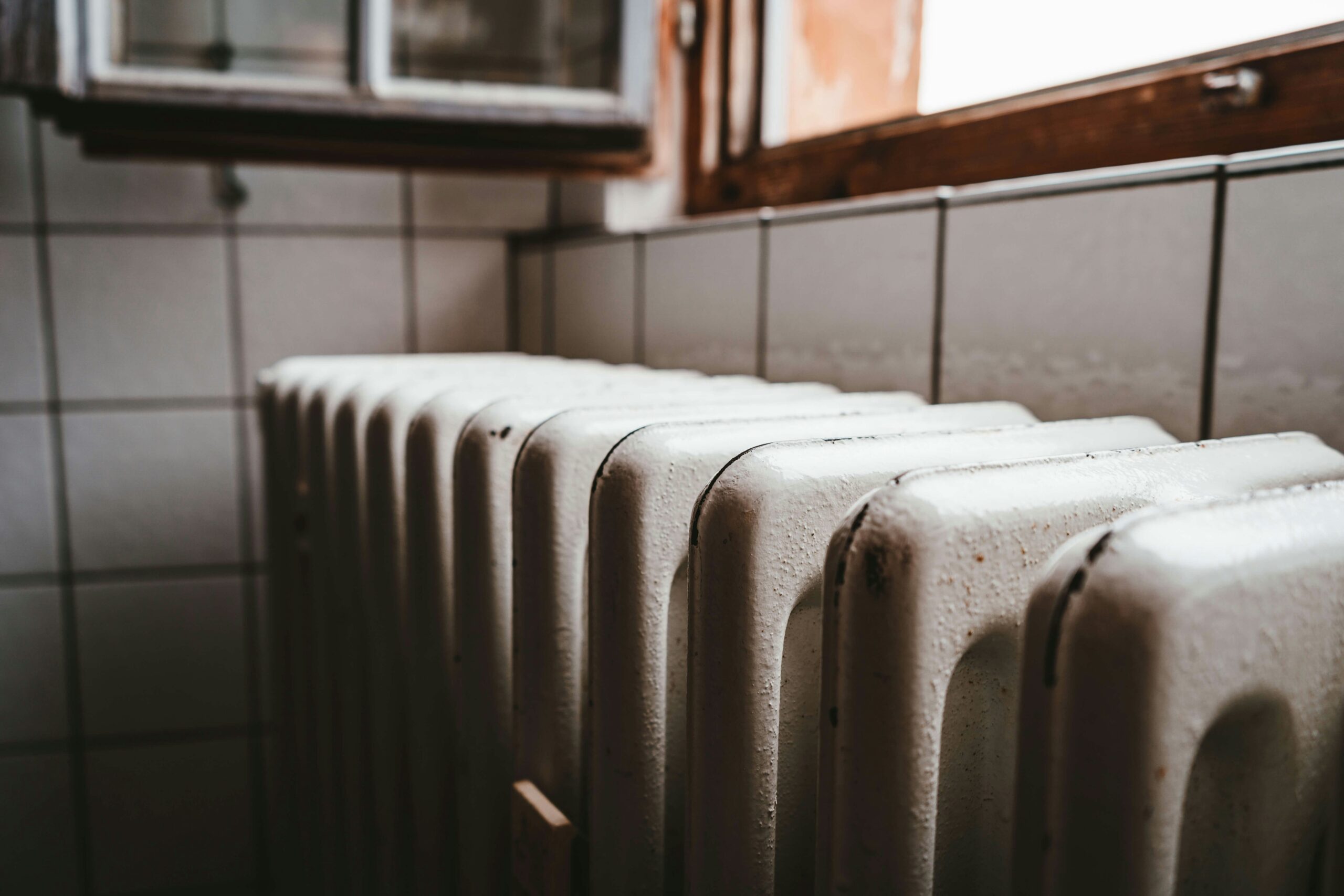
Heating and humidity become health costs too
Italy is often imagined as permanently warm. Retirees are frequently shocked by how cold older Italian homes can feel indoors during winter.
The cheapest property can become expensive if it is uncomfortable for five months every year. Heating is not just a comfort issue; it becomes a healthcare and quality-of-life issue.
Driving dependency quietly drains retirement budgets
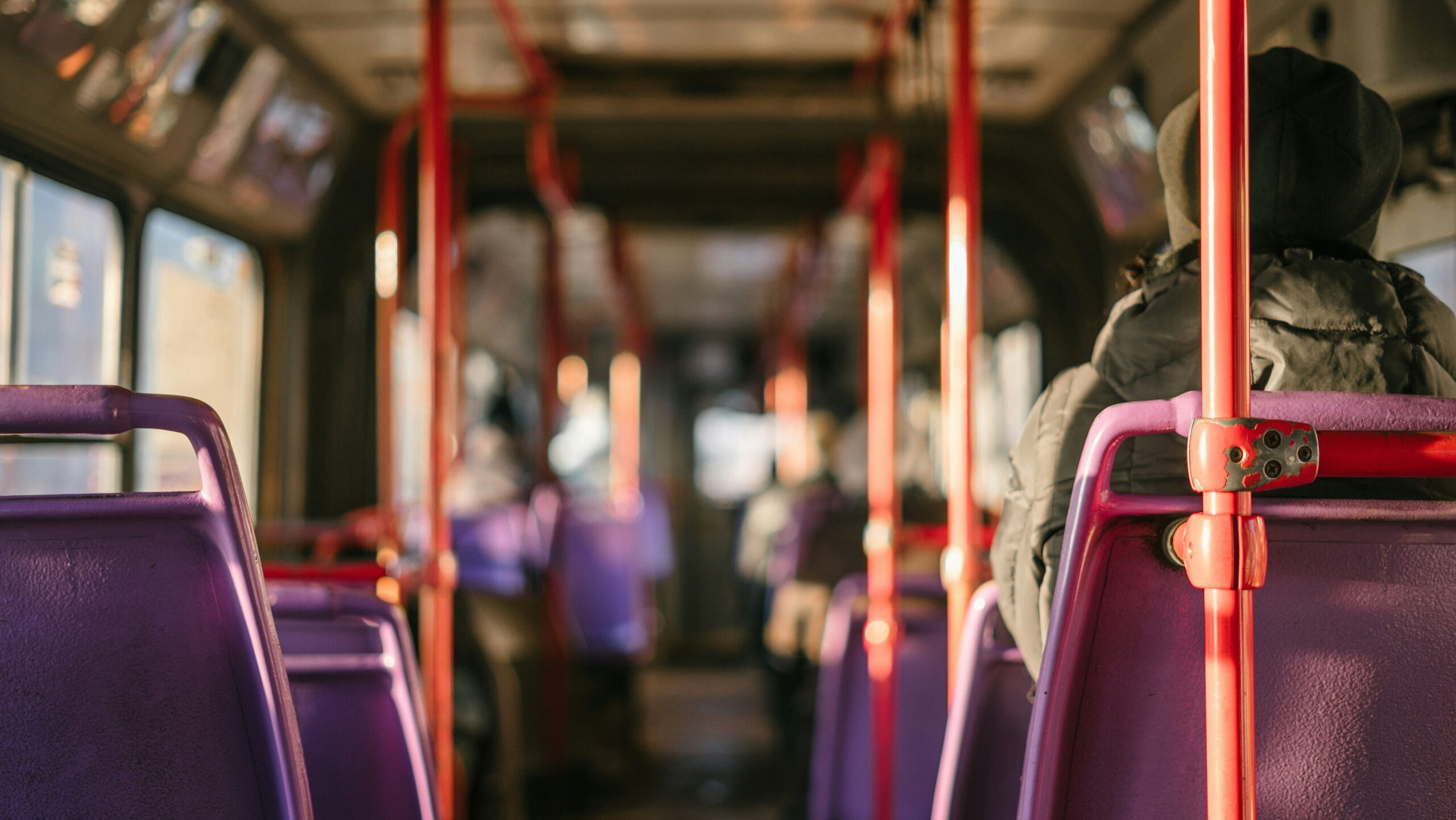
Many retirees focus on property prices while ignoring transport structure. Rural retirement often creates hidden monthly costs through driving.
Fuel, insurance, maintenance, parking, tolls, inspections, revisione, unexpected repairs and multiple-car households can quietly reshape the whole budget.
Better structure: a smaller apartment in a walkable town may reduce long-term costs by reducing dependence on cars.
Healthcare delays can create private-care costs
Italy’s healthcare system can work very well, but retirees often underestimate how much administration and waiting times affect budgeting.
Often useful for core care once registration is stable and the local system is understood.
Often used for speed when appointments, diagnostics or language needs create friction.
Scans, blood work or checks may be paid privately during delays.
Dental care and English-speaking consultations may become recurring expenses.
Budget mistake: planning only for basic monthly living while ignoring healthcare flexibility later in retirement.
Administrative friction creates repeated small losses
One of the least visible retirement cost traps is friction itself. None of these expenses looks catastrophic individually, but together they quietly erode retirement budgets.
Organized retirees usually spend less long term. Clear document systems reduce repeated friction.
Foreign banking mistakes can become expensive
Retirees moving from outside the euro area often underestimate how much currency conversion affects long-term finances.
Poor exchange rates, ATM withdrawal fees, international transfer spreads, duplicate accounts, late fees caused by failed direct debits and relying on one single card can all create avoidable costs.
Practical balance: Wise and Revolut can help reduce costs, but some landlords, utilities and offices still function more smoothly with local payment structures.
Cheap regions are not automatically cheaper retirements
Lower-cost regions often look attractive online, but retirees should compare systems rather than headline property prices.
Lower-cost areas may require longer travel to hospitals, diagnostics and specialists.
Weak bus or train connections can increase driving dependence and isolation.
Older homes can mean higher heating, maintenance and renovation exposure.
Quiet places can become socially and practically fragile later in retirement.
Best value: balanced infrastructure usually beats the lowest purchase price.
Renovation fantasy can become retirement stress
Many retirees imagine restoring an Italian property as a meaningful retirement project. Sometimes this works beautifully. Sometimes it becomes exhausting.
The vacation-lifestyle budget trap
Some retirees unconsciously budget as if every month will feel like vacation. Real retirement life includes insurance renewals, heating bills, car repairs, specialist visits, municipal taxes, condominium fees, administrative travel and unexpected repairs.
The strongest retirement budgets include buffers for boredom, frustration and bad timing — not only restaurants and wine.
Accessibility changes create future costs
One of the biggest long-term retirement expenses is eventually moving again because the original property no longer works.
Cost-trap checklist before moving
The cheapest retirement is usually the most stable one
The strongest long-term retirement setups in Italy are often surprisingly practical: manageable apartment, reliable heating, walkable services, nearby healthcare, stable internet, moderate maintenance and reduced dependence on constant driving.
Retirees who optimize only for headline affordability often create hidden systems costs later. Retirees who choose balanced infrastructure usually spend less over the full retirement timeline because fewer emergencies and lifestyle failures appear.
Choose practical stability over fantasy affordability
The goal is not simply to live cheaply in Italy. The goal is to create a retirement system that remains financially stable even as health, mobility and energy change.
Balanced infrastructure usually wins long term: heating, transport, healthcare, utilities, repairs and paperwork matter more than the cheapest possible rent or purchase price.