Rural vs City Retirement in Italy
Rural Italy can offer beauty, lower prices and quiet living, while cities and medium-sized towns often offer better healthcare, transport, services and long-term aging support.
The real decision is not scenery versus crowds. It is whether your daily system still works when winter, healthcare appointments, driving fatigue and property maintenance become part of ordinary retirement life.
The rural-versus-city decision affects almost every part of retirement life in Italy: healthcare, driving, heating, loneliness, bureaucracy, utilities, transport, shopping, winter living and whether the home still works later in life. The mistake many retirees make is choosing based on beauty during a short spring or summer visit.
The real question is not “rural or city?”
The better retirement question is: what kind of daily system will still work for you in ten or fifteen years?
Many retirees imagine the decision emotionally. Rural Italy represents peace, olive trees, stone houses, gardens and slower living. Cities represent crowds, noise and higher costs. Retirement reality is usually more practical than romantic.
RetirePlan reality check: If a location only works comfortably while you are healthy, confident driving and physically active, it may not be the right long-term retirement base.
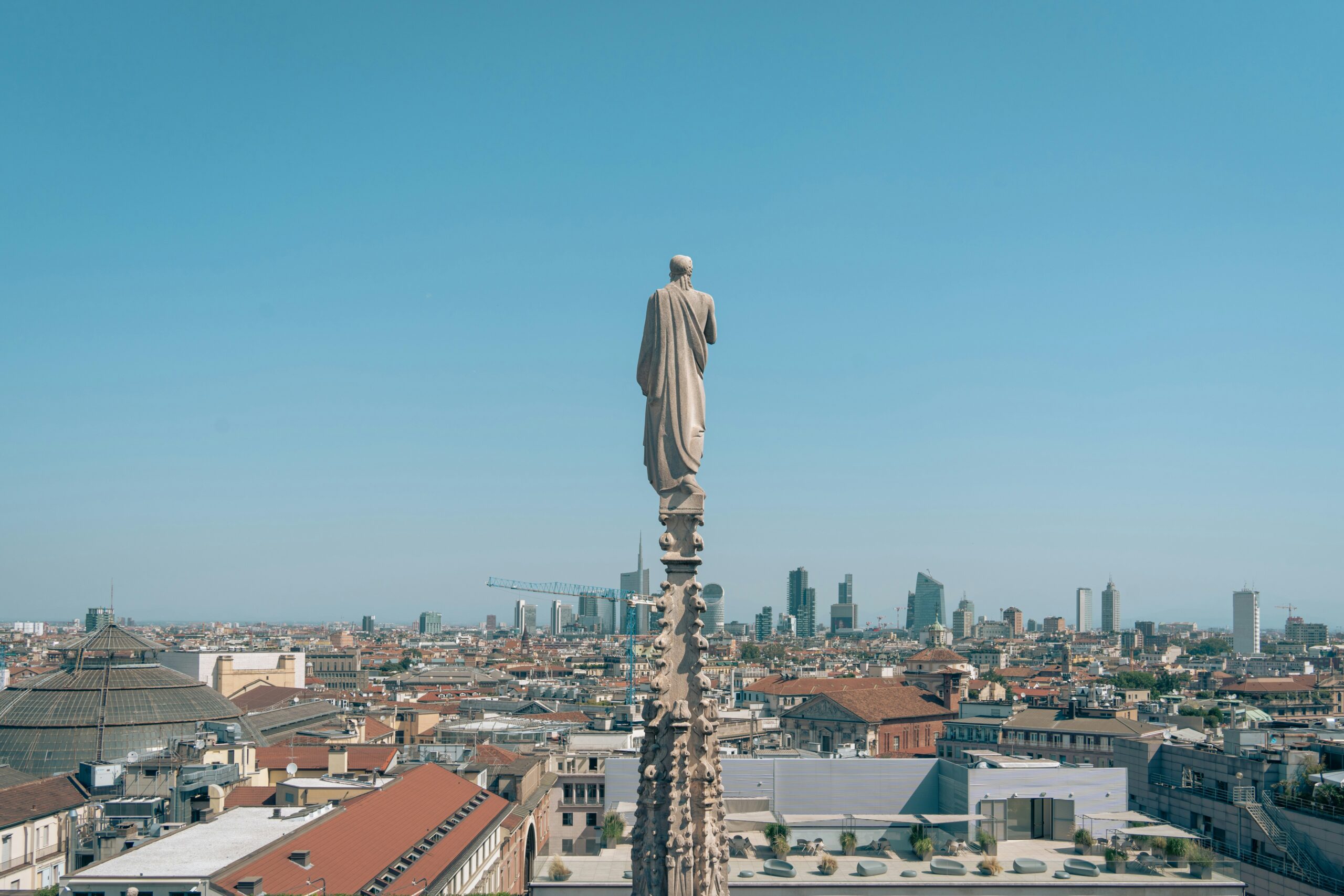
Better filter: choose the place that still works when appointments, groceries and errands are ordinary weekly tasks.
Rural Italy looks different in January
Many retirees first visit Italy during pleasant weather. Villages feel alive, cafés are open, roads are dry and the countryside feels peaceful. Winter can reveal a completely different experience.
Some rural homes become cold, damp and expensive to heat. Roads become darker and less pleasant to drive at night. Public life shrinks after tourist season. Some restaurants close. Bus schedules become limited. Small shops reduce opening hours.
Cold floors, damp rooms, heating costs, quiet streets and limited services.
Transport, boiler reliability, pharmacy access, internet and social resilience.
Rent through the wrong season before buying anything permanent.
A magical village can feel isolated during weeks of rain and medical errands.

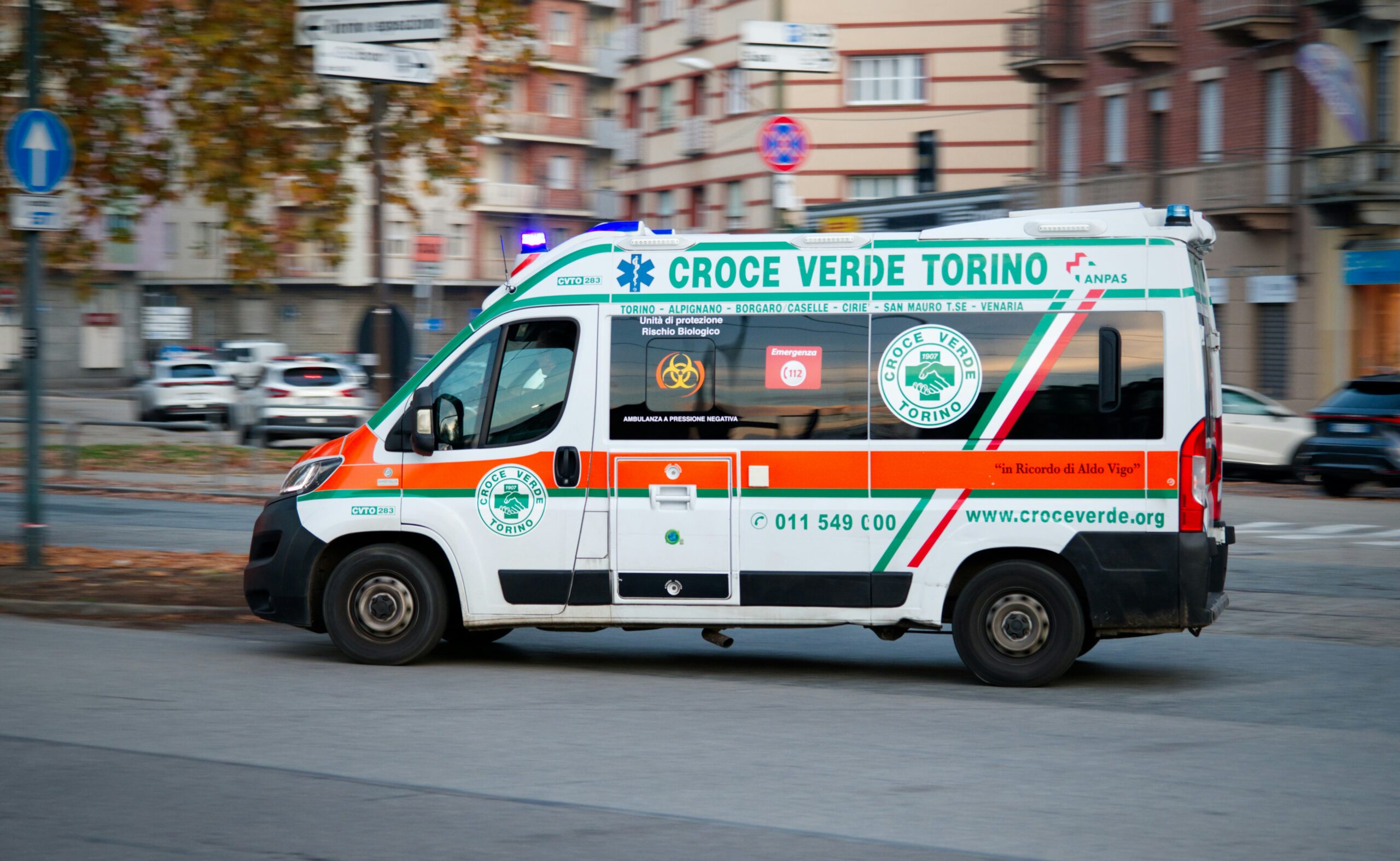
Healthcare changes the location equation
Healthcare access is one of the biggest long-term differences between rural and urban retirement in Italy. A younger retiree may happily drive 45 minutes to a specialist. At age 78, the same drive may feel exhausting.
Important: The best retirement locations usually become stronger with age, not weaker. Healthcare geography should be an early filter, not an afterthought.
Medium-sized towns are often the sweet spot
Many retirees eventually discover that medium-sized Italian towns offer the strongest balance. These towns may not look as dramatic as a remote farmhouse or as glamorous as Florence or Rome, but they often provide better retirement infrastructure.
Practical Italy filter: a less dramatic town with a pharmacy, train station, supermarket, doctor and flat walking routes may outperform a dream countryside property over twenty years.
The hidden cost of rural property
Cheap rural property can become expensive in indirect ways. Retirees often focus on purchase price while underestimating infrastructure and maintenance costs.
Older rural homes may involve heating upgrades, damp and mold problems, roof repairs, stone-wall insulation issues, septic systems, road access problems, weak internet, pellet or wood storage, higher driving costs and garden maintenance.
Cost reality: The question is not whether the home is beautiful. The question is whether you still want to maintain it later in retirement.

Driving dependence changes retirement life
Many rural Italian locations depend heavily on driving. This affects not only convenience but long-term independence.
In some villages, a car is required for groceries, healthcare, train stations, government offices, specialists, building supplies, social life and airport access.
Driving may feel pleasant, flexible and part of the countryside lifestyle.
Night vision, surgery recovery, fatigue and traffic stress can change everything.
Try reaching doctors, shops and trains without using your own car.
Walkability matters even for retirees who currently enjoy driving.

Cities reduce friction but introduce different problems
Cities and larger towns reduce many infrastructure problems. Public transport improves. Hospitals are closer. Pharmacies stay open longer. Utilities and internet are usually easier. Deliveries are simpler. Apartments require less maintenance.
But cities also bring parking problems, ZTL driving restrictions, higher property prices, tourist crowds, noise, summer heat, smaller apartments and condominium costs.
Best balance: many retirees do better in calmer, medium-sized cities where daily systems work without major metropolitan pressure.

Loneliness, utilities and the smartest first move
Isolation is one of the least discussed retirement risks in rural Italy. Some retirees thrive in quiet countryside environments. Others slowly become socially disconnected after the excitement of the move fades.
Many retirees also depend on stable internet for banking, healthcare portals, pension administration, family video calls and streaming. Rural internet may technically exist while still being unreliable or slow. Stone houses can weaken WiFi and mobile signal.
Location comparison checklist
Can you live there without driving every day? How stressful is parking? Can groceries be carried home on foot?
How far are the nearest hospital, GP and pharmacy? Would the route still work after illness or reduced mobility?
What changes outside tourist season? How reliable are heating, roads, shops and social routines?
How much maintenance does the property require? Are internet, utilities and moisture levels actually tested?
Most important question: would this location still make daily life easier rather than harder at age 80?
The best retirement locations are resilient
The strongest retirement locations are usually not the cheapest, most dramatic or most Instagram-friendly. They are places where daily life remains easy as retirees age.
Retirees who optimize only for scenery often discover infrastructure too late. Retirees who optimize only for infrastructure may miss the emotional joy that made Italy attractive in the first place. The goal is balance.