Healthcare in Italy for Retirees
Healthcare in Italy can be excellent, but retirees need to understand residence status, SSN registration, ASL offices, family doctors, prescriptions, waiting times, regional differences and transport before choosing where to live.
The real question is not only whether Italy has good hospitals. It is whether you can use the healthcare system from your exact home without turning every appointment into a logistical project.
Italian healthcare works best when the local chain is stable
For retirees, healthcare in Italy is not just about whether the country has good hospitals. The practical question is whether you can register properly, choose a family doctor, refill medication, reach appointments, understand referrals, manage waiting times and still access care when driving becomes harder later in retirement.
Italy’s public healthcare system can work very well, but your experience depends heavily on local registration, regional capacity, the ASL office, doctor availability, language, transport and whether you have private backup during the transition.
Use the Italy Move Planner to connect healthcare access with the wider relocation sequence: residence route, codice fiscale, housing, banking, utilities, tax review and first-year setup.
Italy has a national system but local access
Italy’s Servizio Sanitario Nazionale, usually shortened to SSN, is the national public healthcare system. Retirees experience healthcare locally through regional health services, ASL offices, family doctors, pharmacies, hospitals and booking systems.
Healthcare in Milan, Bologna, rural Umbria, coastal Liguria, inland Abruzzo, Sicily or a small mountain town can feel very different. The national framework exists, but the retirement experience is local.
Plan healthcare before the address becomes permanent. The Italy Move Planner helps keep healthcare evidence, housing, registration, banking and utilities in the right order.

Healthcare access starts before you need care
The worst time to understand Italian healthcare is during a medical problem. Retirees with regular medication, diabetes, heart conditions, mobility limitations, eye care, dental needs, hearing aids or specialist follow-up should understand the route before arrival.
Know your temporary cover, residence route, insurance, S1 situation if relevant and medication continuity.
Confirm SSN access, tessera sanitaria, medico di base, prescription route and local pharmacy support.
Check doctor, pharmacy, ASL office, hospital, emergency department and public transport from the exact home.
Ask whether the same healthcare route still works if driving becomes difficult or one partner needs help.
Retiree reality check: Do not arrive with only a vague idea that “Italy has public healthcare”. Arrive knowing your exact route: temporary cover, residence status, ASL registration, doctor choice, medication supply and private backup if needed.
Checklist shortcut: add temporary cover, SSN/ASL route, medication continuity, pharmacy access and private backup to your Italy Move Planner before arrival.
SSN registration, ASL offices and tessera sanitaria
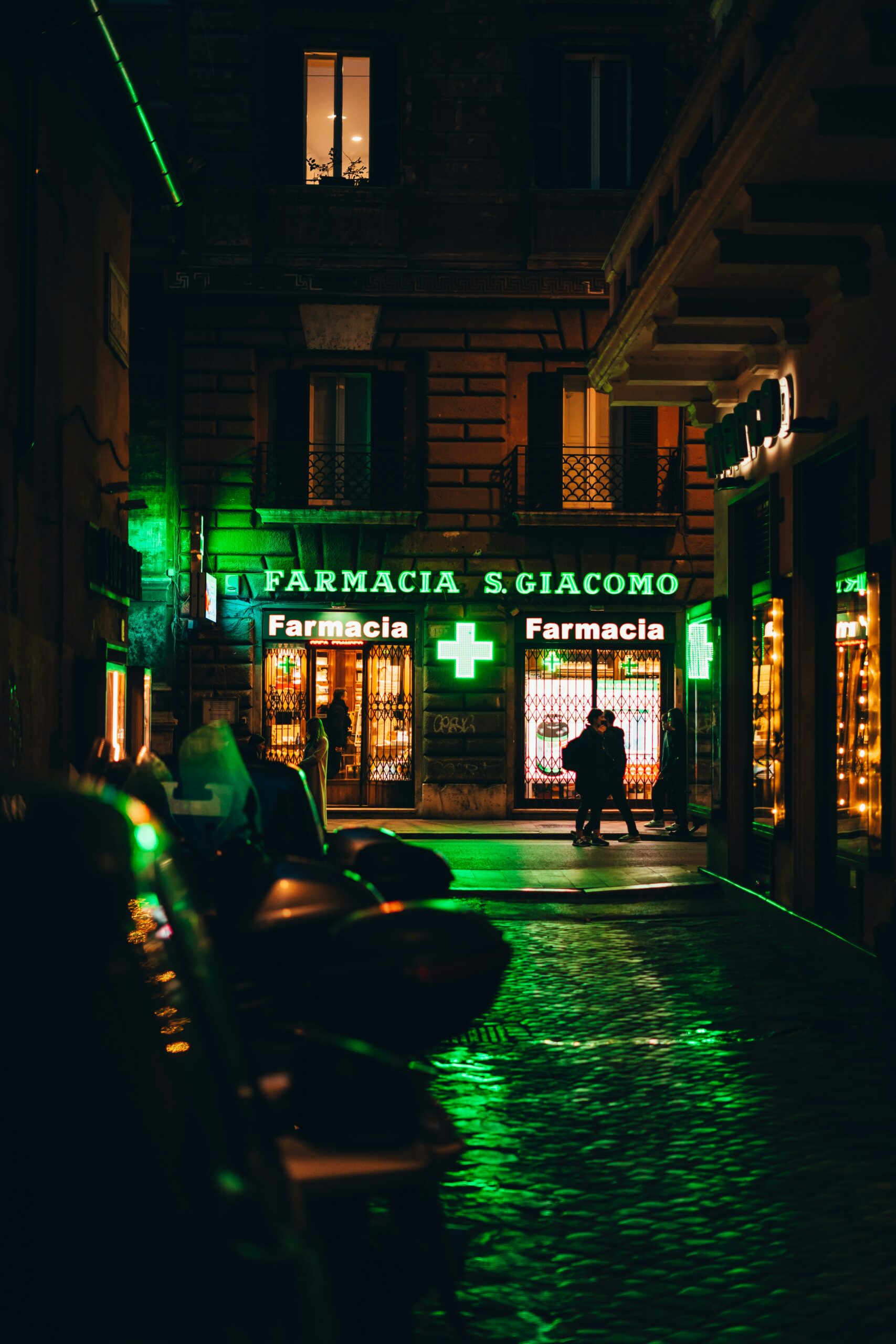
For many residents who are entitled to public healthcare, SSN registration is the gateway into the Italian public system. Registration is normally handled through the regional health authority or ASL office.
The tessera sanitaria connects you to healthcare administration, prescriptions, services and your tax code. It is commonly used in pharmacies and public healthcare interactions.
Choosing a family doctor: medico di base
The medico di base, or family doctor, is central to everyday healthcare in Italy. This doctor handles routine care, prescriptions, referrals, certificates and the first layer of the public system.
Best local question: Are family doctors in this town accepting new patients, and how do retirees actually reach them in winter or without a car?
Prescriptions, medication and pharmacies
Medication is one of the most important practical topics for retirees moving to Italy. Do not arrive with only a few days of essential medicine and assume everything can be replaced immediately.
Bring a legal transition supply, a medication list using generic names, dosage information, medical letters where useful and details of the conditions being treated.
Pharmacies are important daily healthcare points in Italy. They are used for prescription medicines, over-the-counter medicine, basic advice, product guidance and practical help understanding what the doctor prescribed.
Brand names can differ between countries, but active ingredients are easier to compare.
Some medicines may have different packaging, strengths or prescription routines.
A good local pharmacist can become one of your most useful contacts.
Check rotating pharmacies and holiday schedules before needing them.
Public vs private healthcare: most retirees use both
Many foreign retirees in Italy use a mixed healthcare strategy. Public healthcare provides the core structure once registered. Private healthcare can be useful for faster specialist visits, diagnostics, second opinions, dental care, English-speaking doctors or reassurance during the transition.
The mistake is thinking in absolutes: either “Italy’s public system is enough for everything” or “I must go private for everything”. The practical retirement strategy is usually more balanced.
Use public pathways where registration, referrals and waiting times work well.
Private care can reduce stress for diagnostics, second opinions and transition problems.
Dental, glasses, hearing, private diagnostics and transport can still affect spending.
Both public hospitals and private specialists should be realistic from your home.
Waiting times, referrals and booking stress
Retirees often expect healthcare quality to be the main issue. In daily life, the more common frustration is the administrative layer: getting the referral, booking the appointment, understanding ticket payments, finding the right clinic, returning for follow-up and keeping documents organized.
Do not wait until the last minute: Chronic conditions need buffer time, organized records and a plan before home-country continuity breaks. Use the Italy Move Planner to place healthcare setup before the move becomes urgent.
Emergency care, distance and regional differences

Emergency care is not only about the hospital itself. For retirees, it is also about ambulance access, road distance, traffic, parking, steep streets, local taxis, whether a neighbour can help, and whether you can explain your medication and medical history clearly.
Larger northern and central cities often offer more specialist choice, private clinics and hospital networks. Smaller towns can offer calmer daily life but may require longer journeys for specialist care.
More hospitals and specialists, but more traffic, booking systems and bureaucracy.
Calmer daily life, but less choice and more dependence on transport.
Beautiful and affordable, but healthcare routes need serious testing.
Seasonal pressure, parking and summer traffic can affect appointments.
Language and medical communication
Language matters more in healthcare than in restaurants or property viewings. You need to explain symptoms, medication, allergies, pain, side effects and medical history.
Retirees should prepare a short medical summary in Italian. Include diagnoses, medication names, allergies, surgeries, implants, emergency contacts, insurance or SSN status, and your doctor’s contact details from your previous country.
Practical move: For complex conditions, paying for an English-speaking private doctor early can help organize documents before urgent care is needed. Add medical summaries, medication lists and emergency contacts to your Italy Move Planner.
First-month healthcare checklist
Bring medical history, diagnoses, recent results, vaccinations and specialist letters.
Bring legal transition supply, generic names, dosage details and prescription copies.
Keep private insurance, EHIC, S1 or other cover clear during the transition.
Identify ASL office, codice fiscale requirements and the route to SSN access.
Check medico di base availability and how appointments actually work.
Know the nearest emergency department, taxi options, road time and parking reality.
First-month shortcut: use the Italy Move Planner to connect healthcare documents, medication, ASL registration, housing, banking, utilities and first-year setup.
Best practical strategy for retirees
The safest strategy is to treat healthcare as part of the location decision. Choose the area only after checking GP availability, pharmacy access, ASL procedures, hospital distance, transport, private backup and prescription continuity.
Italy can be a very good healthcare country for retirees, but the system rewards preparation. The retirees who do best are usually not the ones who assume everything will work automatically. They are the ones who build the healthcare chain before they urgently need it.
Test whether your Italy location still works later in retirement
Healthcare access should influence where you live in Italy. A good retirement location is not only beautiful; it should also work when you are tired, ill, recovering from surgery or unable to drive.
Italy can be a reassuring healthcare country for retirees, but the practical chain matters: residence status, ASL registration, tessera sanitaria, family doctor, pharmacy, transport and private backup. Use the Italy Move Planner to connect that chain with housing, banking, utilities, tax review and first-year setup.