Public Transport in Italy for Retirees
Public transport can make retirement in Italy far easier, but retirees need to test real train, bus, taxi and walkability routes before choosing where to live long-term.
Transport in retirement is not only about travel convenience. It affects healthcare access, independence, shopping, social life and whether daily routines still function without constant driving.
Many retirees initially focus on scenery or property prices. Years later, they realize the most valuable feature was actually reliable walkability, train access or nearby transport connections.
Public transport becomes more important with age
Many retirees initially assume they will continue driving comfortably forever.
In reality, transport needs often change gradually because of:
- reduced night-driving confidence
- vision changes
- health conditions
- stress from heavy traffic
- parking frustration
- partner illness
- reduced energy for long drives
A town with usable trains, buses and walkable services can dramatically reduce future stress and preserve independence longer.
The best retirement locations reduce car dependence
The strongest long-term retirement setups in Italy usually combine:
- walkable daily services
- regional rail access
- usable bus connections
- nearby healthcare
- safe pedestrian routes
- reasonable taxi availability
Retirees often discover that living slightly closer to infrastructure improves long-term quality of life far more than living in a remote “dream” location.
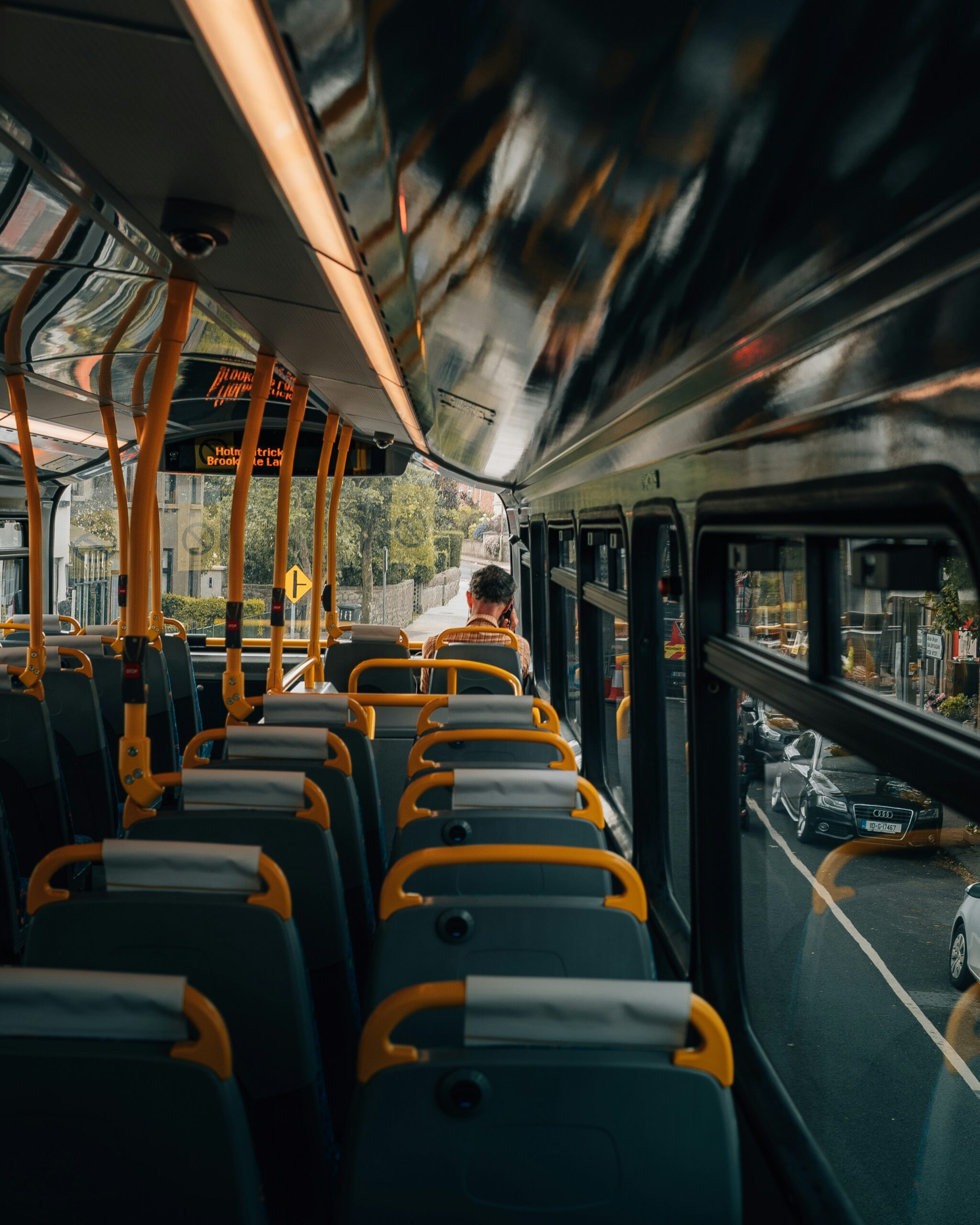
Italian trains can be excellent, but location matters enormously
Italy has many useful regional and high-speed rail routes, especially between larger cities and regional capitals.
However, retirees should not assume “near a station” automatically means practical daily transport.
Important differences include:
- frequency outside commuter hours
- weekend schedules
- hospital connections
- late evening service
- platform accessibility
- stairs versus lifts
- transfer complexity
Some towns look close on a map but require awkward transfers or infrequent connections that become exhausting over time.
Regional trains and high-speed trains are very different
Many foreigners think of Italian rail primarily through high-speed trains like Frecciarossa and Italo.
Those systems are excellent for major city travel, but most retirees rely far more on slower regional services for ordinary life.
Regional trains may involve:
- older stations
- simpler facilities
- platform changes
- limited seating
- less predictable timing
- reduced evening frequency
Retirees should test the exact routes they expect to use regularly: hospitals, airports, shopping centers and family visits.
Retiree reality check
A town can appear “well connected” online while still feeling impractical in daily retirement life.
Local buses are highly uneven across Italy
Bus quality varies enormously by region and municipality.
Some cities and towns have reliable bus systems with good coverage. Others primarily serve school schedules, commuters or market-day patterns.
Common retiree frustrations include:
- limited evening buses
- reduced Sunday service
- complex ticket systems
- poor timetable information
- long waits during holidays
- limited service in small villages
Official schedules may also look more impressive than real-world reliability.
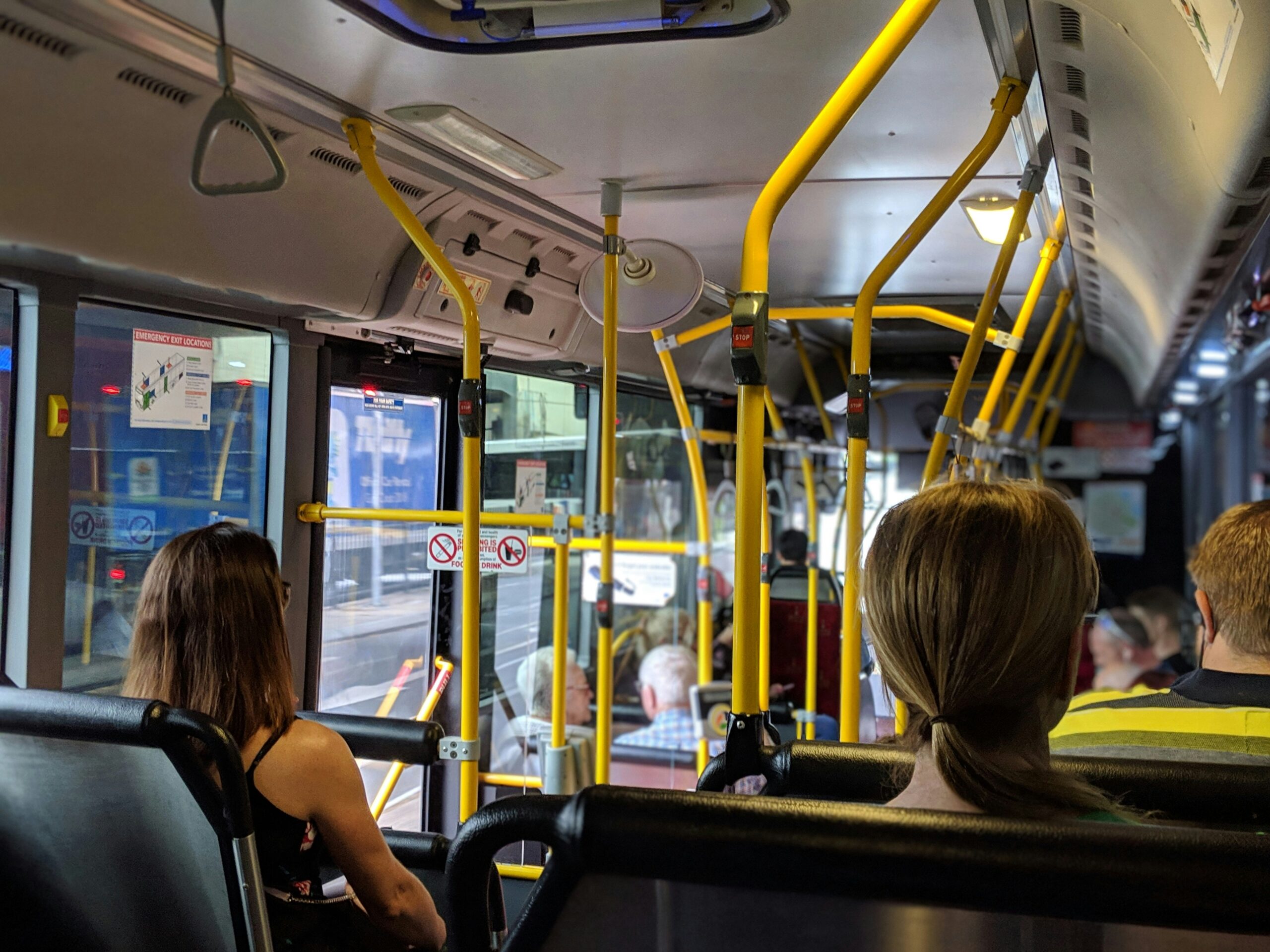
Walkability often matters more than transport itself
Many retirees focus too heavily on trains and underestimate the importance of ordinary walking conditions.
A train station becomes far less useful if reaching it requires:
- steep hills
- unsafe crossings
- long staircases
- uneven pavements
- poor lighting
- heavy traffic exposure
Italian hill towns can feel charming during short visits but exhausting for daily mobility years later.
Taxis and backup transport matter more than expected
Retirees often assume taxis will always be available when needed. This is not always true in smaller towns or rural areas.
Important questions include:
- Can taxis be booked reliably?
- Do they operate at night?
- Is there airport transport?
- Can they handle medical appointments?
- How difficult is emergency transport without a car?
Some retirees eventually rely heavily on informal transport networks involving neighbours, family or local drivers.
Transport affects healthcare access directly
One of the most important retirement questions is not “Can I reach a tourist attraction?” but “Can I comfortably reach healthcare?”
Retirees should test real routes to:
- hospitals
- specialists
- pharmacies
- blood testing clinics
- major medical centers
A location that feels peaceful can become stressful if every healthcare visit requires complicated transfers or difficult driving.
For healthcare realities, see Healthcare Access in Rural Italy.
Rural retirement changes transport reality completely
Many retirees moving to rural Italy initially enjoy driving through scenic countryside.
Years later, the same setup may feel isolating if:
- night driving becomes stressful
- winter rain affects confidence
- medical appointments increase
- one partner stops driving
- public transport remains minimal
This is one reason many experienced retirees recommend balancing scenery with practical infrastructure.
For broader comparison, see Rural vs City Retirement in Italy.
Best practical strategy
- Test real routes before choosing housing.
- Ride the actual train or bus yourself.
- Check schedules outside tourist season.
- Inspect station stairs and lift access.
- Walk the route from station to home.
- Test healthcare connections specifically.
- Assume driving needs may change later.
Transport independence becomes part of aging well
The retirees who adapt best long-term usually build lifestyles where daily survival does not depend entirely on driving.
This does not mean avoiding cars completely. It means creating backup mobility systems before they become necessary.
Good public transport, walkability and nearby services can dramatically reduce stress later in retirement.
The best retirement towns often feel ordinary
Some of the most sustainable retirement locations in Italy are not necessarily the most spectacular.
They are places where retirees can:
- walk to groceries and pharmacies
- reach hospitals reasonably easily
- travel without exhausting logistics
- maintain independence after aging changes
Beautiful scenery matters, but mobility infrastructure often matters far more after several years of retirement living.