Daily Life in Italy After Moving
Daily life in Italy can become deeply rewarding, but retirees often underestimate how much daily comfort depends on bureaucracy, healthcare, shopping routines, transport, building culture, opening hours, neighbours and the ability to manage small frustrations calmly.
The real Italy begins after the relocation excitement fades. The question becomes how groceries, prescriptions, buses, neighbours, humidity, utility bills, pharmacy visits, local offices, maintenance problems and winter routines actually feel week after week.
Italy becomes ordinary life faster than people expect
Most retirees who settle successfully in Italy eventually stop thinking like visitors. They build predictable local routines, trusted contacts and systems that reduce friction.
The retirees who struggle most are often the ones trying to make Italy behave exactly like home. Daily life works better when you learn the local rhythm rather than fight it every week.
Daily life becomes local very quickly
Retirement life in Italy usually becomes much more local than people expect. After the sightseeing phase, daily life often revolves around the same pharmacy, the same supermarket, the same market stalls, the same café, the same doctor, the same neighbour and the same walking routes.
That local routine is one of Italy’s strengths. Many retirees eventually feel more connected to neighbourhood life than they did at home. But it also means your exact town matters enormously.
Practical mindset: a town that feels charming for three days may feel impractical after six months of errands, utility problems and appointments.
The first year feels slower than expected
Many retirees arrive expecting Mediterranean ease and relaxed living. What they encounter instead is often slower administration, longer waits, more paperwork, more local variation and less digital efficiency than they are used to.
Italy often works differently: slower, more personal, more relationship-based and sometimes less predictable.
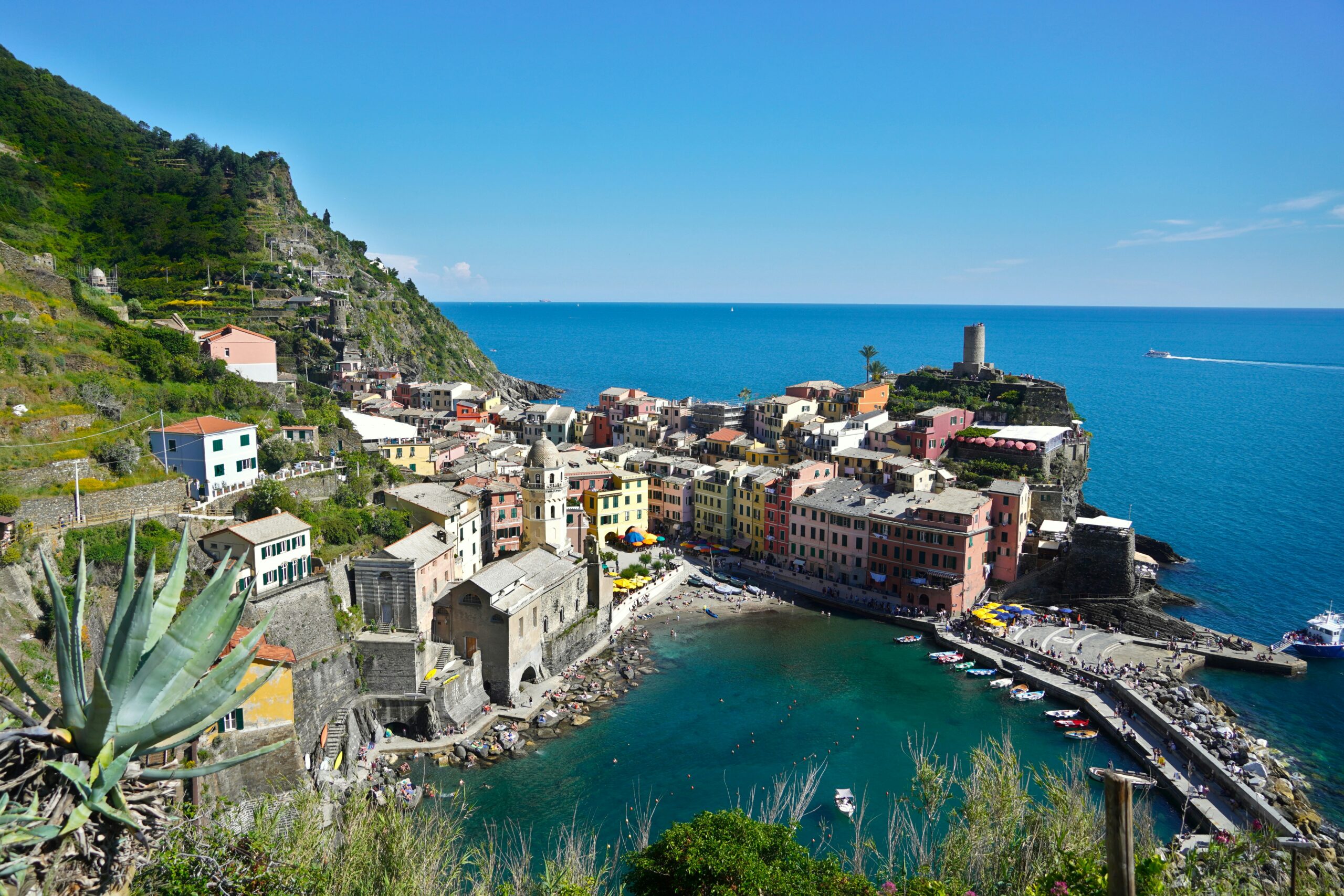
Lunch closures and August change the rhythm
One of the first practical adjustments is timing. In many areas, smaller shops, pharmacies, offices and businesses may close during lunch hours or operate on different schedules from what retirees expect.
Plan errands around opening windows, pharmacy hours, market days and municipal office schedules.
Some public services may only handle certain tasks earlier in the day.
Businesses close, staff disappear, technicians become harder to reach and admin tasks slow down.
Tourist areas may become crowded and expensive while residential areas feel half-empty.
Best strategy: avoid major administrative tasks, relocations, utility installations or property-completion deadlines during August unless absolutely necessary.
The local pharmacy becomes surprisingly important
For many retirees, the pharmacy becomes one of the most important local institutions. It is not just where medication is collected.
Pharmacists often help with practical advice, prescriptions, opening hours, alternatives and local healthcare habits. In smaller towns, the pharmacy may know local doctors, emergency arrangements and specialist contacts.
Retiree reality check: do not judge your future Italian life by holiday energy. Judge it by whether groceries, prescriptions, buses, banking, utilities and appointments still feel manageable after a difficult winter week.
Apartment living, noise and shopping habits feel different
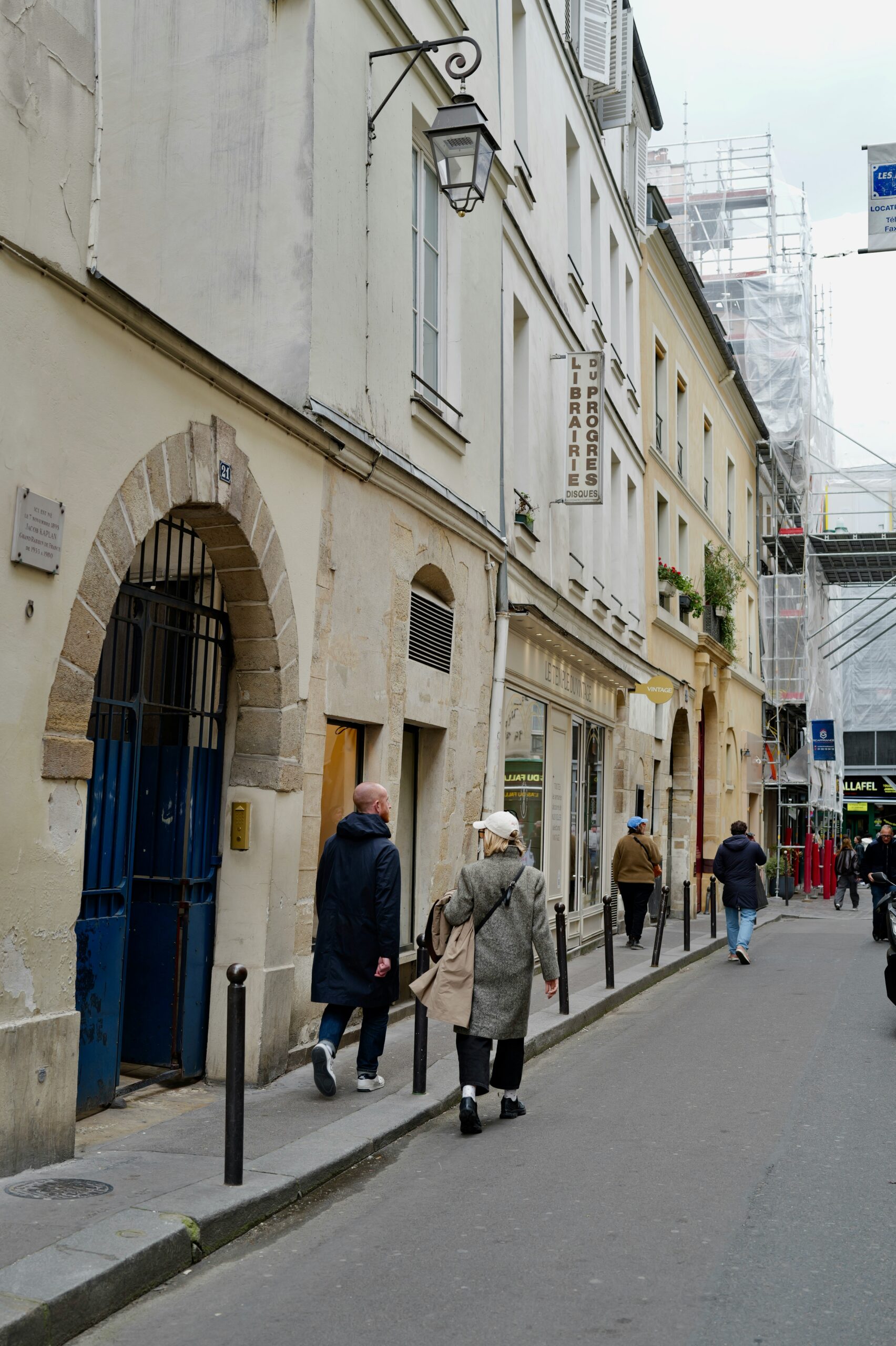
Many retirees move into Italian apartments without fully understanding how building culture differs from home. Older buildings may have thinner internal sound separation than expected.
At the same time, apartment living often becomes easier with age because it reduces garden work, exterior maintenance and isolation.
Visit at different hours and ask about tourist rentals, traffic and neighbours.
Can groceries be carried comfortably from shops, markets or parking?
Many retirees discover that shopping becomes more frequent and more local in Italy. Smaller supermarkets, local butchers, bakeries, weekly markets and neighbourhood stores often replace large weekly car-based shopping routines.
Winter living feels very different from summer Italy
One of the biggest retirement shocks comes during the first winter. Italy can be colder indoors than retirees expect. Stone buildings, humidity, old heating systems and poor insulation can create very uncomfortable indoor conditions.
Important: experienced retirees strongly recommend testing a location during winter before buying permanently.
Language friction appears in boring moments
Many retirees worry about language during restaurants and sightseeing. The real language friction usually appears during practical tasks: healthcare appointments, utility bills, banking, letters from authorities, technician visits, building meetings, insurance calls and delivery problems.
Retirees who settle best are usually not fluent immediately. They simply become comfortable handling repetitive daily situations calmly and gradually learning the vocabulary that matters most.
Useful goal: learn the Italian words for your real life first — pharmacy, doctor, utility bill, appointment, bank, building meeting, insurance and delivery.
Relationships matter more than apps
Italy often functions through personal relationships. The helpful pharmacist, the neighbour who knows the heating technician, the local CAF office, the trusted mechanic or the market vendor who explains local habits may become more useful than online information.
Retirees who build local familiarity usually discover that Italy becomes easier over time because people begin helping them navigate the system.

Public transport changes independence
Retirees who choose walkable towns with reliable transport often maintain independence much longer. This becomes increasingly important with age.
The retirees who struggle most are often those whose entire life depends on driving. Once driving becomes stressful, every task becomes difficult: healthcare, groceries, train stations, airports and social life.
Can you reach groceries, pharmacy, doctor, café and basic services without a car?
Can the home and town still work when stairs, rain or night driving become harder?
Can one spouse manage daily life if the other stops driving?
The answers to those questions usually matter more than scenery.
Paperwork never fully disappears
One surprise for many retirees is that bureaucracy continues after the move. Italy may involve recurring healthcare administration, tax documents, condominium notices, utility communication, banking updates, insurance renewals and municipal paperwork.
The emotional adjustment is real
Even retirees who love Italy sometimes experience emotional adjustment after moving. The first excitement fades. Daily frustrations appear. Family is farther away. Small cultural differences become tiring.
This is normal. The retirees who succeed long term usually build routine, social contact, predictable systems, language familiarity, backup plans, comfortable healthcare access and a town that fits aging realistically.
Stable beats dramatic: retirement in Italy becomes strongest when daily life stops feeling like tourism and starts feeling stable.
Daily life checklist before choosing a town
The best retirement life is usually the least complicated
The strongest retirement setups in Italy are often surprisingly practical rather than dramatic: walkable apartment, nearby pharmacy, good heating, stable internet, local market, train station access, trusted GP and enough social life without depending entirely on a car.
Retirees who optimize only for fantasy often create hidden friction. Retirees who optimize only for practicality may lose the joy that attracted them to Italy in the first place. The best Italian retirement life usually balances beauty with systems that remain comfortable for many years.
Choose Italy for the life you will actually live
Daily life in Italy becomes easier when routines, local contacts, paperwork, healthcare and walkability support ordinary weeks — not only the moving-day dream.
Daily life in Italy works best when predictable routines, organised paperwork, useful local contacts and practical town choice support long-term comfort.