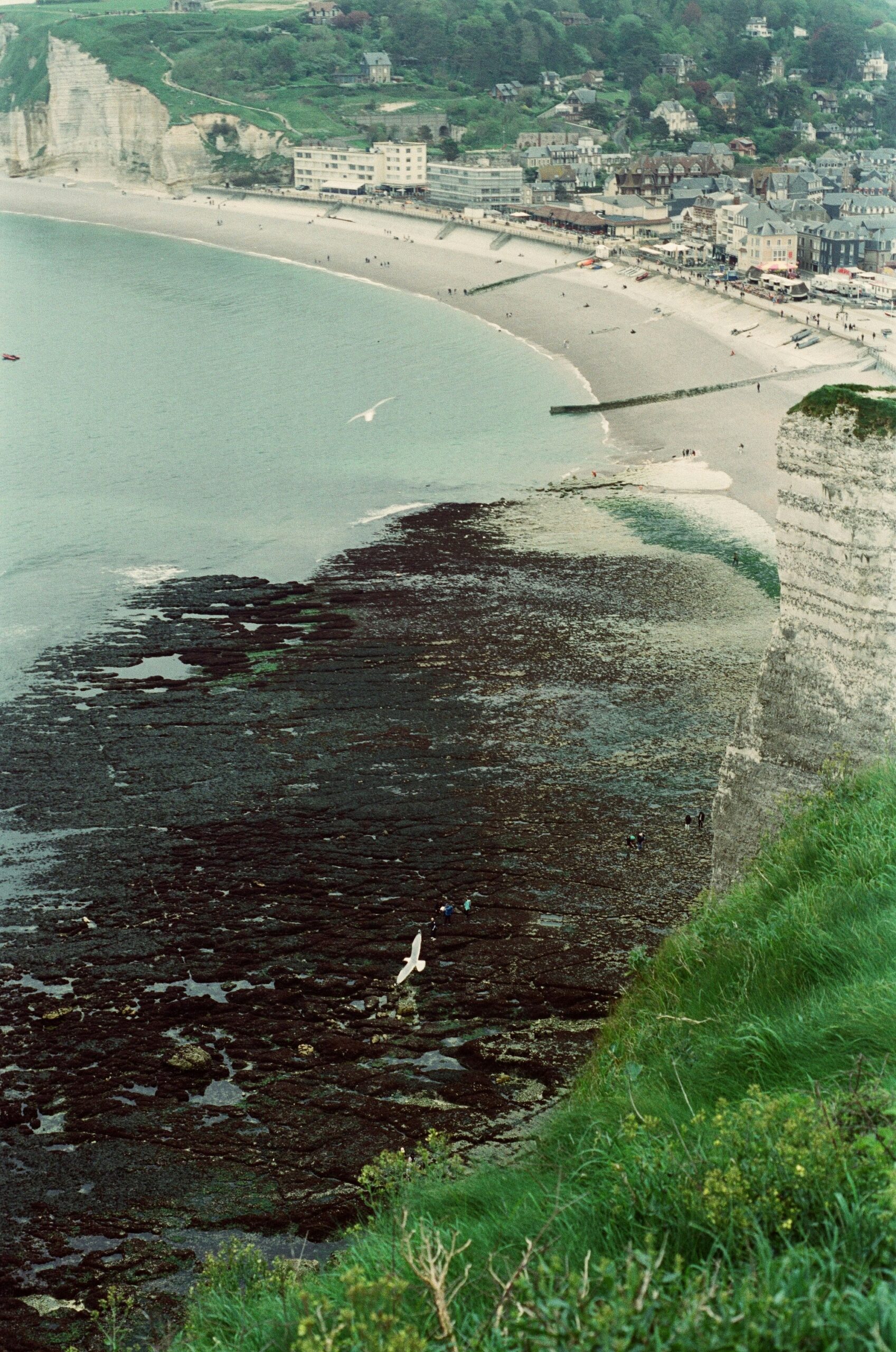
Best Small French Towns for Long-Term Living
The best small French towns for long-term living are not always the prettiest villages. For retirees, the real test is whether daily life still works in winter, during illness, without a car, after a paperwork problem, or when stairs, isolation and maintenance begin to matter more than scenery.
Small-town France can be wonderful, but it is easy to choose badly. A town that feels charming on a spring scouting trip can become frustrating if the doctor is not taking new patients, the pharmacy closes for lunch, the bus is infrequent, tradespeople are booked for months, or the nearest hospital requires a difficult drive.
This guide looks at small French towns through the systems that matter for long-term living: healthcare, bureaucracy, transport, housing, shops, winter routines, social life, maintenance and aging. The goal is not to sell a fantasy of rural France, but to help you understand which towns are genuinely livable year after year.
What Makes a Small French Town Work Long Term?
A good long-term town in France usually has a boring but essential mix of services. It needs a pharmacy, a supermarket or reliable market, basic medical access, a train station or usable bus connection, tradespeople, banking access, cafés that are not purely seasonal and enough local life to avoid becoming isolated.
The mistake many foreign retirees make is judging the town by beauty first. Stone houses, narrow lanes and countryside views feel persuasive during a viewing trip. But long-term living exposes different questions.
Daily systems
Can you buy food, collect medication, handle paperwork and reach appointments without turning every errand into a half-day project?
Healthcare access
Is there a doctor nearby, a pharmacy that opens reliably, and a hospital or specialist network within realistic reach?
Mobility later
Will the town still work if driving becomes stressful, stairs become difficult, or one partner becomes less mobile?
Winter reality
Does the town remain alive in January, or does it become quiet, damp, closed and socially difficult?
Bayeux – Practical, Walkable and More Useful Than It First Looks
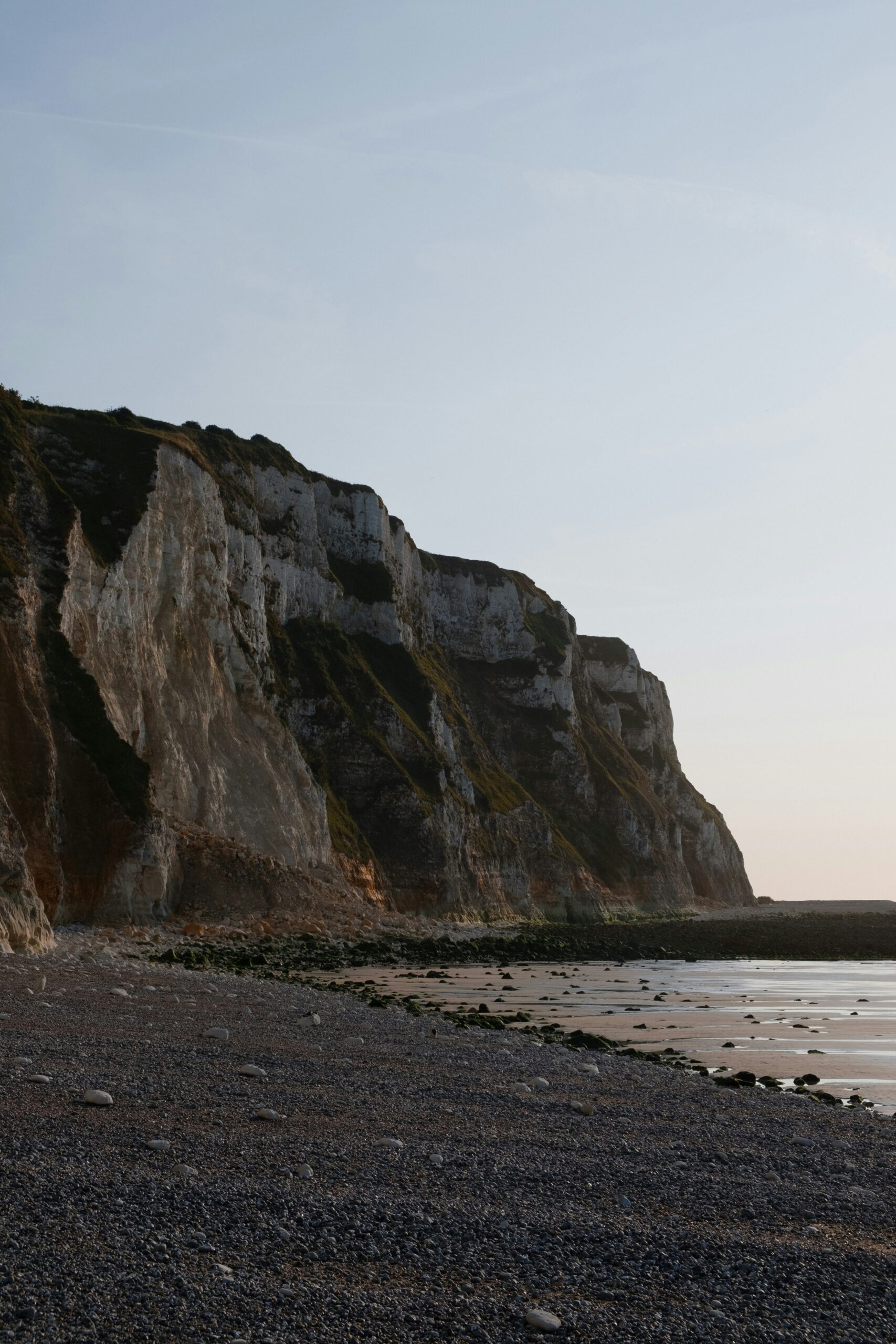
Bayeux is a strong example of a small French town that can work well for long-term living because it is not only attractive. It has a real town structure, supermarkets, cafés, medical services, train access and year-round local activity.
For retirees, this matters more than the postcard appeal. A town like Bayeux allows daily life to remain compact. You can often manage groceries, cafés, pharmacy visits and local errands without depending on long drives.
The tradeoff is climate. Normandy can feel damp and grey in winter, and older buildings may need careful attention to heating, insulation and humidity. Retirees used to warmer climates sometimes underestimate how physically tiring cold damp weather can become over time.
Practical warning: in towns with older stone housing, the purchase price is only part of the real cost. Heating, ventilation, roof maintenance, damp walls, old wiring and drainage can matter more than the charm of the property.
Vannes – Coastal Access Without Feeling Like a Resort
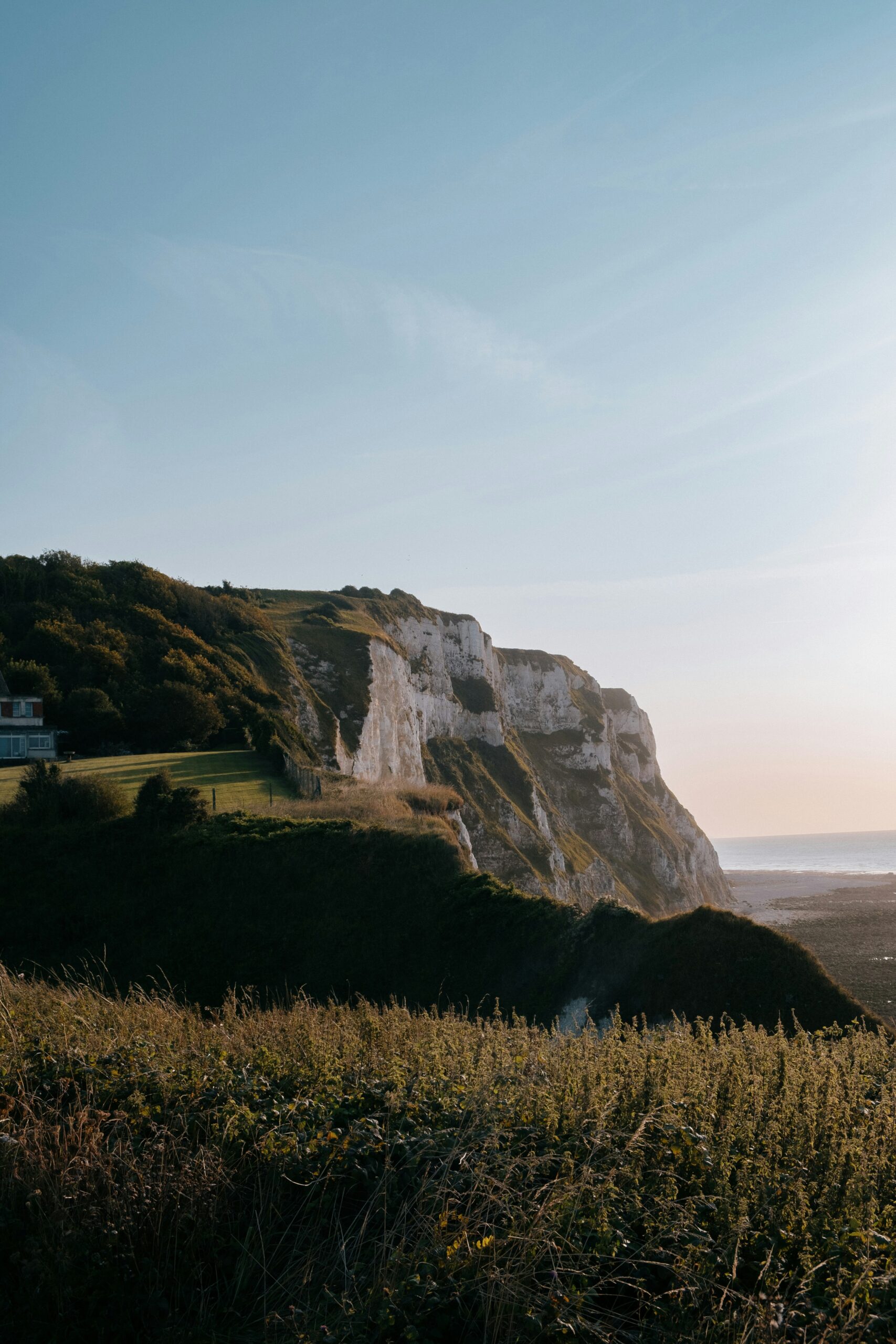
Vannes can suit retirees who want access to the coast without living in a purely seasonal beach town. It has a stronger year-round economy than many smaller coastal places, with shops, healthcare, markets and daily life continuing outside the summer months.
The main appeal is balance. You get an attractive town centre, coastal access, a local population and more practical services than in many small villages. For long-term living, that balance is often safer than choosing an isolated seaside location.
However, Brittany weather should be taken seriously. Rain, wind and winter damp can affect mobility, mood and home maintenance. Ground-floor access, heating quality and proximity to services should matter more than having the perfect view.
Sarlat-la-Canéda – Beautiful, but Test the Off-Season Carefully
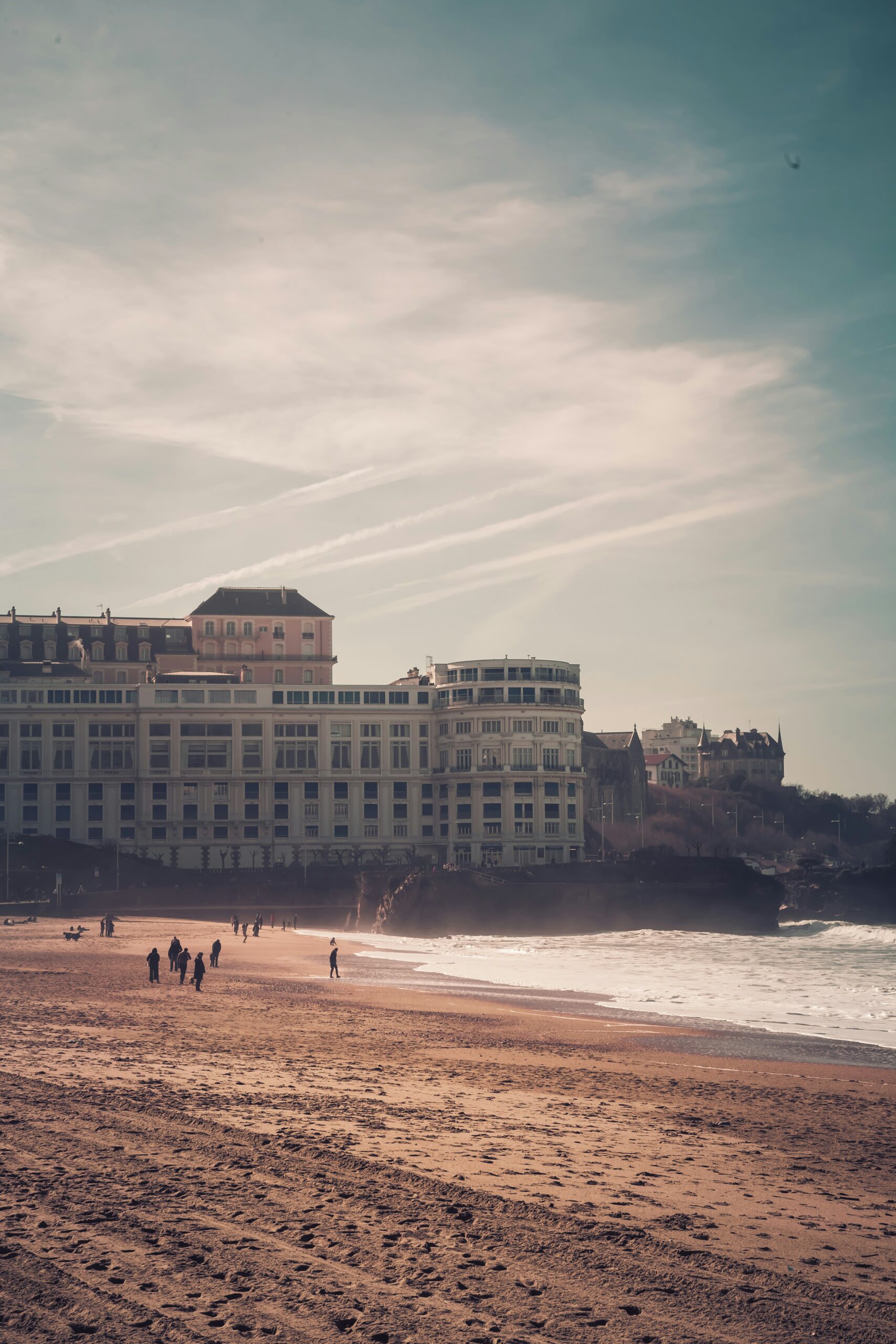
Sarlat is beautiful and attracts many people dreaming of classic France. It has markets, restaurants, historic streets and strong appeal for anyone who wants atmosphere. But long-term retirement living is not the same as enjoying a holiday in Dordogne.
The practical issue is seasonality. A town can feel vibrant in spring and summer, then much quieter in winter. Restaurants may reduce hours, social life can contract and driving becomes more important if you live outside the centre.
Sarlat can work well for active retirees who speak some French, enjoy local culture and are realistic about transport. It is less ideal for someone who wants effortless healthcare access, strong public transport or a large international support network.
Real-life test: visit the town in February before committing. Check whether cafés, pharmacies, markets, buses and services still work in the way you need when tourists are gone.
Uzès – Elegant, Social and Popular, but Not Always Cheap
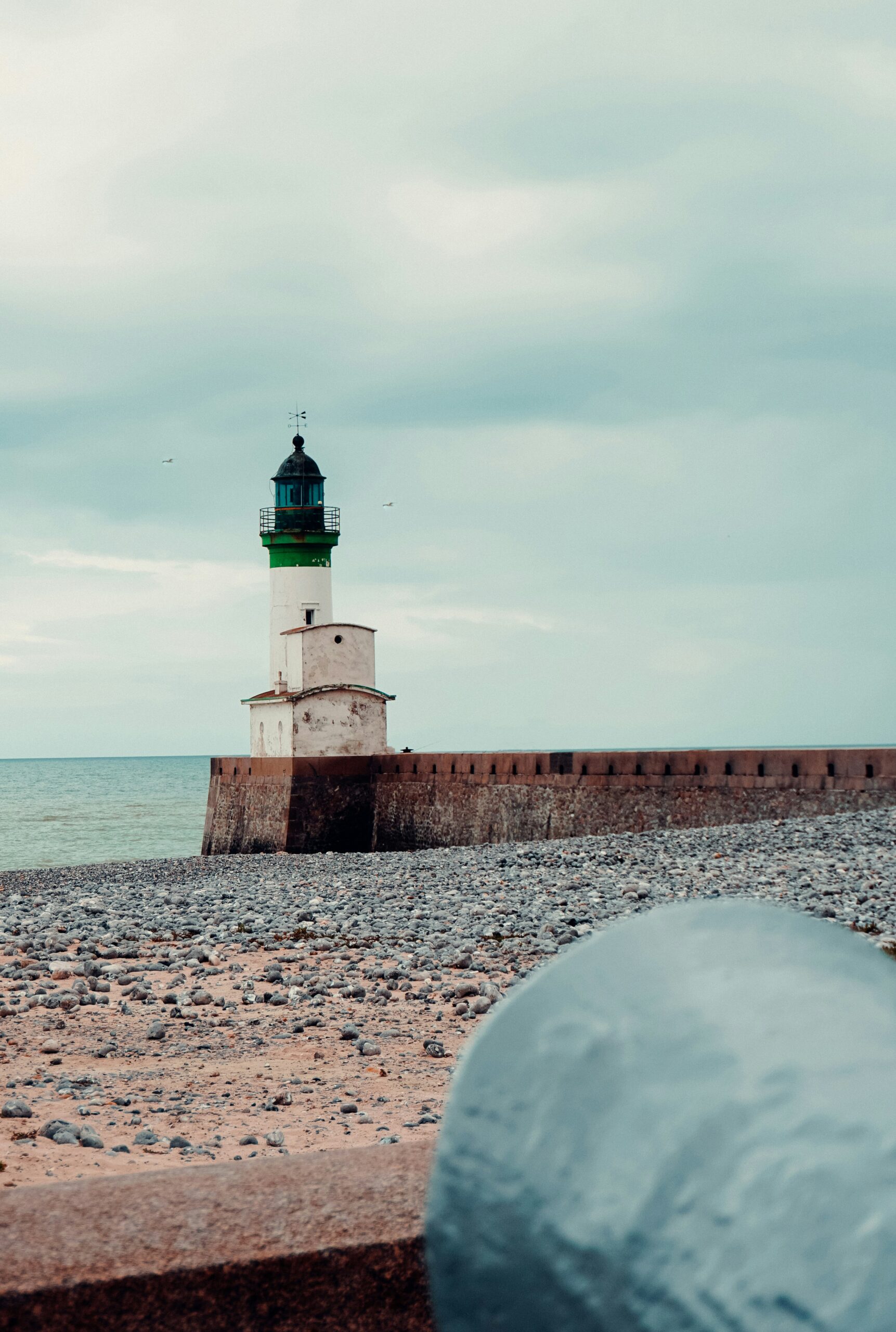
Uzès appeals to many retirees because it combines beauty, markets, cafés, a strong town centre and a social atmosphere that can be easier for newcomers than in more isolated rural locations.
It can work well for people who want a smaller-town lifestyle while still having access to larger regional centres. The town has enough activity to avoid feeling abandoned outside summer, and its popularity means newcomers may find social entry points more easily than in closed rural villages.
The downside is cost and demand. Attractive towns with good services are rarely hidden bargains. Property prices, renovation costs, parking pressure and summer crowds can be higher than expected.
For retirees, the smartest approach is often to rent first. Living through a full year reveals whether the town is still comfortable during heat, rain, holidays, market days, tourist pressure and medical appointments.
Albi – Small-City Benefits With Town-Like Living
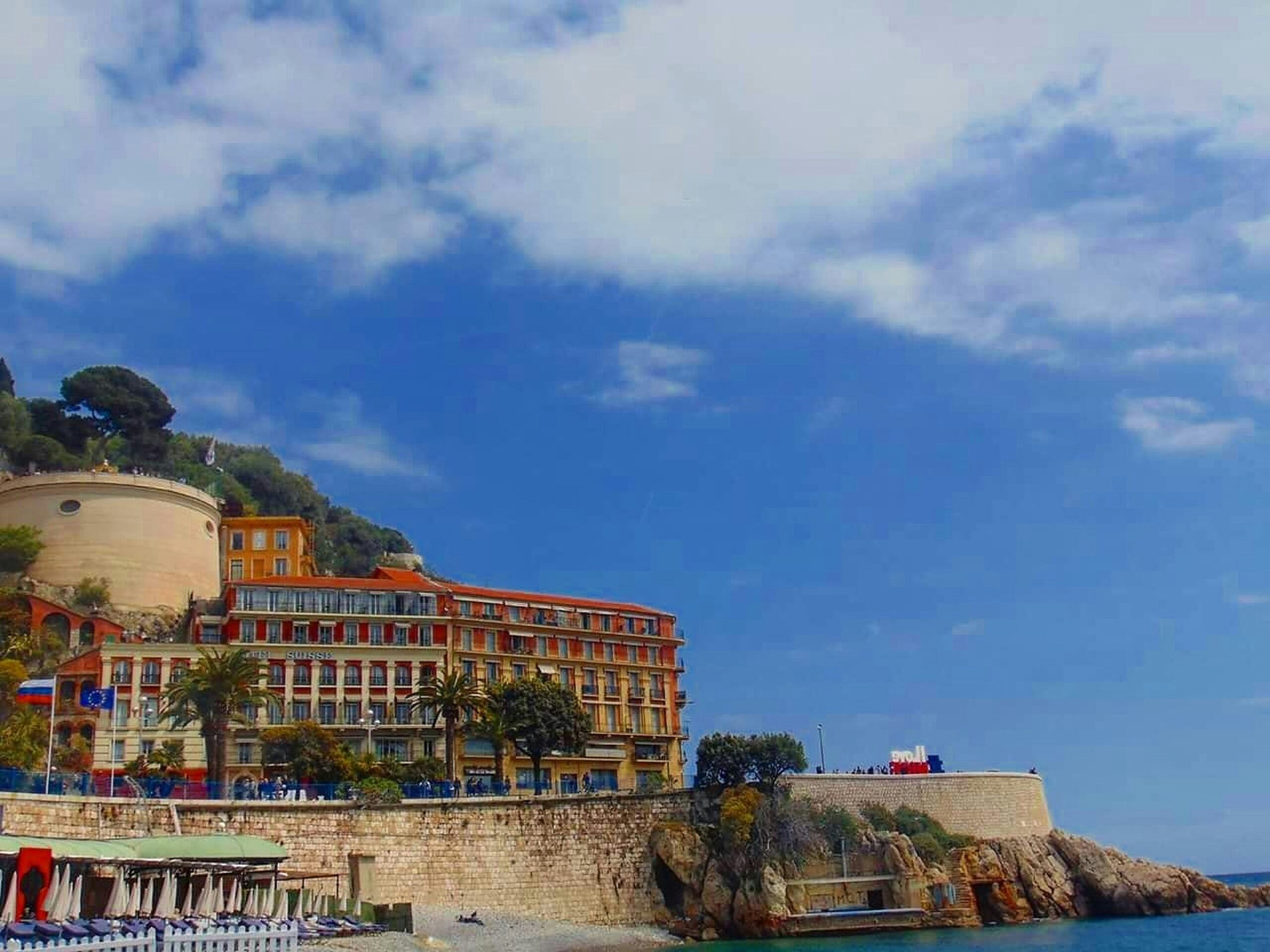
Albi is larger than a village but still feels manageable. For long-term retirement, that can be an advantage. It offers more healthcare access, shops, public services and transport options than many smaller towns, while still avoiding the scale and intensity of major cities.
Retirees often do better in this type of place than in remote countryside because services are closer. If one partner needs medical appointments, if a car becomes inconvenient, or if daily errands become tiring, having more infrastructure nearby becomes valuable.
The tradeoff is summer heat. Parts of southern and southwestern France can become uncomfortable during heatwaves, especially in older housing without proper insulation, shutters, cross-ventilation or cooling options.
Housing warning: when comparing homes in southern France, ask how the property performs in August and January. A charming house can be too hot in summer and expensive to heat in winter.
Honfleur – Lovely, but Tourism Changes Daily Life
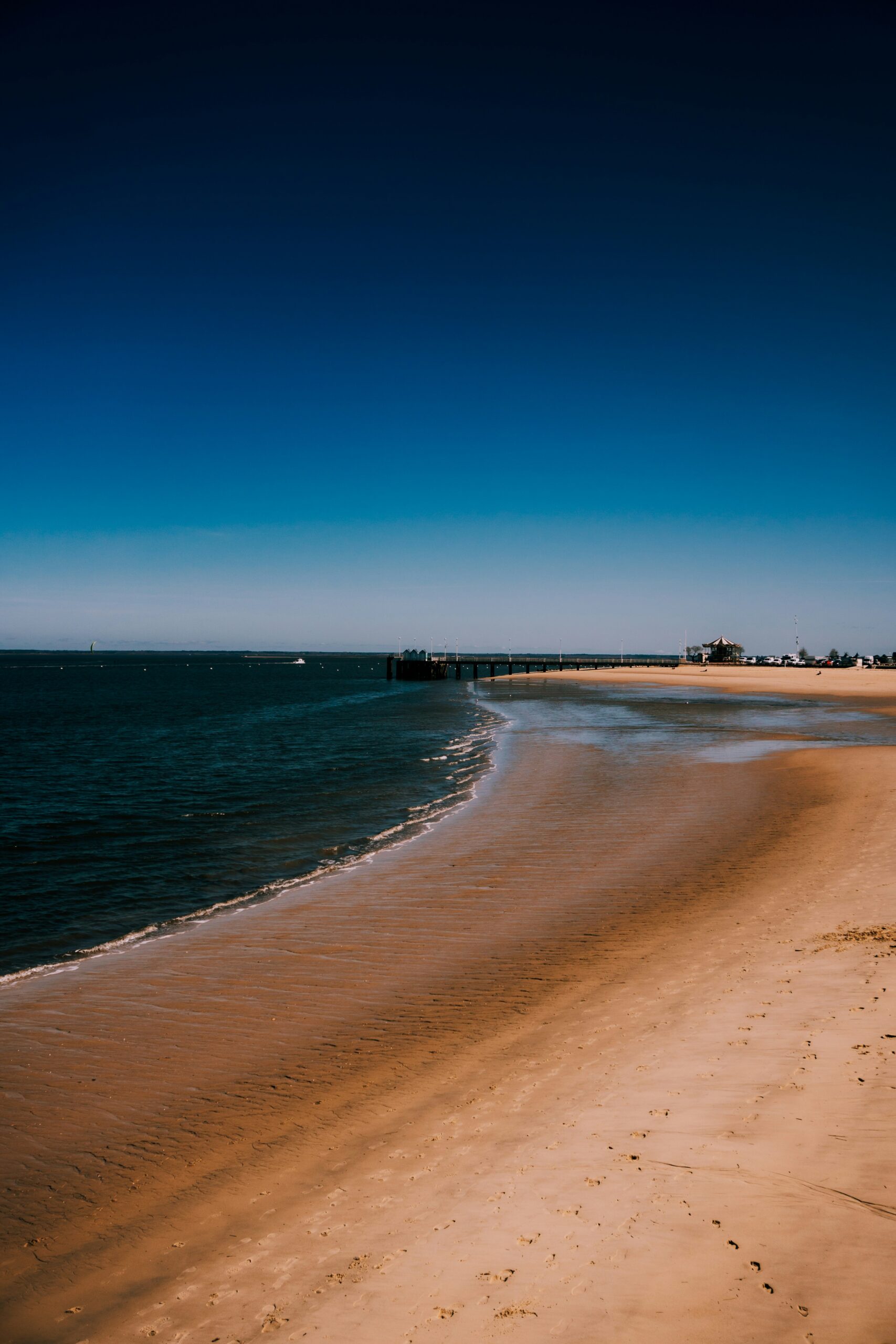
Honfleur is visually attractive and close to the coast, but it shows one of the big risks of small-town France: the places that look most charming can be shaped heavily by tourism.
Tourism affects noise, parking, restaurant prices, housing availability and the feel of daily life. A town can be pleasant on weekdays outside season and frustrating during summer weekends. Retirees who want quiet living need to test the town at busy times, not only when it is calm.
The town can still suit retirees who accept the tradeoff and choose housing carefully. Living slightly away from the most visited streets may make daily life more comfortable, especially if shops and medical services remain accessible.
Bergerac – Useful for Retirees Who Want Services Without a Big City
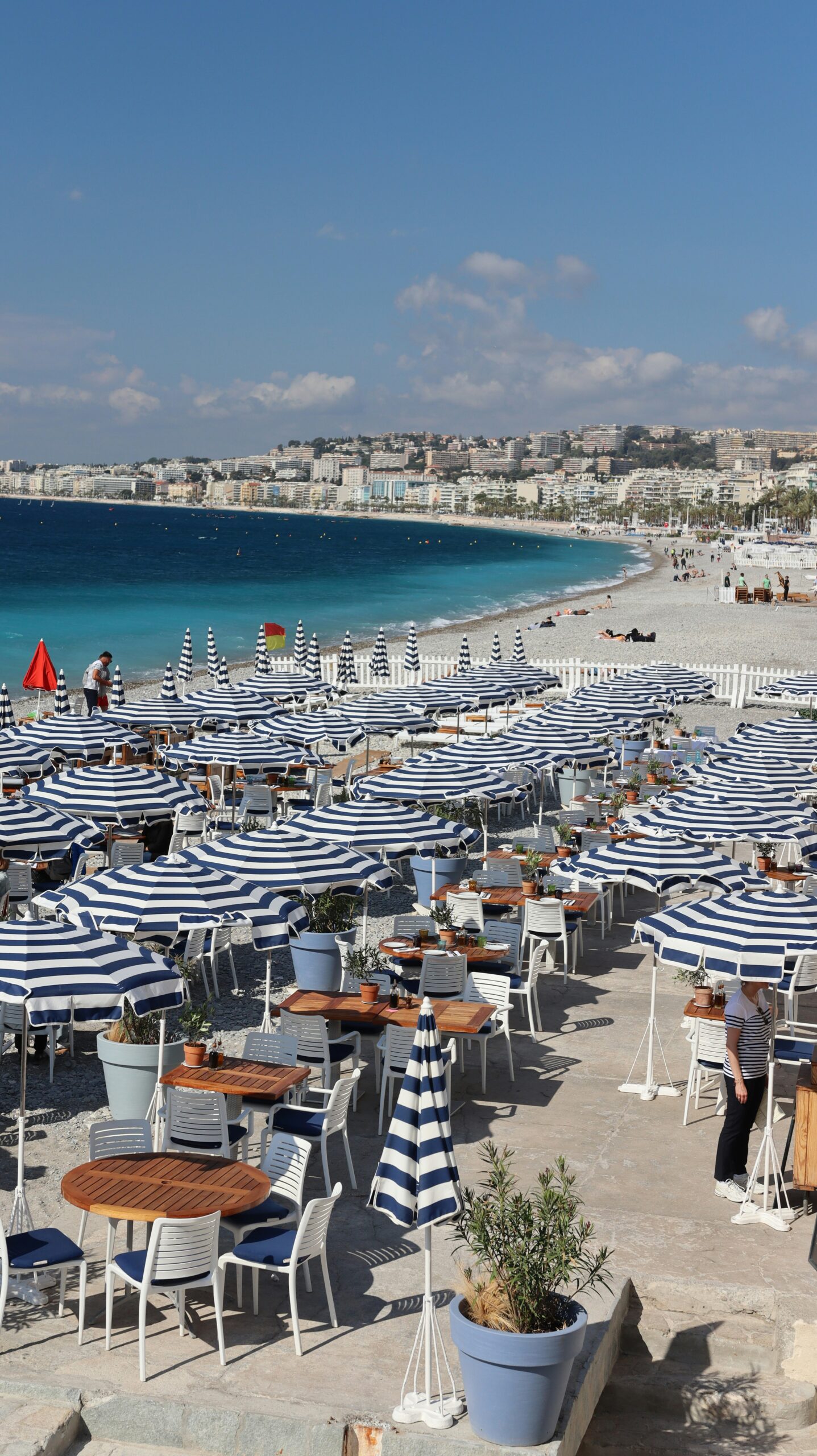
Bergerac can be a practical option for retirees who want southwestern France without moving into a tiny village. It has more services than many rural locations, including shops, transport links, healthcare access and a larger local population.
This type of town often works better than isolated countryside because it gives retirees options. You can still enjoy rural France nearby, but your daily systems are not entirely dependent on driving, private contractors and long trips for basic errands.
The challenge is not romance; it is integration. In smaller French towns, social life often works through routines. You become visible by using the same bakery, market, café, association or walking route repeatedly. Without French language effort, life can remain polite but distant.
Questions to Ask Before Choosing Any Small French Town
Before choosing a small French town for long-term living, test it like a system rather than a destination. The questions below are more useful than asking whether the town is beautiful.
- Can you reach a pharmacy on foot or by simple transport?
- Is there a doctor nearby who is realistically accessible?
- Where is the nearest emergency department?
- Does the town have a train station or dependable bus service?
- Can you manage groceries without a car?
- Are tradespeople available, or are repairs slow and difficult?
- Does the town remain active outside tourist season?
- Are cafés and restaurants local, or mostly seasonal?
- Is the housing stock old, damp, steep, poorly insulated or expensive to heat?
- Would the same home still work if stairs became a problem?
The Hidden Problem: Healthcare Access Is Not Just Distance
Many retirees look at a map and assume that being thirty minutes from a hospital is enough. In practice, healthcare access is more complicated.
You need to think about:
- whether local doctors are accepting new patients
- how quickly you can get routine appointments
- whether specialists require travel to a larger city
- whether you can manage appointments in French
- how you would travel if you could not drive
- whether pharmacies and labs are easy to reach
France is working on improving healthcare access in underserved areas, but small-town realities still vary widely. A town can look perfect and still be difficult if medical access is thin.
For retirees with chronic conditions, the safest small towns are often those near a larger medical hub rather than the prettiest villages deep in the countryside.
Transport: A Train Station Can Matter More Than a View
Long-term living changes the value of transport. A sea view, stone façade or garden may feel more exciting when buying, but a train station or frequent bus can become more valuable later.
A usable transport link helps with:
- medical appointments
- airport access
- visits from family
- travel after driving becomes tiring
- reducing isolation after bereavement
- avoiding dependence on one partner as the only driver
In France, regional trains and local transport can make some smaller towns much more practical than they look on paper. But not every station has frequent service, and some rural bus routes are limited. Always check actual timetables, not just whether transport technically exists.
Small-Town Bureaucracy: Helpful, Slow or Both
Small French towns can be surprisingly helpful with paperwork, especially when the mairie knows local residents. But this does not mean bureaucracy disappears.
Common friction points include:
- proof of address requirements
- setting up utilities in an old property
- bank paperwork after moving
- healthcare registration delays
- insurance documentation
- property tax and local tax letters
- contractors needing formal quotes and paperwork
In smaller towns, people may be friendly but systems still move at French administrative speed. Retirees who expect everything to be solved immediately can become frustrated. Those who keep copies, use written confirmations and build local relationships usually cope better.
Final Thoughts
The best small French towns for long-term living are not necessarily the most famous or the cheapest. They are the towns where the unglamorous systems work: healthcare, transport, shopping, repairs, heating, paperwork, social routines and winter life.
For retirees, the safest choice is often a small town with enough infrastructure to age well. A beautiful isolated village may be perfect for a holiday, but a practical town with doctors, shops, trains, cafés and neighbours is usually better for real life.
Compare the Real Cost of Living in France
Use the France retirement calculator to test housing, healthcare, utilities, transport and daily living costs before choosing a small town for long-term life.
Open France Retirement Calculator