Many retirees buy too quickly
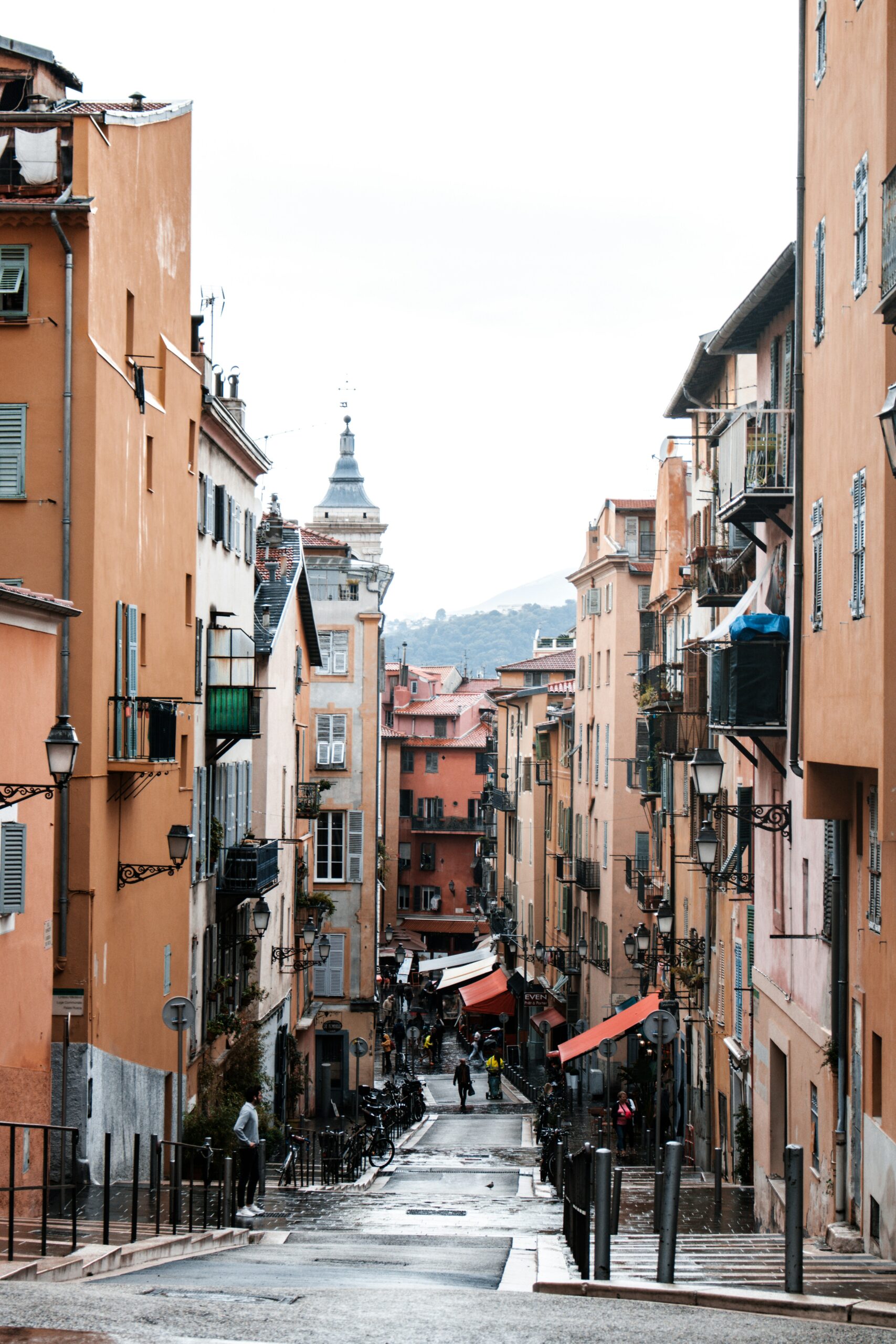
One of the most common mistakes retirees make in France is buying property before fully understanding how daily life actually works long term.
People often purchase during the emotional early phase of relocation:
- beautiful villages;
- holiday atmosphere;
- cheap countryside prices;
- romantic stone houses;
- dream retirement emotions.
But daily life after six months, two winters or one serious health problem can feel very different.
Renting offers flexibility that many retirees later appreciate
Retirement abroad is not static. Priorities often change after moving.
Many retirees later discover they care more about:
- walkability;
- healthcare proximity;
- social activity;
- public transport;
- less maintenance;
- easier winters;
- smaller homes.

Renting allows retirees to adapt much more easily without becoming locked into one location too early.
Buying can create emotional security, but also long-term responsibility
Many retirees simply feel happier owning their home. That emotional stability matters.
But ownership also creates permanent responsibilities:
- maintenance;
- property taxes;
- heating costs;
- repairs;
- insurance;
- renovations;
- garden upkeep;
- bureaucracy.
Healthcare access matters more than scenery later
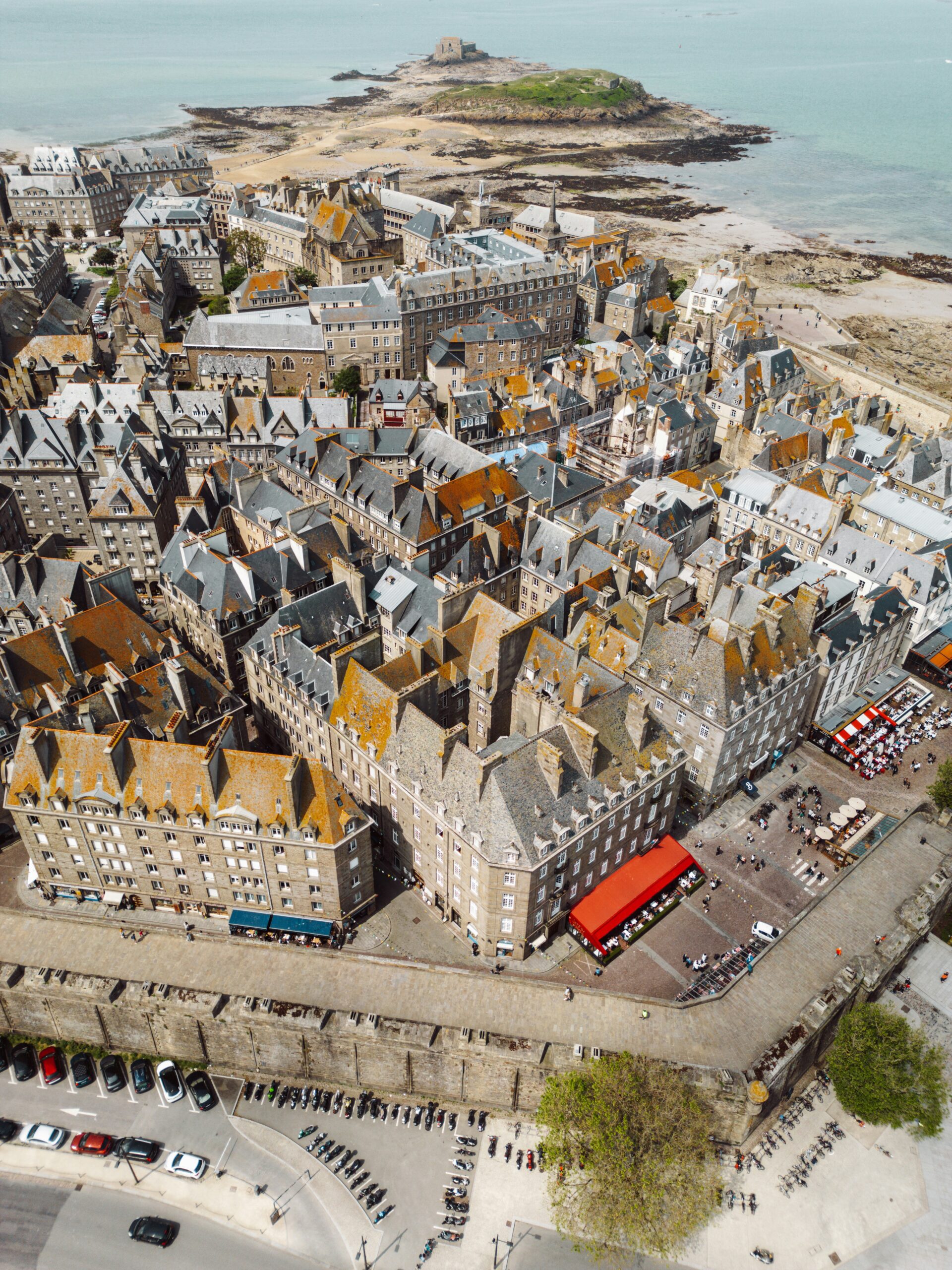
Many retirees initially focus on atmosphere and beauty when choosing where to live in France.
Years later, practical healthcare access often becomes far more important.
- How far is the nearest hospital?
- Are doctors accepting new patients?
- Can you reach appointments without driving?
- Would the property still work after surgery or illness?
- How stressful would winter travel feel later in life?

Renting first helps retirees test the reality of daily life
This is one of the biggest advantages of renting before buying.
A location may feel perfect during:
- summer weather;
- short holidays;
- active early retirement;
- good health.
The same place may feel very different during:
- winter;
- bureaucratic stress;
- doctor shortages;
- mobility problems;
- social isolation;
- language frustration.
French bureaucracy affects both renters and buyers
Whether renting or buying, France still involves paperwork-heavy systems.
Retirees may encounter:
- banking requirements;
- insurance paperwork;
- tax registration;
- proof of address issues;
- contract complexity;
- slow administration.

Buying makes more sense for some retirees
Despite the warnings, buying can absolutely be the right decision for many retirees.
Ownership may make sense if:
- you know the region very well;
- you have spent significant time there;
- you understand the healthcare situation;
- you want long-term stability;
- the property remains practical later in life;
- you are financially comfortable with maintenance costs.
The key difference is usually preparation and realism, not whether buying itself is good or bad.
Some retirees later regret buying too early
Common reasons retirees later regret purchasing include:
- isolation;
- doctor shortages;
- driving dependency;
- expensive renovations;
- cold winters;
- maintenance exhaustion;
- difficulty selling later.

What retirees should realistically evaluate before buying
- healthcare access;
- winter comfort;
- future mobility;
- maintenance workload;
- walkability;
- public transportation;
- doctor availability;
- long-term heating costs;
- social integration;
- future downsizing flexibility.
Final thoughts
There is no universal answer to renting versus buying in France for retirement.
For some retirees, ownership creates stability, emotional comfort and long-term satisfaction.
For others, flexibility becomes far more valuable than property ownership itself.
The smartest decisions usually come from realism rather than excitement: understanding healthcare, bureaucracy, transportation, winter life, aging and how priorities change over time.
France can absolutely work beautifully long term — but retirees who take time to test daily reality before committing permanently often avoid the biggest mistakes.
Continue planning retirement life in France
Housing decisions connect directly with healthcare, bureaucracy, transportation, costs and long-term aging abroad.