Buying a Car in Italy as a Foreigner
Buying a car in Italy can make retirement life easier, especially outside major cities. But paperwork, insurance, parking, ZTL zones, servicing and long-term mobility need to be tested before committing.
The right question is not simply whether the car is affordable. It is whether the car fits the town, the parking situation, healthcare access and your long-term ability to drive comfortably.
Buying a car is not only a purchase decision
A car can be useful in Italy, especially outside major cities, but it is not automatically the cheapest or easiest retirement solution.
For retirees, a car can solve real mobility problems. It can also add registration paperwork, insurance decisions, revisione inspections, parking stress, ZTL risk and recurring costs that may matter more as you age.
Quick answer: should retirees buy a car in Italy?
If you live outside a major city, need regular regional mobility and have practical parking.
If your town is walkable, parking is difficult, ZTL rules are strict or driving becomes stressful.
Small, common, easy to insure, easy to park and simple for local garages to service.
Rent or live locally first, then buy after testing weekly routines and real transport needs.
Retiree reality check: the wrong car decision often starts before the purchase, when retirees underestimate parking, narrow streets, local bureaucracy and aging-related mobility changes.
Where retirees usually get into trouble
The most common problems are not always mechanical. They usually come from buying before understanding the local environment.
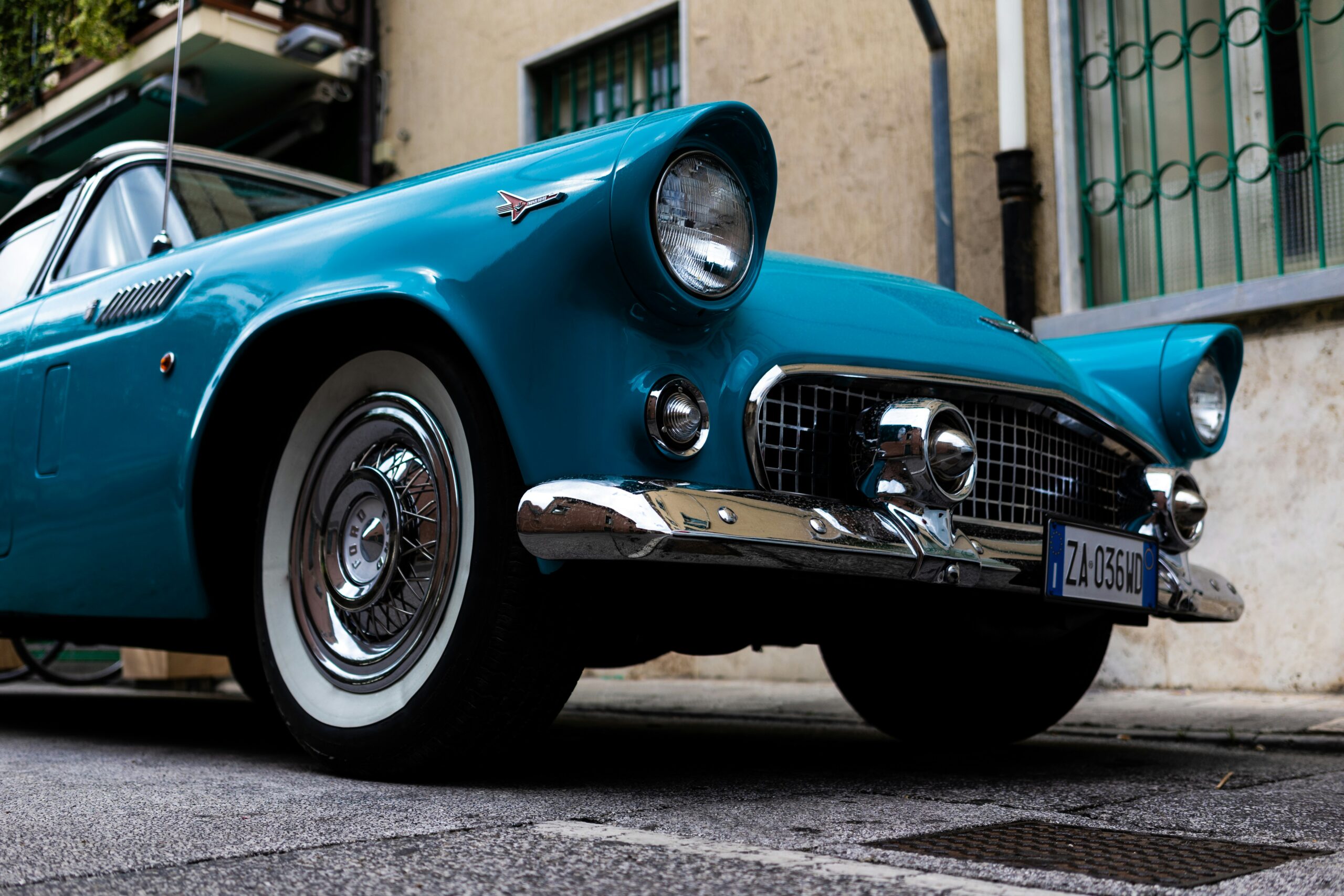
Used cars require careful paperwork
A used car can be practical, but retirees should treat the purchase as paperwork-heavy rather than casual. Ownership transfer, insurance activation, tax status, service history and inspection timing all need to be checked before money changes hands.
Can reduce friction if the dealer handles transfer details and provides clear documentation.
May be cheaper, but requires more confidence with documents, language and vehicle history.
Check repairs, mileage, revisione timing and whether maintenance has been neglected.
If you are not comfortable reading the paperwork, involve someone local first.
Practical move: do not treat a used car purchase as casual until ownership transfer, insurance and inspection status are clear.
Insurance and residence details matter

Insurance becomes easier when your identity, address and documents are consistent. Insurers may ask for codice fiscale, address details, driving history and vehicle information.
Foreign driving records may not always translate neatly into Italian pricing. Retirees should compare whether the car is truly needed every week.
Walkability may be cheaper than ownership
In many walkable Italian towns, occasional rental, taxis and regional trains may be cheaper and less stressful than full ownership.
Useful for rural living, regional healthcare trips, larger shopping and areas with weak transport.
Often works better in towns with trains, buses, shops, pharmacies and daily life nearby.
Taxis, rentals and trains can sometimes cost less than owning, insuring and maintaining a car.
A setup that works without daily driving usually ages better.
Best practical strategy
Rent or live locally before buying if possible. Use the first months to understand parking, healthcare routes, train access, supermarket trips and how often a car actually improves life.
A modest, easy-to-park car often works better than the vehicle retirees imagine from home. In Italian retirement life, simplicity usually beats size.
Long-term question: would this car still feel useful if you drove less at night, avoided motorways or needed more frequent healthcare appointments?
Related Italy retirement guides
Buy for Italian daily life, not the fantasy version
Choose small, serviceable and easy-to-park over emotional or oversized. The best car is the one that reduces friction in the town where you actually live.
Buying a car in Italy can make sense, but only after you know the local streets, parking, insurance, ZTL rules and how often a car truly improves your retirement life.