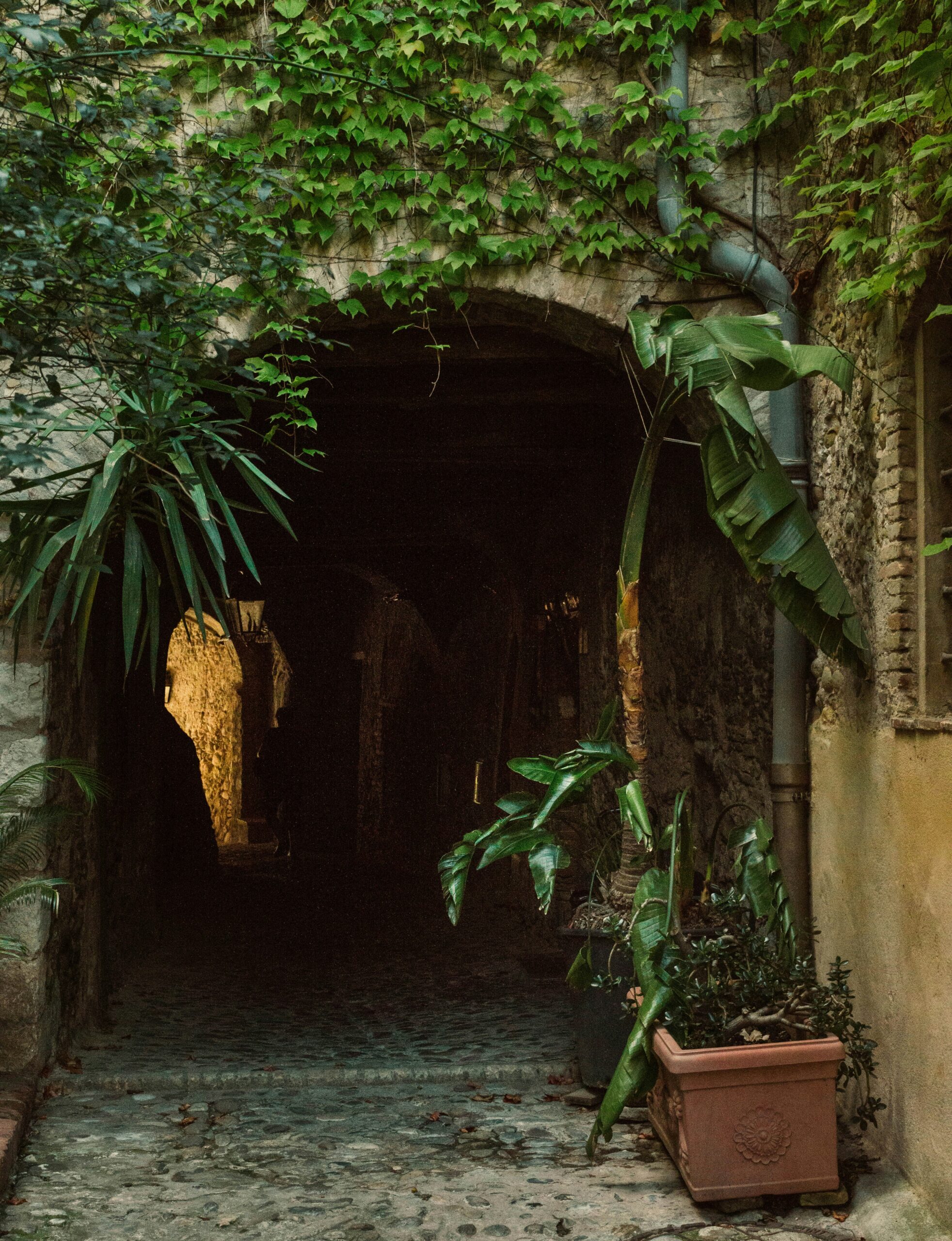
Rural France is beautiful, but daily life becomes more car-dependent
Many retirees initially focus on scenery, property prices and tranquility. What often surprises them later is how dependent daily life becomes on driving.
Outside larger towns and retirement regions, simple errands may involve significant travel:
- supermarkets;
- pharmacies;
- hospitals;
- bank appointments;
- specialists;
- government offices;
- train stations.
This feels manageable while healthy and active. It can become much harder later in retirement after illness, surgery or reduced confidence driving at night.
Healthcare access varies dramatically outside cities
France has strong healthcare overall, but rural access can be inconsistent depending on the region.
Some villages have excellent nearby services. Others struggle with doctor shortages and long specialist wait times.
- many GPs no longer accept new patients;
- specialists may require long drives;
- public transport can be extremely limited;
- hospital access may depend heavily on driving.

Old French houses are often far more expensive than retirees expect
Many retirees fall in love with beautiful stone farmhouses or charming village properties. Purchase prices may initially look very attractive compared with cities or other countries.
But older French houses frequently come with hidden realities:
- poor insulation;
- humidity problems;
- old roofs;
- heating inefficiency;
- expensive renovations;
- high winter energy costs;
- limited contractor availability.

Winter feels very different in quiet villages
Many retirees first visit rural France during spring or summer. Winter can feel completely different.
Outside tourist season:
- villages become quieter;
- restaurants may close temporarily;
- social life slows dramatically;
- weather can feel damp and cold indoors;
- daylight hours feel shorter and more isolated.
This especially affects retirees who expected year-round active village life similar to holiday experiences.
Loneliness becomes more noticeable later in retirement
Many retirees initially enjoy peace and privacy. But isolation can become more significant later, especially after:
- health problems;
- loss of a spouse;
- reduced mobility;
- driving limitations;
- language barriers;
- friends moving away.
This does not mean rural France is a mistake. It simply means retirees should think realistically about long-term aging abroad, not only early retirement excitement.
French bureaucracy often feels slower outside cities
Rural France can feel wonderfully relaxed — until you need administration done quickly.
Many retirees discover that:
- appointments may take longer;
- local offices may have reduced hours;
- specialists may only visit certain towns periodically;
- public services can feel fragmented;
- some processes still rely heavily on paper documents.

The language barrier becomes larger in smaller communities
In larger French cities and major retirement regions, retirees often find at least some English-speaking professionals.
In smaller rural communities, daily life may depend much more heavily on French language ability.
- doctors may not speak English;
- contractors may only speak French;
- official letters arrive entirely in French;
- banking and insurance discussions become harder;
- social integration depends more on language.
Retirees who actively learn practical French usually adapt much more comfortably in rural areas.
Some retirees later move closer to medium-sized towns
This is extremely common but rarely discussed honestly.
Many retirees begin in remote countryside homes, then later relocate closer to:
- healthcare;
- public transport;
- shops;
- social activity;
- walkability;
- family access;
- lower maintenance housing.
This is not failure. It is often a realistic adaptation to aging.

What retirees should realistically evaluate before buying rural property
- distance to the nearest hospital;
- whether doctors accept new patients;
- winter heating costs;
- humidity and insulation;
- internet reliability;
- driving requirements;
- public transport access;
- distance to supermarkets;
- long-term mobility realities;
- maintenance costs for old houses.
Final thoughts
Rural France can absolutely offer an extraordinary retirement lifestyle: beauty, peace, lower property prices, slower rhythms and authentic local life.
But the reality is more complex than social media and relocation marketing often suggest.
The retirees who succeed long term are usually the ones who balance romance with practicality. They think not only about scenery and property prices, but also about healthcare, mobility, social life, winter reality and aging.
Rural France works best when retirees understand both the dream and the daily logistics behind the dream.
Continue planning retirement life in France
Healthcare access, bureaucracy, transportation and long-term aging realities all become increasingly important outside major cities.