Italian Grocery Stores and Supermarkets for Retirees
Grocery shopping in Italy can be enjoyable, affordable and deeply local, but it also affects mobility, budget, transport, health routines and long-term retirement comfort more than many retirees expect.
The real question is not whether Italy has good food. It is whether the shopping routine around your home still works when the weather is bad, bags are heavy, buses are limited, pharmacies are closed and driving becomes less appealing.
Many retirees imagine Italian food shopping as markets, bakeries, fresh produce and friendly local shops. That can be true, especially in walkable towns with active neighbourhood life. But after the first months, shopping becomes a practical system: carrying bags, reading labels, opening hours, cash, cards, stairs, parking, delivery reliability, holidays, closures and whether the pharmacy, supermarket and bus stop fit together in real life.
Why grocery shopping matters so much in retirement
Food shopping is one of the first daily routines that reveals whether a place in Italy actually works for long-term retirement. A beautiful hill town may feel perfect on a viewing trip, but ordinary life changes if the supermarket is down a steep road, parking is difficult and the nearest pharmacy is in another town.
For younger movers, shopping friction may feel minor. For retirees, it affects independence, energy, food quality, health routines and whether a location remains manageable after several years.
RetirePlan reality check: the best food setup is not the most picturesque one. It is the one that stays easy when energy, mobility and weather change.
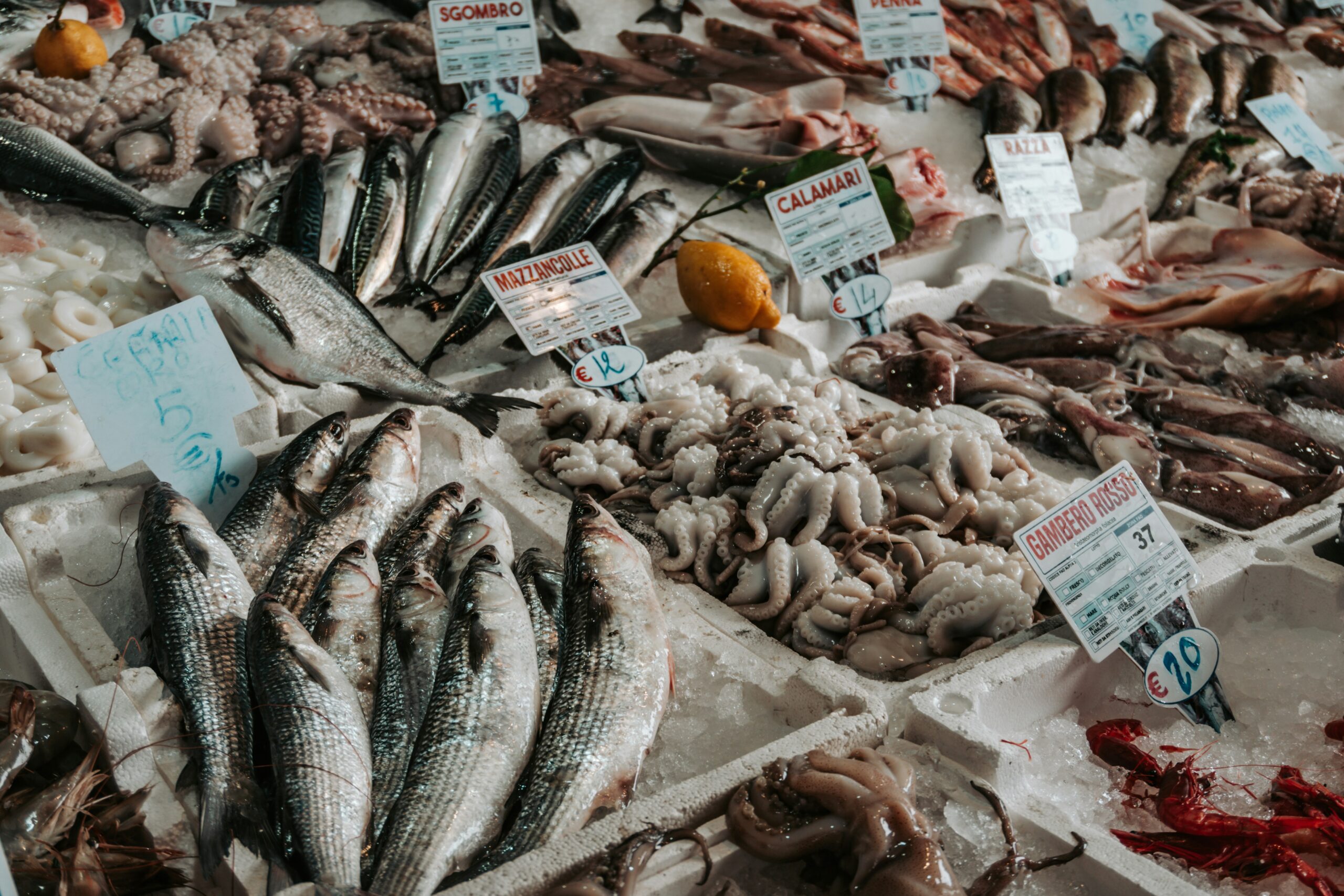
Main hidden risk: choosing a beautiful home where every food shop, pharmacy and basic errand depends on driving.
The main ways retirees shop in Italy
Most retirees use a mix of supermarkets, small shops, weekly markets and occasional larger shopping trips. The right pattern depends on town size, car access, walkability, apartment storage and local opening habits.
Works well in walkable neighbourhoods with bread, produce, cheese, meat and basics nearby.
Useful with a car, easy parking and enough home storage for heavier items.
Excellent for local produce and social contact, but dependent on specific days and weather.
Usually the most realistic long-term pattern for retirees who want flexibility.
Supermarkets, markets and small shops feel different
Italian supermarkets are familiar enough for most foreigners, but they do not always work like supermarkets in northern Europe, the UK or North America. Product ranges may be more local, packaging may be smaller, fresh counters may require queue numbers and household goods may be less central than food.
Small shops can be excellent for daily life, especially bakeries, greengrocers, butchers and local food stores. They also require more confidence with basic Italian and local habits.
Better location filter: check whether the supermarket, bakery, pharmacy, bus stop and café can be combined into one ordinary errand.
Real shopping scenarios
- Central Bologna: frequent small shops, stairs and busy streets.
- Abruzzo town: better prices, but larger trips may need a car.
- Coastal Liguria: steep streets, higher prices and seasonal crowds.
- Rural Tuscany: weekly drives may become tiring after illness or in winter.
Opening hours and closures affect daily planning
Opening hours vary by region, town size and type of shop. Larger supermarkets may have long hours in cities and suburbs, while smaller food shops may close for lunch, shut on certain afternoons or follow local rhythms that are not obvious to new arrivals.
Public holidays, local saint days, Sundays, Ferragosto and summer slowdowns can disrupt normal shopping routines. This matters more if you rely on nearby shops, medication routines, buses or a small number of local services.

Food costs are not only about supermarket prices
Italy can offer excellent food value, especially for seasonal produce, local staples and simple home cooking. But retirees should not assume grocery costs will always be low. Prices vary by region, season, shop type and personal habits.
May reduce car use but increase spending in small central shops and specialist stores.
May offer cheaper produce but add fuel, car maintenance, time and errand planning.
Diabetes, allergies or specific dietary routines should be tested before choosing a location.
Branded items, convenience food and familiar products can raise the monthly budget quickly.
Transport, delivery and carrying distance are part of the system
In retirement, grocery shopping is not only about the store. It is also about how you get there and back. A supermarket five minutes away by car may be useless if parking is stressful, traffic is difficult or you later stop driving.
Delivery can help with bottled water, household supplies and heavy items, but it is not universal. Small towns, rural addresses, older buildings and confusing entrances can make delivery unreliable.
- Can you shop without a car?
- Is the walking route steep, shaded and safe?
- Are buses useful outside peak hours?
- Is parking realistic near the supermarket?
- Does delivery reach the exact address?
- Could you manage the routine after surgery, illness or reduced mobility?

Practical test: carry one full shopping bag back to the property before deciding the location works.
Language, labels and health routines need testing
Supermarkets are easier than public offices or medical appointments, but language still matters. Labels, counter service, loyalty cards, promotions, product weights, butcher counters, cheese counters and dietary information may require some Italian.
Retirees with diabetes, heart conditions, allergies, digestive issues or specific dietary routines should test food availability before committing to a location. Larger towns usually offer more choice. Smaller villages may require adaptation, online orders or regular trips to bigger supermarkets.
Apartment storage, stairs and heavy bags matter
Many Italian apartments have smaller kitchens, limited storage and older layouts. This encourages frequent small shopping, which works well in walkable areas but becomes harder if shops are far away.
Stairs matter. Carrying groceries to a third-floor apartment without a lift may be acceptable at 62 and exhausting at 75. Narrow staircases, heavy doors, awkward entrances and limited parking near the building all affect grocery routines.
Housing link: the apartment may be charming, but the daily shopping route decides whether it remains practical later in retirement.

Practical grocery checklist for retirees
- Visit the supermarket you would actually use, not only the nearest one on a map.
- Check the walking route in both directions, including hills, shade, crossings and pavements.
- Carry one realistic shopping bag back to the property.
- Check whether the pharmacy, bakery, bus stop and supermarket can be combined.
- Know which shops close for lunch, Sundays, local holidays and certain afternoons.
- Test delivery before relying on it for heavy items or illness.
- Keep some cash for markets and small local shops.
- Do not buy or rent based only on scenery, views or market atmosphere.
The best grocery setup supports independence over time
The best grocery setup for retirement in Italy is not necessarily the prettiest or cheapest. It is the one that supports independence over time.
A good setup lets you eat well, shop without stress, manage health needs, reduce car dependence and keep a social rhythm through regular local routines. For many retirees, the ideal location is not a remote dream property. It is a town or neighbourhood where the supermarket, pharmacy, café, doctor, bus stop and bank are all realistically usable.
RetirePlan principle: Italian food culture can be one of the great benefits of retirement in Italy, but the daily system around it must work five, ten and fifteen years later.