Emergency and Urgent Help in Italy for Retirees
Emergency healthcare in Italy is not only about calling 112. Retirees need to understand pronto soccorso, after-hours medical systems, ambulance access, transport realities, medication records and how local healthcare actually functions during nights, weekends and holidays.
The retirees who handle emergencies best are usually the ones who prepared before anything happened: medication lists ready, local hospital identified, after-hours contacts saved and realistic transport plans already tested.
Emergency planning matters more after retirement
Many retirees assume emergency care works the same way everywhere in Europe. In reality, Italian emergency healthcare depends heavily on local infrastructure, transport, after-hours systems and whether you understand which service is appropriate for the situation.
Healthcare emergencies become more likely as retirement progresses. Even healthy retirees eventually encounter situations involving falls, chest pain, infections, medication complications, dehydration, blood pressure problems or sudden mobility issues.
The real problem is often confusion during stress
The medical event itself is only one part of an emergency. The real retirement problem is often confusion during stress, especially at night, during an August holiday, on a Sunday evening or during bad weather.

Retiree reality check: the biggest emergency mistake retirees make is assuming they will “figure it out later.”
112 and 118: what retirees should actually know
Italy uses 112 as the central European emergency number. In medical emergencies, the system routes the call toward the appropriate emergency medical service.
At the same time, many Italians still refer to 118 when discussing medical emergencies because it historically functioned as the dedicated ambulance and emergency medical number. Retirees may hear both numbers mentioned locally.
Use it as the simple number to remember across Italy and the EU.
Operators may transfer the call to the appropriate emergency service.
Response depends on urgency, triage and local availability.
Stress makes communication harder, so written details matter.
Prepare a simple Italian emergency sheet with address, medical conditions, allergies, medications and emergency contacts.
Pronto soccorso is not designed for every medical problem
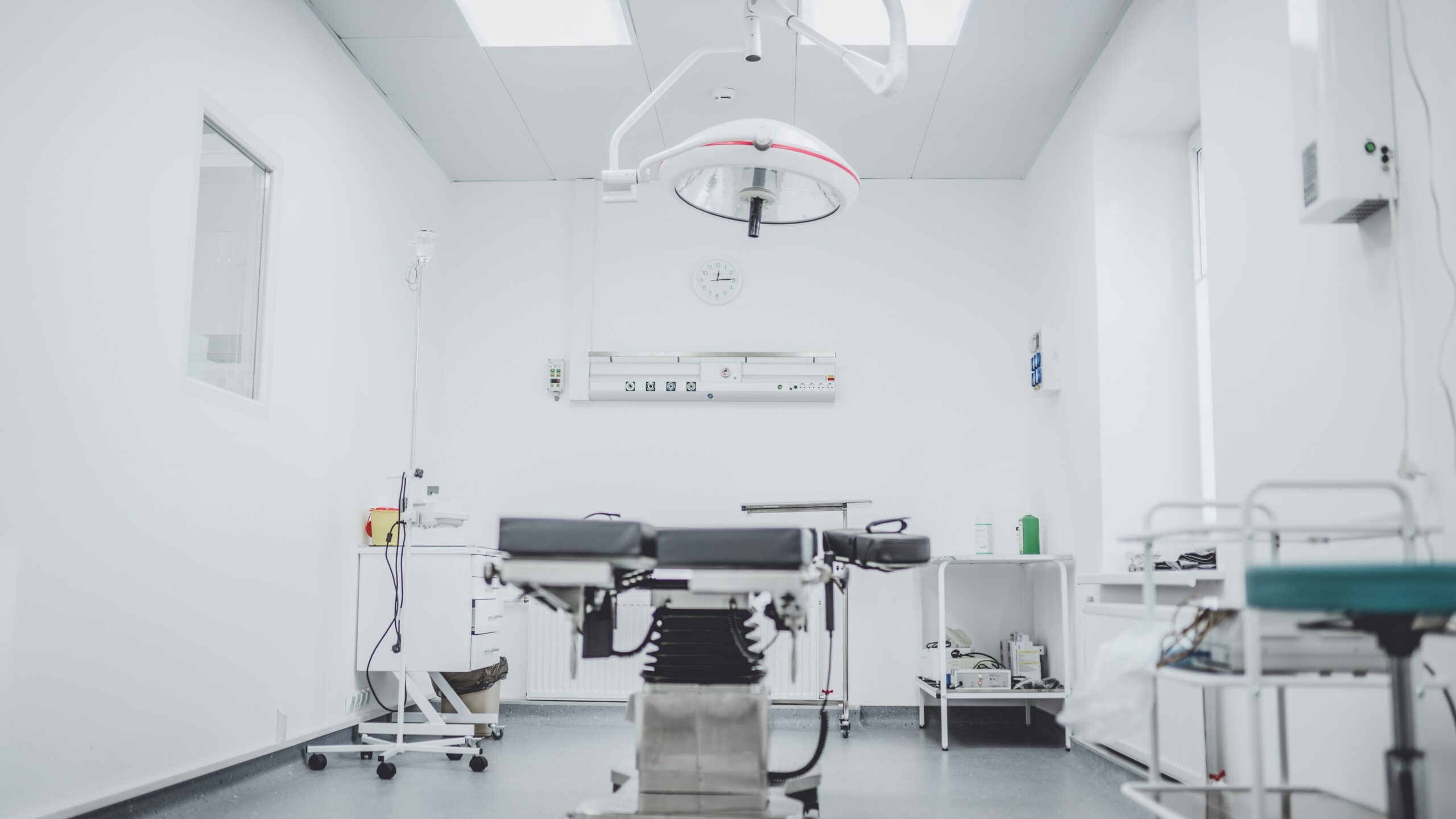
The Italian emergency department is called pronto soccorso. Many foreign retirees assume it functions like a general walk-in medical solution. In reality, triage is heavily prioritized.
Not every urgent problem belongs in the emergency room. Less urgent issues may involve extremely long waits, especially during influenza season, tourist-heavy months or busy periods.
Continuità assistenziale and guardia medica
Outside normal GP hours, many areas use continuità assistenziale, commonly still called guardia medica in everyday conversation.
Do not wait until late Saturday night to discover how local after-hours healthcare actually works.
Transport is often the real emergency issue
Many retirees focus only on the hospital itself. The real problem is often how to reach it quickly and safely.
In some rural areas, the nearest emergency department may technically exist nearby but still require complicated mountain roads, limited parking or stressful night driving.

Medication planning matters during emergencies
Retirees with chronic conditions should always maintain an updated medication list. Do not rely entirely on memory during a stressful situation.
Include generic medication names, dosages, allergies and existing diagnoses.
Include surgeries, blood thinner use, pacemaker or implant details.
A translated summary can help when language skills collapse under stress.
Printed medication cards and phone backups are both useful.
This becomes especially important if one spouse must explain the situation alone.
August, holidays and language stress change emergency reality
Many retirees are surprised by how much Italy changes during August and major holiday periods. Serious emergencies remain prioritized, but smaller clinics may reduce operations, local doctors may be away, tourist regions can become overloaded and pharmacies rotate opening schedules.
You do not need perfect fluency. But basic emergency vocabulary and translated summaries can dramatically reduce confusion.
Do not assume your spouse can handle everything alone
One of the most overlooked retirement risks is dependency imbalance. In many couples, one person manages healthcare paperwork, language communication, insurance, driving and administration.
If that person suddenly becomes ill, the remaining partner may struggle navigating emergency systems alone. Both partners should understand the basics.
Emergency preparation checklist for retirees
The best emergency strategy is preparation, not panic
Italian emergency healthcare can function very well, but retirees should approach it realistically rather than emotionally.
The strongest retirement setups are usually the ones where healthcare access is nearby, transport is manageable, documents are organized, both partners understand the system and local contacts already exist.
Build emergency readiness before you need it
Emergency planning is not pessimistic. It is part of building a stable long-term retirement life in Italy.
Emergency healthcare in Italy becomes easier when local contacts, transport routes, medication records, after-hours systems and both partners’ document routines are already in place.