French Holidays, Closures and Daily Life Disruptions
French public holidays and closures are not just dates on a calendar. They affect groceries, pharmacies, banks, transport, healthcare appointments, deliveries, paperwork, tradespeople and the ordinary rhythm of life after moving abroad.
France rewards people who learn the rhythm of daily life. Shops may close for lunch. Pharmacies rotate emergency duty. Public holidays create long weekends. Local festivals interrupt parking and transport. August can slow down appointments, repairs and bureaucracy. None of this makes France unlivable, but it does mean you need a different planning habit from countries where services are open almost all the time.
Why closures feel more disruptive after you move
A public holiday feels charming when you are visiting. It feels different when you need medication, a bank transfer, groceries, a train connection, a plumber, a doctor appointment or a document from the mairie. Once you live in France, closures are not background culture. They become part of your household logistics.
The biggest adjustment is not one holiday. It is the pattern: Sundays, lunch breaks, local closing days, national holidays, school holidays, bridge weekends, summer slowdowns and local events. In larger cities, the effect may be mild. In small towns and rural areas, one closure can affect several systems at once.
Sunday and holiday shopping can be limited, especially outside large cities.
Emergency pharmacies exist, but you need to know how the local rotation works.
Public transport may use holiday schedules, reduced service or local diversions.
Town halls, banks, post offices and offices may close or slow down around holidays.
The 2026 national public holidays in France
France has eleven official national public holidays in 2026. Some have stronger practical effects than others. May 1 is usually one of the most restrictive. Christmas, New Year, Easter Monday, Ascension and long May weekends can also affect shops, transport, appointments and family travel patterns.
| 2026 holiday | Date | Daily-life effect |
|---|---|---|
| New Year’s Day | 1 January | Major closures; plan groceries and medication before. |
| Easter Monday | 6 April | Long weekend effect; shops and services may be reduced. |
| Labour Day | 1 May | One of the strongest closure days; do not rely on normal services. |
| Victory Day | 8 May | Often creates May disruption, especially when close to other holidays. |
| Ascension Day | 14 May | Common bridge-weekend period; appointments and travel may be affected. |
| Whit Monday | 25 May | Some services may operate differently; check locally. |
| Bastille Day | 14 July | National celebrations, closures, transport disruption and local events. |
| Assumption Day | 15 August | Summer holiday period; many people are away and services can slow. |
| All Saints’ Day | 1 November | Family travel, cemetery visits and local closures. |
| Armistice Day | 11 November | Public ceremonies and closures; check transport and offices. |
| Christmas Day | 25 December | Major closure period; plan food, medication and travel ahead. |
Bridge weekends can slow everything down
A bridge weekend happens when a public holiday lands near a weekend and people take an extra day off to create a longer break. In France, these periods can affect appointments, tradespeople, administration, deliveries, customer service, pharmacies, restaurants and transport.
The frustrating part is that nothing dramatic is happening. People are simply away. Emails wait. Offices run with fewer staff. The person who handles your file is not available. The plumber does not answer. The appointment that should have taken three days takes two weeks.
May holidays can create repeated short weeks and long weekends.
Documents, replies and appointments may take longer than usual.
Trains, roads and holiday routes can become busier.
Tradespeople may be unavailable or booked out around long weekends.
Groceries, bakeries and markets during closures
Food shopping is one of the first areas where closures become real. Some bakeries open on Sunday mornings. Some supermarkets open limited hours. Some markets continue; others move or disappear around holidays. Small-town patterns vary enormously.
This matters because a “closed” town can still have one open bakery, one small supermarket, one petrol station or one market stall — but only if you know the local pattern. Newcomers often discover this too late, usually on a Sunday evening or holiday morning.
Know your Sunday basics. Identify one supermarket, bakery or corner shop that reliably opens nearby.
Shop before major holidays. Bread, medication, pet food, fuel and simple meals should be handled early.
Watch market changes. Market days may move or shrink around holidays and local events.
Keep a backup shelf. Pasta, rice, soup, coffee, tea, frozen food and basic household supplies reduce stress.
For food-shopping routines, read French Grocery Stores and Supermarkets Explained.
Pharmacies: know the emergency rota before you need it
Pharmacies are a key part of daily life in France. But they are not all open all the time. On Sundays, nights and public holidays, access often depends on the local duty pharmacy system. This is manageable, but it should not be learned during a medication problem.
If you take regular medication, do not wait until the last tablet before a holiday weekend. Repeat prescriptions, specialist medicines and pharmacy ordering delays can become stressful when closures combine with healthcare appointment delays.
For related healthcare planning, read Pharmacies in France for Retirees, How Prescription Medication Works in France for Retirees and Emergency and Urgent Help in France for Retirees.

Administration slows before and after holidays
French bureaucracy can already be slow. Holidays make it slower. Town halls, prefecture-related services, banks, insurers, tax offices, healthcare administration, utility suppliers and notaire offices may be closed, lightly staffed or slower to respond before and after holiday periods.
This matters most when several systems depend on each other. A bank needs proof of address. A utility supplier needs an IBAN. A healthcare file needs a document. A property purchase needs a notaire response. When holidays interrupt the chain, the whole process can pause.
Transfers, appointments and document checks may take longer around holidays.
CPAM-style paperwork and reimbursements may not move quickly during holiday periods.
Agencies, notaires and tradespeople can be hard to reach around long weekends.
Setup, cancellations and repairs may take longer if appointments are limited.
For the wider administrative picture, read How French Bureaucracy Works for Retirees, Opening a Bank Account in France as a Foreigner and Setting Up Utilities in France Step by Step.
Transport and driving around holidays
Public transport may run reduced schedules on public holidays, and rural buses can be especially limited. Trains may be busier around holiday departures. Roads can be crowded before long weekends, especially toward coasts, mountains and family destinations.
If you live without a car, closures can affect shopping, pharmacy access, appointments and social plans. If you drive, the issue is different: traffic, parking, fuel, tolls, holiday road conditions and whether local services are open when you arrive.
For transport planning, read Public Transportation in France for Retirees and Driving in France as a Retiree.
August is its own system
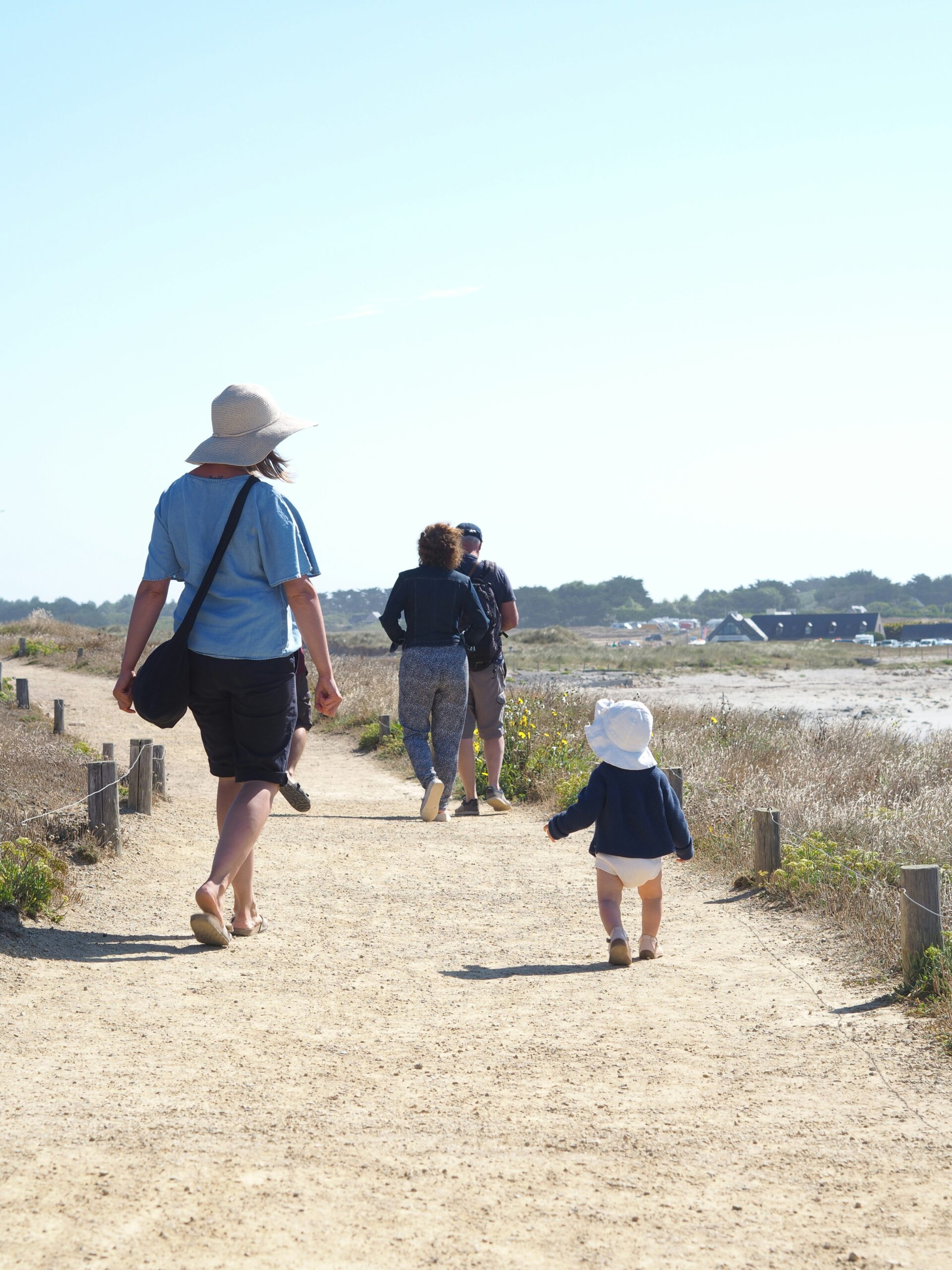
August in France can feel like a different country. In some places, tourist areas become crowded and expensive. In others, local professionals disappear on holiday. Tradespeople, doctors, dentists, administrative offices and small businesses may operate differently or close for part of the month.
This is not always a problem once you understand it. But it is a poor time to rely on fast replies, urgent non-emergency repairs or complex bureaucracy unless you have no choice. If you are moving house, buying property, setting up healthcare or arranging renovations, August should be treated carefully.
Local festivals can be both wonderful and disruptive
Local festivals, markets, parades, fairs, brocantes, concerts, fireworks and seasonal events can make French towns feel alive. They can also block streets, remove parking, change bus routes, create noise, fill restaurants and make normal errands harder.
This is part of living locally. A town that feels too quiet in winter may become busy during summer festivals. A seaside town may feel manageable in February and chaotic in August. A central apartment may be wonderfully convenient until music, crowds and street closures happen outside your window.
Markets and events can remove normal parking for a full day or weekend.
Celebrations, fireworks and concerts may affect quiet living expectations.
Busy weekends may require reservations, especially in tourist areas.
Bus routes and town-centre access can change during local events.
For broader daily-life rhythm, read Daily Life in France After Moving Abroad and French Cafés, Social Life and Everyday Culture.
Closures affect where you should live
The impact of closures depends heavily on location. In a medium-sized city, a holiday may simply mean checking opening hours. In a small rural village, the same holiday may mean no pharmacy, no public transport, no open grocery store and no local office until the next working day.
This does not mean rural France is wrong. It means you need to know your backup systems. Where is the nearest open supermarket? Which pharmacy is on duty? Can you reach a doctor without driving? Is there a train or bus? Does your town stay alive in winter?
For location planning, read What Makes a French Town Easy to Live In?, Best Walkable Places to Retire in France and Why Walkability Matters More Than Cheap Property in France.

First-year closure checklist
Mark national holidays in your calendar. Add long weekends and major local events once you know them.
Learn Sunday opening hours. Know your nearest open supermarket, bakery, petrol station and pharmacy route.
Refill medication early. Do not let prescriptions run down before holidays or August.
Check transport schedules before appointments. Holiday timetables can change buses, trains and local connections.
Do paperwork before holiday periods. Banking, utilities, healthcare and tax documents should not wait until the last week.
Keep backup supplies. Food, medication, pet supplies, batteries, fuel and phone data reduce stress.
Common mistakes newcomers make
- Expecting normal service on public holidays. Shops, offices, transport and restaurants may all change hours.
- Ignoring May long weekends. May can produce repeated delays and short working weeks.
- Waiting too long for medication. Pharmacy access is manageable only when planned early.
- Assuming Sunday works like Saturday. In many places it does not.
- Moving in August without backup plans. Repairs, appointments and replies can slow down sharply.
- Not checking local events. Festivals can affect parking, noise, access and restaurant availability.
- Choosing a remote home without closure backup. Isolation becomes more obvious when services are closed.
How to live well with French closures
Once you understand the rhythm, French closures become less stressful. You shop earlier. You refill medication before weekends. You check holiday transport. You keep a small backup supply. You avoid important appointments around bridge weekends. You learn which local businesses are reliable and which close unpredictably.
The goal is not to complain about closures or romanticise them. The goal is to build a daily-life system that works with France as it is.
Plan around closures before they become emergencies
French holidays and closures are manageable when you know your local systems: groceries, pharmacy, healthcare, transport, banking and backup supplies. Learn the rhythm early and ordinary life becomes much calmer.