Daily Life in France After Moving Abroad
Daily life in France is often pleasant, organised and deeply local — but it also runs on routines, closing hours, paperwork, language, transport limits and practical systems that can surprise people after the excitement of moving has faded.
The real adjustment happens in supermarkets, pharmacies, cafés, town halls, bus stops, doctor appointments, repair visits, bank messages and quiet Sunday afternoons when almost everything nearby is closed.
Moving to France is a daily-life decision
Moving to France is not only a legal or financial decision. The real adjustment happens in ordinary systems: supermarkets, pharmacies, cafés, town halls, bus stops, healthcare appointments, repair visits, bank messages and quiet Sundays.
This guide focuses on the routines that shape life after arrival — the practical rhythm people often discover only after the moving excitement has faded.
The first adjustment is rhythm
France can feel efficient in some areas and slow in others. Trains may run well, pharmacies may be helpful, public healthcare can be strong, and local food shopping can be excellent.
At the same time, administrative tasks may require patience, appointments may be hard to get, tradespeople may not reply quickly and daily opening hours may not match what you are used to.
Practical mindset: France becomes easier when you stop treating daily life as a tourist experience and start learning the local operating system.
Shopping and groceries: good quality, different habits
Grocery shopping in France can be one of the better parts of daily life. Markets, bakeries, butchers, cheese shops and supermarkets can give you excellent food access.
But the practical rhythm may differ from what newcomers expect. Smaller shops may close for lunch, rural choices can be limited, and larger supermarkets may sit outside town.
Cafés and restaurants are social spaces, not just convenience
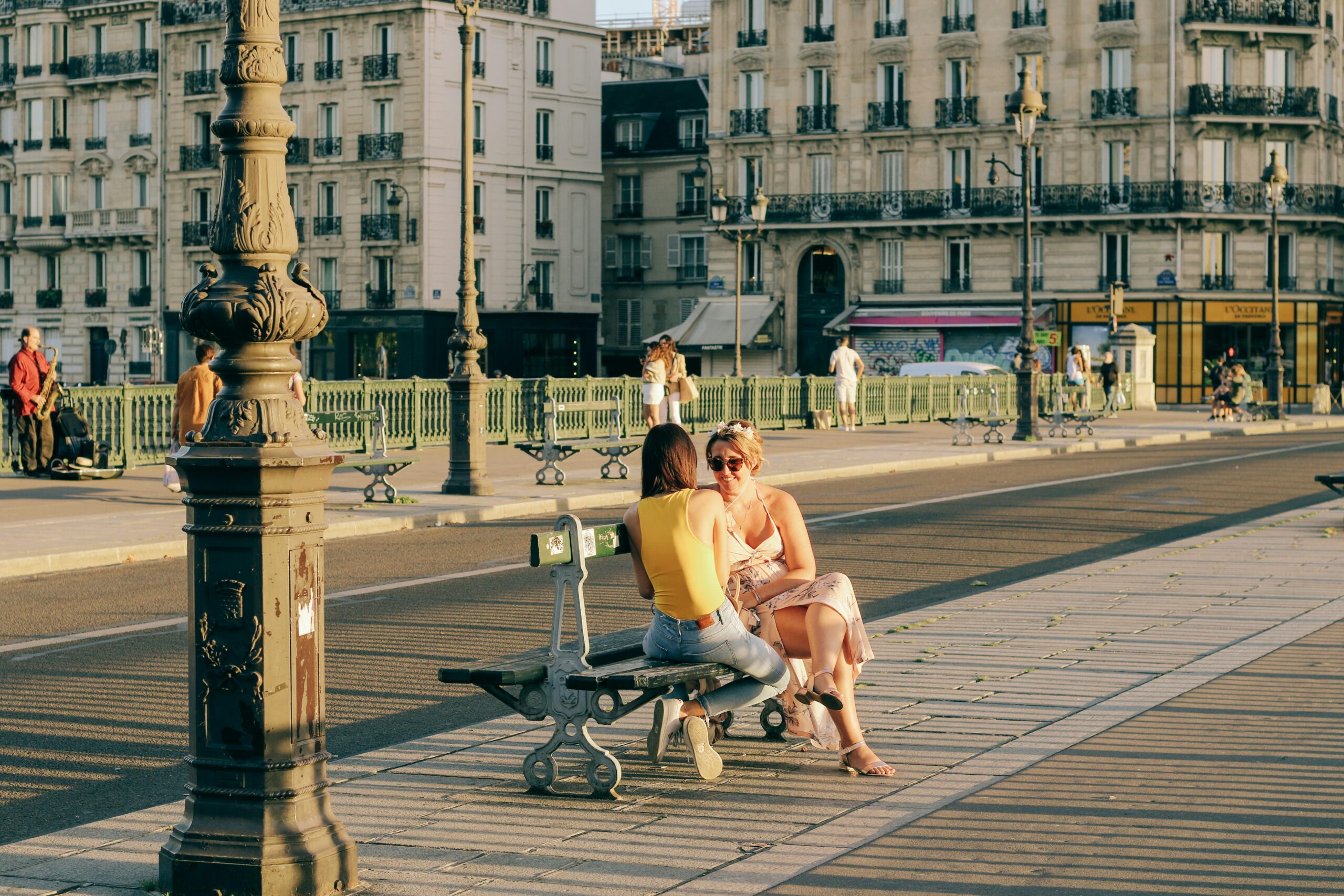
Cafés can become important daily anchors, especially if you move without an existing social network. A regular routine — morning coffee, market-day lunch, a weekly drink after shopping — can make you visible in the neighbourhood.
French café life is not always about speed. Service can feel slower if you expect constant checking-in. You may need to ask for the bill, and the table may be yours for longer.
Common frustration: newcomers sometimes read slower service as rudeness. Often it is simply a different service rhythm.
Opening hours and closures shape daily life
One of the most underestimated parts of living in France is closure culture. Sundays, public holidays, lunch breaks and local closing days still matter.
Know which supermarket, pharmacy or bakery is open nearby.
Shops, transport, deliveries and appointments may all be affected.
Some offices and shops still close for a proper midday break.
Medication, food, batteries, fuel and pet supplies should not run down to zero.
Bureaucracy becomes part of normal life
Bureaucracy in France is not only something that happens during the move. It continues quietly in daily life: insurance letters, tax messages, healthcare reimbursements, utility contracts, bank updates, residency documents, car paperwork and proof-of-address requests.
The system is not always impossible, but each office, portal and provider has its own vocabulary, documents and response time.
Healthcare affects daily confidence
Healthcare is one of the major reasons people choose France, but daily access still depends on where you live. A city or medium-sized town may offer pharmacies, laboratories, specialists, public transport and hospitals within reach.
The everyday issue is not only emergency care. It is repeat prescriptions, blood tests, dental appointments, eye care, physiotherapy, transport to appointments and the ability to explain symptoms in French when tired or stressed.
Livability warning: a beautiful home is less practical if every medical appointment depends on a long drive, weak transport or a neighbour being available.
Transport decides how free you feel
Daily life in France changes completely depending on transport. In a walkable town with shops, healthcare, cafés and a train station, life can feel easy even without driving every day.
A cheaper house outside town may save money on purchase or rent, but cost more in fuel, car maintenance, isolation, time and stress.
Language friction is small every day, then suddenly big
You can manage many daily tasks in France with basic French, translation apps and patient people. But the difficulty rises quickly when something goes wrong: a medical appointment, a tax letter, a bank problem, a delivery dispute, a car issue or a utility cancellation.
The goal is not perfect French. The goal is functional confidence: enough to greet people properly, explain simple problems, book appointments, read notices, understand opening hours and avoid feeling helpless whenever the phone rings.
Practical language goal: learn the vocabulary of your real life first: pharmacy, doctor, bank, insurance, housing, transport, utilities and appointments.
Noise, quiet and neighbour expectations
France can be quiet, but not always in the way newcomers expect. A rural house may have tractors, church bells, dogs, hunters, chainsaws and seasonal tourism. A city apartment may have street noise, scooters, delivery vehicles, neighbours, bins and early morning cleaning.
Neighbour expectations can also be strict. Noise late at night, badly timed DIY, parking habits, bin use and shared building behaviour can create friction.
Before choosing a home: visit at different times of day, on weekends and during the season when the area is busiest.
Money feels different when small costs repeat
France is not only about rent or property price. Daily costs include groceries, cafés, insurance, fuel, tolls, maintenance, banking fees, healthcare top-ups, utilities, heating, internet, mobile plans, property charges and occasional bureaucracy-related expenses.
Social life requires routine, not waiting
Social life after moving abroad rarely happens automatically. France can feel polite but closed at first. Neighbours may be friendly without becoming close friends quickly.
The most realistic approach is routine. Go to the same café, market, class, walking group, association, language exchange or volunteer activity repeatedly. Familiarity builds slowly.
Market day, café morning, class, walk, library or association.
Many towns have clubs, cultural groups and practical activities.
Join existing routines instead of waiting for a perfect friendship circle.
Local and international contacts serve different needs.
Daily life is easier in the right town
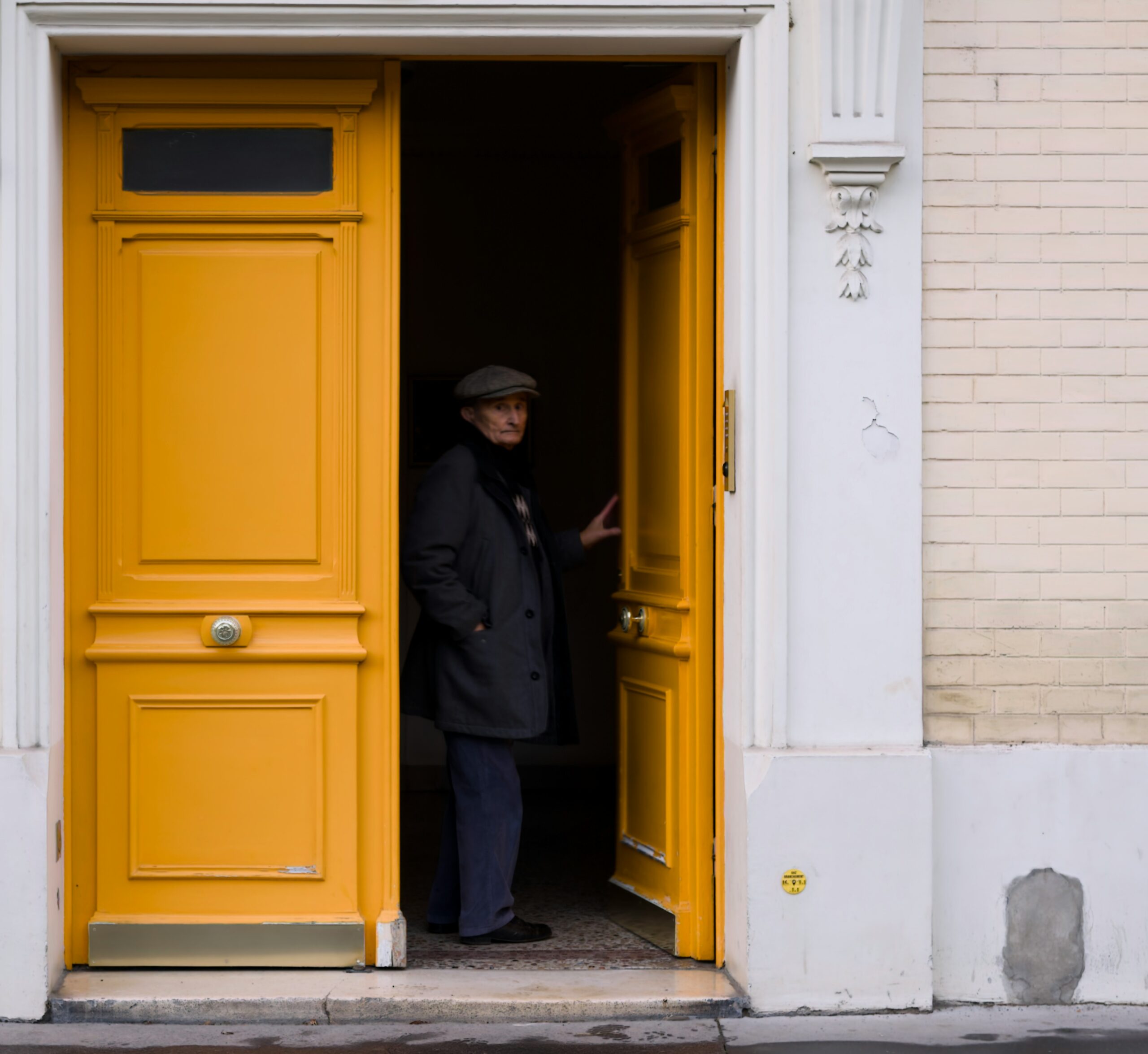
The most important daily-life decision may be where you live. A beautiful village, cheap farmhouse or postcard coastal town can still be hard if it lacks healthcare, transport, shops, winter activity, reliable internet or social opportunities.
The best location is not always the most famous or cheapest. It is the one where ordinary errands are manageable in bad weather, without perfect health, without fluent French and without needing a car for every small task.
First-year reality checklist
What people often discover too late
Choose France for the life you will actually live
France can be a very good place to live after moving abroad, but the best experience comes from choosing a practical location, understanding local routines and preparing for ordinary daily systems.
Related France guides
Daily life in France becomes easier when the town, routines, paperwork, transport and healthcare access support ordinary weekday life — not only the moving-day dream.