Buying Property in Greece for Retirement
Buying a home in Greece can be one of the most rewarding retirement decisions you make. It can also become one of the most expensive mistakes if you purchase based on holiday impressions instead of long-term retirement realities. The best retirement property is not always the prettiest property. It is the one that continues working when healthcare needs increase, mobility changes and daily life replaces vacation life.
Many retirees arrive in Greece intending to buy immediately. Most experienced expats recommend the opposite approach. Renting first often reveals practical issues that property viewings never expose.
Before committing to a purchase, retirees should understand legal procedures, healthcare access, seasonal realities, maintenance requirements and the long-term implications of aging in the chosen location.
Why many retirees should rent before buying
The biggest property mistake foreign retirees make is assuming they already know where they want to live.
A village that feels idyllic during a two-week spring visit may feel isolated during winter. A beautiful island may become less appealing when specialist healthcare requires travel to Athens or Crete.
Renting first allows retirees to experience local healthcare, transportation, bureaucracy, utilities and everyday routines before committing significant capital.
Spending one year renting can save years of regret later.

AFM comes before property ownership
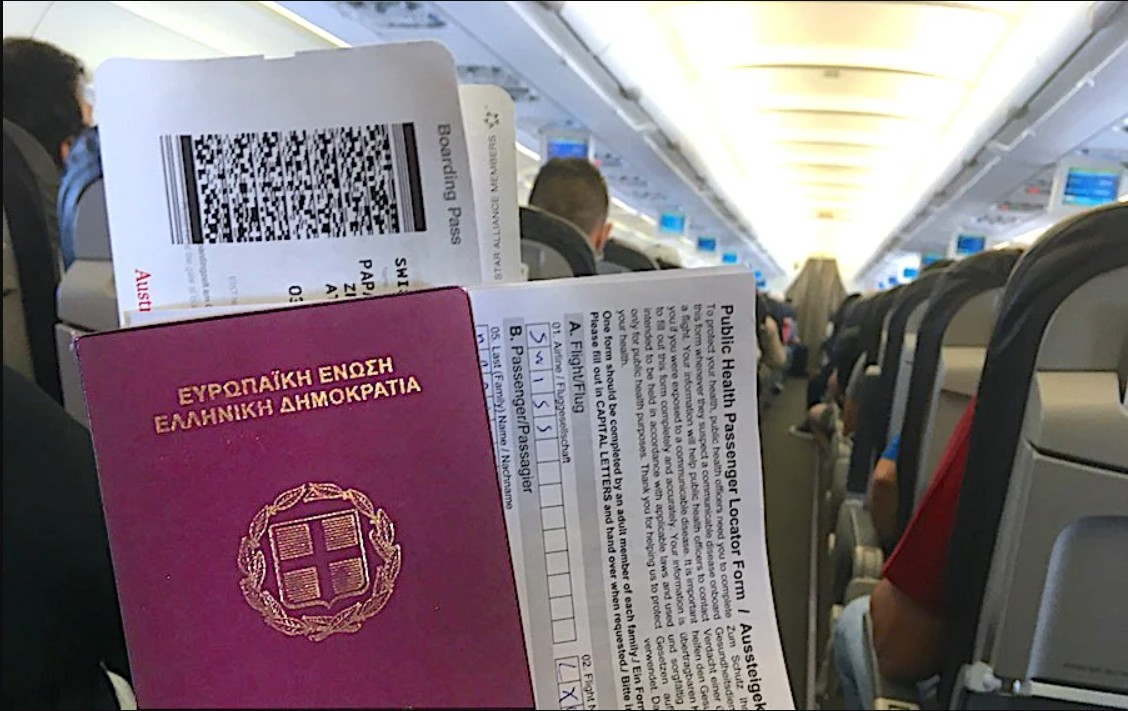
Foreign buyers normally need an AFM tax number before purchasing property in Greece.
The AFM is used throughout the Greek financial and administrative system and becomes important not only for property ownership but also for utilities, taxes and many other aspects of daily life.
Many retirees obtain their AFM shortly after arrival as part of a broader relocation strategy.
Understanding the sequence of AFM registration, banking and property acquisition can prevent unnecessary delays.
Lawyers and engineers are not optional
One of the biggest differences between buying property in Greece and buying property in some northern European countries is the importance of independent verification.
Experienced buyers typically work with both a lawyer and an engineer before completing a purchase.
Legal reviews can uncover ownership issues, title concerns or administrative complications. Engineering inspections may reveal unauthorized modifications, structural problems or expensive future repairs.
Retirees should never assume that a beautiful property presentation guarantees a problem-free purchase.
RetirePlan property rule
Never buy a retirement property because it feels perfect during a viewing. Buy only after verifying paperwork, infrastructure, healthcare access and long-term practicality.
Island property versus mainland property
Many retirees dream of owning a home on a Greek island. The reality varies considerably depending on the island.
Large islands such as Crete and Rhodes provide strong year-round infrastructure, healthcare facilities and transportation links. Smaller islands may offer spectacular scenery but more limited services.
Contractors, repairs, specialist healthcare and property maintenance can all become more complicated in remote locations.
Retirees should evaluate island property from a long-term perspective rather than a holiday perspective.
Hidden costs many buyers overlook
The purchase price is only one part of the financial picture.
Buyers frequently underestimate legal fees, taxes, maintenance, renovations, utility upgrades, heating improvements and ongoing ownership costs.
Older properties may require significant work to improve insulation, heating systems or moisture control.
What appears inexpensive initially can become expensive over the first few years of ownership.
Healthcare should influence housing decisions
One of the biggest differences between retirement housing and holiday housing is healthcare access.
A retiree who expects to live in Greece for twenty years should consider hospitals, specialists, pharmacies and emergency services before focusing on views or proximity to beaches.
Locations such as Athens, Thessaloniki, Kalamata, Chania and Heraklion often provide stronger healthcare access than more isolated communities.
The importance of healthcare access usually increases every year after retirement.
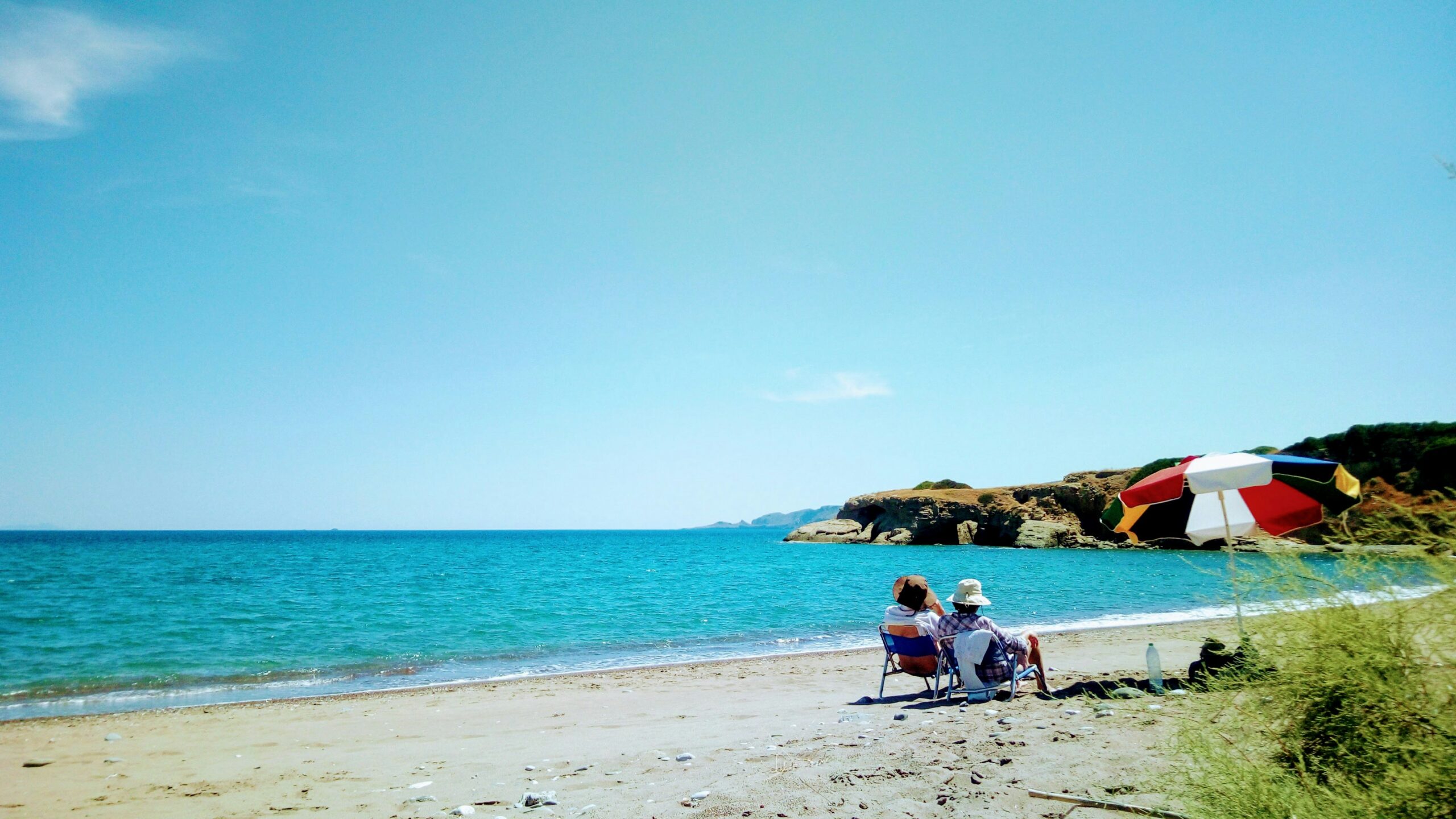
Buying for age 65 versus buying for age 85
Most retirees evaluate properties based on current circumstances.
The more important question is how the property functions twenty years later.
Stairs, steep roads, remote parking, isolated locations and limited services can become increasingly difficult as mobility changes.
Homes located within walking distance of shops, healthcare services and transportation often age far better from a retirement perspective.
Common property mistakes retirees make
- Buying before living in Greece full time.
- Ignoring winter conditions.
- Focusing on views instead of healthcare access.
- Skipping professional inspections.
- Underestimating renovation costs.
- Choosing isolated locations without considering aging.
- Assuming island living remains easy forever.
Best retirement property strategy
Rent first, experience every season, learn local systems and understand your long-term healthcare needs before making a property purchase.
Final thoughts
Greece offers excellent opportunities for retirement property ownership, but successful purchases are usually driven by practicality rather than emotion.
The happiest long-term retirees tend to be those who choose locations that work not only today but also ten or twenty years into the future.
Property can provide stability, comfort and security throughout retirement, but only when it is selected with realistic expectations and careful planning.