Healthcare in Greece for Retirees
Healthcare in Greece for retirees is not mainly about hospital rankings or tourist impressions. The real issue is whether healthcare systems still function comfortably after years of ordinary retirement life, during winter, bureaucracy problems, transportation difficulties and later aging realities.
Many retirees arrive in Greece assuming healthcare will somehow organize itself naturally after the move.
In reality, healthcare in Greece is deeply connected to:
- AMKA registration
- EOPYY systems
- transportation
- pharmacy access
- private insurance
- island logistics
- seasonality
- aging realities
Greece can work extremely well medically for retirees in the right location. Athens and Thessaloniki offer strong private healthcare sectors, modern diagnostics and specialists. But healthcare quality changes dramatically depending on whether you live in:
- a major city
- a Peloponnese town
- Crete
- a tourist island
- a remote mountain village
The retirees who struggle most are often not the sickest retirees. They are usually the retirees who chose locations without thinking seriously about long-term healthcare access after age 75.
Greek healthcare is a mixed public-private system
Many foreign retirees misunderstand Greek healthcare because they expect a simple “public versus private” structure.
In practice, most retirees eventually use a combination of:
- public healthcare systems
- private doctors
- private diagnostics
- pharmacies
- private insurance
The public system is connected heavily to:
- EOPYY
- AMKA
- social insurance structures
Private healthcare is often used because:
- appointments are faster
- English communication may be easier
- specialists are more accessible
- diagnostic waiting times are shorter
Many retirees eventually discover that Greece healthcare works best when they understand how to combine systems instead of relying entirely on one route.
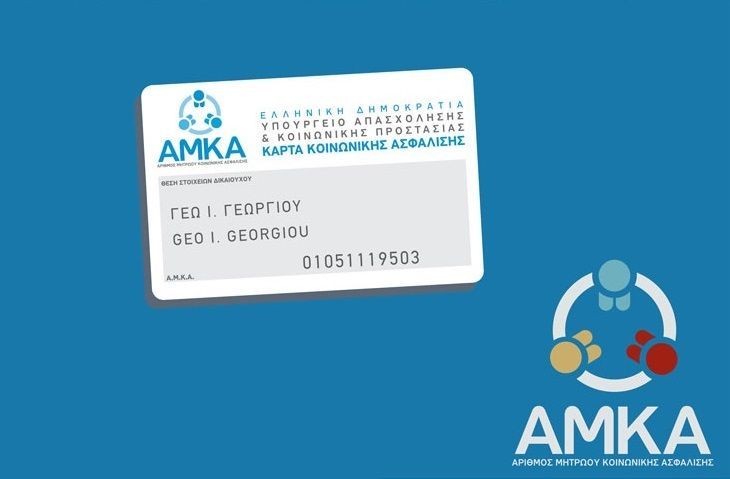
AMKA becomes important surprisingly fast
AMKA is one of the central healthcare identifiers in Greece.
Retirees commonly encounter AMKA during:
- healthcare registration
- prescription systems
- hospital administration
- insurance coordination
- pharmacy systems
Many retirees underestimate how interconnected healthcare becomes with:
- AFM registration
- residency
- insurance status
- digital bureaucracy
Greece healthcare becomes dramatically easier once the administrative systems are stable early in the relocation process.
RetirePlan reality check
In Greece, healthcare stress is often caused more by transportation and bureaucracy problems than by medical quality itself.
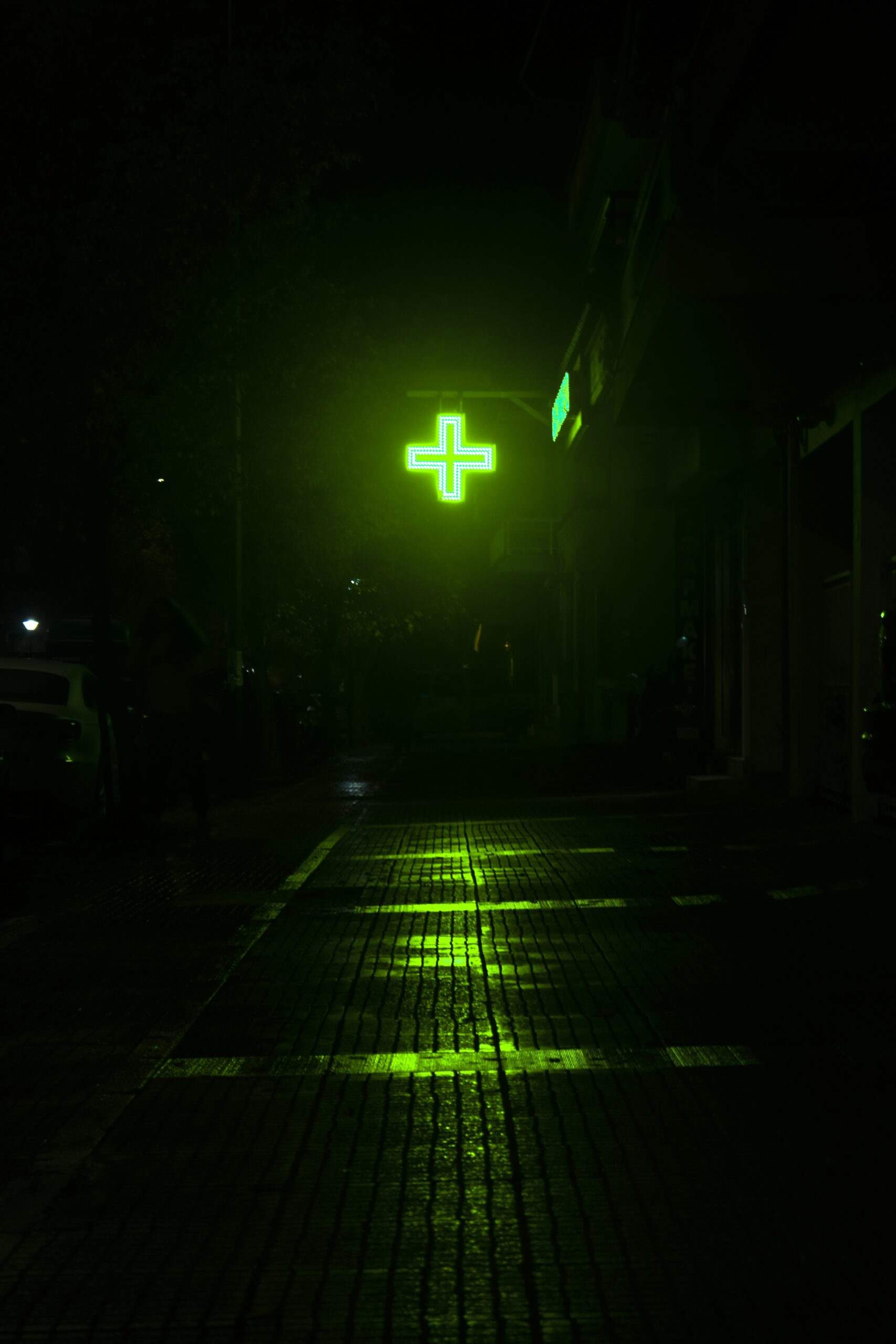
Pharmacies become part of daily retirement life
Greek pharmacies are one of the strongest parts of everyday healthcare life for many retirees.
Local pharmacists frequently help with:
- prescription coordination
- medication availability
- doctor recommendations
- routine medical questions
- understanding local healthcare systems
In smaller towns, retirees often build stronger relationships with pharmacists than with hospitals.
Many experienced retirees eventually choose neighborhoods partly based on:
- pharmacy proximity
- walkability
- easy prescription access
- night pharmacy availability
This becomes increasingly important later in retirement when driving confidence declines.
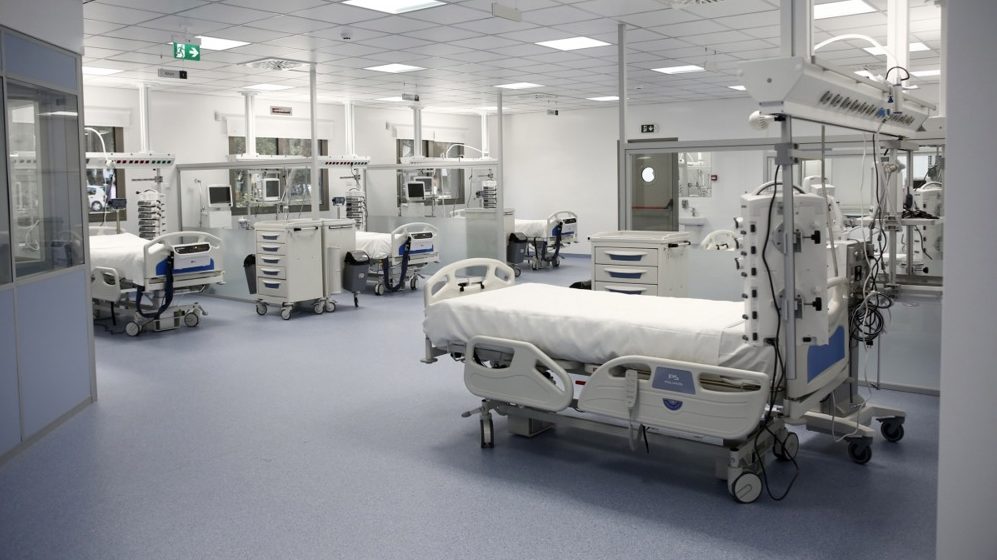
Island healthcare can become complicated later
Many retirees dream about retiring permanently on a Greek island.
Some islands work extremely well medically. Others become much harder later in life.
Common island healthcare problems include:
- limited specialists
- seasonal staffing
- ferry dependence
- reduced winter schedules
- hospital transfers
- ambulance delays
During summer, healthcare systems may become overloaded by tourism.
During winter, retirees may face:
- storms
- ferry cancellations
- reduced services
- social isolation
Some retirees quietly relocate back to mainland Greece later because healthcare logistics become exhausting with age.
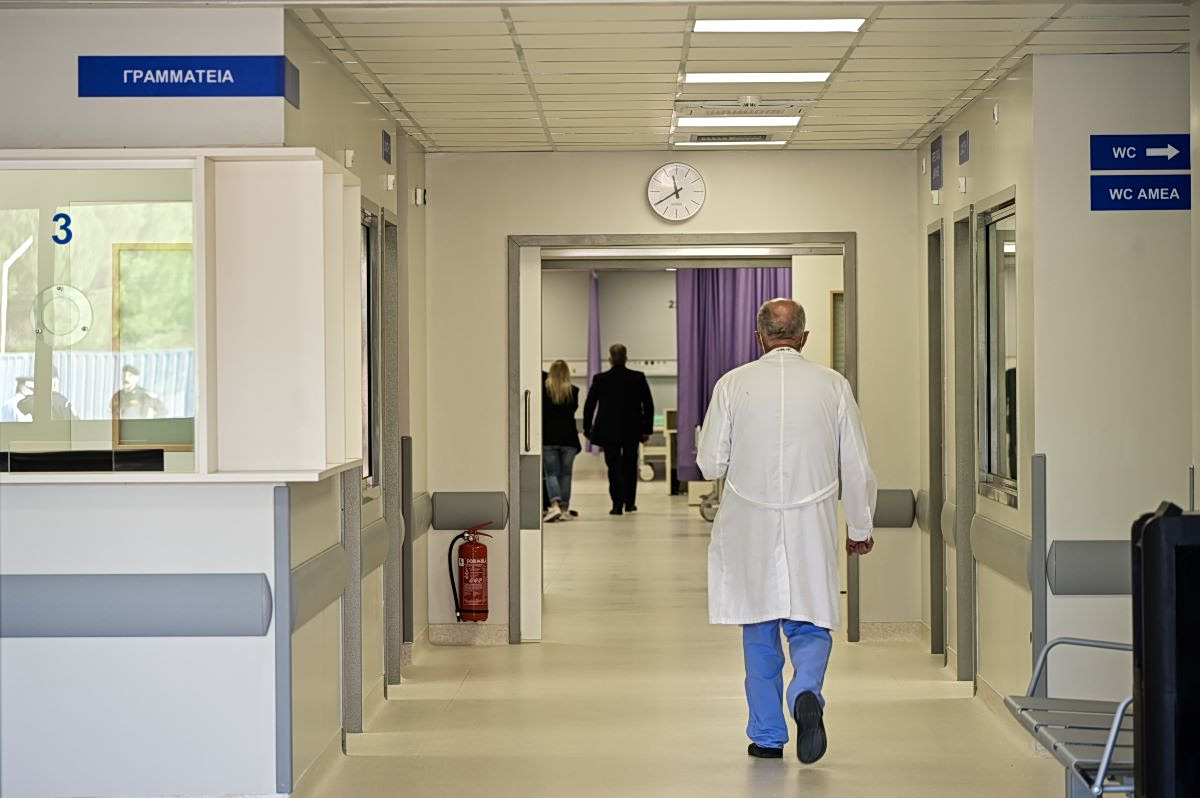
Private healthcare is often more affordable than retirees expect
One reason many retirees feel comfortable in Greece is that private healthcare costs can be significantly lower than in some Northern European or American systems.
Common examples retirees report include:
- private specialist visits around €50–€120
- private MRI or diagnostic tests often cheaper than expected
- cash-pay consultations available quickly
Costs vary heavily depending on:
- city
- clinic quality
- specialization
- insurance structure
Many retirees combine:
- public eligibility
- private diagnostics
- private specialists
- local pharmacies
to create faster and more flexible healthcare routines.
Transportation becomes a healthcare issue later
Many retirees evaluate healthcare quality only by looking at hospitals.
In practice, transportation often matters just as much.
Questions retirees should ask:
- Can I reach a hospital without driving?
- How reliable are taxis?
- What happens during storms?
- Can ambulances reach this area easily?
- Will steep hills become difficult later?
Some beautiful retirement locations slowly become emotionally exhausting because every healthcare appointment requires:
- long driving
- ferry coordination
- parking stress
- high summer congestion
August and winter change healthcare reality dramatically
Many retirees judge Greece healthcare during ideal spring or early-summer visits.
Real healthcare life changes heavily by season.
During August:
- tourism overloads systems
- appointments become slower
- traffic increases dramatically
- doctors may disappear on holiday
During winter:
- ferry schedules reduce
- humidity and cold become visible
- social isolation increases
- transport resilience becomes critical
The strongest retirees test healthcare systems during ordinary winter periods before committing permanently.

The strongest retirees build healthcare systems early
The retirees who cope best long term usually organize:
- AMKA early
- medical records
- pharmacy relationships
- transport backup systems
- private insurance if needed
- specialist networks
- prescription continuity
Greece works best when healthcare systems become stable before emergencies appear rather than during crises.
Practical healthcare checklist for retirees
- Organize AMKA and healthcare registration early.
- Test healthcare systems personally before buying property.
- Research specialists near your exact location.
- Think seriously about healthcare after age 75.
- Prioritize walkability and pharmacy access.
- Check ambulance and transport realities during winter.
- Keep digital and paper medical records.
- Build local pharmacy relationships before emergencies happen.