What Makes a French Town Easy to Live In?
Some French towns feel beautiful during holidays but difficult during daily life. Others quietly support a much easier and more sustainable retirement lifestyle through walkability, transportation, healthcare access and practical everyday convenience.
The easiest French towns to live in are rarely defined by luxury or prestige alone. They usually succeed because ordinary daily life works smoothly: groceries are nearby, healthcare is reachable, transportation is practical and the town still feels alive outside tourist season.
Many people choose retirement locations emotionally. They fall in love with scenery, weather, architecture or low property prices. But long-term happiness in France usually depends more on practical systems than postcard beauty.
A town becomes easy to live in when ordinary life feels simple rather than exhausting. The best retirement locations reduce friction instead of constantly creating new logistical problems.
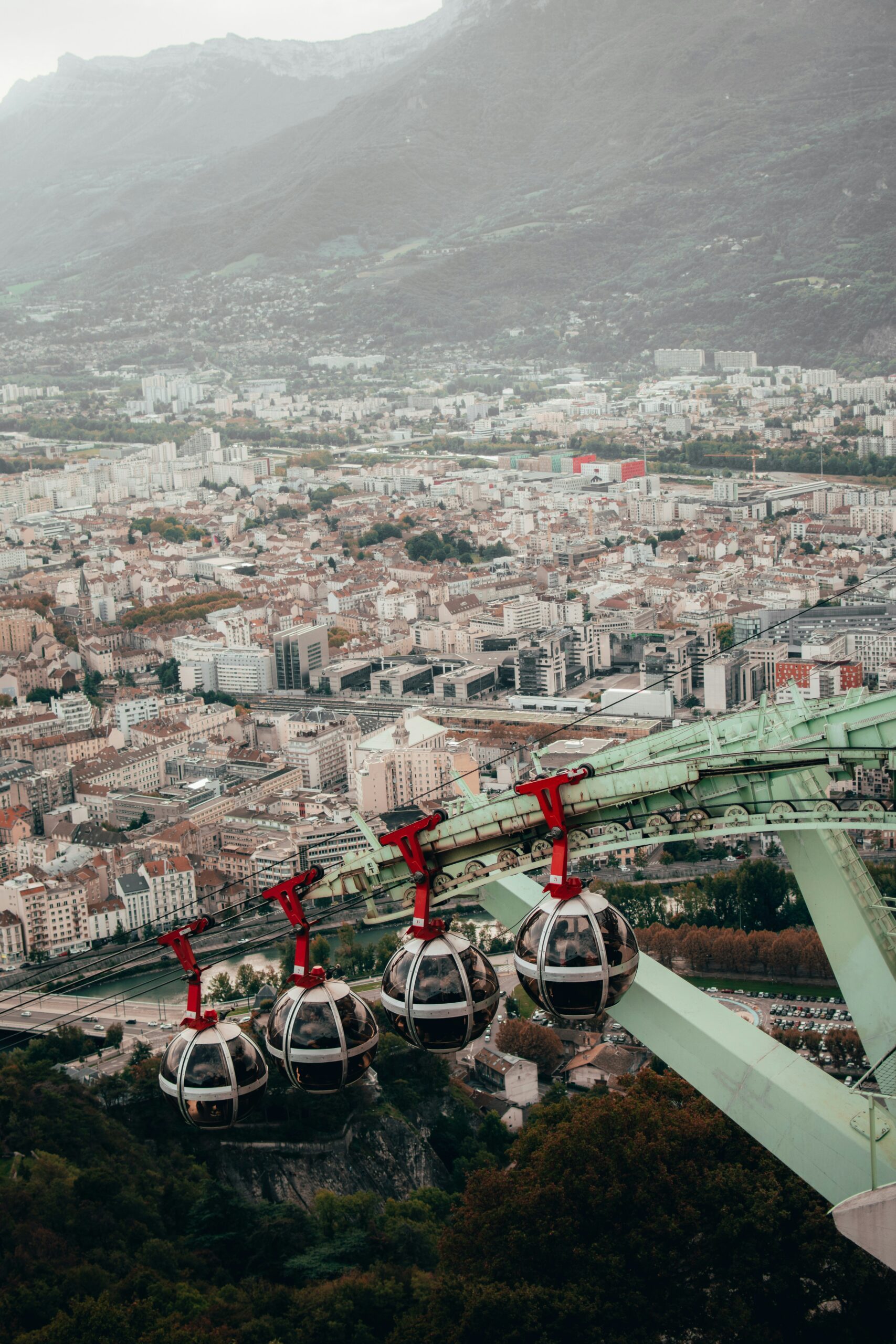
Walkability Matters More Than Many Expect
Walkability is one of the biggest quality-of-life factors in France, especially after the excitement of relocation fades.
A walkable town usually means:
- grocery stores nearby
- cafés and bakeries within walking distance
- less dependence on driving
- easier social routines
- reduced daily stress
- better transportation flexibility
Many retirees underestimate how much energy constant driving consumes over time. A town where errands can be handled on foot often feels dramatically easier to live in long term.
Healthcare Access Changes Everything
Healthcare quality in France is generally strong, but practical access matters just as much as the national system itself.
Easy towns usually provide:
- nearby pharmacies
- reasonable doctor access
- regional hospitals within practical distance
- transportation options for appointments
- less stressful healthcare logistics
This is not about creating an “elderly mindset.” It is about building a retirement setup that still feels practical after several years abroad.
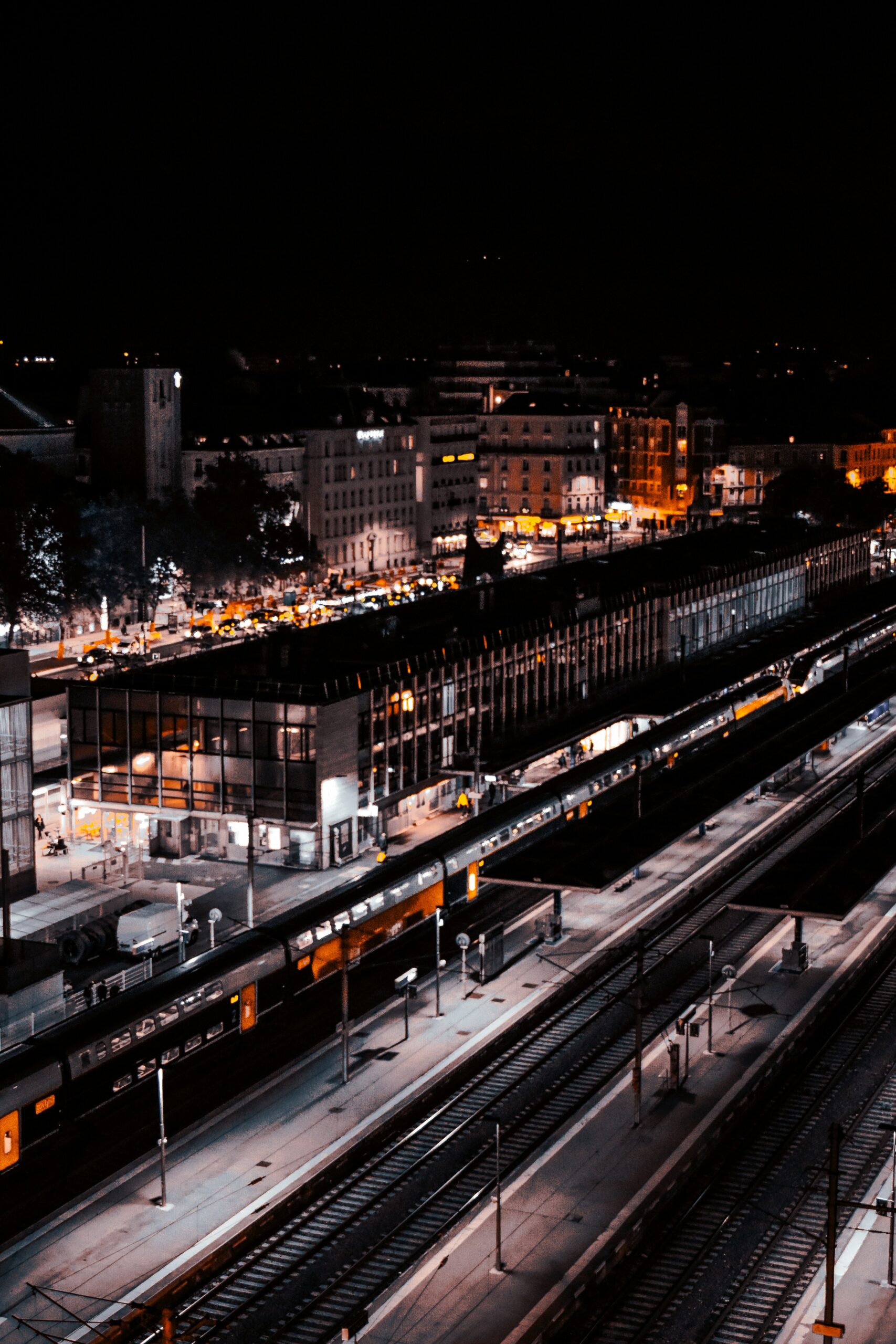
Transportation Is Part of Daily Freedom
A French town becomes easier to live in when transportation options exist beyond the car.
Useful transportation can include:
- regional trains
- bus systems
- walkable stations
- nearby airports
- easy connections to larger cities
Many retirees initially believe they will always drive comfortably everywhere. Over time, transportation flexibility becomes much more valuable than expected.
Seasonality Can Completely Change a Town
Some French towns feel lively and social during summer but quiet and isolated during winter.
Before choosing a location, retirees should consider:
- off-season population
- winter activity levels
- year-round healthcare access
- restaurant and shop closures
- weather exposure
- transportation reliability outside tourist season
Towns that remain functional year-round are usually easier emotionally and practically over long retirement periods.
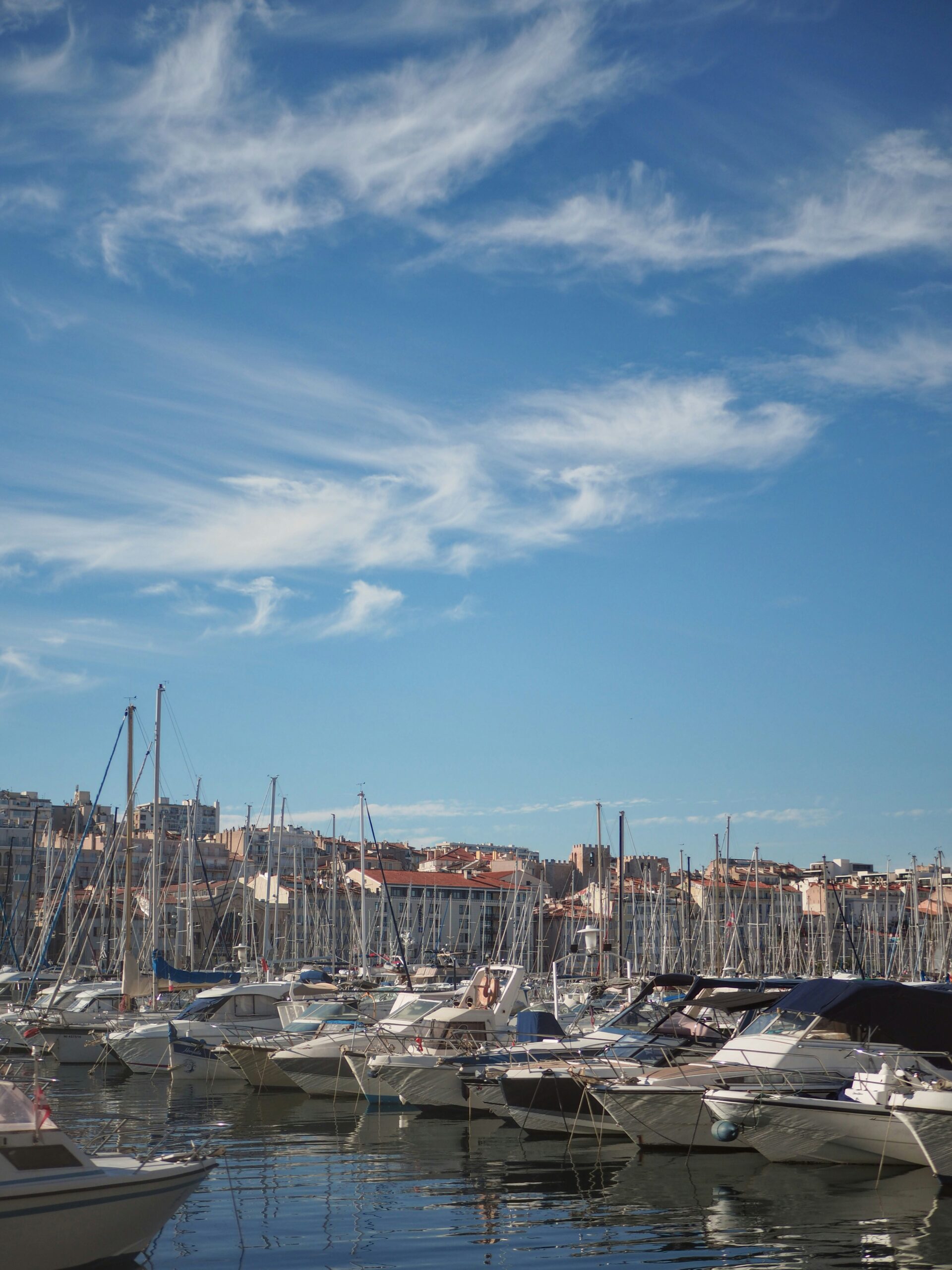
Social Rhythm Matters More Than Prestige
Some retirees focus heavily on famous destinations. But the easiest towns to live in are often places with a comfortable daily rhythm rather than international prestige.
Good signs include:
- active local markets
- busy cafés
- people walking daily
- mixed age groups
- year-round community activity
- social interaction outside tourism
In practice, retirement happiness often grows through small repeated routines rather than spectacular scenery alone.
Housing Type Also Changes Daily Life
Many retirees focus heavily on the house itself while ignoring how the housing type affects daily effort.
Easier retirement setups often include:
- manageable maintenance
- good insulation
- easy parking access
- reasonable stairs and hills
- close services
- less dependence on constant repairs
Sometimes a smaller apartment in a walkable town creates a much easier lifestyle than a large countryside property requiring constant upkeep.
Questions to Ask Before Choosing a Town
Before relocating, it helps to evaluate towns through practical daily routines rather than emotional reactions.
Testing ordinary daily life before buying property is one of the smartest things future retirees can do.
Final Thoughts
The easiest French towns to live in are usually not defined by prestige, luxury or dramatic scenery alone. They succeed because they quietly support comfortable daily life year after year.
Successful retirement towns usually combine:
- walkability
- healthcare access
- good transportation
- manageable housing
- stable social rhythm
- practical infrastructure
The strongest retirement decisions are often not about finding the “most beautiful” place. They are about finding the place where ordinary life feels easiest and most sustainable long term.