Public Transportation in France for Retirees
France can be excellent for retirees who want to reduce driving, but the reality depends heavily on location. Trains, buses, trams and walkability can support a very good retirement life in the right town — or become a serious limitation in the wrong village.
Public transportation is not just a lifestyle detail in retirement. It affects healthcare access, social life, grocery shopping, independence, property choice and whether a location still works when driving becomes difficult.
Public transportation in France can be one of the biggest advantages of retiring there, especially if you choose a town with a train station, reliable buses, walkable services and healthcare access nearby. But it is also one of the easiest areas to misunderstand.
France has excellent national rail connections, strong transport in many cities and useful regional networks. At the same time, rural France can be extremely car-dependent. A retiree living near central Toulouse, Bordeaux, Nantes or Strasbourg may use a car only occasionally. A retiree in an isolated hamlet may need a car for groceries, doctors, pharmacies, social life and every administrative appointment.
Can Retirees Live in France Without a Car?
Yes, but only in the right locations. Many retirees can live comfortably in France without owning a car if they choose a walkable town or city with practical daily services nearby.
This usually means having the following within realistic reach:
- a pharmacy within walking distance
- a supermarket or food market nearby
- a train station with usable regional connections
- regular local buses or trams
- medical offices, labs or clinics reachable without complicated transfers
- daily cafés, shops and social routines that do not depend on driving
The problem is that many beautiful French places look ideal during a short visit. A village square, stone houses and countryside views may feel perfect in May. But daily retirement life in November, with rain, shorter days, no evening buses and a medical appointment 35 kilometers away, can feel very different.
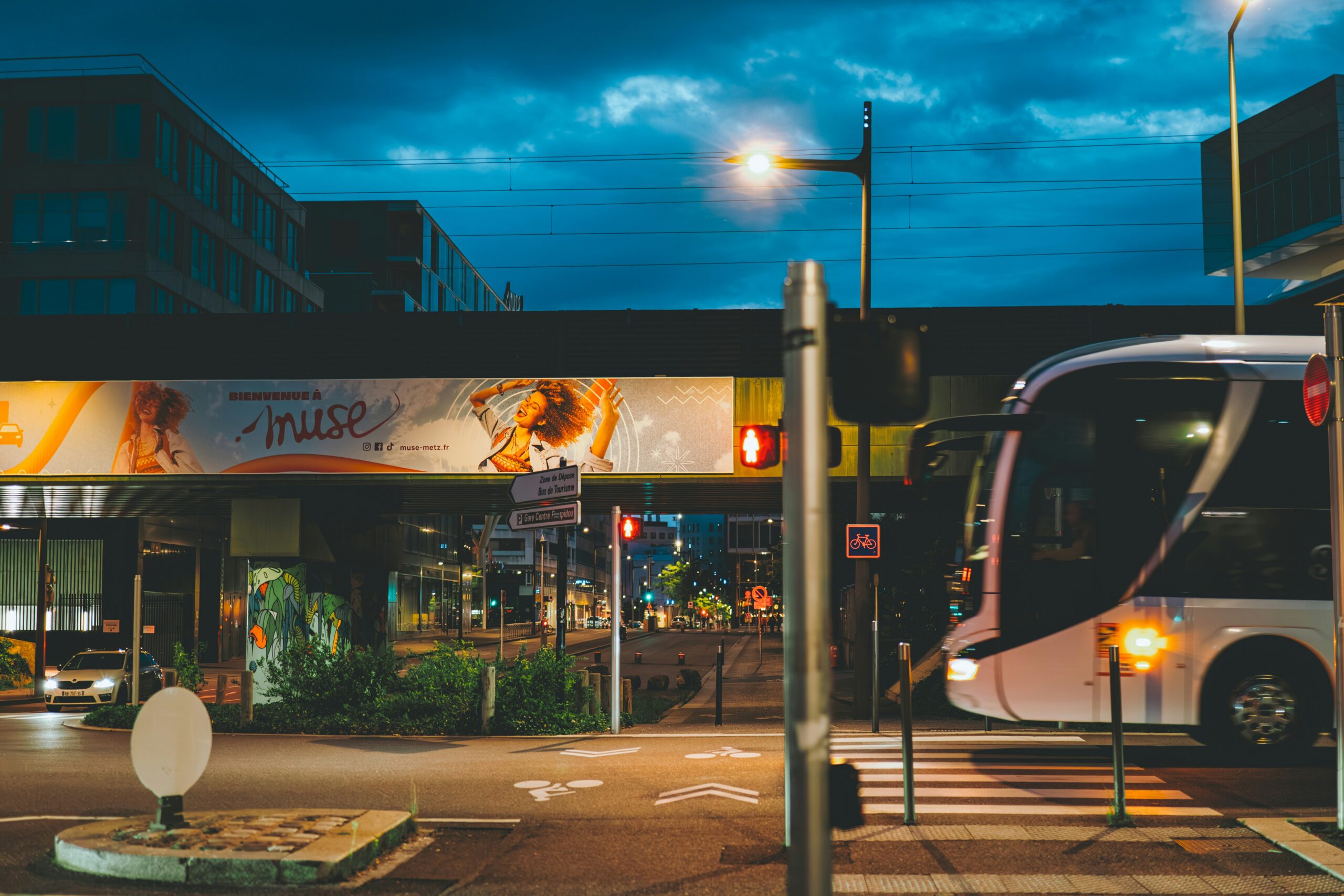
French Trains: Very Useful, But Not Enough by Themselves
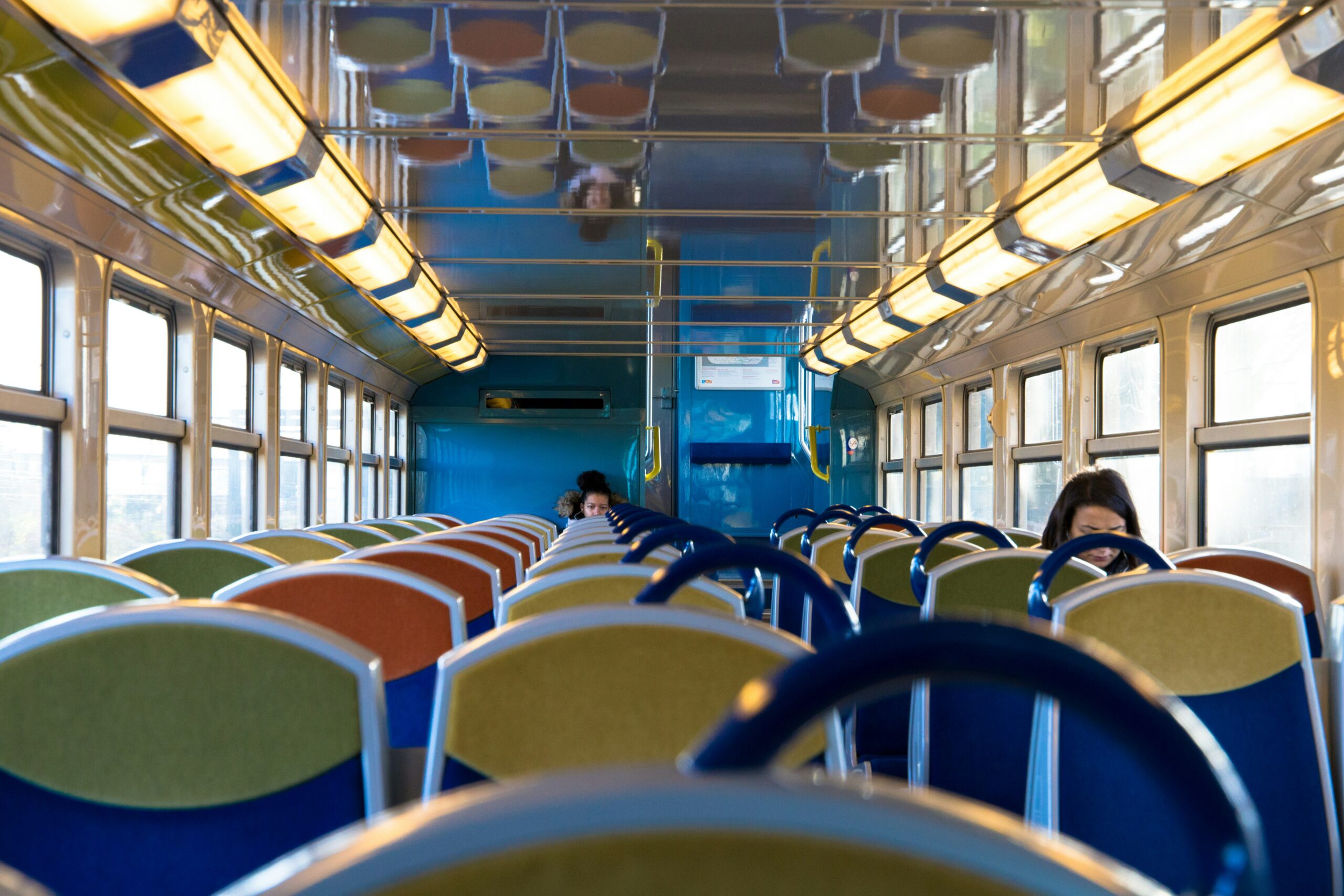
France’s train system is one of the main reasons some retirees can reduce driving. High-speed TGV routes connect major cities, while TER regional trains connect many smaller towns and cities.
For retirees, trains are especially useful for:
- specialist medical appointments in larger cities
- airport access without long-distance driving
- visiting family or friends elsewhere in France
- weekend travel after giving up long drives
- avoiding stressful motorway driving and toll roads
The trap is assuming that “near a station” automatically means practical. Some small stations have limited schedules, poor weekend service, few direct connections or platforms that are awkward with luggage, mobility issues or bad weather.
Buses, Trams and Daily Retirement Life
Larger French cities and many regional centers have strong local transport systems. Trams and buses can make daily life much easier, especially when parking is difficult or when driving becomes tiring.
Retirees often benefit most from public transportation when it supports ordinary routines rather than tourist travel. The most useful routes are usually not scenic routes. They are the routes that reach supermarkets, medical labs, hospitals, pharmacies, train stations and town centers.
This is why cities such as Toulouse, Bordeaux, Nantes, Strasbourg, Montpellier, Rennes and Lyon can work well for some retirees. They combine transport, healthcare, cafés, shops and social opportunities in a way that isolated countryside areas often cannot.
- Trams reduce the need for city driving.
- Buses support local errands and appointments.
- Walkable centers reduce isolation.
- Integrated ticket systems make daily travel easier.
- Transport access can help retirees remain independent longer.
Rural France: Where Public Transportation Often Breaks Down
Rural France is where transportation planning becomes serious. Some retirees move to rural France for space, silence and lower property prices, then discover later that almost every part of life depends on driving.
Common problems include:
- very limited bus schedules
- no evening or weekend public transport
- medical appointments requiring long drives
- scarce taxis outside larger towns
- dependence on neighbors for lifts
- difficulty reaching train stations without a car
- shopping trips that become physically tiring with age
This does not mean rural France is a bad retirement choice. It means it should be chosen with eyes open. A rural house may be wonderful at 62 and problematic at 78 if the nearest clinic, supermarket and social life all require driving.
Healthcare Access Is the Real Transport Test
Transportation in retirement is not just about sightseeing or getting to cafés. The real test is healthcare access.
Before choosing a location in France, retirees should ask:
- Can I reach a GP without driving?
- How do I get to a hospital for tests or specialist appointments?
- Is there a pharmacy I can reach on foot?
- Can I manage prescriptions if I am sick or temporarily unable to drive?
- Would this location still work after surgery, reduced mobility or widowhood?
- Can emergency help find the property easily?
Some retirees only discover this after moving. The house is affordable, the scenery is beautiful, but routine healthcare becomes stressful because every appointment requires coordination, driving or paid transport.
Senior Discounts and Rail Cards in France
Retirees may be able to reduce transportation costs through rail cards, regional passes or local senior fares. These vary by age, region, operator and type of journey.
The important practical point is that France does not operate as one simple national local-transport system. A discount that exists in one region or city may not apply in another. A retiree moving from one region to another may need to relearn local transport rules, subscriptions and ticket systems.
When comparing places, do not only ask whether senior discounts exist. Ask whether the routes are frequent enough to matter. A cheap bus pass is not useful if the bus does not run when you need it.
One-Car Retirement vs No-Car Retirement
For many couples, the most realistic setup is not “no car at all” but “one car plus good public transport.” This can reduce costs and stress while preserving flexibility.
A one-car setup can work well when:
- daily errands can be done on foot or by tram
- one partner drives less over time
- the car is mainly used for larger shopping trips or rural outings
- healthcare and administration are reachable by public transport
- the home is not isolated from town services
No-car retirement is more demanding. It usually requires a more urban or town-center location, a realistic attitude toward smaller housing and a willingness to prioritize convenience over scenery.
How to Test a French Location Before Moving
A good transport test is simple: pretend you cannot drive for two weeks.
Then check whether you can still manage:
- grocery shopping
- pharmacy visits
- medical appointments
- train station access
- social activities
- administrative appointments
- bad weather days
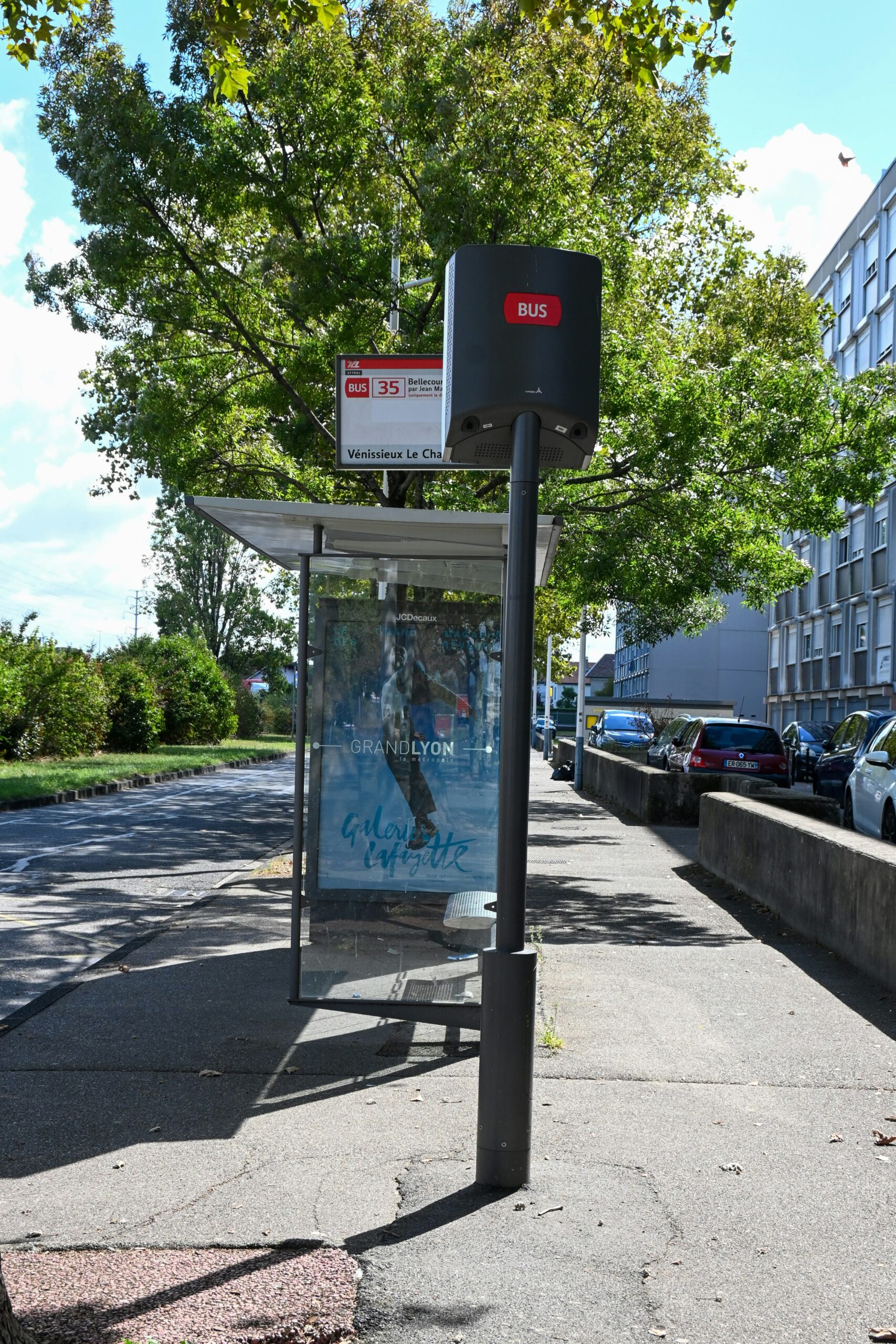
Also test the actual routes, not just the map. A bus stop 400 meters away may look convenient until you realize there is no shelter, the pavement is uneven, the route does not run on Sundays or the return journey requires a long wait.
Final Thoughts
Public transportation in France can make retirement easier, cheaper and less stressful — but only when it is part of a realistic location choice.
The strongest retirement locations are often not the cheapest or most romantic places. They are the places where transport, healthcare, housing, shops and social life still work when driving becomes less comfortable.
For many retirees, the best long-term answer is a walkable French town or medium-sized city with strong regional rail access, local buses or trams, nearby healthcare and enough daily life within reach. That kind of planning can protect independence much better than a large house in an isolated village.