Noise Levels and Quiet Living in Spain for Retirees
Many retirees move to Spain expecting sunshine, cafés and relaxed Mediterranean living. Spain can absolutely offer that, but daily noise levels depend heavily on the exact building, street, season and neighbourhood culture.
The quietest-looking apartment during a winter viewing can feel completely different during summer tourism, local fiestas, weekend terrace life or a long stretch of renovation work nearby.
Noise is one of the practical details retirees often underestimate before moving to Spain. A lively street can feel wonderful during a holiday and exhausting when it affects sleep, concentration, health routines or the ability to keep windows open during hot weather.
Use the Spain Move Planner before choosing a long-term home. It helps connect noise, housing quality, walkability, healthcare access, transport, utilities and first-year setup in one practical relocation checklist.
Spain can feel social, lively and louder than expected
Retirees coming from northern Europe, Canada, rural areas or quieter suburbs often notice that Spain has a more outdoor, social and late-evening rhythm. Cafés stay active, children may play outside late, terraces fill after sunset and local streets can remain busy well into the evening.
This is not automatically negative. Many retirees love the public life. The problem starts when a retiree expects a residential street to behave like a quiet northern suburb.
RetirePlan reality check: A “quiet area” in Spain may still include scooters, evening conversations, barking dogs, church bells, children outside and local fiestas.
Planner shortcut: use the Spain Move Planner to test noise, building quality, window position, tourism pressure, walkability and transport before committing to a home.

Better filter: visit the street after dinner, on weekends and during warm evenings before committing.
The biggest noise problems retirees mention
Noise problems in Spain are rarely one single thing. They usually come from a combination of building design, street use, tourism, climate and season.
Older apartments and some coastal blocks may carry voices, televisions, plumbing, elevator noise and furniture movement.
Short-term rentals can mean changing neighbours, late arrivals, suitcase wheels and less predictable building behaviour.
A café below the apartment can feel charming at noon and exhausting during football nights or summer weekends.
Narrow streets can amplify motorbikes, delivery vans, refuse collection and early morning service vehicles.
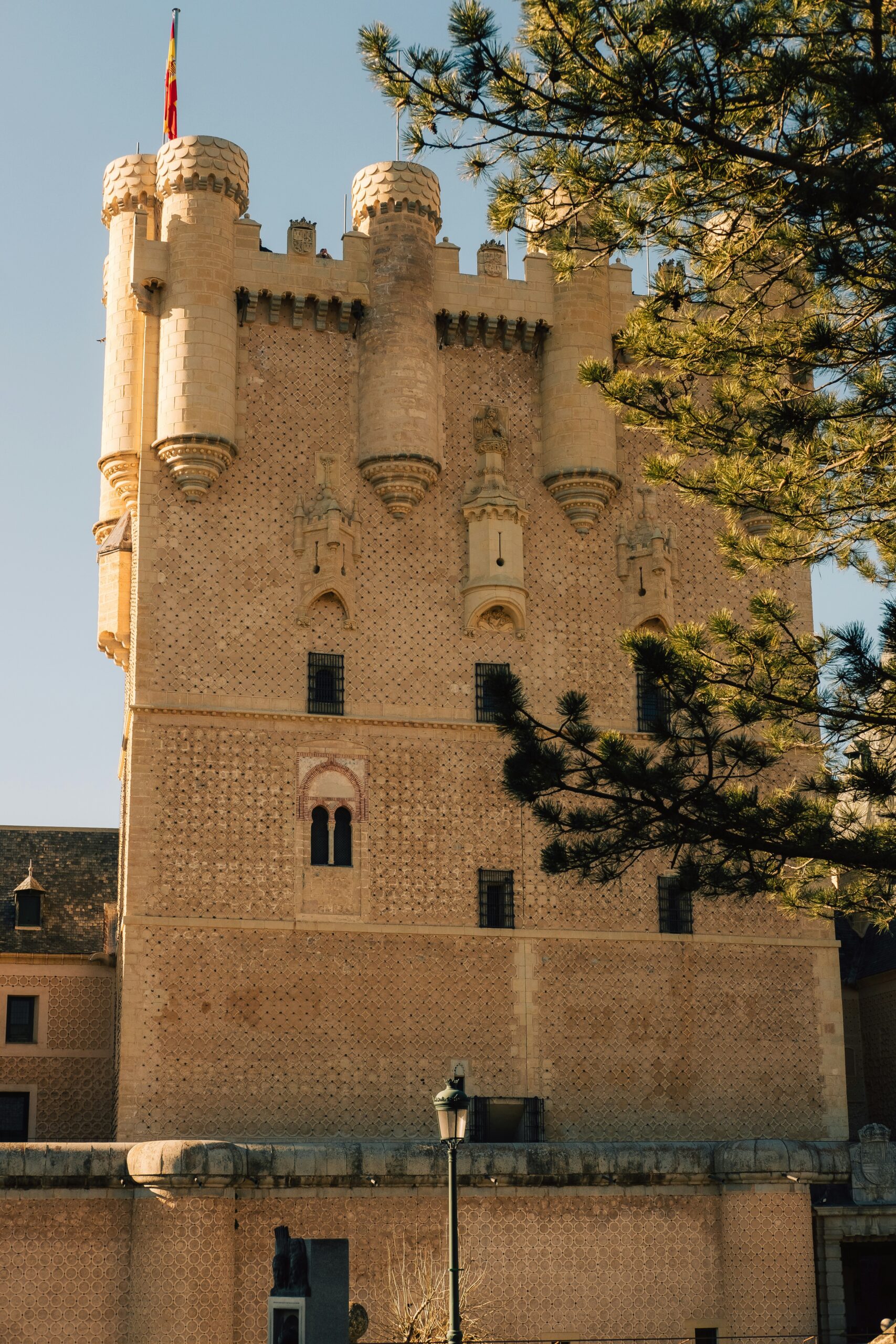
Coastal, inland, rural and city noise patterns
Spain is not one sound environment. Coastal retirement zones, inland towns, rural villages and city neighbourhoods behave differently. Instead of asking whether Spain is noisy, ask what type of noise you can tolerate long term.
Fiestas, fireworks and local celebrations
Spain’s local fiestas are part of the country’s charm, but retirees should understand that they can be loud, late and unavoidable if you live near the main square, procession routes or event areas.
Temporary noise may include fireworks, music, public announcements, parades, crowds, late-night cleanup and road closures. Some retirees love this atmosphere. Others find it stressful when it affects sleep or medical routines.
Ask what the street is like during fiestas, football nights, Easter, summer and local holidays.
Being close to the plaza may be convenient, but it can also mean the loudest nights.
A town can be quiet for most of the year and very loud during specific festival weeks.
Light sleepers should take local celebrations seriously before signing a long lease.

How to test a Spanish neighbourhood before committing
Noise is easier to avoid before signing than to fix afterwards. The best strategy is to test the exact building, not just the town.
Evening terraces, scooters and neighbour routines are often invisible during daytime viewings.
Friday and Saturday can show a very different version of the same street.
Many coastal towns behave completely differently during July and August.
Test the quietest room, windows open and closed, at the time you would actually sleep.
Frequent guest turnover can change building atmosphere more than permanent neighbours do.
Echoing stairwells, heavy doors, elevators and tiled corridors can amplify daily noise.
Best practical move: rent first if you are unsure. A full season in the area tells you far more than one property viewing.
Planner shortcut: add night visits, weekend checks, summer tourism, bedroom noise, glazing, short-term rentals and transport backup to the Spain Move Planner before buying or signing long term.
Quiet living often means practical compromise
The quietest place is not always the best retirement place. Rural silence can mean driving dependence, weaker healthcare access, fewer taxis, fewer pharmacies and more isolation later in life.
Many retirees eventually prefer a balanced setup: a residential neighbourhood near services, away from nightlife, with good windows, walkability and enough local activity to avoid feeling isolated.

Final thoughts on quiet living in Spain
Spain can be a wonderful country for retirees who want sun, public life, cafés, outdoor routines and relaxed daily rhythm. But quiet living requires deliberate choices.
Do not judge a Spanish property only by the view, price or daytime atmosphere. Test the street, the building, the bedroom, the summer season, the weekend rhythm and the distance from nightlife or short-term rentals.
Quiet living works best when it is treated as part of the full Spain relocation chain. Use the Spain Move Planner to connect noise, housing quality, healthcare access, walkability, transport, utilities and first-year setup before a beautiful property becomes a daily irritation.