Public Transportation in Spain for Retirees
Spain can be one of Europe’s easiest countries for car-light retirement, but only in the right location. Metro systems, Renfe trains, buses, regional cards, airport transfers and senior discounts work differently depending on the city, region and daily routes you actually need.
The real question is not whether Spain has public transport. It is whether groceries, healthcare, pharmacies, airport trips and social routines still work comfortably if driving becomes tiring or impossible later in retirement.
Public transportation in Spain can support a strong retirement lifestyle in Madrid, Barcelona, Valencia, Bilbao, Málaga and many regional cities. But the system is local and regional, not one single national experience. A city visit using tourist tickets is very different from permanent retirement with medical appointments, grocery routines, airport transfers and mobility changes over 10–20 years.
Use the Spain Move Planner before choosing a car-light location. It helps connect public transport, healthcare routes, pharmacy access, airport transfers, walkability, housing, utility setup, banking, documents and first-year relocation tasks in one practical checklist.
The transportation question retirees should actually ask
Most retirees ask whether a city has buses, trains or metro lines. That is the wrong first filter. The better question is whether the transport system supports ordinary retirement life without turning every errand into a project.
A place can feel easy during a week-long holiday but become frustrating when you need prescriptions, hospital appointments, regional travel, family airport pickups, summer heat planning and daily shopping without a car.
RetirePlan reality check: Spain can be excellent for car-light retirement, but only if the exact neighborhood, routes and healthcare access work in ordinary weekly life.
Turn route testing into relocation planning: use the Spain Move Planner to check pharmacy, hospital, groceries, airport, bank and daily-errand routes before choosing the area.
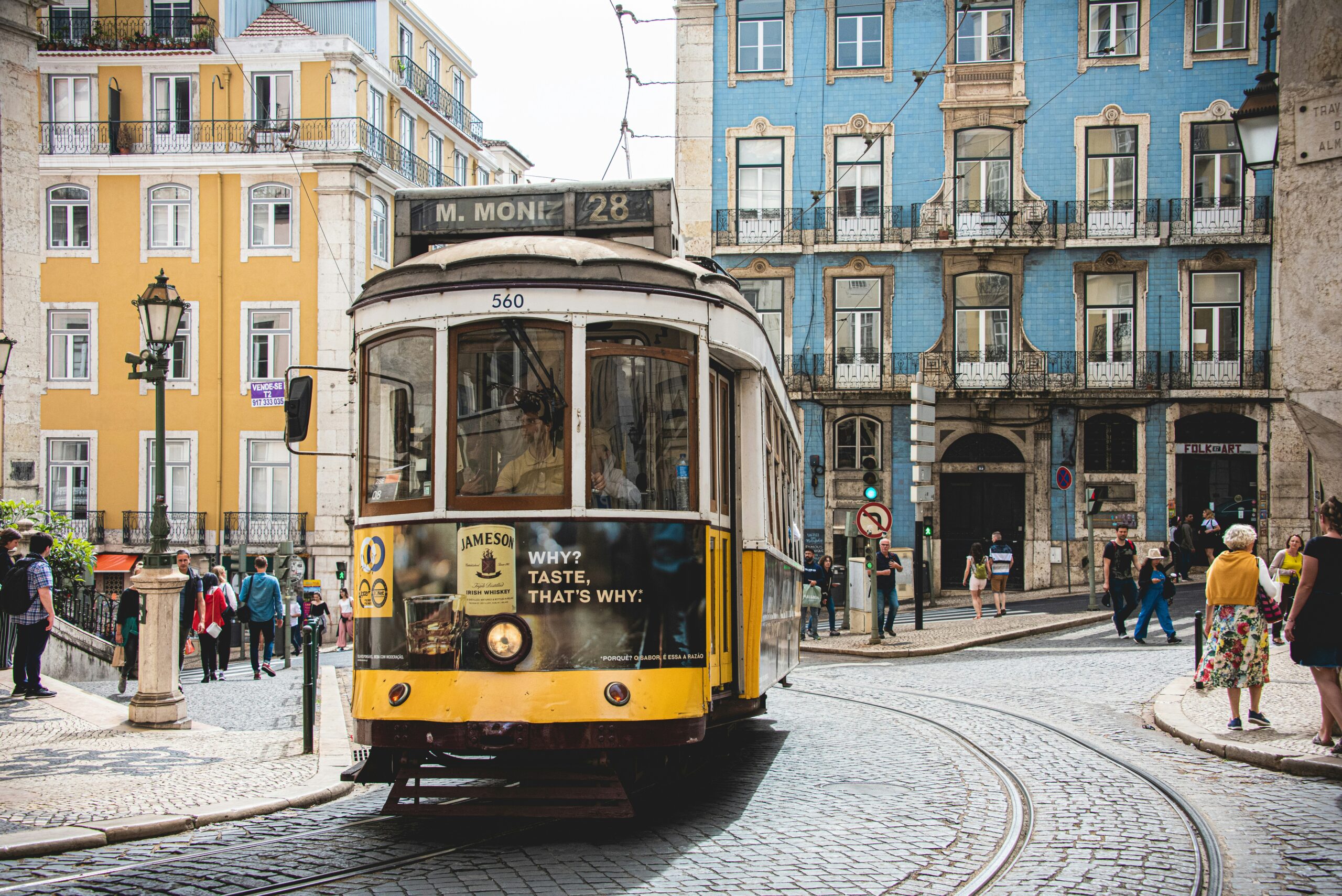
Better test: try one full day of errands without using a car before choosing the area.
How public transportation actually works in Spain
Spain does not have one simple local transport system. Long-distance trains may be national, but daily transport is usually city-based or regional. A retiree who learns the system in Valencia may need to relearn ticket cards, apps, zones and discounts after moving to Málaga or Madrid.
Strong in major cities, especially where housing is near useful stops.
Good in many cities, weaker in rural or low-density areas.
Very useful around larger cities if schedules fit daily life.
Discounts, reload rules and zones differ by location.
Local systems matter: add transport cards, regional routes, healthcare stops and airport links to the Spain Move Planner for the city you are actually considering.
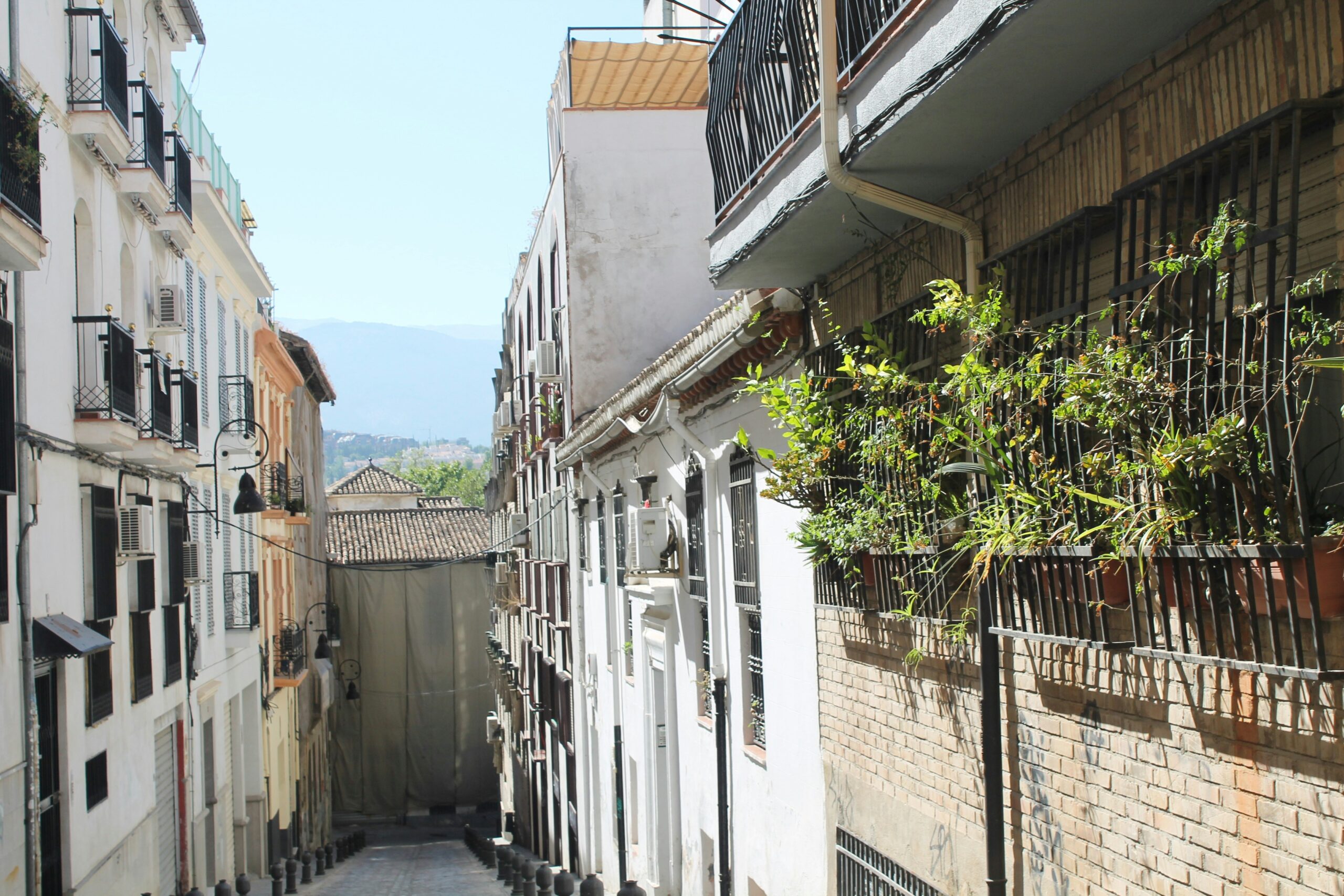
Renfe, AVE, Cercanías and regional travel
Spain’s rail system is one of the main reasons many retirees can reduce long-distance driving. But different rail systems solve different problems.
Practical move: test the exact train route you expect to use for hospitals, airports and family visits before deciding where to live.
Route log: save rail, airport and hospital test routes in the Spain Move Planner so location choices are based on real journeys, not assumptions.
Tickets, apps, cards and senior discounts
Many retirees expect Spanish public transportation to become automatically cheap or simple after a certain age. In practice, benefits depend on the municipality, region, age, residency status, local registration and sometimes income or documentation.
Ticket systems can also be confusing at first. Tourist tickets may be easy for a short stay, but resident life usually involves rechargeable cards, zones, apps, regional passes and occasional paper tickets.
Check whether you need NIE, residency, empadronamiento or a local card.
Check zones, airport supplements and the cost of frequent regional travel.
Make sure the app accepts your phone, card and language comfort level.
Know how to buy tickets if your phone battery, app or bank card fails.
Setup detail: use the Spain Move Planner to track which transport cards, apps, local registration and payment methods you need in your chosen city.
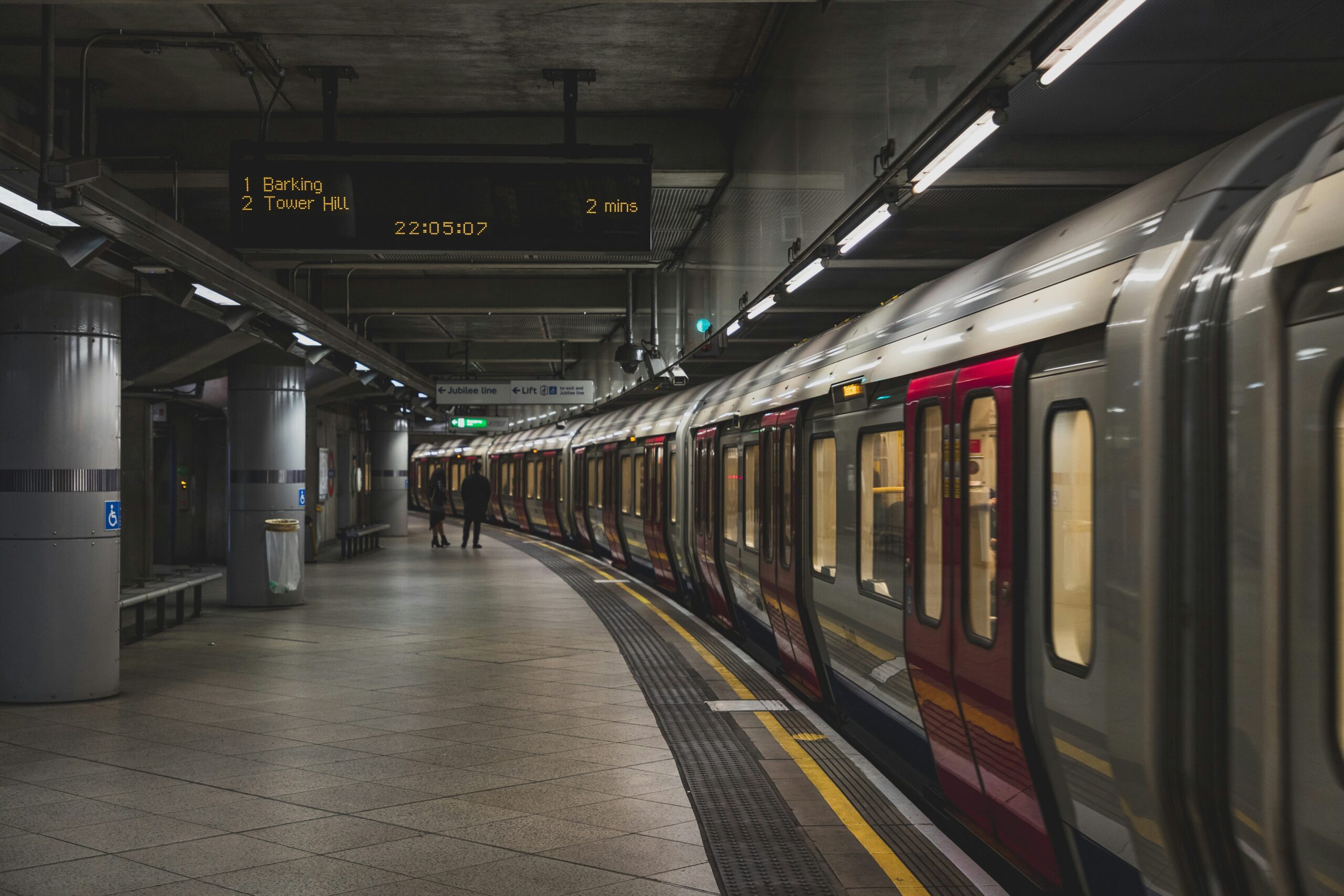
Car-free retirement works in the right places
Yes, retirees can live in Spain without a car. But car-free retirement usually requires a deliberate location choice rather than simply choosing a beautiful property.
Healthcare access is the real transport test
Transportation and healthcare should be evaluated together. A retirement location may feel attractive until you need repeated hospital visits, diagnostic tests, pharmacy refills or specialist appointments without comfortable driving.
Check the actual journey, not just distance on a map.
Make sure medication pickup does not require a car every time.
Check reduced schedules, holidays and emergency pharmacy access.
Ask whether the area still works after surgery or if one partner stops driving.
Most common mistake: choosing housing for views or price before testing transport to healthcare.
Healthcare route planning: use the Spain Move Planner to record hospital, pharmacy, urgent-care and specialist routes before choosing a home.

Tourist tickets are not resident life
A common mistake is visiting Málaga, Valencia, Alicante or Madrid with tourist passes, central hotels and light luggage, then assuming daily retirement will feel the same. Resident life is different.
Central routes, short stay, flexible schedule, limited errands, occasional airport transfers.
Prescriptions, hospital appointments, groceries, heat, winter evenings, paperwork and repeat travel.
Hotel area may be walkable, well served and close to attractions.
Your affordable rental may be uphill, outside the zone or poorly connected after 21:00.
Spain transport checklist before choosing a location
Use this as a practical filter before renting long term or buying property.
Before choosing the location: save this checklist in the Spain Move Planner so transport, healthcare, housing, errands and airport access stay connected.
Public transportation in Spain can make retirement easier, cheaper and less car-dependent, but only when the exact routes support healthcare, pharmacies, groceries, airport access and daily routines. Use the Spain Move Planner to test those routes before the location decision becomes permanent.