Greece Retirement Visa Guide
Retiring to Greece is not just about finding a beautiful apartment near the sea. The real challenge is building a legal and practical residency structure that still works years later.
Visa rules, residence permits, AFM, healthcare, banking, insurance and tax systems all connect after arrival.
Greece residency planning is a sequence, not a single application
One of the biggest mistakes foreign retirees make is assuming that moving to Greece is a single event. In practice, Greece involves overlapping systems: visa rules, residence permits, tax residency, AFM registration, banking verification, healthcare access and insurance requirements.
The retirees who struggle most are often not the retirees with the weakest finances. They are the retirees who misunderstand the order in which the systems need to be built.
EU retirees and non-EU retirees follow different systems
The first major distinction is whether you are an EU, EEA or Swiss citizen, or whether you are a non-EU citizen. This changes the starting point completely.
Usually do not need a traditional retirement visa, but still need to handle residence registration, tax systems, healthcare coordination and AFM setup.
Often need a Type D national visa, residence permit, proof of sufficient income, private insurance and a stronger document file.
Many foreigners mix EU free-movement rules with non-EU residence rules and create avoidable planning errors.
Confirm which system applies before signing leases, buying property or moving belongings permanently.
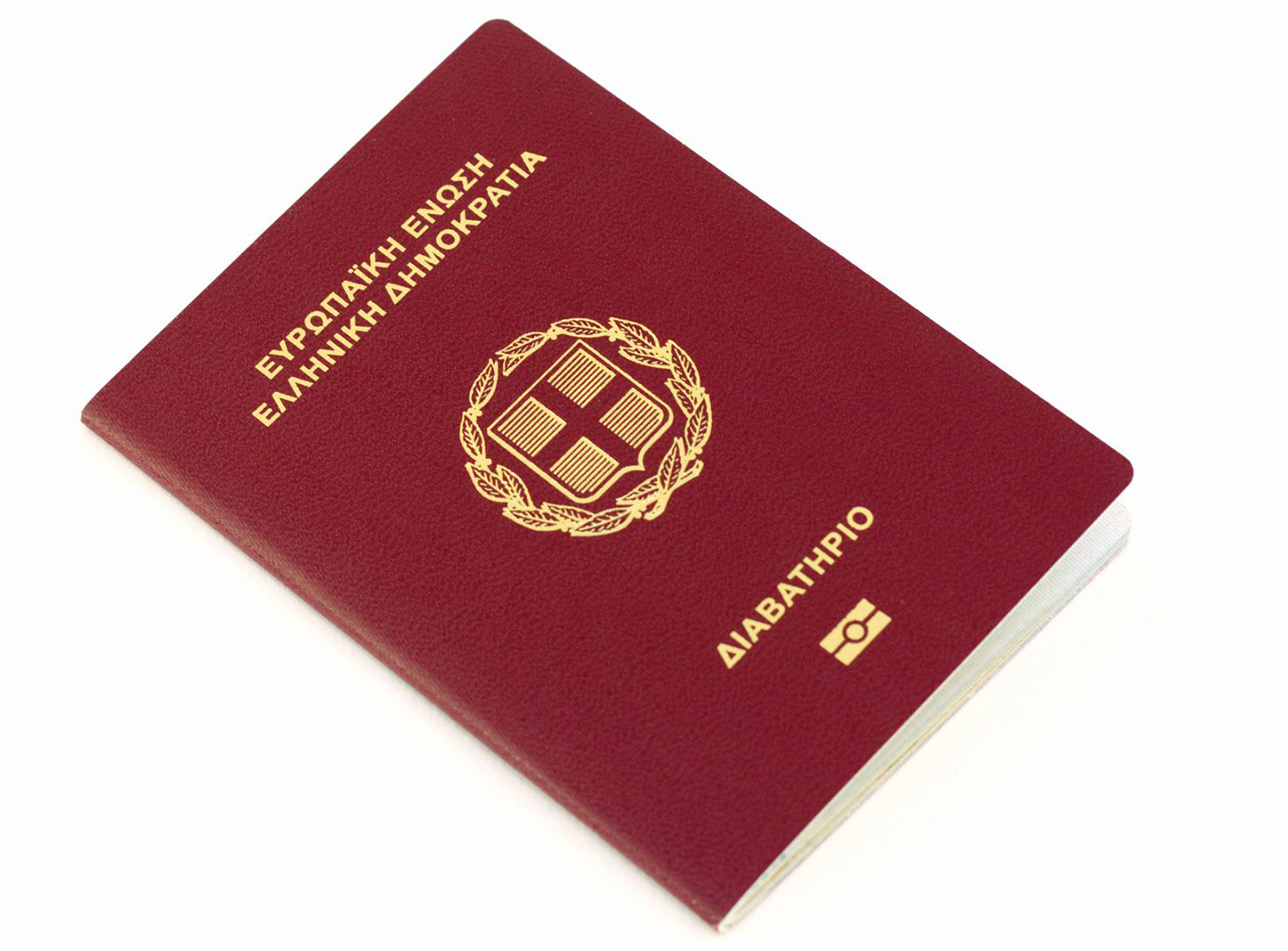
Most non-EU retirees start with a Type D visa

Many non-EU retirees begin through a Greek Type D national visa, usually applied for before permanent arrival through a Greek consulate or embassy.
Timing warning: requirements can vary by nationality, consulate and personal situation. Treat your official consulate checklist as the final document list.
The residence permit matters more than the visa itself
Many retirees focus heavily on the initial visa while underestimating the long-term importance of the Greek residence permit. The visa mainly gets you into the system. Long-term life depends on renewal, tax registration, healthcare access, banking stability and document consistency.
Practical move: build one residency folder with visa documents, residence permit records, AFM, insurance, income proof, healthcare papers and renewal reminders.
Income proof: stable resources matter more than one number
Greece generally expects retirees to prove stable income sufficient to support themselves without depending on the Greek state. The exact interpretation can vary depending on visa category, consulate, family structure, insurance setup and income type.
State and private pensions can be strong evidence when documented clearly.
Investment, rental or other non-work income should be conservative and explainable.
Savings can support the file, but unexplained balances or transfers may raise questions.
Couples and dependants need a household-level financial story, not one-person math.

AFM registration becomes unavoidable quickly
One of the first practical systems many retirees encounter is the AFM tax number. AFM stands for Arithmos Forologikou Mitroou and is issued through AADE, the Independent Authority for Public Revenue.
TAXISnet and digital bureaucracy become part of daily life

Greece is not purely paper-based anymore. Many retirees are surprised by how much administration now depends on TAXISnet, digital verification, online tax systems and electronic document requests.
The frustration is that Greek bureaucracy is often part digital, part office-based and part relationship-driven. Retirees expecting everything to work like a fully centralized e-government platform often become frustrated during the first year.
Reality check: in Greece, solving bureaucracy often depends more on sequence and local knowledge than on intelligence. A missing document can pause an entire chain.
Healthcare planning should happen before the move
Many retirees focus heavily on visas while delaying healthcare planning entirely. That is often a mistake. Depending on nationality and pension structure, retirees may need S1 coordination, private insurance, AMKA registration, public healthcare eligibility and prescription planning.
Clarify insurance, S1 eligibility where relevant, prescription history and emergency cover.
Build local healthcare access, AMKA steps, pharmacy routines and doctor contacts.
Physically check the nearest pharmacy, hospital, clinic and transport route.
Ask whether the healthcare route still works at age 75 or 80.
August slows the system dramatically
One of the most important practical realities foreign retirees underestimate is August. During August, appointments slow down, offices become understaffed, lawyers disappear on holiday, administrative timing becomes unpredictable and tourist congestion increases stress.
Planning rule: avoid major residency, healthcare or bureaucracy deadlines during peak summer if timing allows.
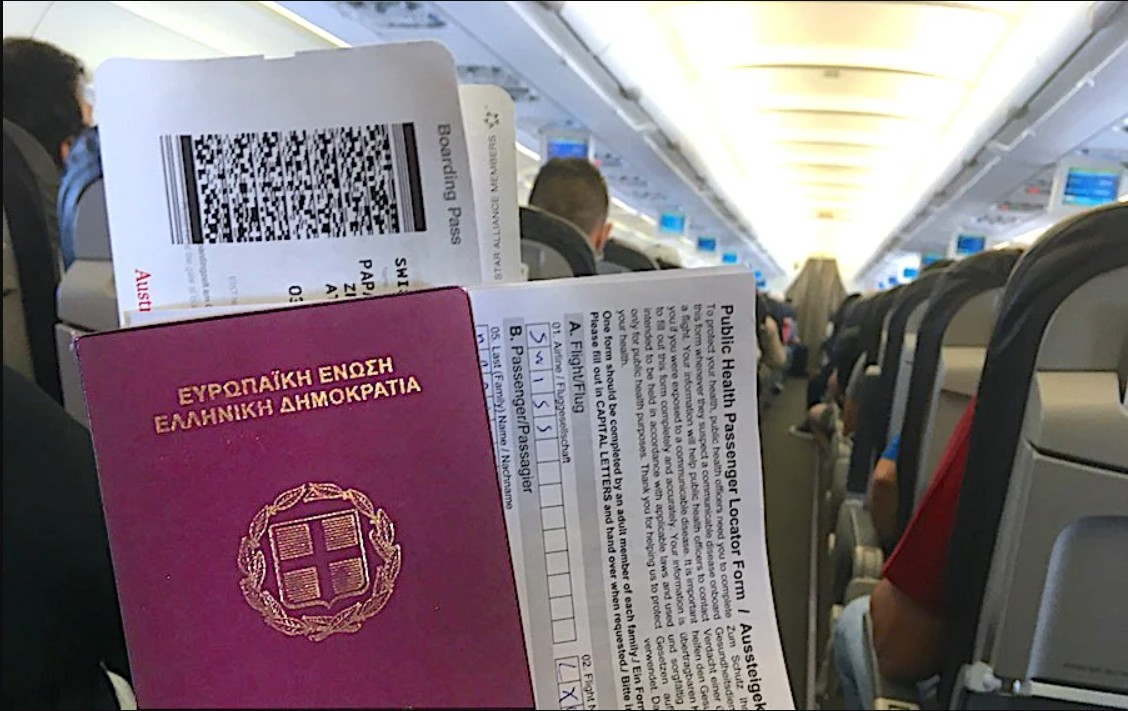
The biggest retirement mistake is building a fragile system
Many retirees optimize only for scenery or climate. The strongest long-term setups usually optimize for healthcare access, transport resilience, banking stability, walkability, winter livability and document organization.
Greece works best long term when retirees create systems that still function comfortably after aging, reduced driving confidence, health changes and bureaucratic delays.
Documents organized, healthcare tested, banking stable, transport realistic and winter housing understood.
Beautiful location, unclear residency, weak healthcare plan, no transport backup and paperwork left for later.
Practical Greece retirement visa checklist
Confirm whether you follow EU or non-EU rules, check consulate requirements and prepare apostilles and translations early.
Organize pension proof, passive income, savings evidence and a realistic household budget.
Set up AFM and TAXISnet as early as possible, then connect banking, utilities and tax records.
Plan insurance, AMKA, prescriptions, pharmacy access and emergency routes before problems appear.
Avoid assuming August is a good bureaucracy month. Plan renewals and appointments early.
Build a system that still works comfortably after age 75, not only during the arrival year.
Test the full Greece plan before committing
A residency plan is only useful if the rest of the retirement system works too: monthly costs, healthcare, housing, utilities, transport and banking.
Related Greece retirement guides
Greece can be a rewarding retirement country when residency, AFM, healthcare, banking and tax systems are built in the right order before daily life depends on them.