Aging in Greece as a Foreigner
Greece can be a rewarding place to retire, but aging changes the practical meaning of location, healthcare access, housing, transport, winter life and support networks.
Later in retirement, stairs, ferries, winter damp, specialist appointments, prescription routines, driving confidence and local support often matter more than sea views.
Greece should be judged as a long-term aging environment
Many foreigners choose Greece with active-retirement eyes. The early years may revolve around climate, scenery, food, islands, slower routines and lower everyday stress.
Later in retirement, the same decision looks different. Healthcare journeys, winter transport, pharmacy access, stairs, housing comfort, paperwork and local support systems become part of the real retirement experience.
The retirement question changes with age
Warm weather, outdoor cafés, coastal towns, island atmosphere, lower spending and slower routines.
Stairs, pharmacies, hospitals, transport, paperwork, winter life and local support.
A place with daily services, healthcare routes and social life beyond the attractive season.
A place that depends on both partners driving confidently and remaining healthy.
RetirePlan reality: the strongest retirement decisions in Greece are usually based on ordinary life after the honeymoon phase ends.
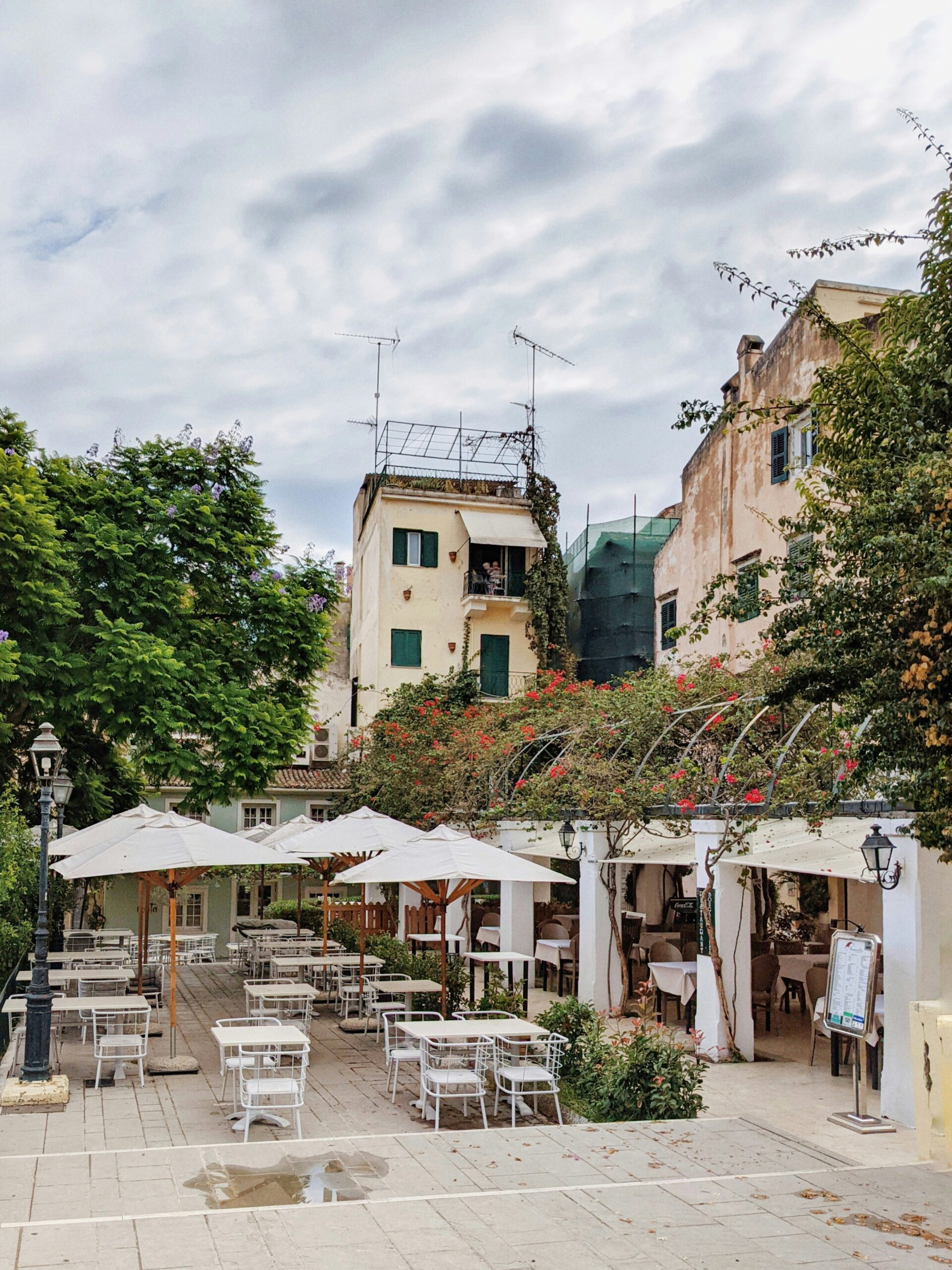
Walkability and nearby services become more important than scenery
A beautiful view matters less if every pharmacy visit, grocery trip, appointment or social activity requires a car. Older retirees usually benefit from practical street access, nearby services and transport alternatives.
A good Greece retirement base should still function if driving becomes occasional rather than daily.
Healthcare access becomes a routine system

Healthcare should not be evaluated only as an emergency issue. For aging retirees, routine access often matters more: regular prescriptions, blood tests, monitoring, specialists, imaging, follow-ups, physiotherapy and pharmacy advice.
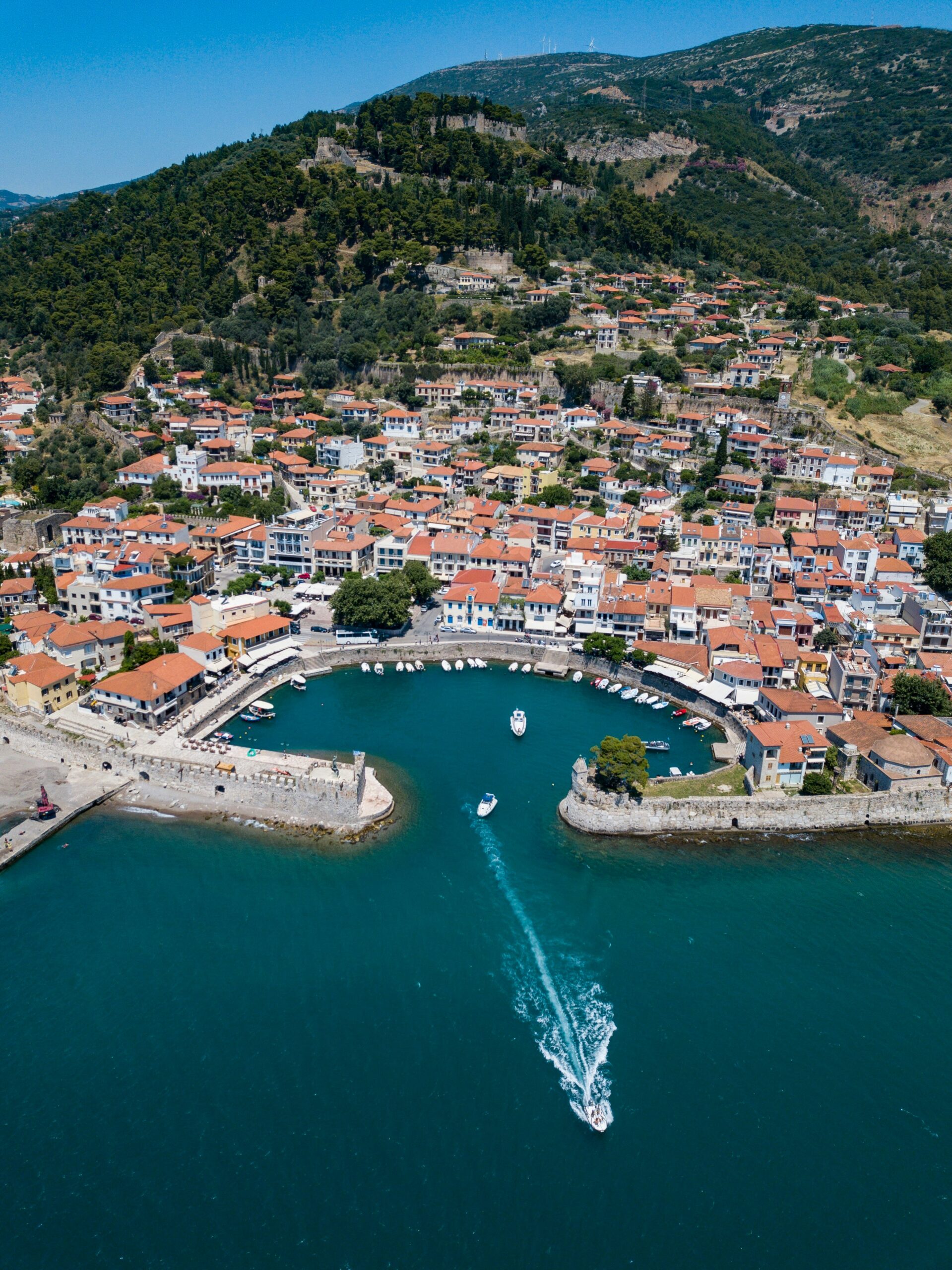
Athens and Thessaloniki offer the broadest access to hospitals, specialists and private clinics. Many mainland towns can work well for routine life, but specialist care may still require regional travel.
Real test: can you repeat the healthcare journey several times a year when older, tired or recovering?
Driving dependence can become the weak point
Greece often works well while driving feels easy. The problem is that many retirement setups become fragile once driving confidence declines.
Best location filter: ask whether the place still works if driving becomes occasional rather than daily.
Winter shows the real version of many places
Greece is often judged through spring, summer and early autumn. Winter gives a more honest picture of long-term living.
In winter, some locations become quieter, more humid, less socially active, partly closed, more car-dependent and less convenient for healthcare and errands. Housing comfort also changes if insulation, tile floors, heating or humidity are poor.
Heating, humidity, ferry schedules, open services and social life.
Summer convenience can hide seasonal weakness.
Housing decisions become harder to reverse
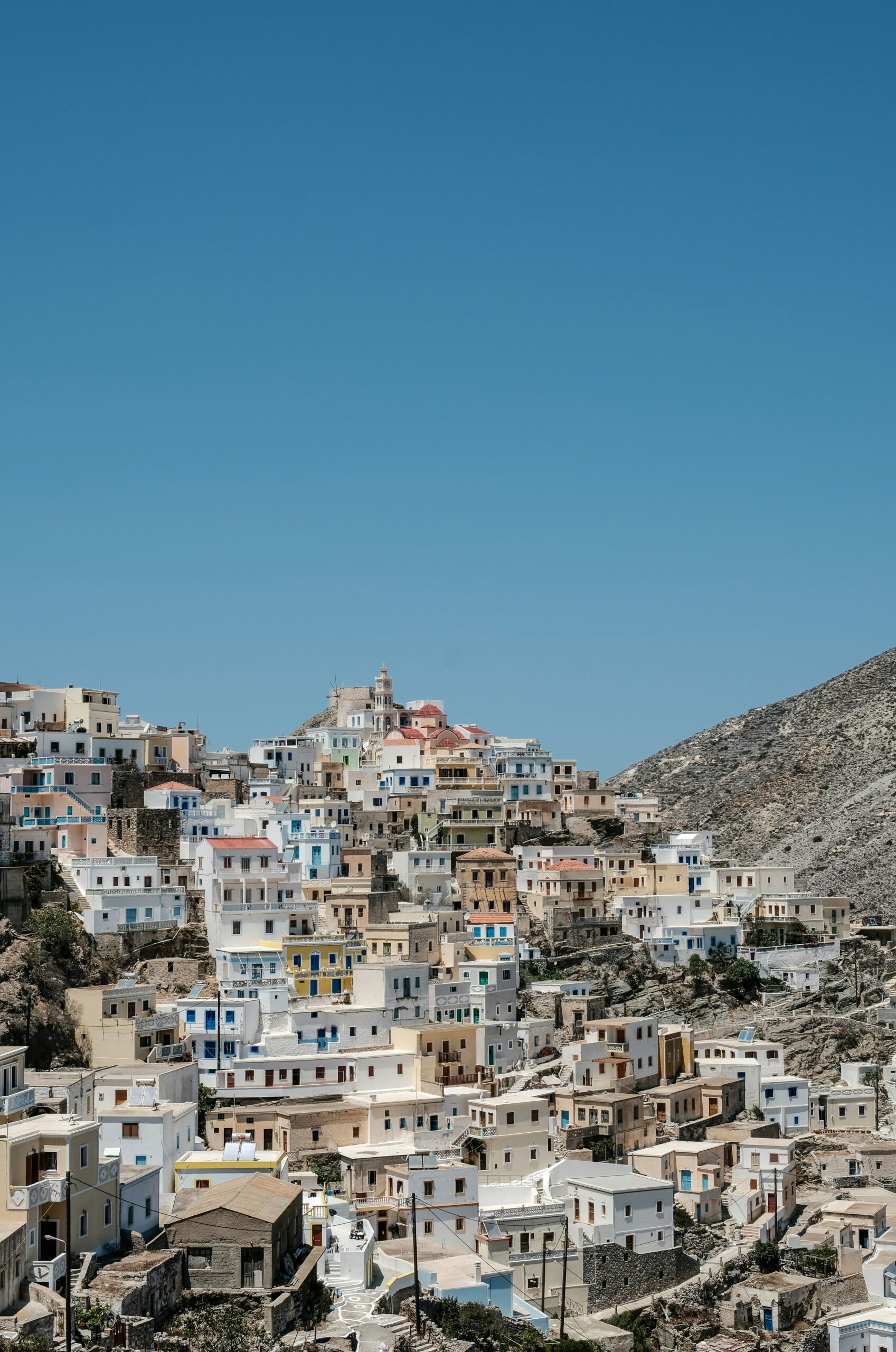
Many people initially choose housing for views, atmosphere and charm. Later, practical details dominate.
Stairs, no elevator, steep street access, remote parking and difficult bathrooms.
Poor heating, humidity, ventilation problems and cold interiors.
Distance from groceries, pharmacies, cafés, banks and transport.
Whether the home still works after illness, bereavement or driving decline.
Islands can work, but they need an exit plan
Greek islands can offer an excellent retirement lifestyle for healthy, independent retirees. But island living needs a long-term plan.
Winter schedules, storm disruption, port access and overnight stays for appointments.
Specialists, diagnostics, ambulance routes and emergency transfers.
Whether one partner could manage alone if the other became ill.
Some retirees eventually move to Athens, Thessaloniki, Crete, the Peloponnese or another mainland base.
The island itself is not the problem. The problem is assuming that a place which works at 62 will automatically work at 82.
Isolation and bureaucracy feel harder during illness
Retirement abroad can become socially fragile after illness, bereavement or reduced mobility. Local friendliness is not the same as practical help during a medical emergency, legal issue, hospital stay or household crisis.
Greek administration can be managed, but it becomes harder when retirees are tired, ill, grieving or less confident in the language.
Practical Greece aging checklist
The best retirement setup stays flexible
Greece can work very well for long-term retirement, but the strongest setups are usually flexible rather than dramatic.
Successful aging in Greece often depends on manageable housing, nearby healthcare, reduced car dependence, year-round services, simple administration, local relationships and realistic planning for later life.
Choose Greece for the life you will still have later
The goal is not to avoid Greece’s quieter, slower or more traditional places. The goal is to understand exactly what kind of support system each place provides once retirement becomes less active.
Greece can work beautifully for retirement, but aging realities should shape location, housing and healthcare decisions from the beginning.